Why Sugar Is the Problem
Sugar is everywhere — and not just in the obvious places. The average adult consumes far more free sugar than recommended, and much of it arrives disguised as "healthy" choices. The World Health Organisation recommends limiting free sugars to under 10% of daily energy intake, with additional benefits below 5%. Most people exceed both thresholds without realising it.
Free sugars include anything added to food (table sugar, syrups, honey) plus the sugars naturally present in fruit juices, concentrates, and syrups. They don't include the sugars locked inside whole fruits or plain milk — those are metabolised differently thanks to their natural packaging.
The consequences extend beyond weight gain. Excess sugar consumption is linked to chronic inflammation, insulin resistance, fatty liver disease, cardiovascular risk, and persistent energy crashes. Cutting sugar isn't about deprivation — it's about seeing clearly what you're actually consuming.
Surprising Facts
Honey is metabolically identical to table sugar.
Despite its natural origin and trace minerals, honey is approximately 80% sugar (fructose and glucose) and triggers the same insulin response as white sugar. The "natural" label changes nothing for your blood glucose.
A glass of orange juice has as much sugar as a glass of cola.
Both contain approximately 22-26g of sugar per 250ml. The difference? Whole oranges are GREEN because their fibre matrix slows absorption. Remove the fibre, and the sugar floods your system at the same speed.
Many "healthy" granola bars contain more sugar than a chocolate biscuit.
Some popular brands pack 15-20g of sugar per bar, often from honey, agave, or dried fruit. DietVox sees through the health halo to the actual glycaemic impact.
Low Sugar Foods to Enjoy (GREEN-Rated)
These foods have minimal impact on blood sugar and support stable energy levels.
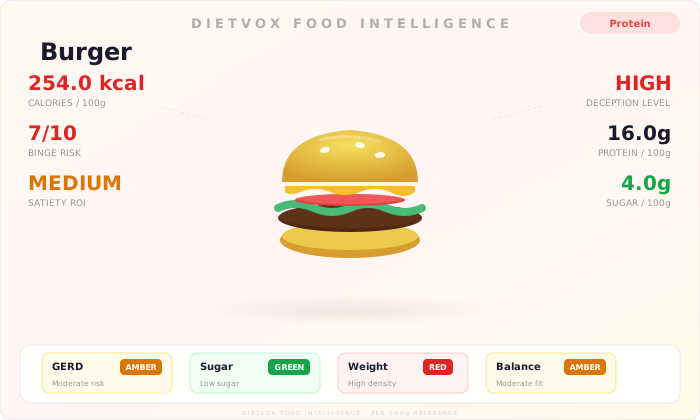
Burger
Burger is GREEN in the DietVox Low Sugar profile for the plain prepared Burger serving described on this page. Added sugar, total sugar, serving size and the exact label can differ.
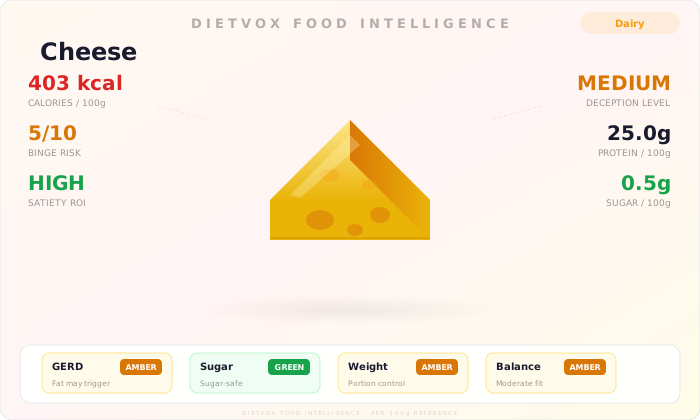
Cheese
Cheese is GREEN in the DietVox Low Sugar profile for the plain labelled Cheese product described on this page. Added sugar, total sugar, serving size and the exact label can differ.
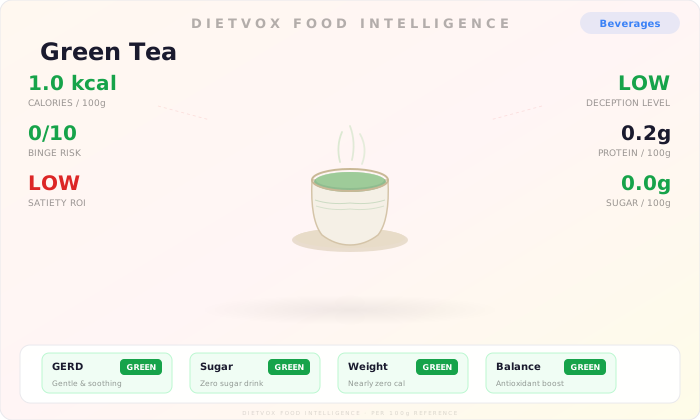
Green Tea
Green Tea is GREEN in the DietVox Low Sugar profile for the labelled or measured Green Tea drink described on this page. Added sugar, total sugar, serving size and the exact label can differ.
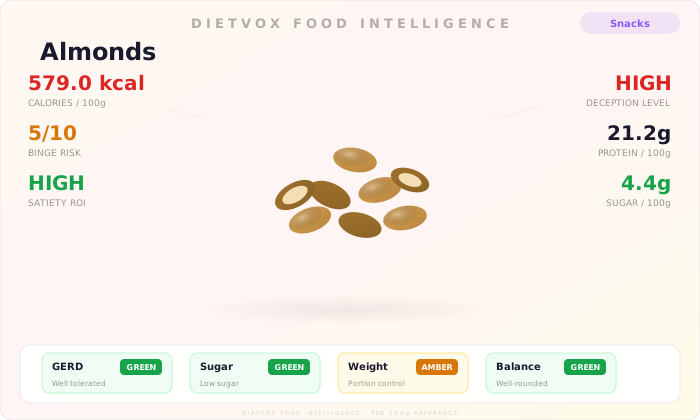
Almonds
Almonds is GREEN in the DietVox Low Sugar profile for the labelled serving of Almonds described on this page. Added sugar, total sugar, serving size and the exact label can differ.
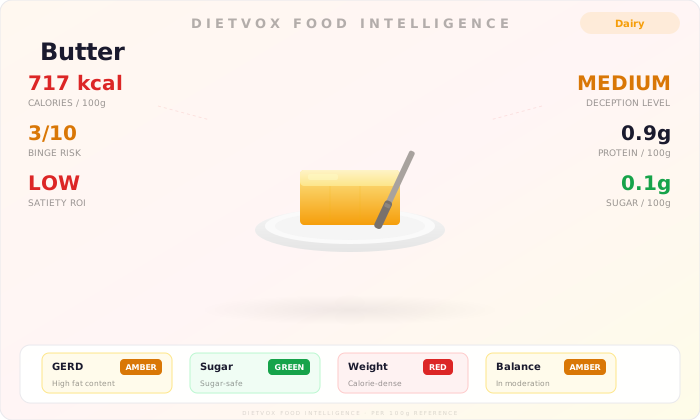
Butter
Butter is GREEN in the DietVox Low Sugar profile for the plain labelled Butter product described on this page. Added sugar, total sugar, serving size and the exact label can differ.
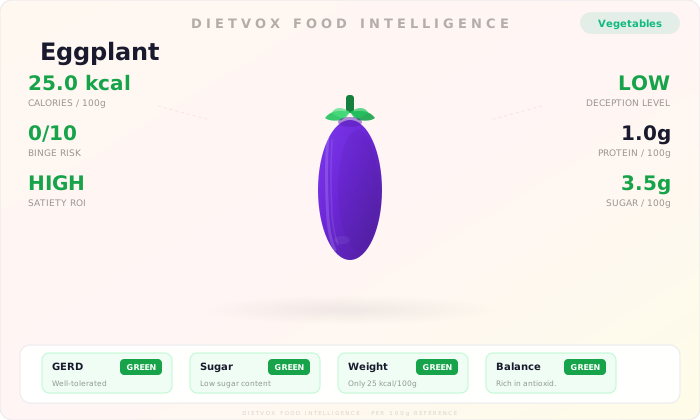
Eggplant
Eggplant is GREEN in the DietVox Low Sugar profile for plain raw, steamed, boiled or otherwise simply prepared Eggplant. Added sugar, total sugar, serving size and the exact label can differ.
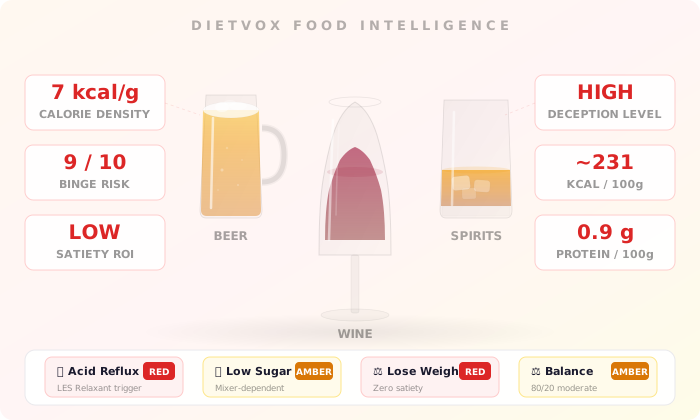
Alcohol
Alcohol is GREEN in the DietVox Low Sugar profile for the labelled or measured Alcohol drink described on this page. Added sugar, total sugar, serving size and the exact label can differ.
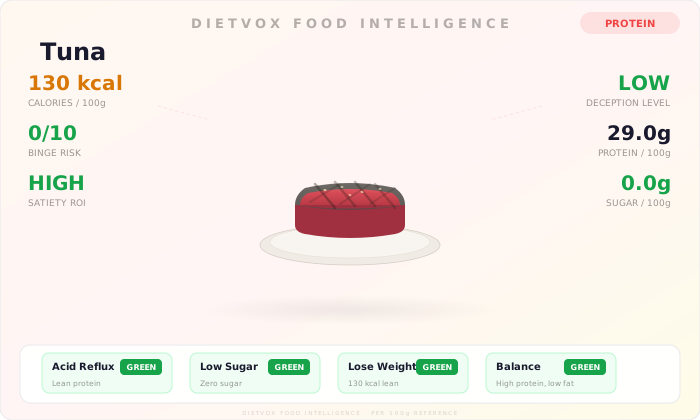
Tuna
Tuna is GREEN in the DietVox Low Sugar profile for the plain prepared Tuna serving described on this page. Added sugar, total sugar, serving size and the exact label can differ.
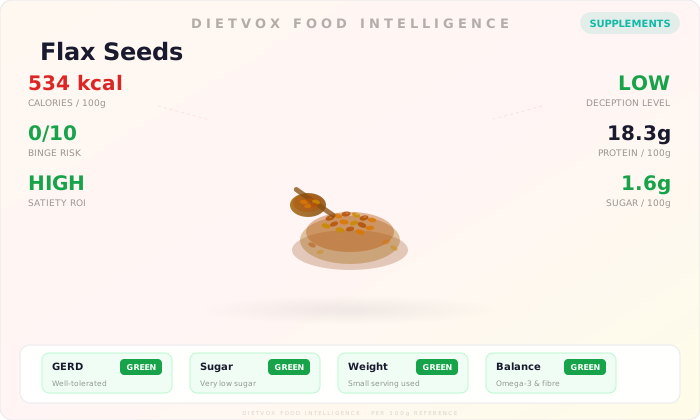
Flax Seeds
Flax Seeds is GREEN in the DietVox Low Sugar profile for the exact Flax Seeds food or product form described on this page. Added sugar, total sugar, serving size and the exact label can differ.
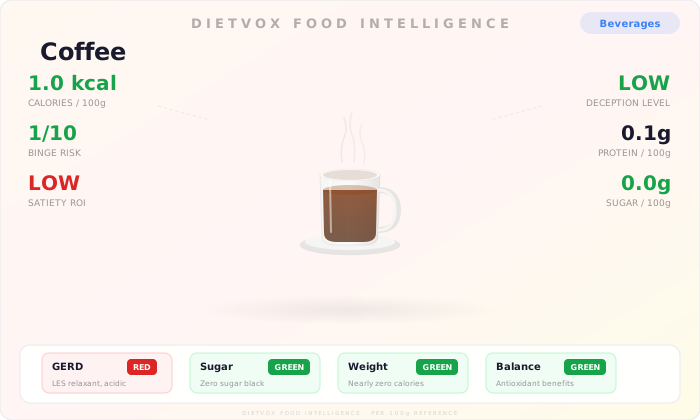
Coffee
Coffee is GREEN in the DietVox Low Sugar profile for the labelled or measured Coffee drink described on this page. Added sugar, total sugar, serving size and the exact label can differ.
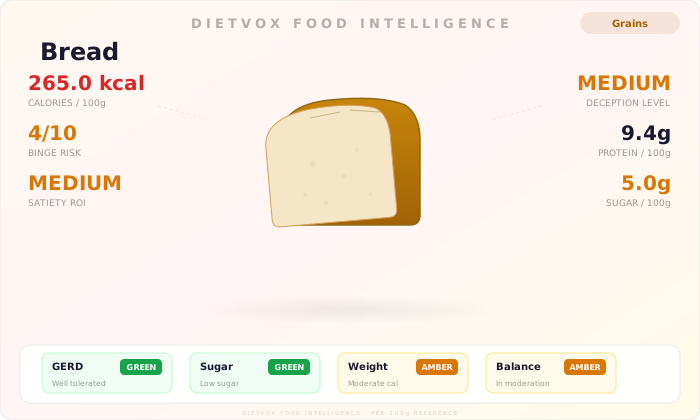
Bread
Bread is GREEN in the DietVox Low Sugar profile for the plain prepared Bread serving described on this page. Added sugar, total sugar, serving size and the exact label can differ.
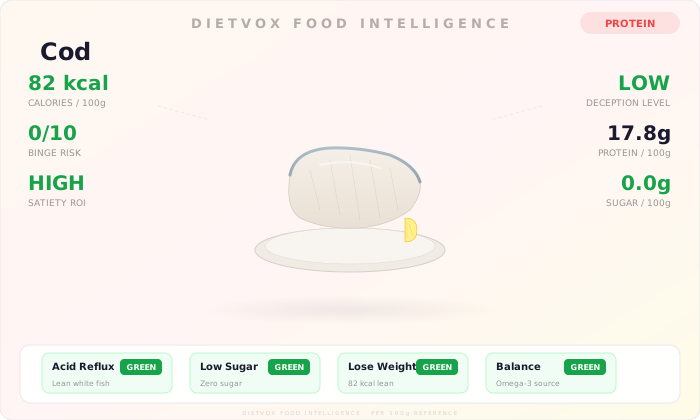
Cod
Cod is GREEN in the DietVox Low Sugar profile for the plain prepared Cod serving described on this page. Added sugar, total sugar, serving size and the exact label can differ.
Foods to Watch (AMBER-Rated)
These foods contain moderate sugar or have conditional impact depending on context.
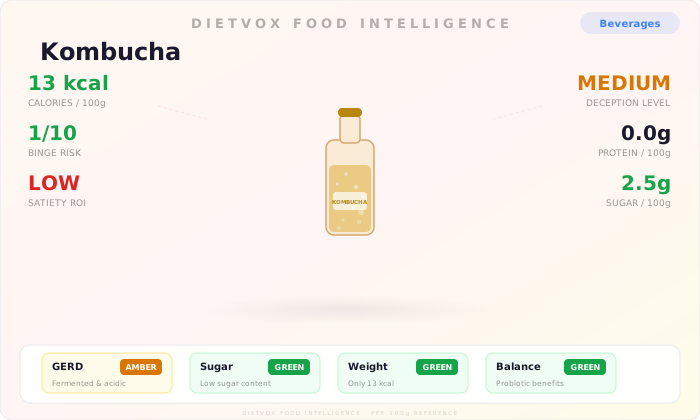
Kombucha
Kombucha is AMBER in the DietVox Low Sugar profile for the labelled or measured Kombucha drink described on this page. Added sugar, total sugar, serving size and the exact label can differ.
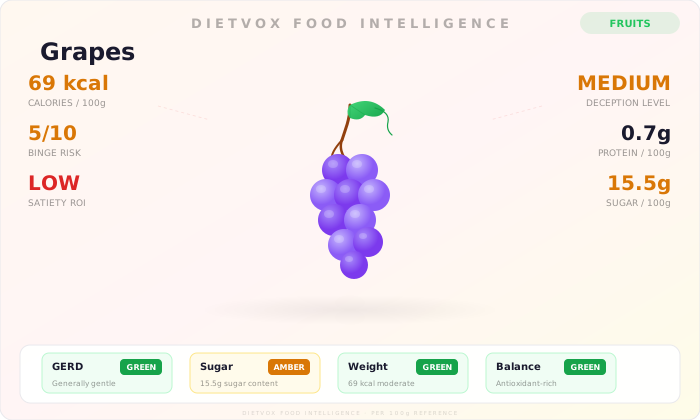
Grapes
Grapes is AMBER in the DietVox Low Sugar profile for plain, whole Grapes. Added sugar, total sugar, serving size and the exact label can differ.
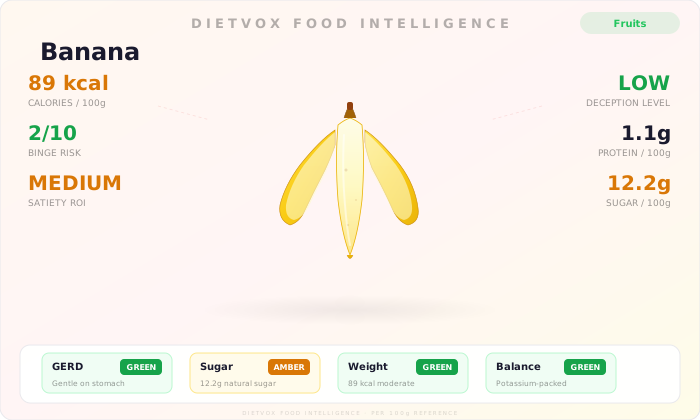
Banana
Banana is AMBER in the DietVox Low Sugar profile for plain, whole Banana. Added sugar, total sugar, serving size and the exact label can differ.
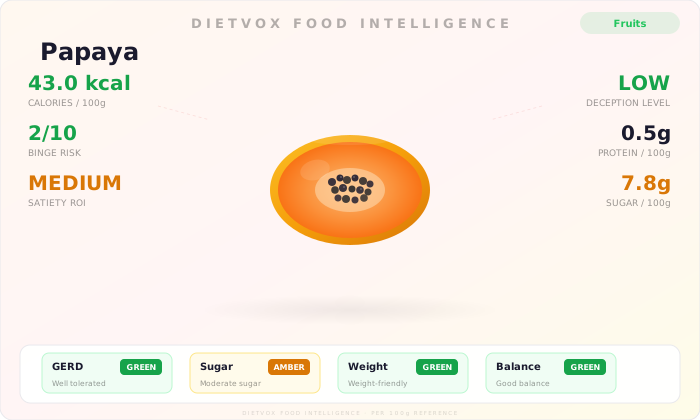
Papaya
Papaya is AMBER in the DietVox Low Sugar profile for plain, whole Papaya. Added sugar, total sugar, serving size and the exact label can differ.
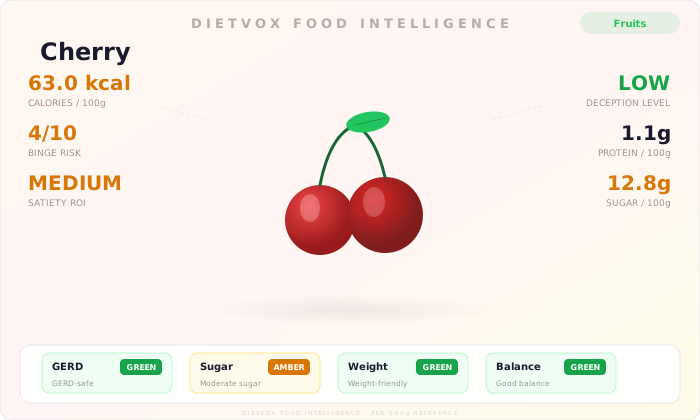
Cherry
Cherry is AMBER in the DietVox Low Sugar profile for plain, whole Cherry. Added sugar, total sugar, serving size and the exact label can differ.
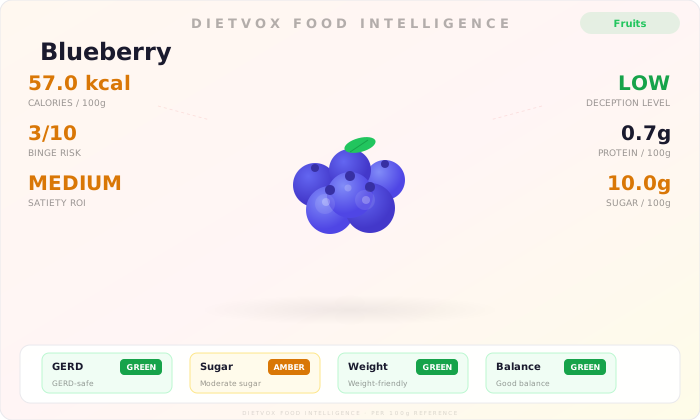
Blueberry
Blueberry is AMBER in the DietVox Low Sugar profile for plain, whole Blueberry. Added sugar, total sugar, serving size and the exact label can differ.
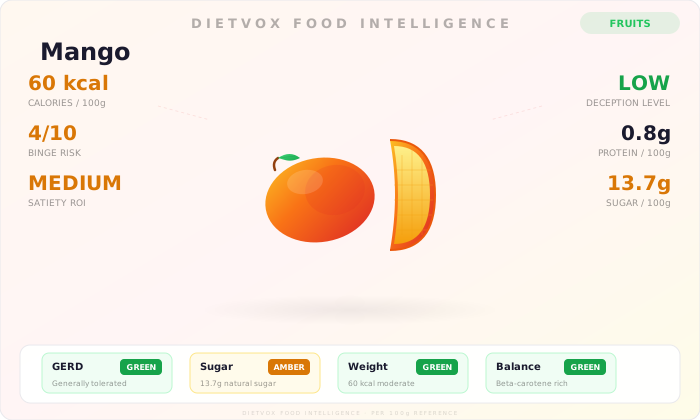
Mango
Mango is AMBER in the DietVox Low Sugar profile for plain, whole Mango. Added sugar, total sugar, serving size and the exact label can differ.
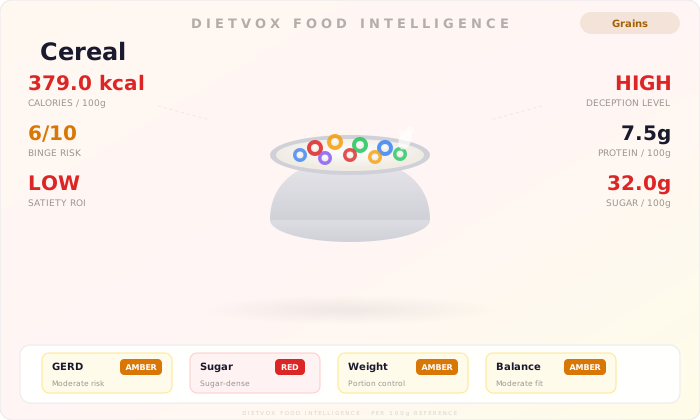
Cereal
Cereal is AMBER in the DietVox Low Sugar profile for the plain prepared Cereal serving described on this page. Added sugar, total sugar, serving size and the exact label can differ.
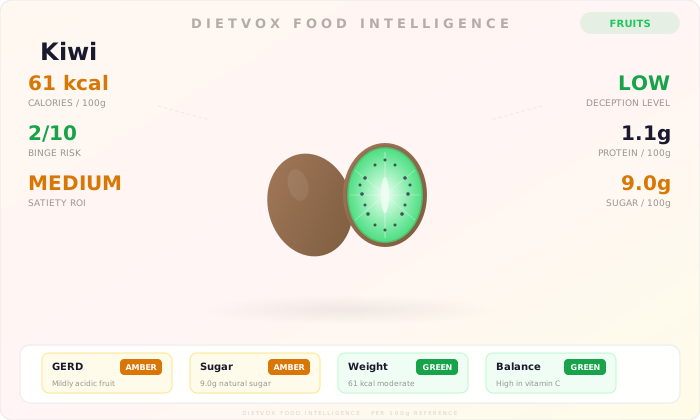
Kiwi
Kiwi is AMBER in the DietVox Low Sugar profile for plain, whole Kiwi. Added sugar, total sugar, serving size and the exact label can differ.
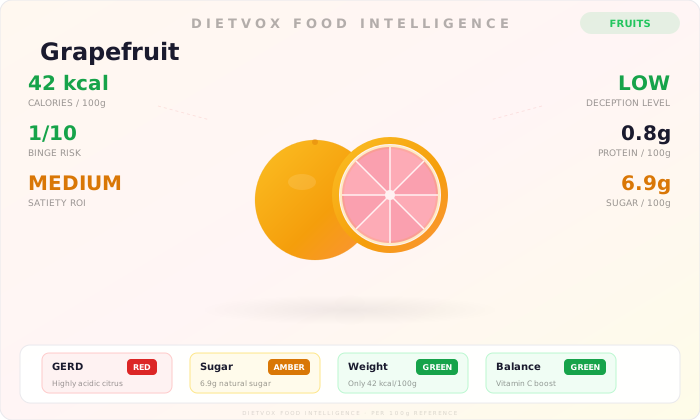
Grapefruit
Grapefruit is AMBER in the DietVox Low Sugar profile for plain, whole Grapefruit. Added sugar, total sugar, serving size and the exact label can differ.
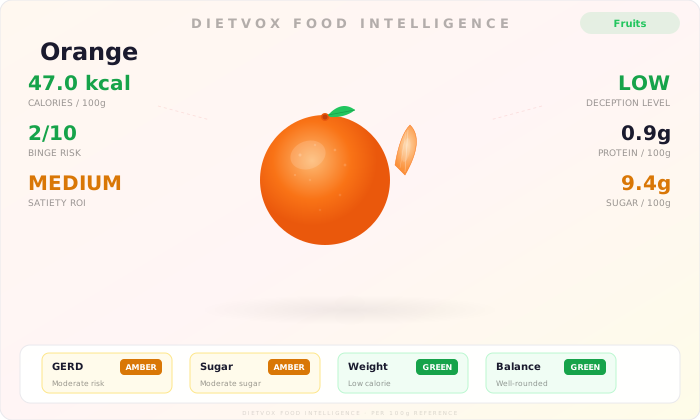
Orange
Orange is AMBER in the DietVox Low Sugar profile for plain, whole Orange. Added sugar, total sugar, serving size and the exact label can differ.
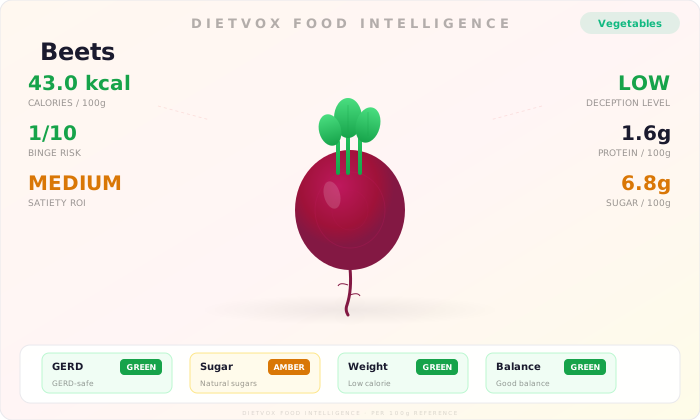
Beets
Beets is AMBER in the DietVox Low Sugar profile for plain raw, steamed, boiled or otherwise simply prepared Beets. Added sugar, total sugar, serving size and the exact label can differ.
High Sugar Foods to Avoid (RED-Rated)
These foods deliver rapid sugar hits with minimal nutritional redemption.
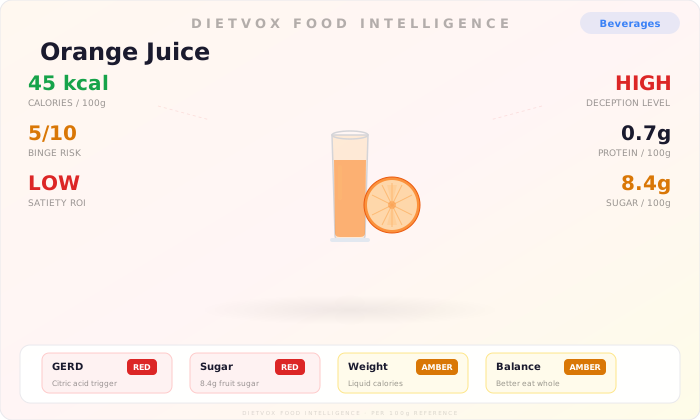
Orange Juice
Orange Juice is RED in the DietVox Low Sugar profile for the labelled or measured Orange Juice drink described on this page. Added sugar, total sugar, serving size and the exact label can differ.
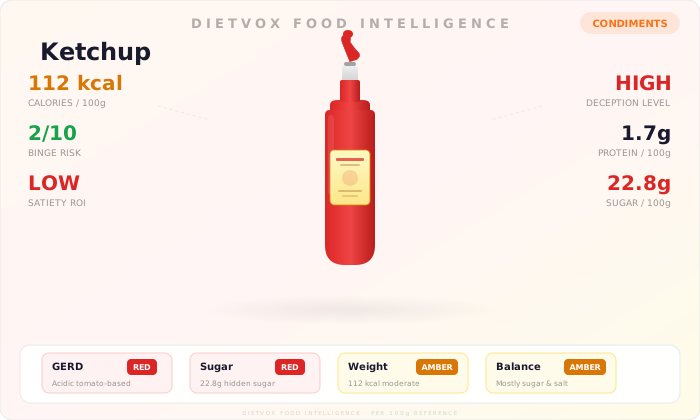
Ketchup
Ketchup is RED in the DietVox Low Sugar profile for the labelled serving of Ketchup described on this page. Added sugar, total sugar, serving size and the exact label can differ.
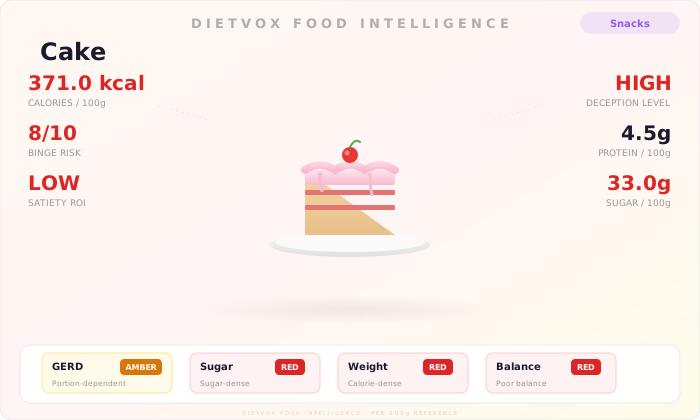
Cake
Cake is RED in the DietVox Low Sugar profile for the labelled serving of Cake described on this page. Added sugar, total sugar, serving size and the exact label can differ.
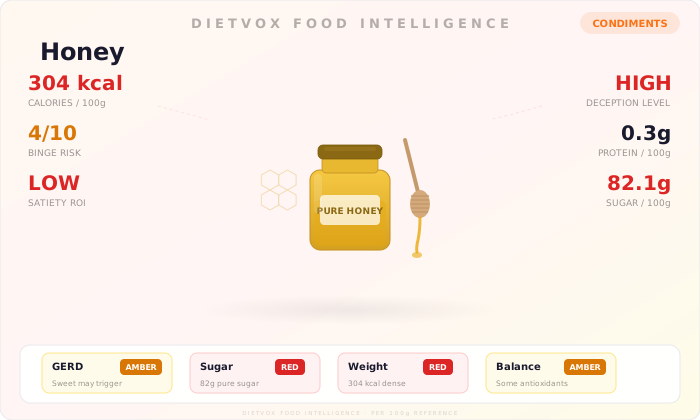
Honey
Honey is RED in the DietVox Low Sugar profile for the labelled serving of Honey described on this page. Added sugar, total sugar, serving size and the exact label can differ.
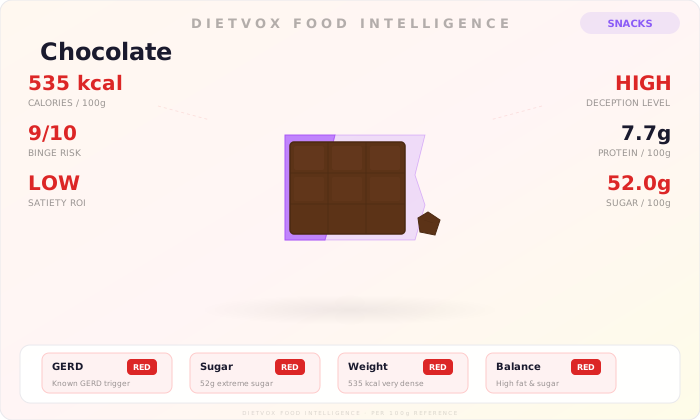
Chocolate
Chocolate is RED in the DietVox Low Sugar profile for the labelled serving of Chocolate described on this page. Added sugar, total sugar, serving size and the exact label can differ.
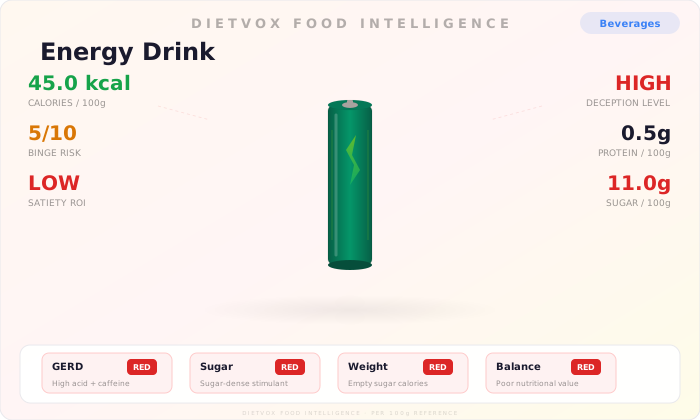
Energy Drink
Energy Drink is RED in the DietVox Low Sugar profile for the labelled or measured Energy Drink drink described on this page. Added sugar, total sugar, serving size and the exact label can differ.
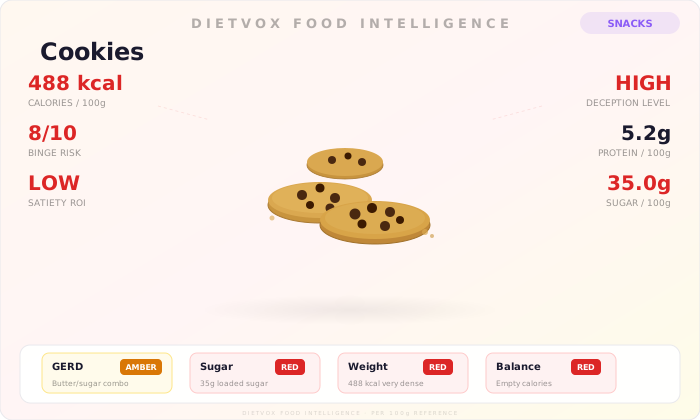
Cookies
Cookies is RED in the DietVox Low Sugar profile for the labelled serving of Cookies described on this page. Added sugar, total sugar, serving size and the exact label can differ.
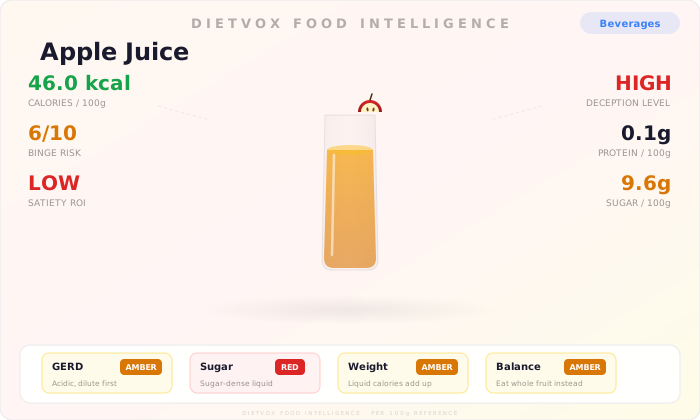
Apple Juice
Apple Juice is RED in the DietVox Low Sugar profile for the labelled or measured Apple Juice drink described on this page. Added sugar, total sugar, serving size and the exact label can differ.
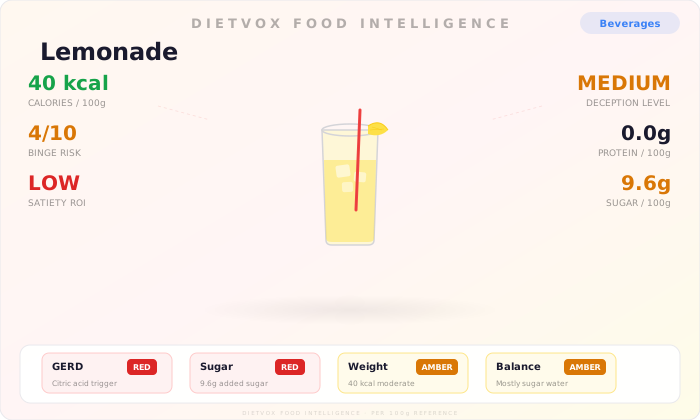
Lemonade
Lemonade is RED in the DietVox Low Sugar profile for the labelled or measured Lemonade drink described on this page. Added sugar, total sugar, serving size and the exact label can differ.
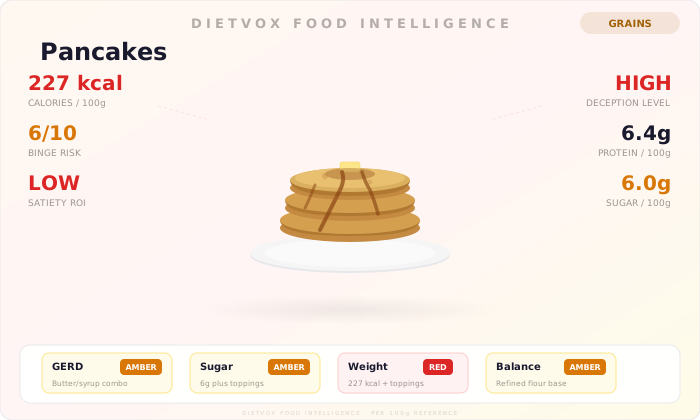
Pancakes
Pancakes is RED in the DietVox Low Sugar profile for the plain prepared Pancakes serving described on this page. Added sugar, total sugar, serving size and the exact label can differ.
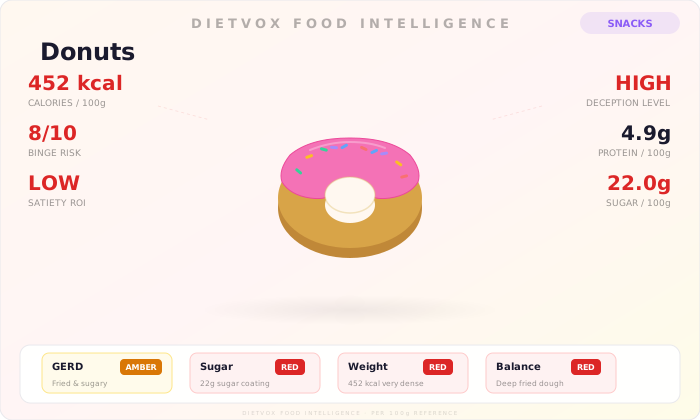
Donuts
Donuts is RED in the DietVox Low Sugar profile for the labelled serving of Donuts described on this page. Added sugar, total sugar, serving size and the exact label can differ.
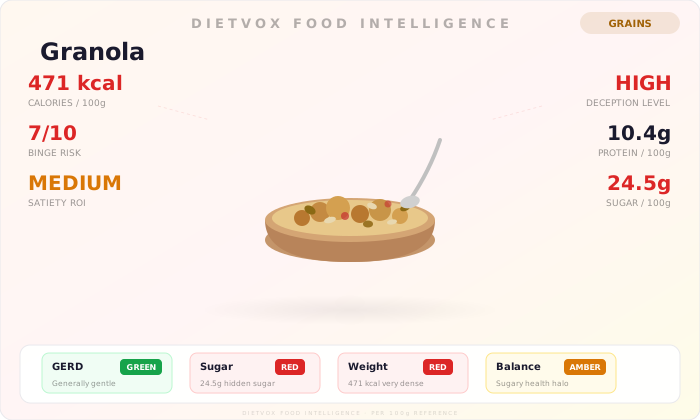
Granola
Granola is RED in the DietVox Low Sugar profile for the plain prepared Granola serving described on this page. Added sugar, total sugar, serving size and the exact label can differ.
These are just the highlights. The app rates every food you eat.
Scan any food, get an instant RED / AMBER / GREEN rating for low sugar.
Try It Free →How DietVox Approaches Sugar
A calorie of sugar from a can of cola is not the same as a calorie of sugar from a whole apple. The difference is in how your body processes it — how fast the sugar hits your bloodstream, whether fibre slows the absorption, and what metabolic response it triggers.
DietVox doesn't just count sugar grams. Our Low Sugar protocol evaluates the glycaemic context of every food — how sugars are packaged, whether they're free or bound, and how the surrounding nutrients modify their impact. This means a whole orange gets a completely different rating from orange juice, even though they contain similar amounts of sugar. The packaging matters.
We see through the "health halo" that makes certain sweeteners feel virtuous when they're metabolically identical to table sugar.
Practical Tips
- Read the ingredients, not just the nutrition label. Sugar hides behind over 50 names: dextrose, maltose, rice syrup, cane juice, barley malt. If a sweetener appears in the first three ingredients, the product is sugar-heavy.
- Eat your fruit — don't drink it. The simple act of chewing whole fruit, with its intact fibre matrix, changes how your body processes the sugar. Blending (into a smoothie with no juice added) retains most fibre. Juicing removes it entirely.
- Pair your carbs. Never eat refined carbohydrates alone. Adding protein, fat, or fibre alongside carbs (cheese with crackers, nut butter with toast) dramatically blunts the blood sugar spike.
- Front-load protein at breakfast. A high-protein breakfast (eggs, Greek yogurt, nuts) stabilises blood sugar for hours. A high-sugar breakfast (cereal, juice, toast with jam) creates a spike-crash cycle that increases cravings all day.
- Beware the "health halo." Foods marketed as natural, organic, raw, or wholesome often contain just as much sugar as their conventional counterparts. Marketing doesn't change metabolism.
Frequently Asked Questions
Is fruit bad for you if you're cutting sugar?
No — whole fruit is one of the best foods you can eat, even on a low sugar diet. The fibre, water, and nutrients in whole fruit slow sugar absorption and provide significant health benefits. The problem arises only when fruit is juiced (fibre removed) or dried (sugar concentrated). DietVox rates whole fresh fruits as GREEN.
Is honey a healthier alternative to sugar?
From a metabolic standpoint, no. Honey is approximately 80% sugar (a mix of fructose and glucose) and triggers a similar insulin response to table sugar. It contains trace minerals and antioxidants, but not in quantities that offset the sugar content. The same applies to agave nectar, maple syrup, and coconut sugar. DietVox rates all of these as RED — metabolically equivalent to table sugar.
How much sugar should I eat per day?
The WHO recommends limiting free sugars to under 50g per day, with additional health benefits below 25g. "Free sugars" means anything added to food plus sugars in juice and syrups — but not sugars naturally present in whole fruits, vegetables, or plain milk. For context, a single can of cola contains about 35g.
Are artificial sweeteners a good alternative?
Artificial sweeteners (aspartame, sucralose, stevia) don't raise blood sugar directly, but the research on their long-term metabolic effects is mixed. Some studies suggest they may affect gut bacteria or maintain sugar cravings. They're not rated RED, but they're not a simple free pass either.
What's the difference between a smoothie and a juice for sugar impact?
The difference is fibre. A whole fruit smoothie (blended, not juiced) retains the fruit's fibre, which slows sugar absorption. Juicing strips the fibre out, turning fruit into essentially flavoured sugar water. DietVox rates whole smoothies as GREEN (if no juice is added) and fruit juice as RED.
What are hidden sugars in food?
Hidden sugars are found in foods often marketed as healthy. Apple juice contains 9.6g sugar per 100ml with no fibre to slow absorption — DietVox rates it RED. Granola contains nearly 25g sugar per 100g despite its health-food reputation. Even condiments like ketchup (22.8g sugar per 100g) deliver significant sugar in small servings. Honey, at 82g sugar per 100g, is higher in sugar than many sweets. DietVox scans any food and instantly reveals its sugar impact with a RED, AMBER, or GREEN rating.
Want instant ratings for any food? Try DietVox free