Why Some Foods Make Weight Loss Easier
Weight loss comes down to energy balance — consuming fewer calories than you burn. But not all calories behave the same way in your body. Some foods keep you satisfied for hours on very few calories. Others pack enormous calorie density into tiny portions that barely register as a meal. The difference between these foods often explains why some people struggle despite "eating healthy."
Caloric density — the number of calories per gram of food — is one of the strongest predictors of whether a food supports or undermines weight loss. Vegetables, fruits, and lean proteins deliver volume and satisfaction at very low caloric cost. Oils, nuts, pastries, and fried foods concentrate calories into small amounts that are easy to overeat.
But caloric density isn't the whole picture. Ultra-processed foods are engineered to bypass your natural satiety signals, making you eat more than you otherwise would. And some calorie-dense foods (like nuts) consistently show no association with weight gain in long-term studies. The science is more interesting than simple calorie counting suggests.
Surprising Facts
Boiled potatoes are the single most filling food ever tested.
In the scientific Satiety Index, boiled potatoes scored highest of any food — more filling than any meat, grain, or fruit. They're GREEN for weight loss. The problem isn't potatoes — it's how we prepare them.
Nuts are calorie-dense but don't cause weight gain.
At ~600 kcal/100g, you'd expect almonds to be catastrophic for weight loss. Yet study after study shows regular nut consumption has no association with weight gain — and often correlates with weight loss.
Liquid calories are almost invisible to your hunger signals.
Your brain registers solid food and adjusts appetite accordingly. Liquid calories largely bypass this system. A 400-calorie smoothie doesn't make you eat 400 fewer calories at your next meal — but 400 calories of chicken breast does.
Best Foods for Weight Loss (GREEN-Rated)
These foods are your strongest allies for weight loss — high in volume, high in satiety, low in caloric density.
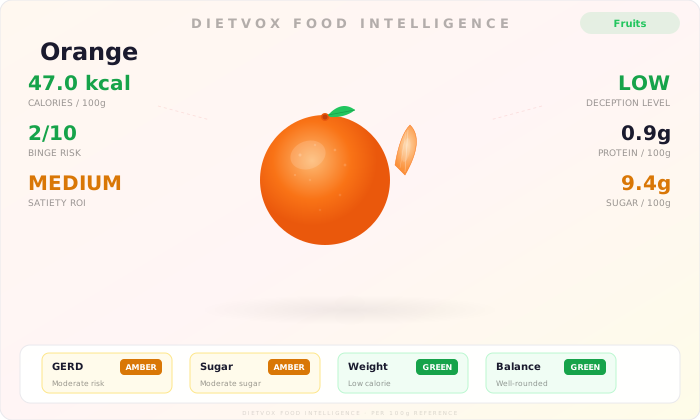
Orange
Orange is GREEN in the DietVox Weight Loss profile for plain, whole Orange. The portion and the wider eating pattern determine how the food fits an individual plan.
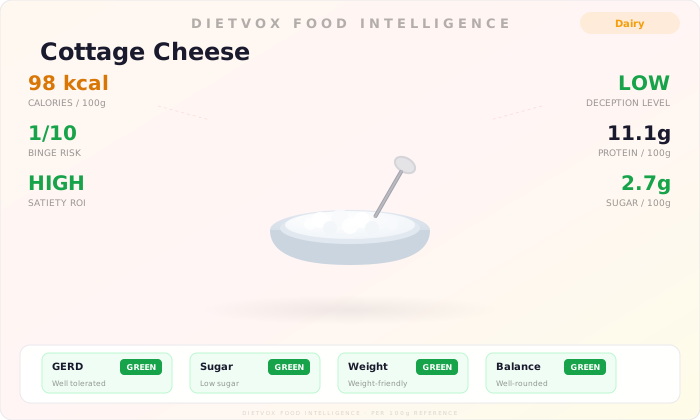
Cottage Cheese
Cottage Cheese is GREEN in the DietVox Weight Loss profile for the plain labelled Cottage Cheese product described on this page. The portion and the wider eating pattern determine how the food fits an individual plan.
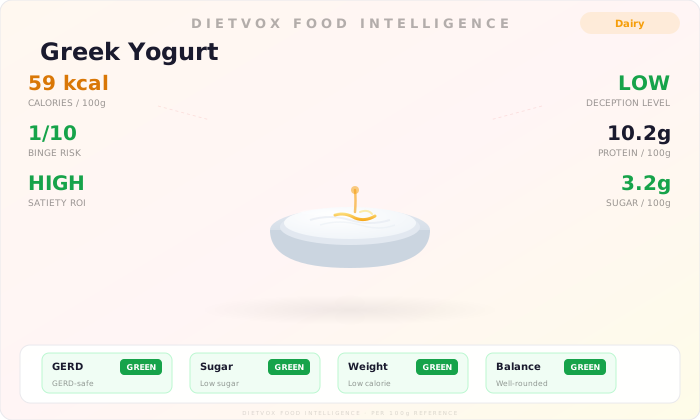
Greek Yogurt
Greek Yogurt is GREEN in the DietVox Weight Loss profile for the plain labelled Greek Yogurt product described on this page. The portion and the wider eating pattern determine how the food fits an individual plan.
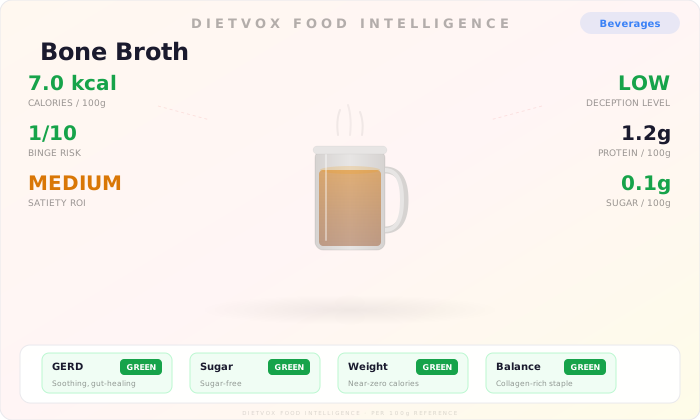
Bone Broth
Bone Broth is GREEN in the DietVox Weight Loss profile for the labelled or measured Bone Broth drink described on this page. The portion and the wider eating pattern determine how the food fits an individual plan.
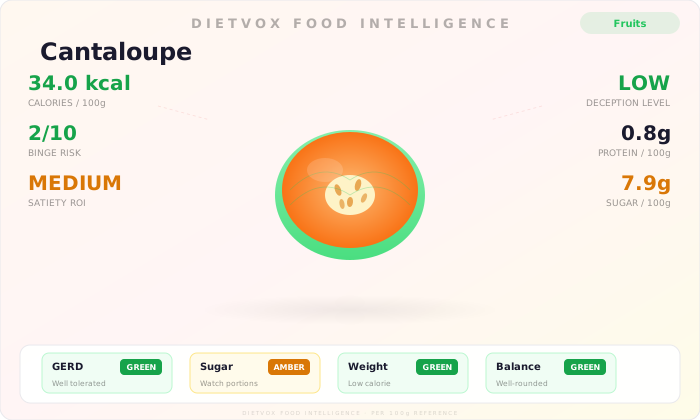
Cantaloupe
Cantaloupe is GREEN in the DietVox Weight Loss profile for plain, whole Cantaloupe. The portion and the wider eating pattern determine how the food fits an individual plan.
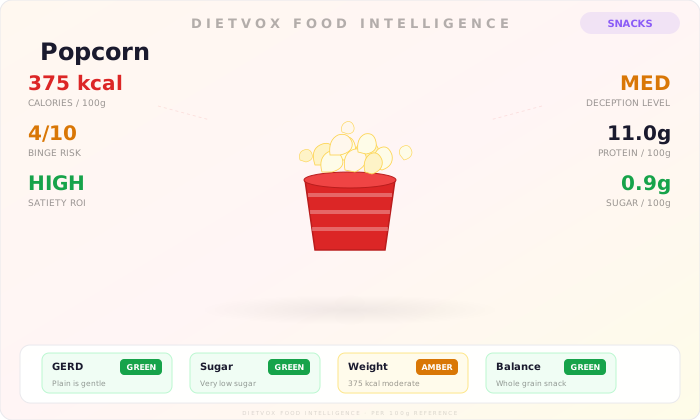
Popcorn
Popcorn is GREEN in the DietVox Weight Loss profile for the labelled serving of Popcorn described on this page. The portion and the wider eating pattern determine how the food fits an individual plan.
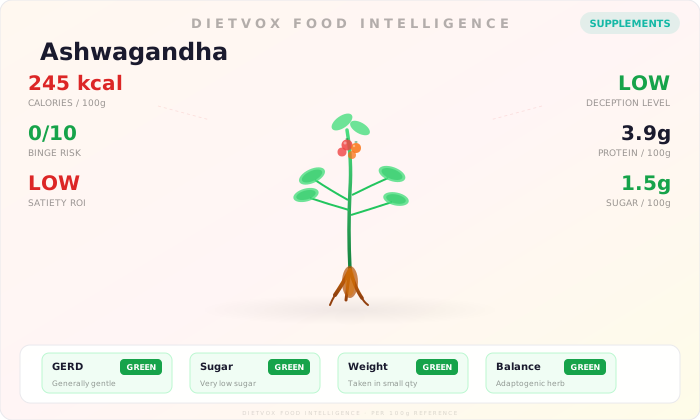
Ashwagandha
Ashwagandha is GREEN in the DietVox Weight Loss profile for the exact Ashwagandha food or product form described on this page. The portion and the wider eating pattern determine how the food fits an individual plan.
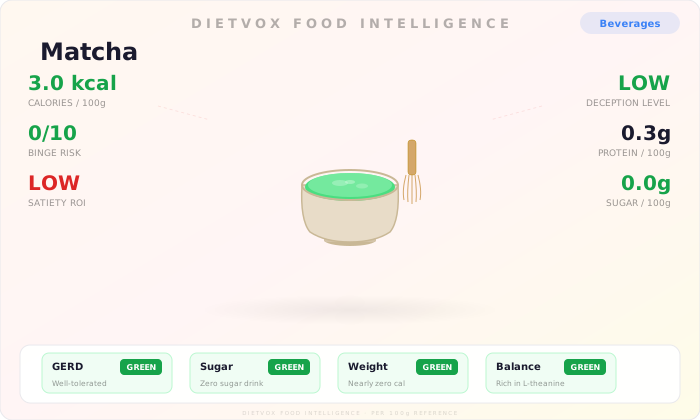
Matcha
Matcha is GREEN in the DietVox Weight Loss profile for the labelled or measured Matcha drink described on this page. The portion and the wider eating pattern determine how the food fits an individual plan.
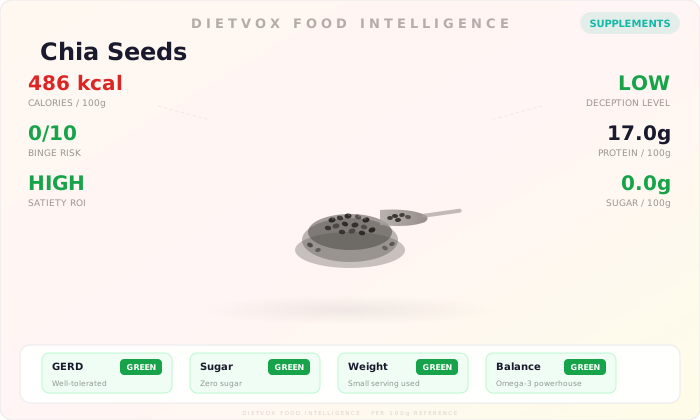
Chia Seeds
Chia Seeds is GREEN in the DietVox Weight Loss profile for the exact Chia Seeds food or product form described on this page. The portion and the wider eating pattern determine how the food fits an individual plan.
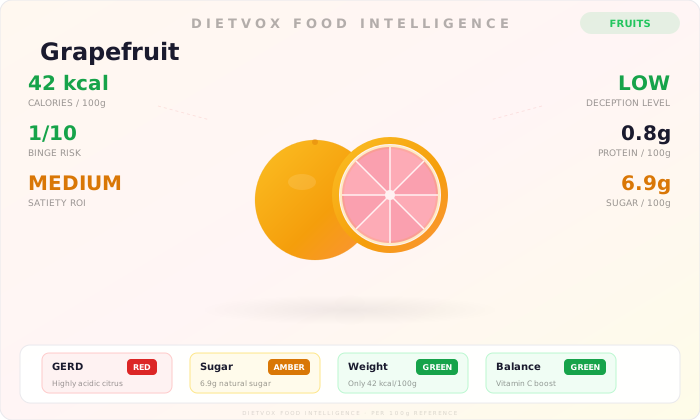
Grapefruit
Grapefruit is GREEN in the DietVox Weight Loss profile for plain, whole Grapefruit. The portion and the wider eating pattern determine how the food fits an individual plan.
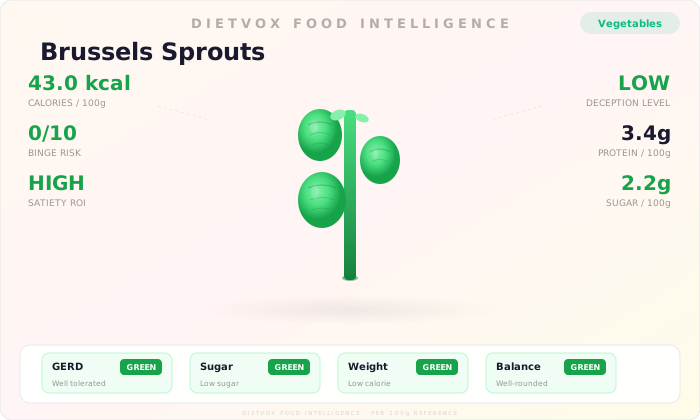
Brussels Sprouts
Brussels Sprouts is GREEN in the DietVox Weight Loss profile for plain raw, steamed, boiled or otherwise simply prepared Brussels Sprouts. The portion and the wider eating pattern determine how the food fits an individual plan.
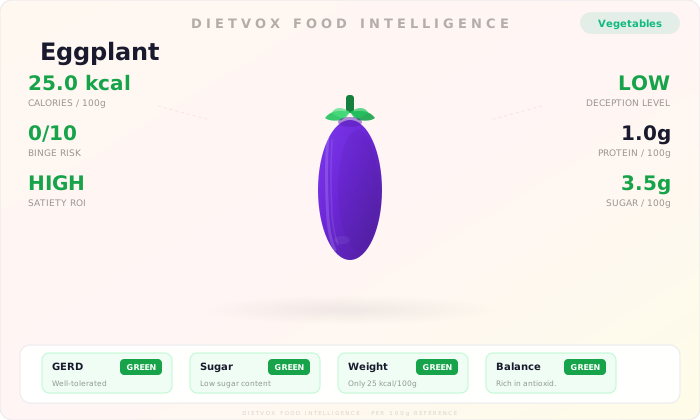
Eggplant
Eggplant is GREEN in the DietVox Weight Loss profile for plain raw, steamed, boiled or otherwise simply prepared Eggplant. The portion and the wider eating pattern determine how the food fits an individual plan.
Foods to Watch (AMBER-Rated)
These foods aren't enemies, but they need awareness. They're either calorie-dense but nutritionally valuable, or moderate-density foods that require portion control.
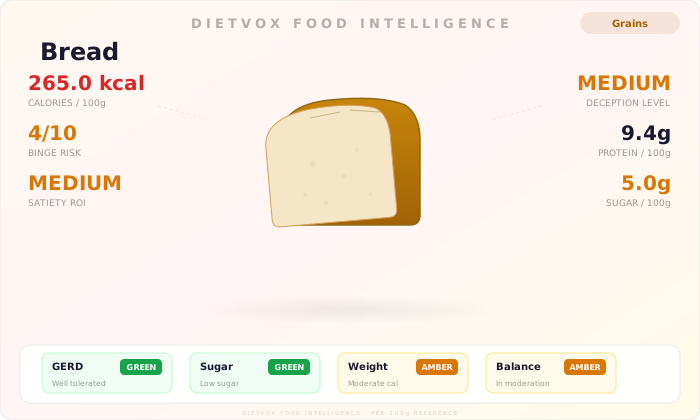
Bread
Bread is AMBER in the DietVox Weight Loss profile for the plain prepared Bread serving described on this page. The portion and the wider eating pattern determine how the food fits an individual plan.
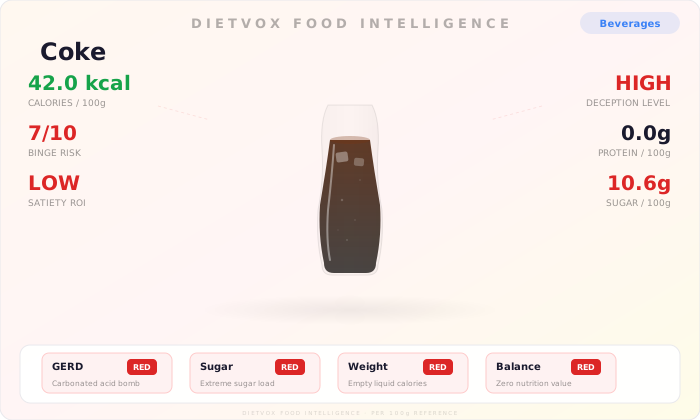
Coke (Coca-Cola)
Coke (Coca-Cola) is AMBER in the DietVox Weight Loss profile for the labelled or measured Coke (Coca-Cola) drink described on this page. The portion and the wider eating pattern determine how the food fits an individual plan.
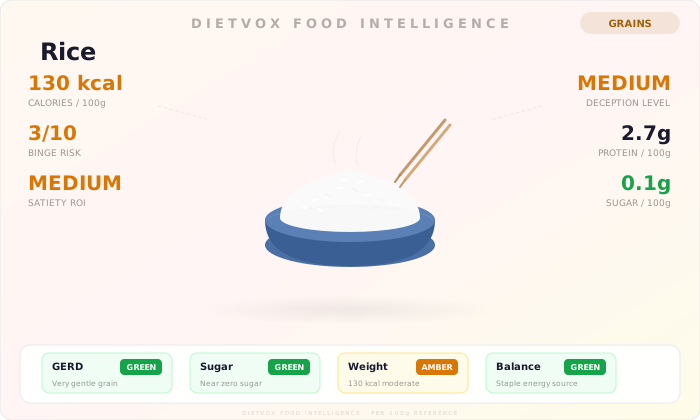
Rice
Rice is AMBER in the DietVox Weight Loss profile for the plain prepared Rice serving described on this page. The portion and the wider eating pattern determine how the food fits an individual plan.
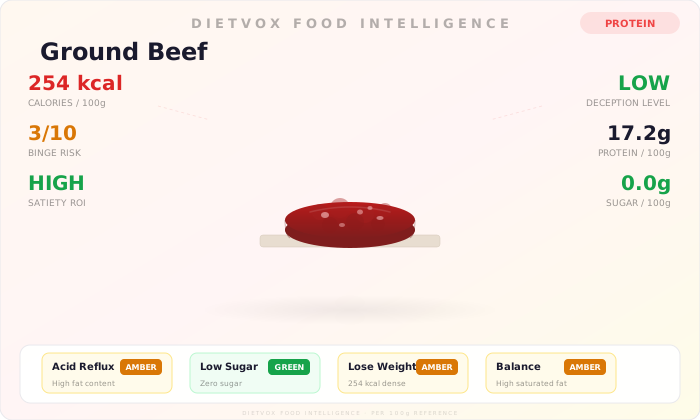
Ground Beef
Ground Beef is AMBER in the DietVox Weight Loss profile for the plain prepared Ground Beef serving described on this page. The portion and the wider eating pattern determine how the food fits an individual plan.
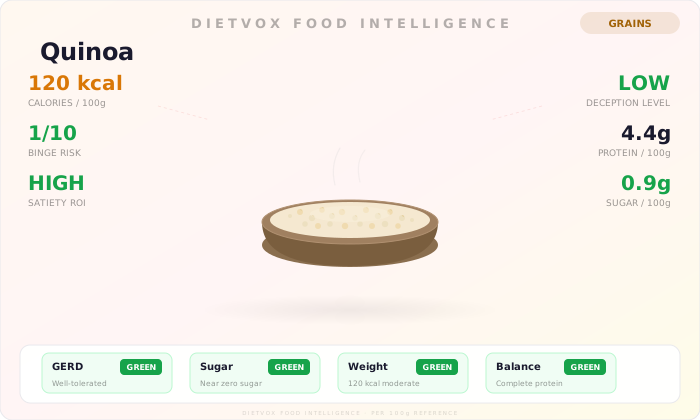
Quinoa
Quinoa is AMBER in the DietVox Weight Loss profile for the plain prepared Quinoa serving described on this page. The portion and the wider eating pattern determine how the food fits an individual plan.
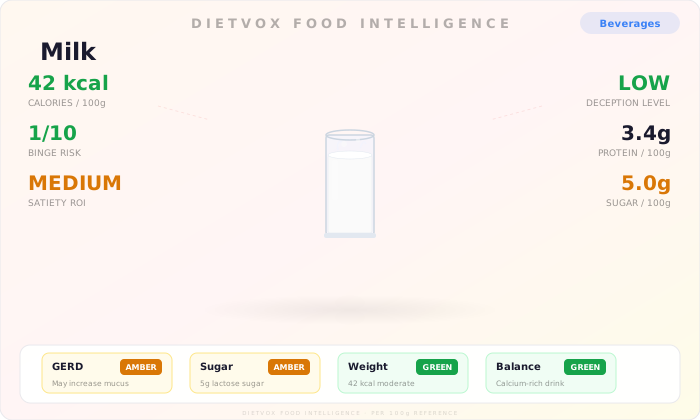
Milk
Milk is AMBER in the DietVox Weight Loss profile for the labelled or measured Milk drink described on this page. The portion and the wider eating pattern determine how the food fits an individual plan.
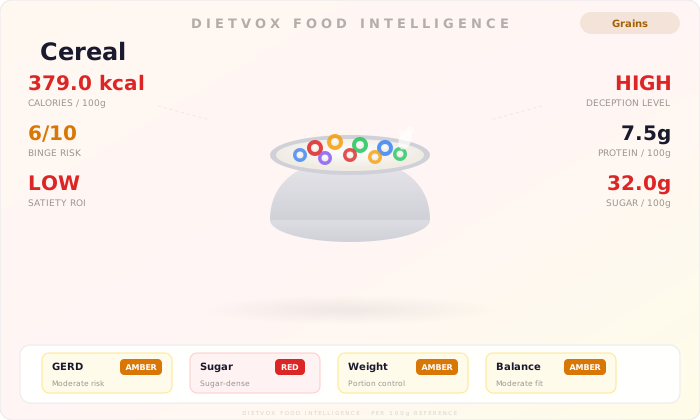
Cereal
Cereal is AMBER in the DietVox Weight Loss profile for the plain prepared Cereal serving described on this page. The portion and the wider eating pattern determine how the food fits an individual plan.
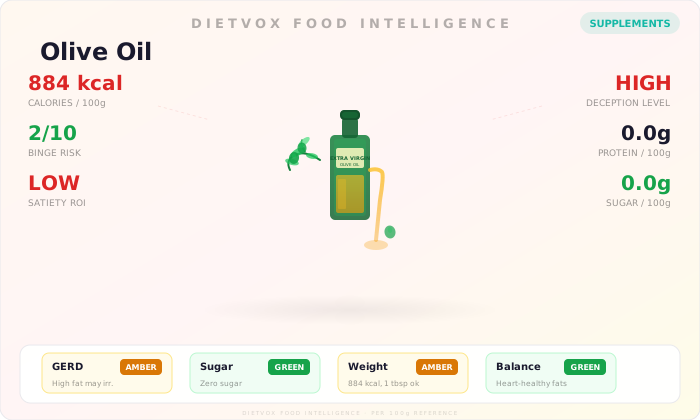
Olive Oil
Olive Oil is AMBER in the DietVox Weight Loss profile for the exact Olive Oil food or product form described on this page. The portion and the wider eating pattern determine how the food fits an individual plan.
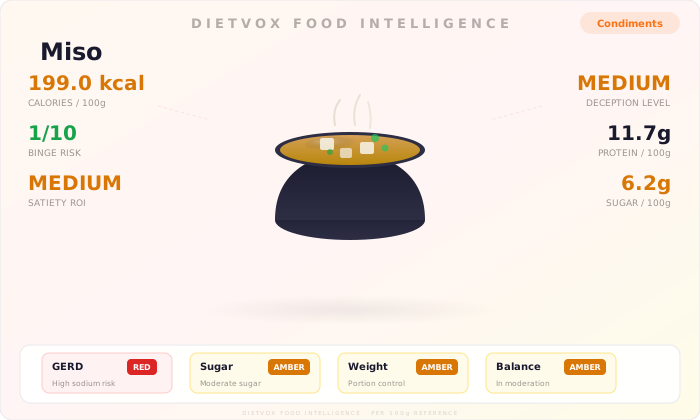
Miso
Miso is AMBER in the DietVox Weight Loss profile for the labelled serving of Miso described on this page. The portion and the wider eating pattern determine how the food fits an individual plan.
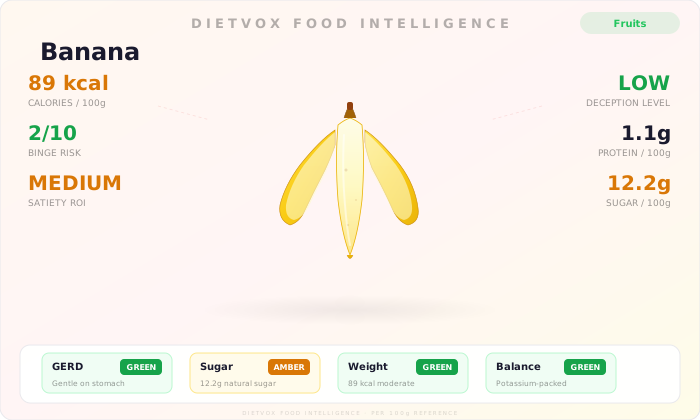
Banana
Banana is AMBER in the DietVox Weight Loss profile for plain, whole Banana. The portion and the wider eating pattern determine how the food fits an individual plan.
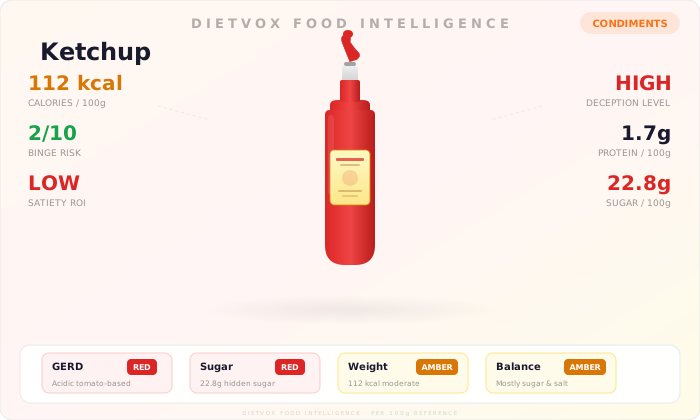
Ketchup
Ketchup is AMBER in the DietVox Weight Loss profile for the labelled serving of Ketchup described on this page. The portion and the wider eating pattern determine how the food fits an individual plan.
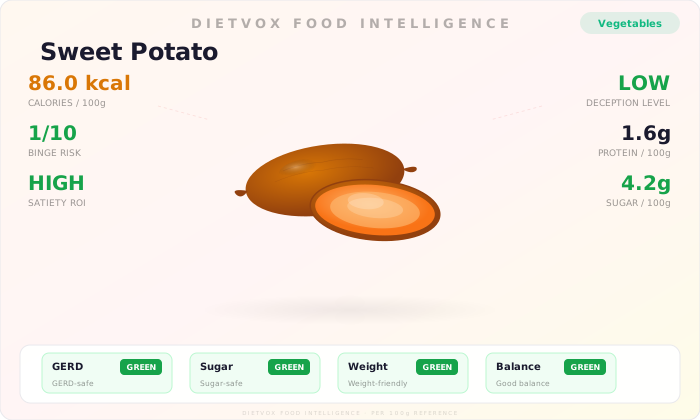
Sweet Potato
Sweet Potato is AMBER in the DietVox Weight Loss profile for plain raw, steamed, boiled or otherwise simply prepared Sweet Potato. The portion and the wider eating pattern determine how the food fits an individual plan.
Foods to Avoid for Weight Loss (RED-Rated)
These foods combine high caloric density with low satiety — the worst combination for weight management.
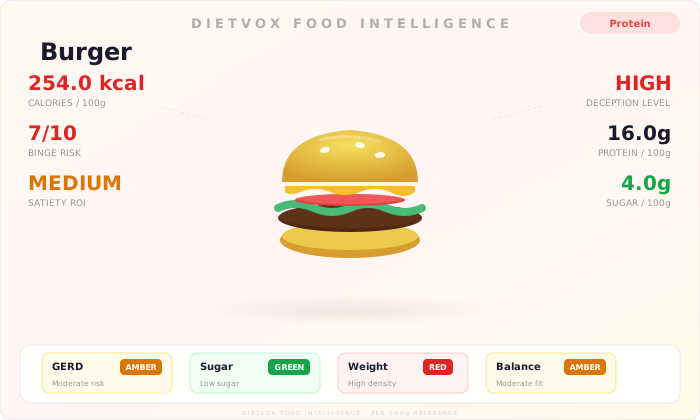
Burger
Burger is RED in the DietVox Weight Loss profile for the plain prepared Burger serving described on this page. The portion and the wider eating pattern determine how the food fits an individual plan.
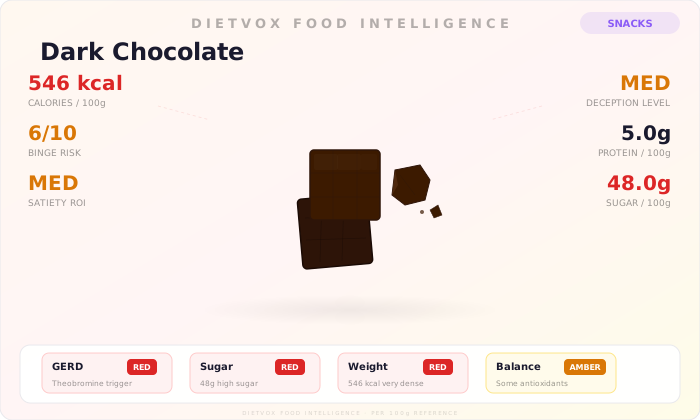
Dark Chocolate
Dark Chocolate is RED in the DietVox Weight Loss profile for the labelled serving of Dark Chocolate described on this page. The portion and the wider eating pattern determine how the food fits an individual plan.
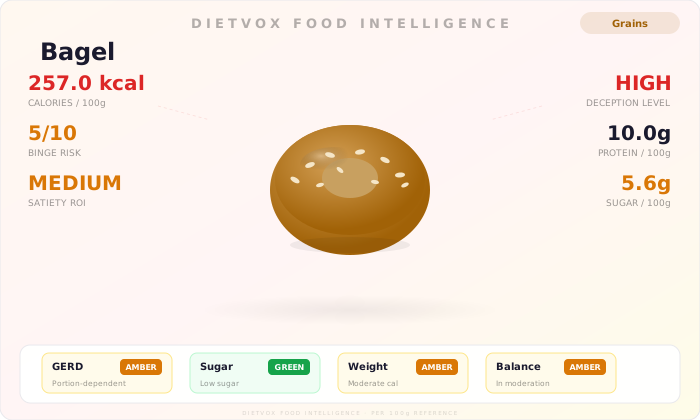
Bagel
Bagel is RED in the DietVox Weight Loss profile for the plain prepared Bagel serving described on this page. The portion and the wider eating pattern determine how the food fits an individual plan.
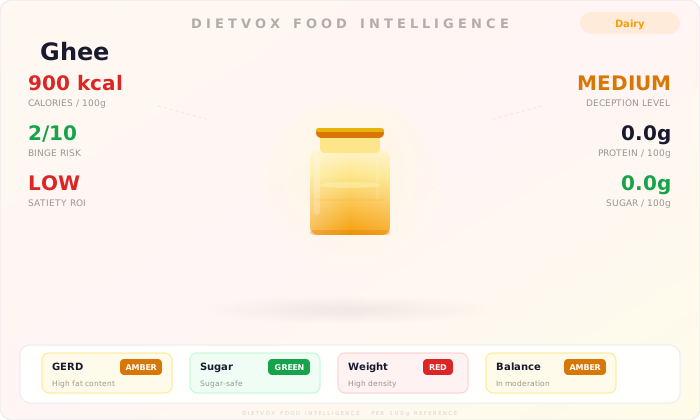
Ghee
Ghee is RED in the DietVox Weight Loss profile for the plain labelled Ghee product described on this page. The portion and the wider eating pattern determine how the food fits an individual plan.
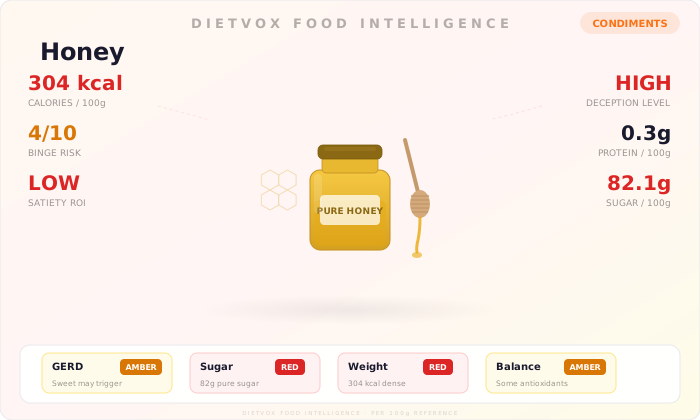
Honey
Honey is RED in the DietVox Weight Loss profile for the labelled serving of Honey described on this page. The portion and the wider eating pattern determine how the food fits an individual plan.
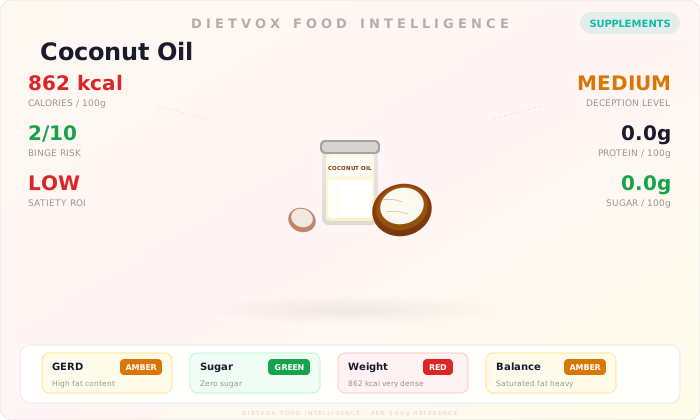
Coconut Oil
Coconut Oil is RED in the DietVox Weight Loss profile for the exact Coconut Oil food or product form described on this page. The portion and the wider eating pattern determine how the food fits an individual plan.
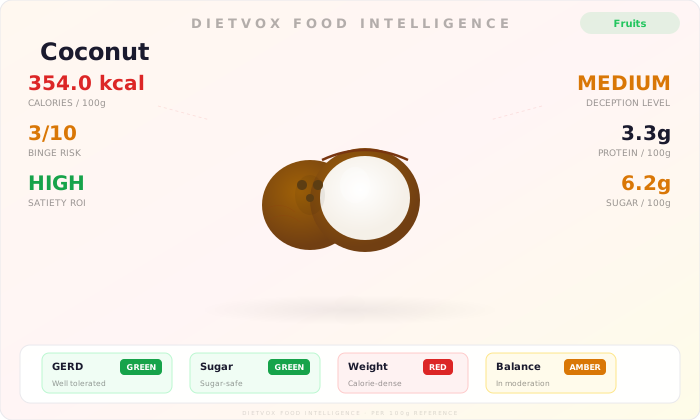
Coconut
Coconut is RED in the DietVox Weight Loss profile for plain, whole Coconut. The portion and the wider eating pattern determine how the food fits an individual plan.
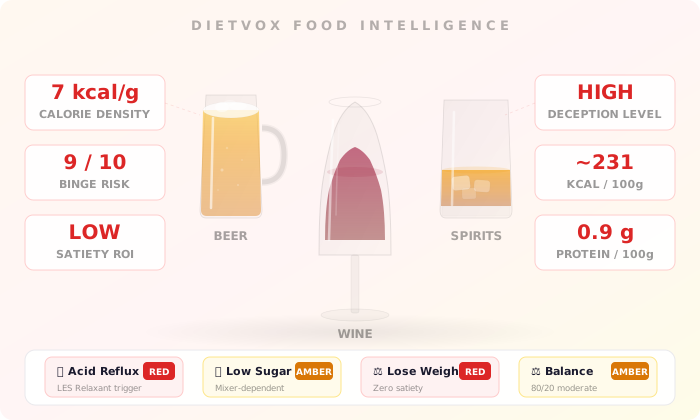
Alcohol
Alcohol is RED in the DietVox Weight Loss profile for the labelled or measured Alcohol drink described on this page. The portion and the wider eating pattern determine how the food fits an individual plan.
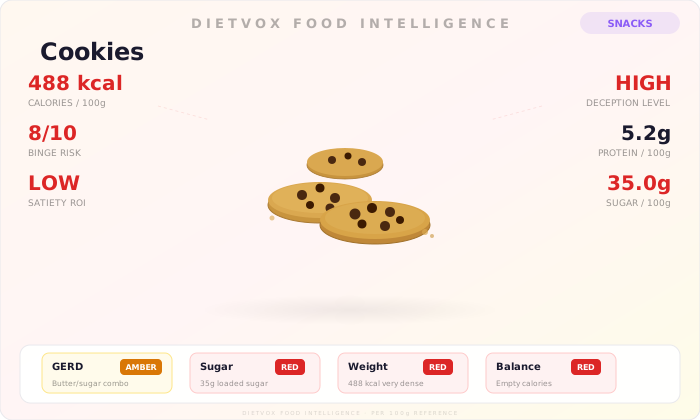
Cookies
Cookies is RED in the DietVox Weight Loss profile for the labelled serving of Cookies described on this page. The portion and the wider eating pattern determine how the food fits an individual plan.
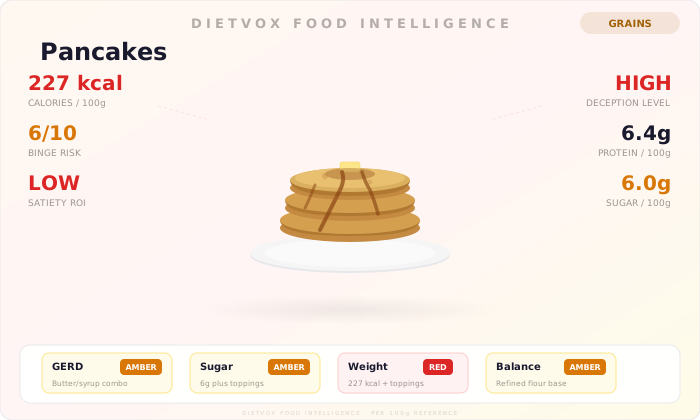
Pancakes
Pancakes is RED in the DietVox Weight Loss profile for the plain prepared Pancakes serving described on this page. The portion and the wider eating pattern determine how the food fits an individual plan.
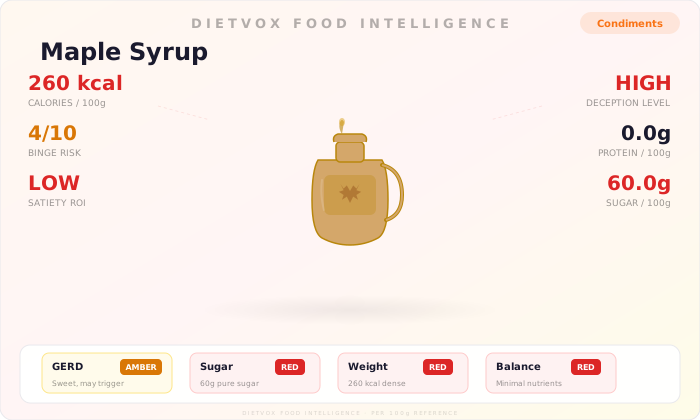
Maple Syrup
Maple Syrup is RED in the DietVox Weight Loss profile for the labelled serving of Maple Syrup described on this page. The portion and the wider eating pattern determine how the food fits an individual plan.
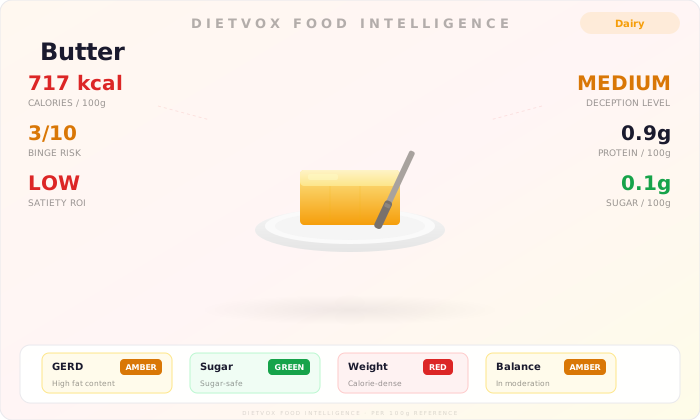
Butter
Butter is RED in the DietVox Weight Loss profile for the plain labelled Butter product described on this page. The portion and the wider eating pattern determine how the food fits an individual plan.
These are just the highlights. The app rates every food you eat.
Scan any food, get an instant RED / AMBER / GREEN rating for weight loss.
Try It Free →How DietVox Approaches Weight Loss
Calorie counting alone is exhausting and misses the bigger picture. A 200-calorie serving of boiled potatoes will keep you full for hours. A 200-calorie serving of crisps will have you reaching for more in 20 minutes. Same calories, completely different outcomes.
DietVox evaluates foods for weight loss across multiple dimensions — not just calories, but how filling a food is, how processed it is, and whether the scientific evidence actually supports what you'd expect. This is why nuts get a different rating than their calorie count alone would suggest, and why a thick homemade soup rates differently from a sugary drink with similar calories.
We rate what the evidence shows, not what the calorie label implies.
Practical Tips
- Build meals around vegetables and lean protein. Fill half your plate with vegetables, a quarter with lean protein, and the remainder with whole grains. This simple template naturally manages caloric density without counting.
- Eat your calories — don't drink them. Swap juice for whole fruit, soda for water, and sweetened coffee for black. Liquid calorie elimination is often the single highest-impact change.
- Don't fear whole foods because of their calorie count. Nuts, avocado, olive oil, and eggs are all calorie-dense but support weight loss through satiety and nutritional quality. Fear the ultra-processed foods, not the whole ones.
- Front-load protein. Higher protein intake (especially at breakfast) consistently reduces total daily calorie consumption. Protein is the most satiating macronutrient.
- Watch preparation methods. Grilled chicken breast is GREEN; fried chicken is RED. Baked potato is GREEN; chips are RED. How you cook food often matters more than which food you choose.
Frequently Asked Questions
Are nuts fattening?
Despite being calorie-dense, extensive research shows nuts don't cause weight gain when eaten as part of a regular diet. The fibre, protein, and fat in nuts create strong satiety, and your body doesn't absorb all the available calories due to the physical structure of the nut. DietVox rates nuts as AMBER — beneficial but calorie-aware.
Is it better to count calories or focus on food quality?
Both matter, but food quality may be more sustainable. Foods with low caloric density and high satiety (vegetables, lean proteins, whole fruits) naturally regulate calorie intake without the mental burden of counting. Ultra-processed foods undermine calorie control regardless of awareness. DietVox's approach focuses on food quality rather than counting.
Can I eat carbs and still lose weight?
Yes. Potatoes, rice, oats, beans, and whole grains are all compatible with weight loss. The issue is caloric density and preparation — boiled potatoes are GREEN, chips are RED. Whole grain bread is AMBER, a croissant is RED. Carbs aren't the enemy; ultra-processing and frying are.
Why do I always feel hungry on a diet?
Usually because of food choice, not portion size. Meals built around low-density, high-satiety foods (vegetables, lean proteins, legumes) keep you genuinely full on fewer calories. Meals built around calorie-dense, low-satiety foods (processed snacks, refined carbs, sugary drinks) leave you hungry regardless of calories consumed.
Is exercise or diet more important for weight loss?
Diet has a much larger impact on the energy balance equation. Exercise is essential for health, muscle maintenance, and well-being, but it's very difficult to outrun a poor diet. A single fast food meal can contain more calories than an hour of intense exercise burns.
What foods should I avoid for weight loss?
Many 'healthy' foods are surprisingly calorie-dense. Granola (471 kcal/100g), coconut (354 kcal/100g), and honey (304 kcal/100g) are commonly overconsumed because they are perceived as healthy choices. DietVox rates every food for weight loss based on calorie density, satiety return, and portion deception risk. RED-rated foods are not banned — but they require careful portion control. See our complete list of RED-rated foods above, or scan any food with DietVox for an instant weight loss safety rating.
Want instant ratings for any food? Try DietVox free