What Is Acid Reflux (GERD)?
Acid reflux happens when stomach acid flows back into the oesophagus — the tube connecting your mouth to your stomach. If it happens frequently, it's called gastroesophageal reflux disease, or GERD. That burning sensation behind your breastbone, the sour taste that creeps up after meals, the persistent cough that won't shift — over 20% of adults in Western countries experience these symptoms regularly.
The lower oesophageal sphincter (LES) is meant to act as a one-way valve, closing after food passes through. When this valve weakens or relaxes at the wrong time, acid escapes upward. Certain foods can trigger this directly — either by relaxing the valve, irritating the lining, or keeping the stomach full for too long.
The good news: dietary management is one of the most effective non-pharmaceutical approaches to controlling reflux. The challenge is knowing which foods to trust — and which ones are quietly making things worse.
Surprising Facts
Decaf isn't safe — it's just safer.
Most people assume switching to decaf solves the coffee problem. It reduces one mechanism (caffeine's valve-relaxing effect) but leaves others intact. DietVox rates decaf as AMBER, not GREEN — there's still risk.
Dark chocolate is no better than milk chocolate for reflux.
The trigger compound (theobromine) is present in all chocolate — and actually in higher concentrations in darker varieties. The health halo doesn't apply here.
Peppermint tea is worse than black tea for GERD.
It sounds counterintuitive: herbal tea worse than caffeinated? But menthol is a direct sphincter relaxant. Chamomile or ginger tea are far better choices.
Best Foods for Acid Reflux (GREEN-Rated)
These foods are generally well-tolerated by people with GERD and unlikely to trigger reflux symptoms.
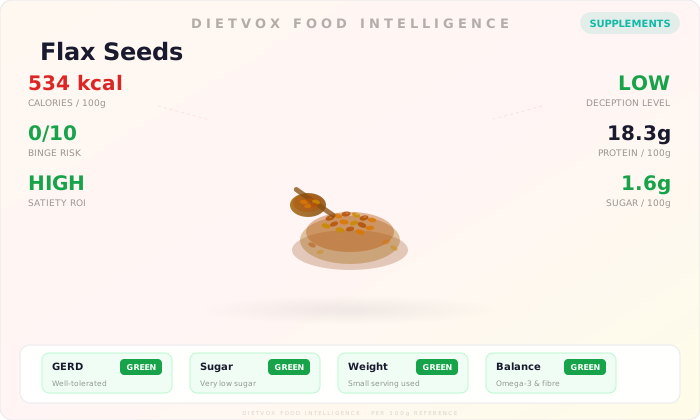
Flax Seeds
Flax Seeds is GREEN in the DietVox Acid Reflux profile for the exact Flax Seeds food or product form described on this page. Personal symptom triggers and the complete preparation can differ.
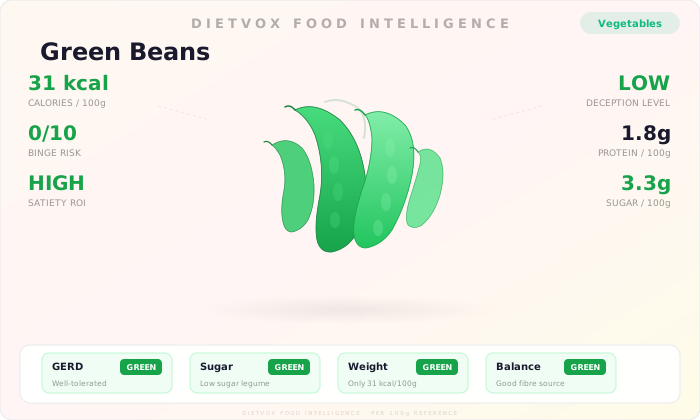
Green Beans
Green Beans is GREEN in the DietVox Acid Reflux profile for plain raw, steamed, boiled or otherwise simply prepared Green Beans. Personal symptom triggers and the complete preparation can differ.
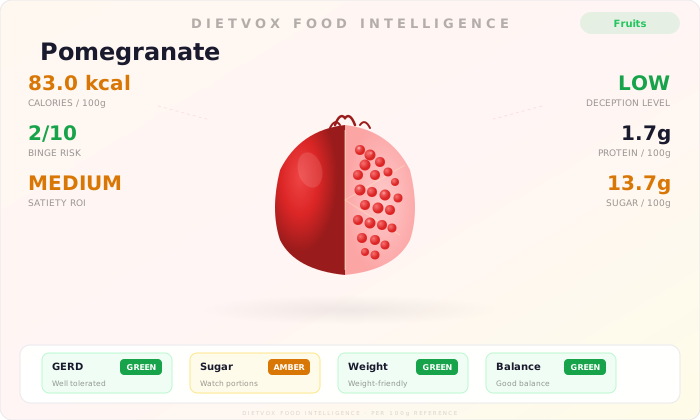
Pomegranate
Pomegranate is GREEN in the DietVox Acid Reflux profile for plain, whole Pomegranate. Personal symptom triggers and the complete preparation can differ.
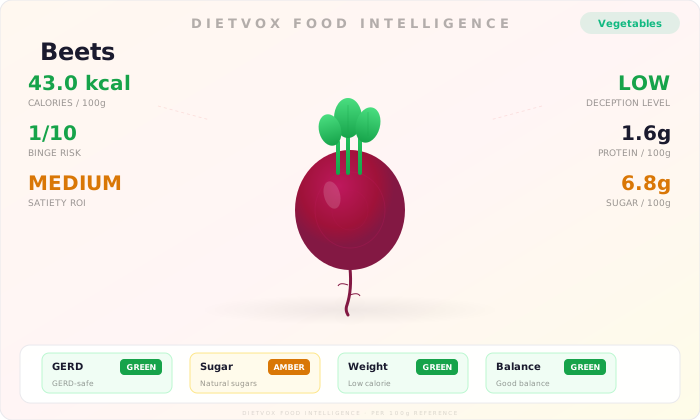
Beets
Beets is GREEN in the DietVox Acid Reflux profile for plain raw, steamed, boiled or otherwise simply prepared Beets. Personal symptom triggers and the complete preparation can differ.
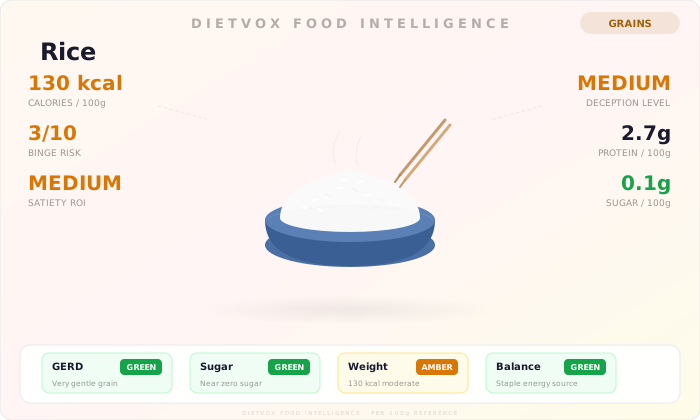
Rice
Rice is GREEN in the DietVox Acid Reflux profile for the plain prepared Rice serving described on this page. Personal symptom triggers and the complete preparation can differ.
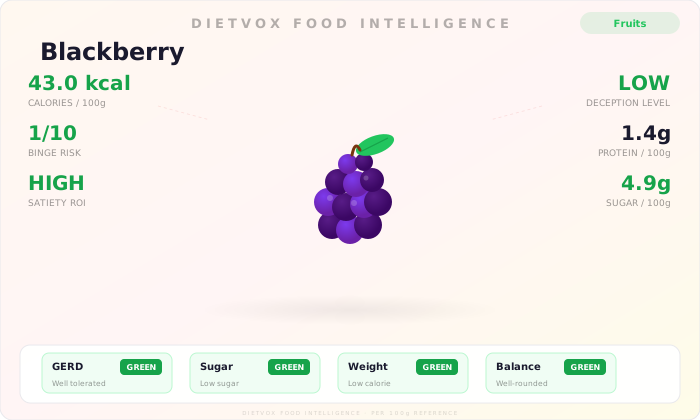
Blackberry
Blackberry is GREEN in the DietVox Acid Reflux profile for plain, whole Blackberry. Personal symptom triggers and the complete preparation can differ.
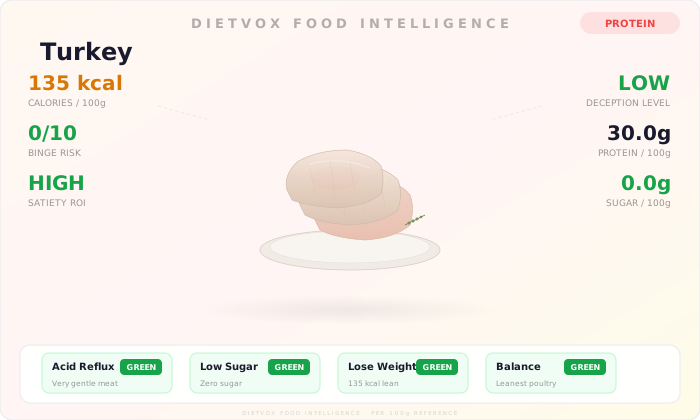
Turkey
Turkey is GREEN in the DietVox Acid Reflux profile for the plain prepared Turkey serving described on this page. Personal symptom triggers and the complete preparation can differ.
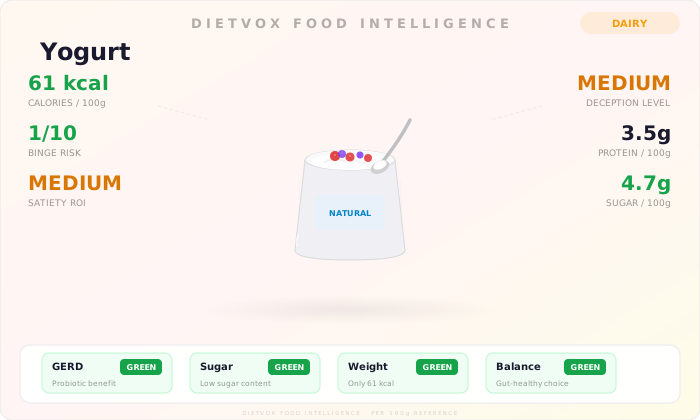
Yogurt
Yogurt is GREEN in the DietVox Acid Reflux profile for the plain labelled Yogurt product described on this page. Personal symptom triggers and the complete preparation can differ.
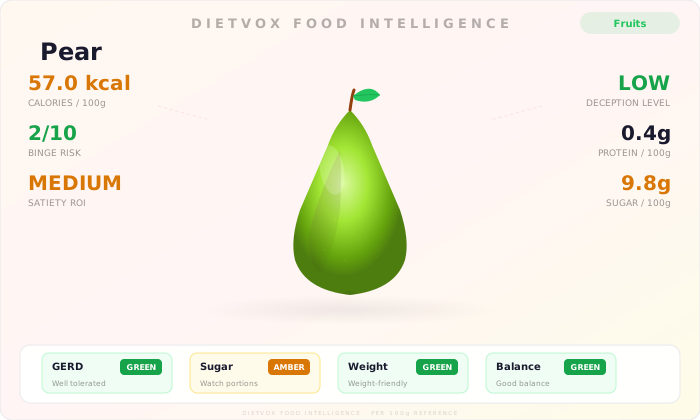
Pear
Pear is GREEN in the DietVox Acid Reflux profile for plain, whole Pear. Personal symptom triggers and the complete preparation can differ.
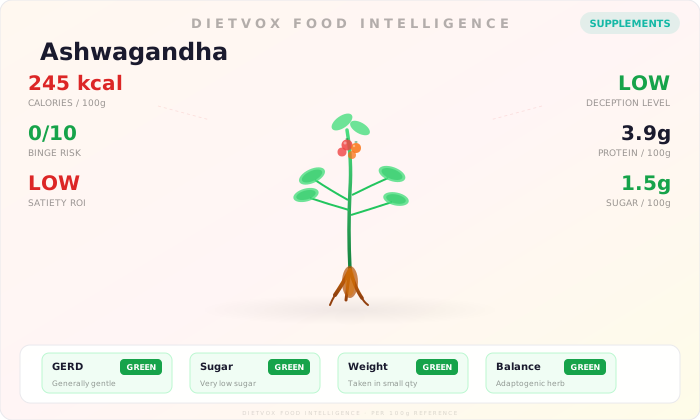
Ashwagandha
Ashwagandha is GREEN in the DietVox Acid Reflux profile for the exact Ashwagandha food or product form described on this page. Personal symptom triggers and the complete preparation can differ.
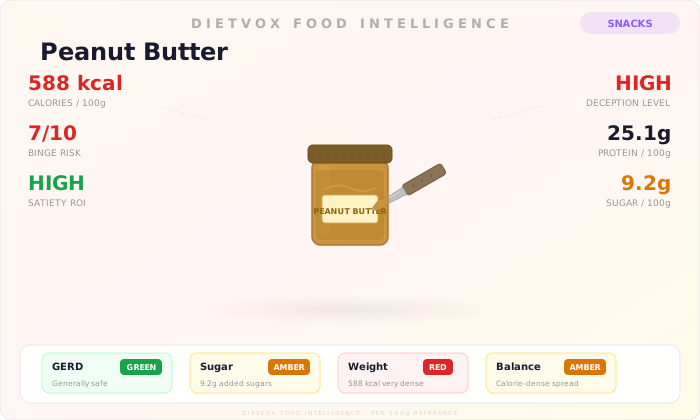
Peanut Butter
Peanut Butter is GREEN in the DietVox Acid Reflux profile for the labelled serving of Peanut Butter described on this page. Personal symptom triggers and the complete preparation can differ.
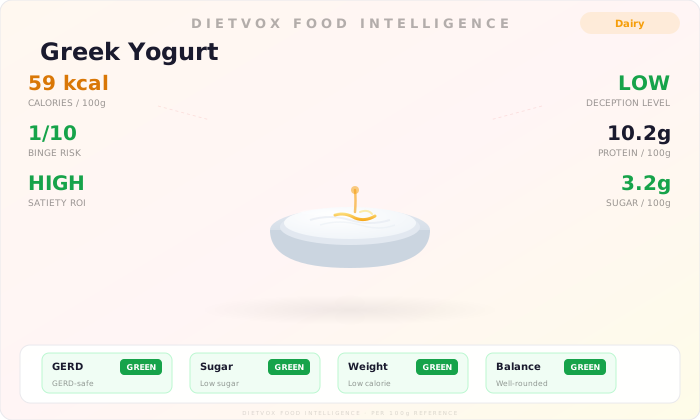
Greek Yogurt
Greek Yogurt is GREEN in the DietVox Acid Reflux profile for the plain labelled Greek Yogurt product described on this page. Personal symptom triggers and the complete preparation can differ.
Foods to Watch with GERD (AMBER-Rated)
These foods aren't automatic triggers, but they can cause problems depending on preparation, portion size, or individual sensitivity.
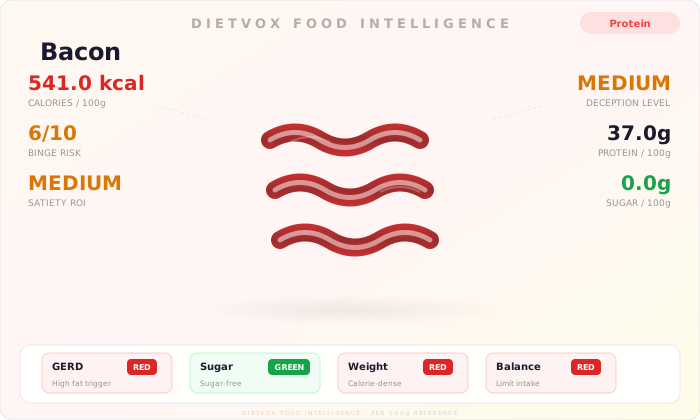
Bacon
Under DietVox GERD v4, bacon is rated AMBER as a dose-dependent high-fat, greasy food. Larger portions or especially greasy preparations may warrant a RED result; individual tolerance varies.
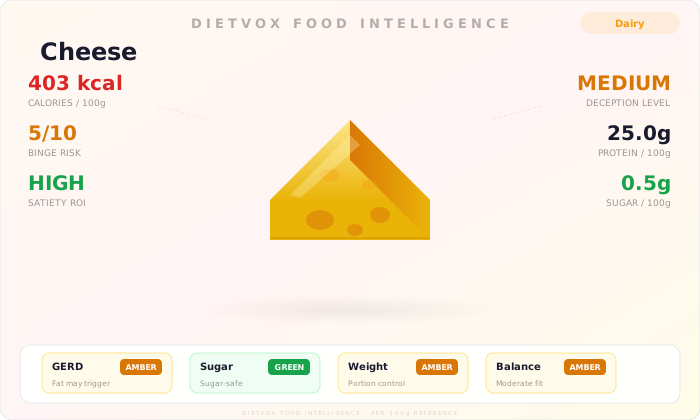
Cheese
Cheese is AMBER in the DietVox Acid Reflux profile for the plain labelled Cheese product described on this page. Personal symptom triggers and the complete preparation can differ.
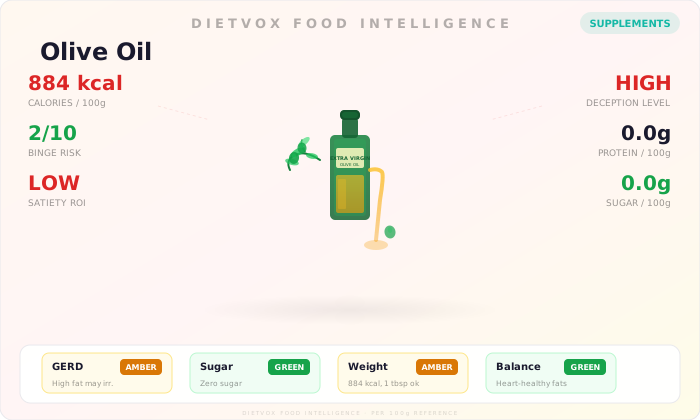
Olive Oil
Olive Oil is AMBER in the DietVox Acid Reflux profile for the exact Olive Oil food or product form described on this page. Personal symptom triggers and the complete preparation can differ.
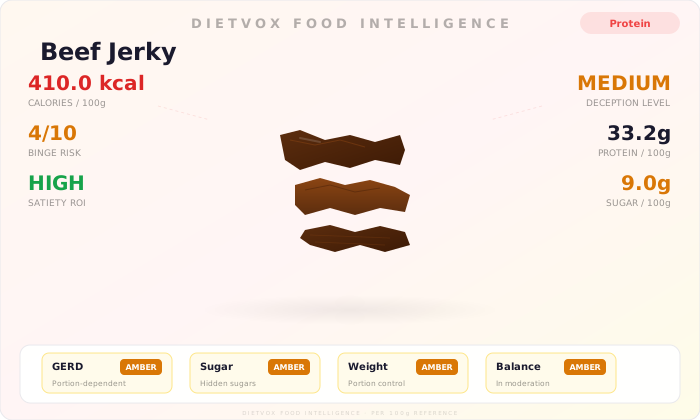
Beef Jerky
Beef Jerky is AMBER in the DietVox Acid Reflux profile for the plain prepared Beef Jerky serving described on this page. Personal symptom triggers and the complete preparation can differ.
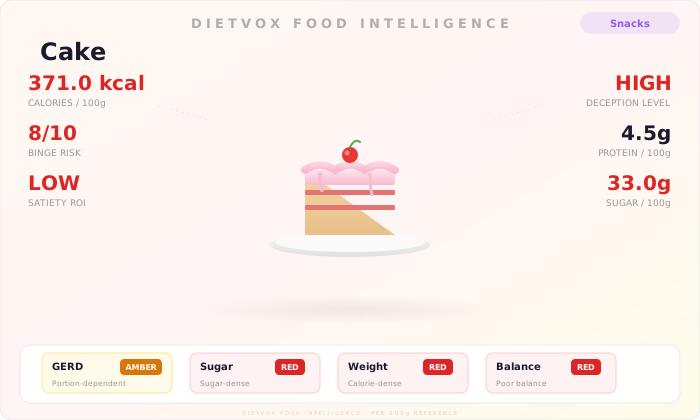
Cake
Cake is AMBER in the DietVox Acid Reflux profile for the labelled serving of Cake described on this page. Personal symptom triggers and the complete preparation can differ.
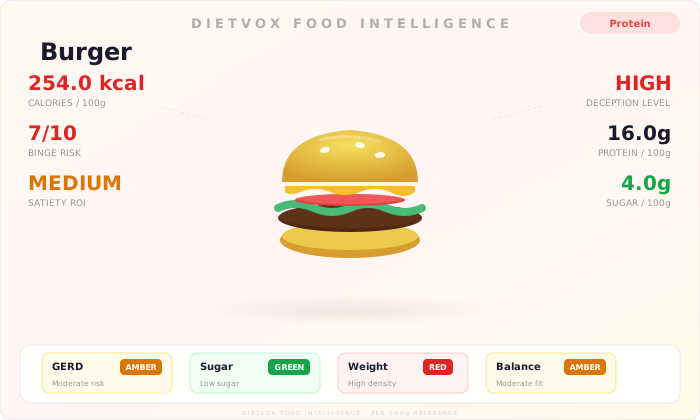
Burger
Burger is AMBER in the DietVox Acid Reflux profile for the plain prepared Burger serving described on this page. Personal symptom triggers and the complete preparation can differ.
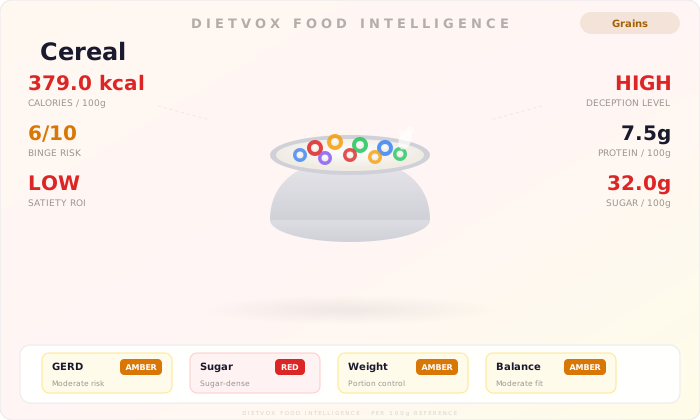
Cereal
Cereal is AMBER in the DietVox Acid Reflux profile for the plain prepared Cereal serving described on this page. Personal symptom triggers and the complete preparation can differ.
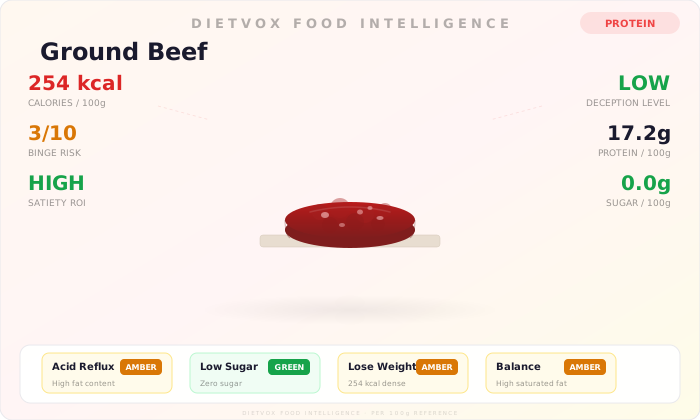
Ground Beef
Ground Beef is AMBER in the DietVox Acid Reflux profile for the plain prepared Ground Beef serving described on this page. Personal symptom triggers and the complete preparation can differ.
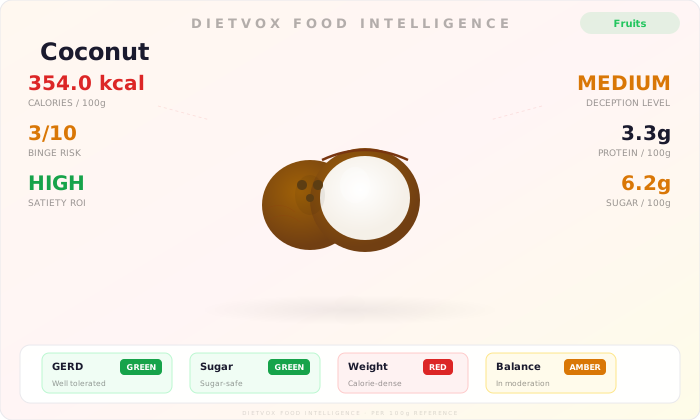
Coconut
Coconut is AMBER in the DietVox Acid Reflux profile for plain, whole Coconut. Personal symptom triggers and the complete preparation can differ.
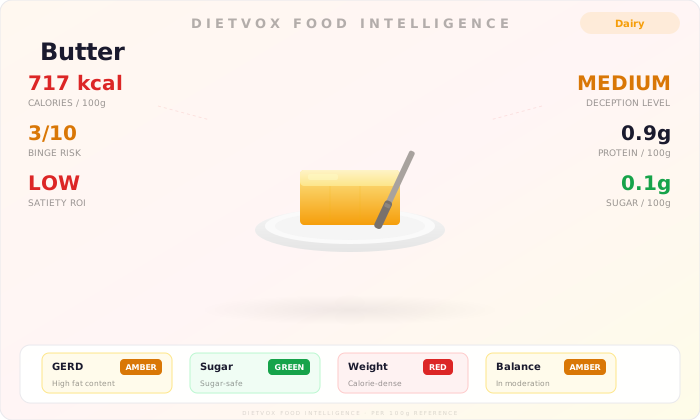
Butter
Butter is AMBER in the DietVox Acid Reflux profile for the plain labelled Butter product described on this page. Personal symptom triggers and the complete preparation can differ.
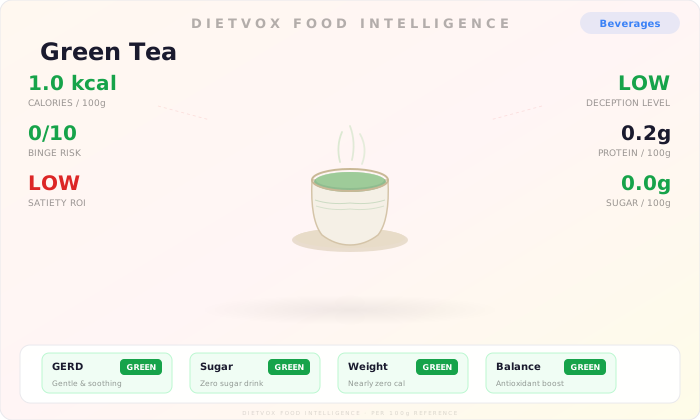
Green Tea
Green Tea is AMBER in the DietVox Acid Reflux profile for the labelled or measured Green Tea drink described on this page. Personal symptom triggers and the complete preparation can differ.
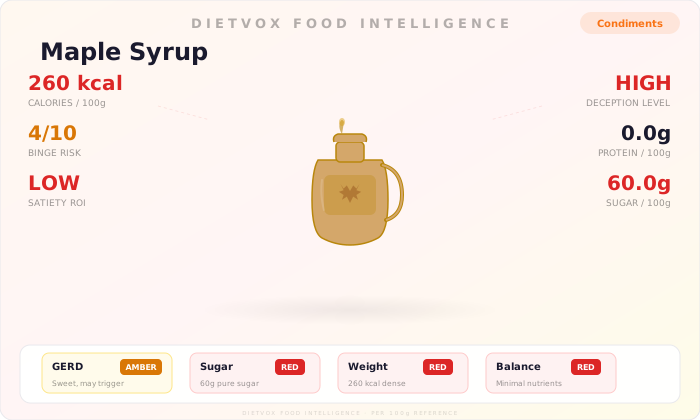
Maple Syrup
Maple Syrup is AMBER in the DietVox Acid Reflux profile for the labelled serving of Maple Syrup described on this page. Personal symptom triggers and the complete preparation can differ.
Foods to Avoid with Acid Reflux (RED-Rated)
These foods are known to trigger or worsen acid reflux through well-established mechanisms.
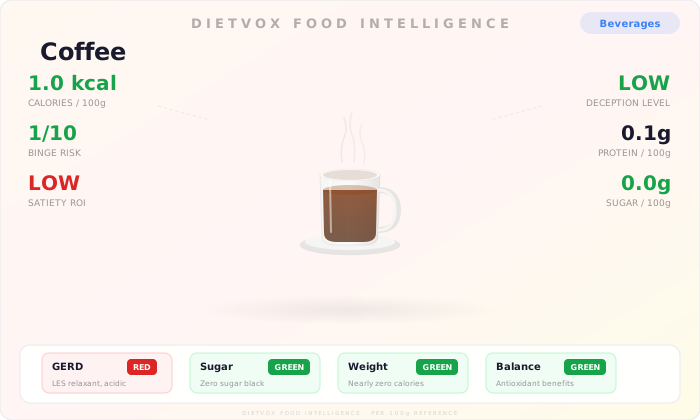
Coffee
Coffee is RED in the DietVox Acid Reflux profile for the labelled or measured Coffee drink described on this page. Personal symptom triggers and the complete preparation can differ.
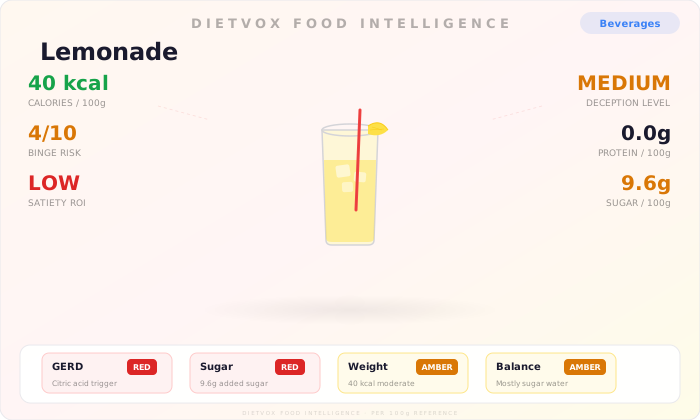
Lemonade
Lemonade is RED in the DietVox Acid Reflux profile for the labelled or measured Lemonade drink described on this page. Personal symptom triggers and the complete preparation can differ.
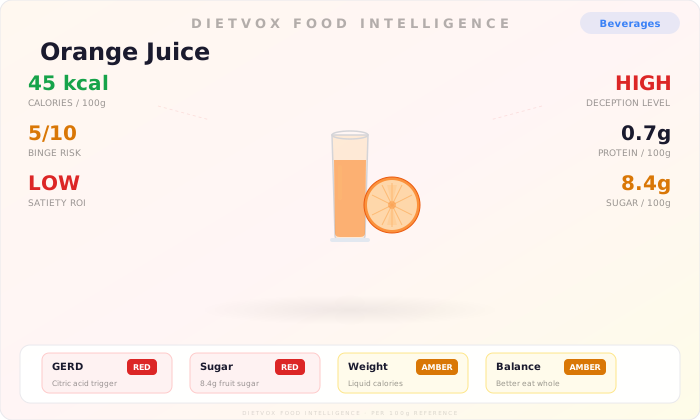
Orange Juice
Orange Juice is RED in the DietVox Acid Reflux profile for the labelled or measured Orange Juice drink described on this page. Personal symptom triggers and the complete preparation can differ.
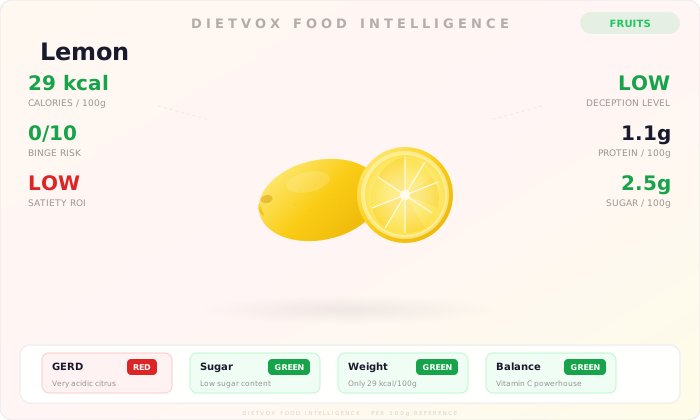
Lemon
Lemon is RED in the DietVox Acid Reflux profile for plain, whole Lemon. Personal symptom triggers and the complete preparation can differ.
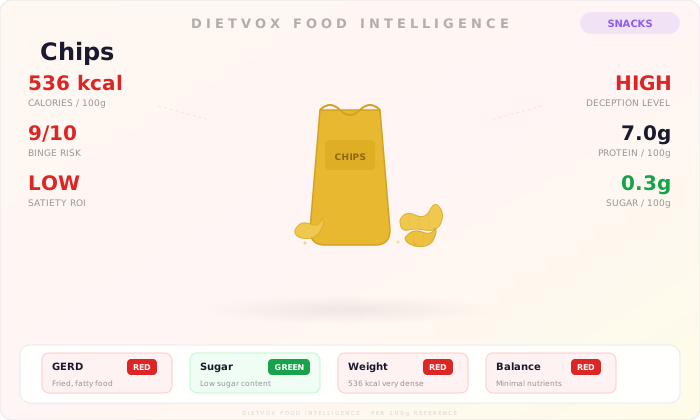
Chips
Chips is RED in the DietVox Acid Reflux profile for the labelled serving of Chips described on this page. Personal symptom triggers and the complete preparation can differ.
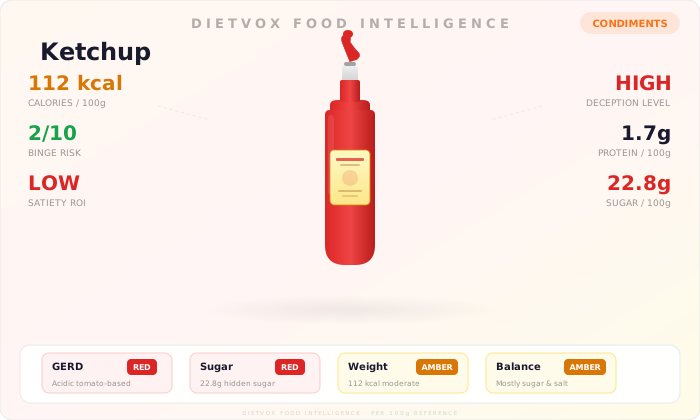
Ketchup
Ketchup is RED in the DietVox Acid Reflux profile for the labelled serving of Ketchup described on this page. Personal symptom triggers and the complete preparation can differ.
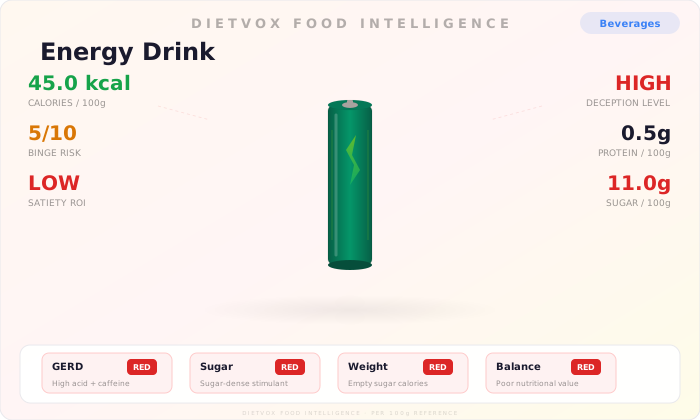
Energy Drink
Energy Drink is RED in the DietVox Acid Reflux profile for the labelled or measured Energy Drink drink described on this page. Personal symptom triggers and the complete preparation can differ.
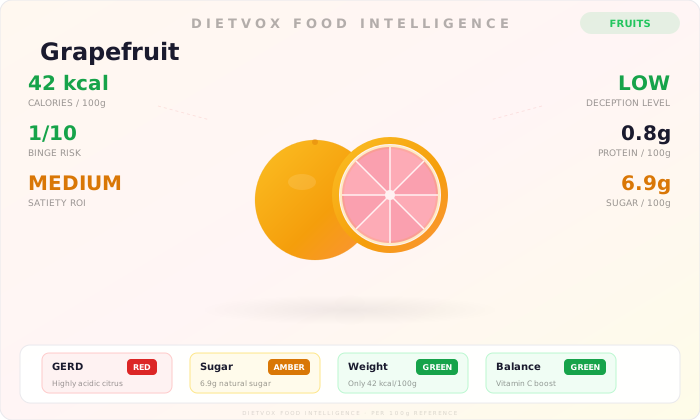
Grapefruit
Grapefruit is RED in the DietVox Acid Reflux profile for plain, whole Grapefruit. Personal symptom triggers and the complete preparation can differ.
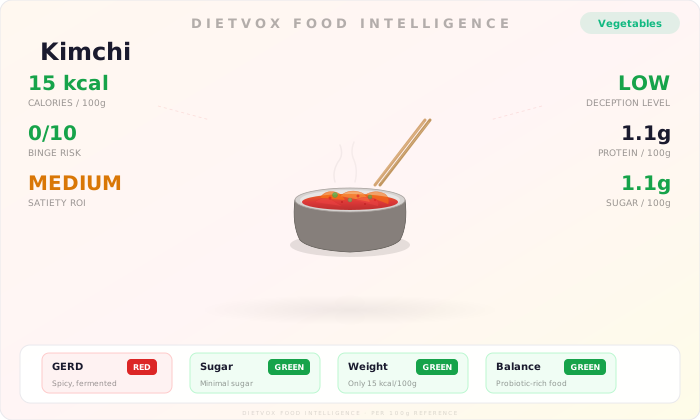
Kimchi
Kimchi is RED in the DietVox Acid Reflux profile for plain raw, steamed, boiled or otherwise simply prepared Kimchi. Personal symptom triggers and the complete preparation can differ.
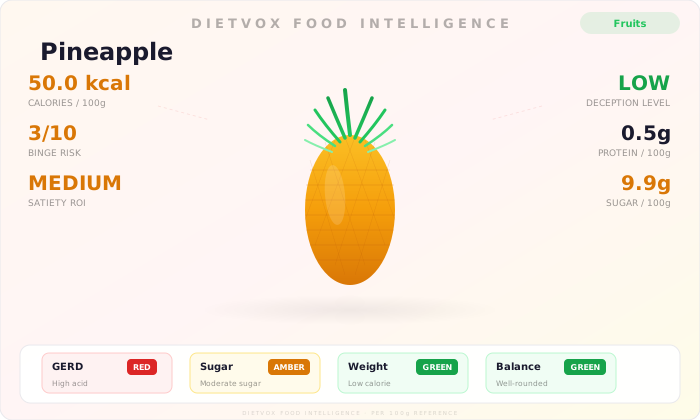
Pineapple
Pineapple is RED in the DietVox Acid Reflux profile for plain, whole Pineapple. Personal symptom triggers and the complete preparation can differ.
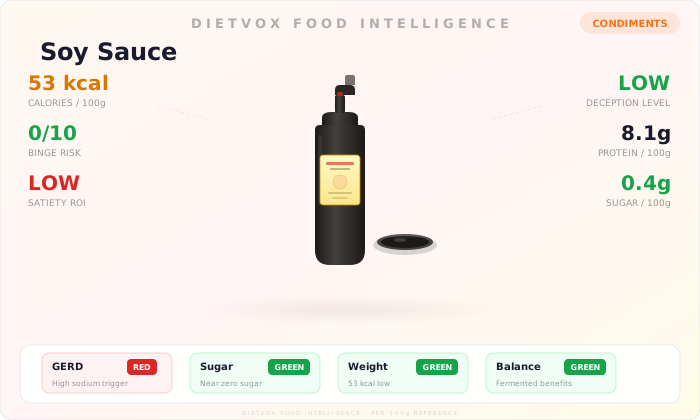
Soy Sauce
Soy Sauce is RED in the DietVox Acid Reflux profile for the labelled serving of Soy Sauce described on this page. Personal symptom triggers and the complete preparation can differ.
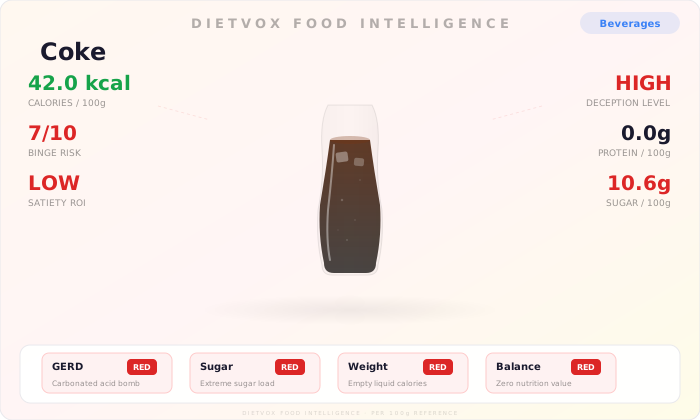
Coke (Coca-Cola)
Coke (Coca-Cola) is RED in the DietVox Acid Reflux profile for the labelled or measured Coke (Coca-Cola) drink described on this page. Personal symptom triggers and the complete preparation can differ.
These are just the highlights. The app rates every food you eat.
Scan any food, get an instant RED / AMBER / GREEN rating for acid reflux.
Try It Free →How DietVox Approaches Acid Reflux
Most GERD food lists online give you a flat "avoid" list — tomatoes, coffee, chocolate, done. But reflux is far more nuanced than that. A food might relax the oesophageal valve through one mechanism, irritate the stomach lining through another, or delay digestion in a way that keeps pressure building. Some foods combine multiple mechanisms at once.
DietVox analyses foods across several mechanistic dimensions — not just whether something is "acidic" or not. Every food in our database receives a RED, AMBER, or GREEN rating for acid reflux based on how its specific compounds interact with your digestive system. The result is a rating that captures what generic food lists miss: the difference between a coffee (multiple mechanisms working against you) and a chamomile tea (actively soothing).
This isn't a simple lookup table — it's food intelligence built on gastroenterological research.
Practical Tips
- Timing matters as much as food choice. Eating within 3 hours of bedtime dramatically increases reflux risk — gravity can no longer help keep acid down. Try to have your last meal by early evening.
- Smaller portions reduce pressure. Large meals distend the stomach, pushing acid upward. Five smaller meals often work better than three large ones.
- Don't just avoid triggers — add soothing foods. Ginger, oatmeal, and alkaline vegetables can actively calm your digestive system, not just avoid irritating it.
- Track your personal triggers. While the common triggers apply to most people, individual tolerance varies. Some people handle moderate spice fine but react badly to garlic. Systematic tracking reveals your specific pattern.
- Preparation changes everything. The same chicken breast is GREEN when grilled and AMBER when fried. How food is prepared often matters as much as which food it is.
Frequently Asked Questions
Is acid reflux the same as heartburn?
Heartburn is a symptom — the burning sensation in your chest. Acid reflux is the underlying condition causing it: stomach acid flowing back into the oesophagus. GERD is the chronic version, diagnosed when acid reflux occurs frequently (typically twice a week or more). You can have acid reflux without heartburn, manifesting as a chronic cough, hoarseness, or difficulty swallowing.
Can I ever drink coffee with acid reflux?
Regular coffee is one of the strongest triggers due to multiple mechanisms working simultaneously. If you can't give it up entirely, cold brew has somewhat lower acidity, and adding milk can buffer the effect slightly. Decaf removes the caffeine component but isn't completely neutral. DietVox rates regular coffee as RED and decaf as AMBER.
Are all fruits bad for acid reflux?
Not at all. Citrus fruits (oranges, grapefruit, lemons) are problematic due to their high acidity, but many fruits are perfectly safe. Bananas, melons, apples, and pears are generally well-tolerated. The key distinction is acidity level, not whether something is a fruit.
Does milk help with acid reflux?
This is a common myth. Milk may temporarily soothe the burning sensation, but it can stimulate the stomach to produce more acid shortly after. Full-fat milk is particularly problematic because the fat delays stomach emptying. If you enjoy dairy, low-fat yogurt is a better option.
How long does it take for dietary changes to reduce GERD symptoms?
Most people notice improvement within 2-4 weeks of consistent dietary changes. Avoiding the strongest triggers (coffee, alcohol, tomatoes, chocolate) tends to have the most immediate impact. Full improvement may take several months as the oesophageal lining heals.
What foods trigger acid reflux?
Common acid reflux triggers include coffee, chocolate, citrus fruits, tomatoes, alcohol, carbonated drinks, and spicy or fatty foods. These work through different mechanisms — some relax the oesophageal valve, others increase stomach acid production, and some irritate the lining directly. DietVox rates every food based on its specific trigger mechanisms, not just a generic 'avoid' list. See our complete RED-rated foods list above, or scan any food with the DietVox app for an instant GERD safety rating.
What is the best diet for acid reflux?
The best acid reflux diet focuses on foods that do not relax the lower oesophageal sphincter or irritate the stomach lining. DietVox rates every food GREEN, AMBER, or RED for acid reflux based on clinical evidence. GREEN-rated foods like oatmeal, bananas, and leafy greens are generally safe. RED-rated foods like coffee, chocolate, and citrus should be limited. An effective GERD diet also involves eating smaller meals, avoiding food within 3 hours of bedtime, and tracking which specific foods trigger your symptoms.
Want instant ratings for any food? Try DietVox free