DietVox Rating: GREEN

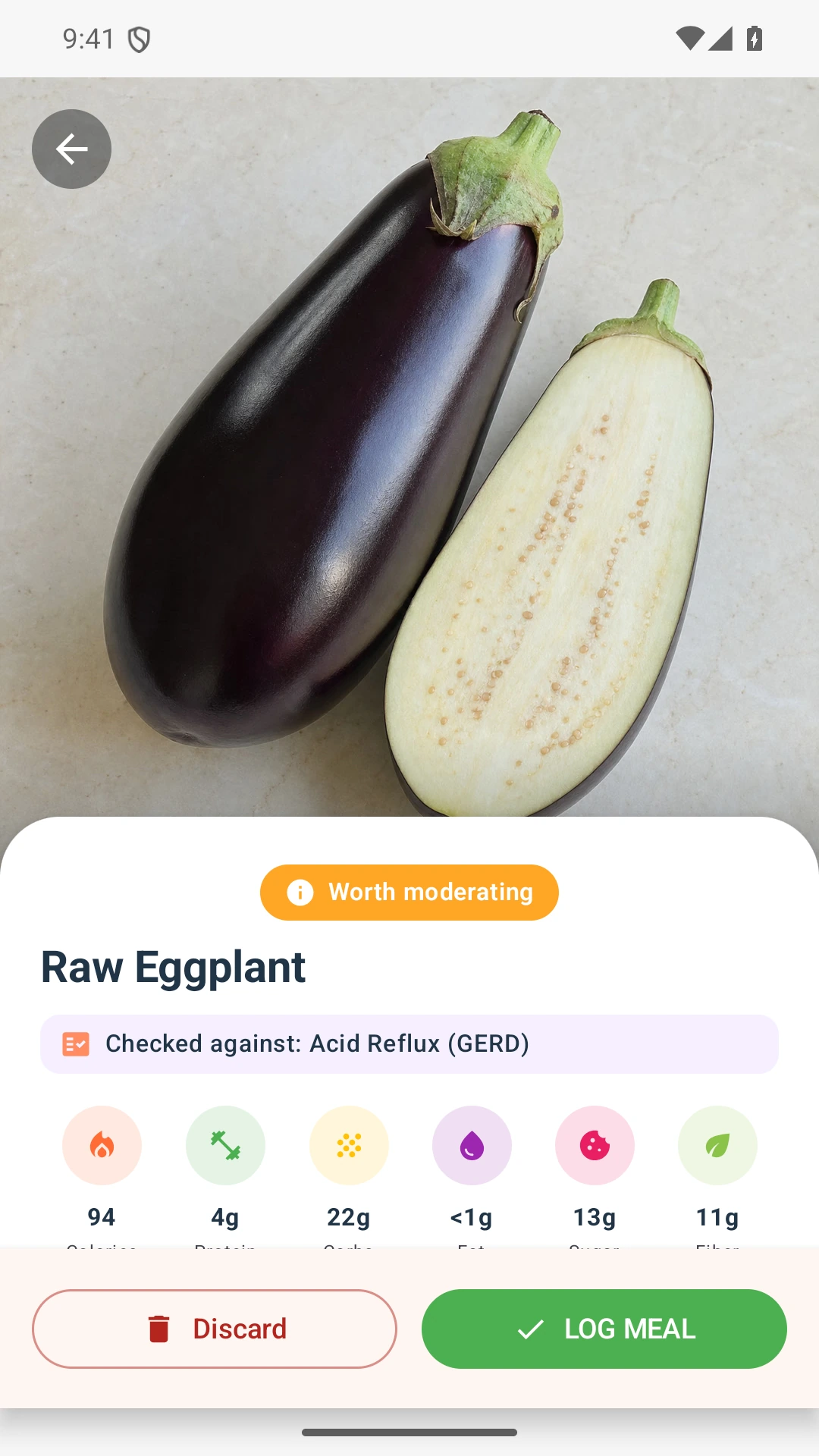
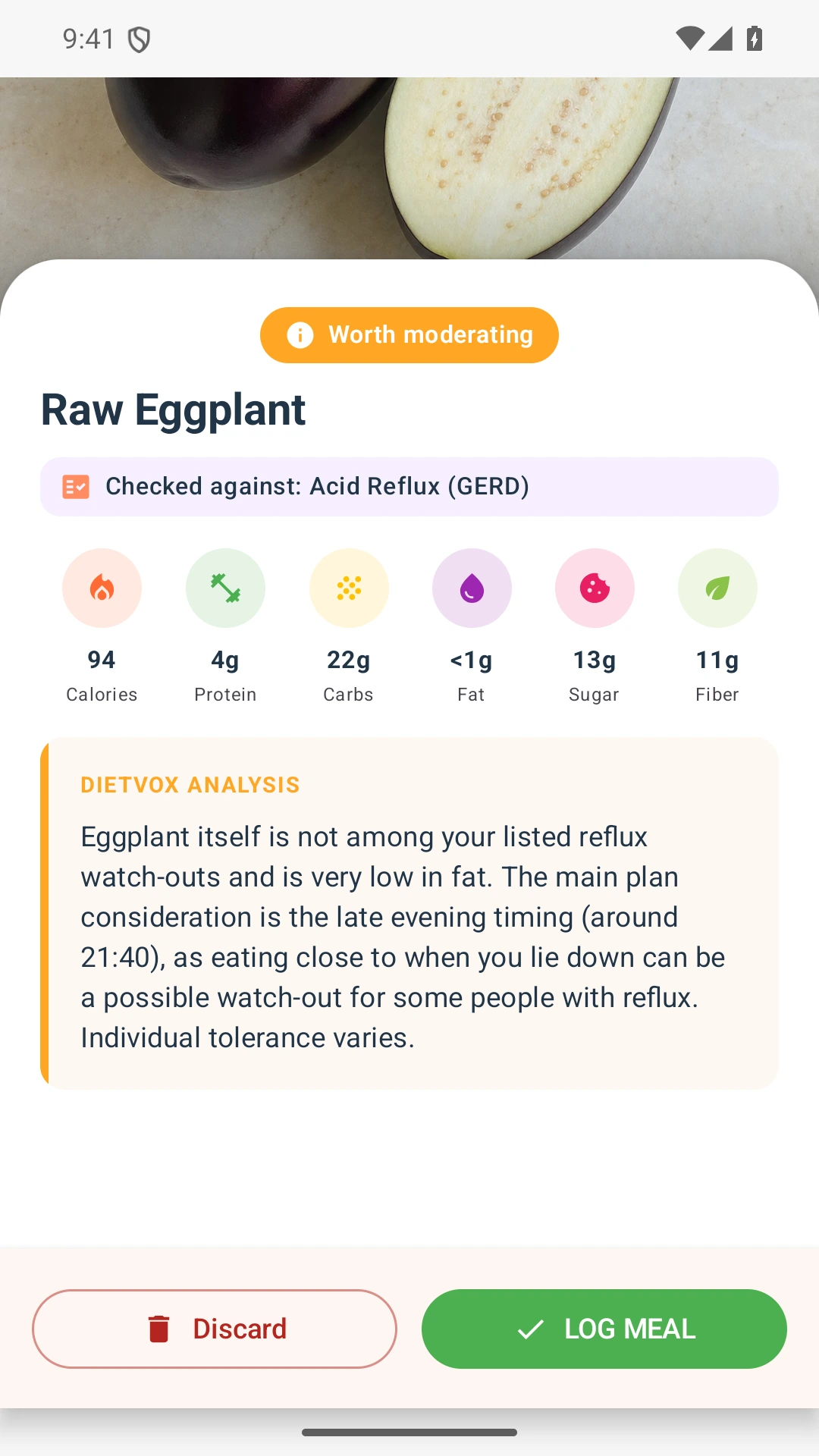
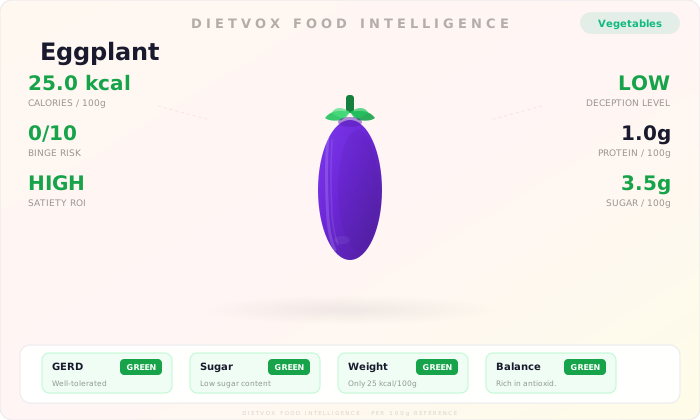
For individuals managing Gastroesophageal Reflux Disease (GERD), a common question is, is eggplant good for acid reflux? Based on its nutritional profile and low-acid nature, DietVox assigns eggplant a GREEN rating. This indicates that it is a safe and generally well-tolerated food for most people following a GERD dietary protocol. However, this rating is highly dependent on the preparation method.

Eggplant, also known as aubergine, is a non-citrus vegetable that does not typically contribute to stomach acidity. Its inherent properties make it a valuable addition to a diet aimed at minimizing reflux symptoms. When cooked using low-fat methods, it can be a versatile and satisfying component of many meals.

Nutritional Profile of Eggplant: A GERD Perspective

Understanding the nutritional composition of eggplant is key to appreciating its role in a GERD diet. Per 100g, raw eggplant contains approximately:

  • Calories: 25 kcal
  • Fat: 0.2 g
  • Carbohydrates: 5.9 g
  • Dietary Fibre: 3.0 g
  • Protein: 1.0 g

Source: USDA FoodData Central (FDC ID 169228)

The most critical factors for a GERD diet are the low acidity and extremely low fat content. High-fat foods are known to relax the lower esophageal sphincter (LES), the muscle that prevents stomach acid from flowing back into the esophagus American College of Gastroenterology acid reflux guidance. With only 0.2g of fat per 100g, eggplant poses a minimal risk of this mechanism. Its low-calorie density also allows for generous portion sizes without a heavy caloric load, supporting overall digestive comfort.

The Critical Importance of Preparation Methods

The GREEN rating for eggplant comes with a significant caveat: preparation is everything. While the vegetable itself is GERD-friendly, the way it is cooked can transform it into a major trigger.

GERD-Friendly Ways to Cook Eggplant

To keep eggplant on the GREEN list, focus on methods that use minimal fat. These techniques preserve its beneficial qualities without adding common reflux triggers:

  • Roasting: Tossing eggplant cubes or slices with a minimal amount of a stable oil (like olive or avocado) and roasting until tender enhances its flavour without adding significant fat.
  • Grilling: Grilled eggplant planks are an excellent side dish. The smoky flavour requires very little oil.
  • Baking: Sliced into rounds, eggplant can be baked to create a base for other toppings or as a component in casseroles.
  • Steaming: Steaming until soft makes eggplant suitable for purees and dips, like a GERD-friendly baba ghanoush (see tips below).

Preparations to Avoid

Certain cooking styles introduce ingredients that are well-established GERD triggers. The NHS advises that fatty and fried foods can cause or worsen heartburn.

  • Deep-Frying: This is the most common problematic preparation. Fried eggplant absorbs a large amount of oil, dramatically increasing its fat content and making it a likely trigger for reflux.
  • Creamy or Cheesy Sauces: Dishes like eggplant parmesan often combine fried eggplant with high-fat cheese and high-acid tomato sauce, creating a trio of common GERD triggers.
  • Excessive Spices or Aromatics: While not part of the eggplant itself, many recipes call for large amounts of garlic, onion, or spicy peppers, which can irritate the esophagus or stomach lining in sensitive individuals.

Addressing Common Concerns and Misconceptions

Are Nightshades Bad for GERD?

Eggplant belongs to the nightshade family, alongside tomatoes, peppers, and potatoes. There is a common belief that nightshades are inflammatory and can worsen conditions like GERD. While some individuals may have a specific sensitivity, there is no broad direct source support from major health bodies like the American College of Gastroenterology (ACG) to recommend that all GERD patients avoid all nightshades. Unlike tomatoes, which are highly acidic, eggplant is a low-acid food. The best approach is to monitor your own tolerance. For most, eggplant is not a trigger.

Can Eggplant Cause Bloating?

Eggplant contains a moderate amount of dietary fibre (3.0g per 100g). Fibre is essential for digestive health, but a sudden increase can sometimes lead to gas or bloating. If you are not used to a high-fibre diet, introduce eggplant gradually. Its fibre content is generally beneficial for gut motility and does not typically pose a problem for GERD management.

Practical Tips for Incorporating Eggplant into Your GERD Diet

  1. Build a GERD-Friendly Baba Ghanoush: This classic Middle Eastern dip is traditionally made with roasted eggplant. To adapt it for a GERD diet, significantly reduce or omit the raw garlic and lemon juice. Use roasted garlic for a milder flavour and rely on a small amount of tahini and a pinch of salt for taste.
  2. Use as a Meat Substitute: Thick slices of roasted or grilled eggplant have a meaty texture, making them a great low-fat substitute in sandwiches or as 'steaks'.
  3. Bulk Up Soups and Stews: Add diced eggplant to soups and stews. It breaks down to add thickness and nutrients without fat or acid.
  4. Pair Wisely: Combine eggplant with other GERD-friendly foods. Serve grilled eggplant alongside lean proteins like chicken or fish, and whole grains like quinoa or brown rice. Avoid pairing it with high-acid or high-fat ingredients.

The Verdict

Eggplant earns its GREEN rating for the GERD diet due to its low-acid and low-fat profile. It does not inherently stimulate acid production or compromise the function of the lower esophageal sphincter. It is a versatile, nutrient-dense vegetable that can add variety and substance to a reflux-conscious meal plan. The key to success is mindful preparation—stick to baking, grilling, roasting, or steaming, and avoid the high-fat cooking methods and trigger ingredients that can negate its benefits.


Disclaimer: This article is for informational purposes only and does not constitute medical advice. Always consult a healthcare provider before making changes to your diet, especially if you have a medical condition.

Scan your foods with the DietVox app to get personalized ratings based on your specific dietary needs and health goals.

Last reviewed: June 2026

How It Works

Why Eggplant is Rated GREEN

Eggplant's suitability for a GERD diet is based on three core nutritional and physiological principles:

  1. Low Acidity: Eggplant is a non-citrus, alkaline-forming vegetable. Consuming low-acid foods is a cornerstone of dietary management for GERD, as it helps avoid direct irritation of the esophageal lining and does not increase the acidity of stomach contents. General dietary guidelines for GERD from sources like the American College of Gastroenterology acid reflux guidance consistently recommend choosing non-citrus vegetables.
  1. Extremely Low Fat Content: With only 0.2g of fat per 100g, eggplant does not trigger fat-induced reflux mechanisms. According to clinical insights from the American College of Gastroenterology, high-fat meals can delay gastric emptying and decrease the pressure of the lower esophageal sphincter (LES), both of which promote acid reflux. Eggplant's minimal fat content circumvents these issues entirely.
  1. Absence of Known Irritants: There are no compounds in eggplant that have been clinically shown to directly stimulate gastric acid secretion or relax the LES. This contrasts with known triggers like caffeine, chocolate, or mint, which have specific chemical properties that can affect esophageal function Harvard Health Publishing. Eggplant is a neutral food in this regard.

In summary, the combination of low acidity and negligible fat content makes eggplant a structurally safe choice for a GERD diet, provided that preparation methods do not introduce common triggers like excess oil, acid, or spice.

Scan any food. Get an instant RED/AMBER/GREEN rating.

DietVox analyses every food across 4 diet protocols — no guesswork.

Try DietVox Free →

Try These Instead

Safer alternatives that won't trigger your symptoms.

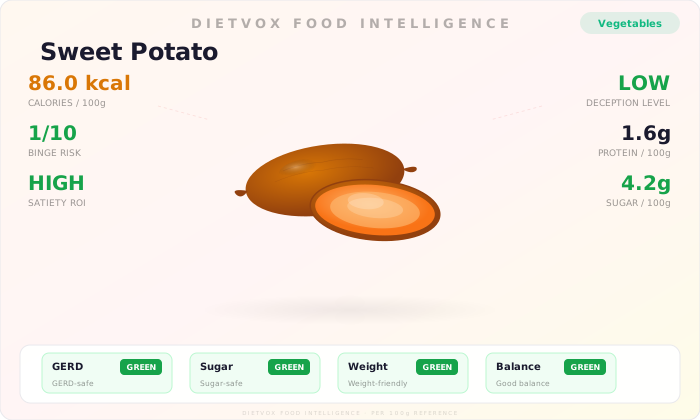
Sweet Potato illustration

Sweet Potato

86 kcal Vegetables
GREEN GERD
GREEN Sugar
AMBER Weight
GREEN Balance
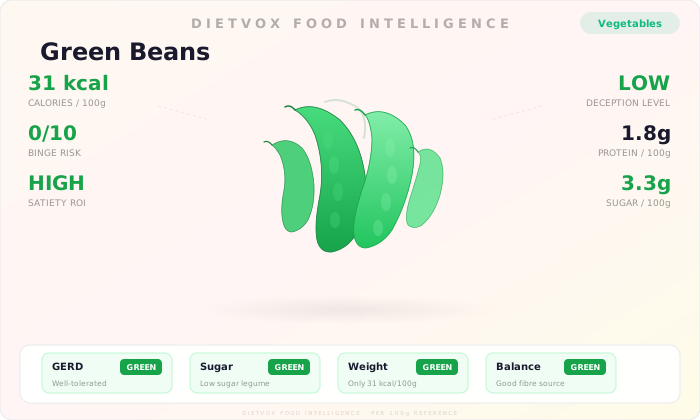
Green Beans illustration

Green Beans

31 kcal Vegetables
GREEN GERD
GREEN Sugar
GREEN Weight
GREEN Balance
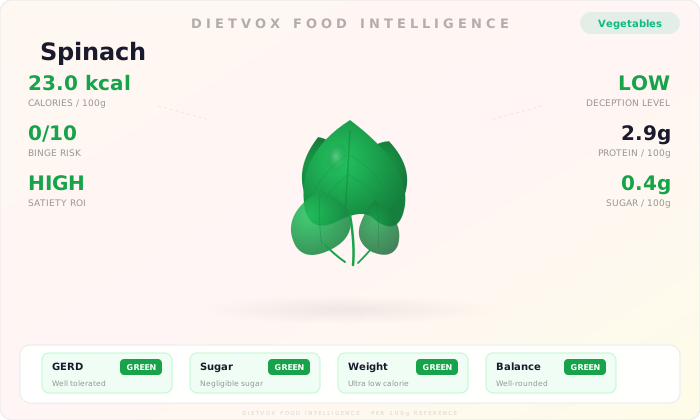
Spinach illustration

Spinach

23 kcal Vegetables
GREEN GERD
GREEN Sugar
GREEN Weight
GREEN Balance
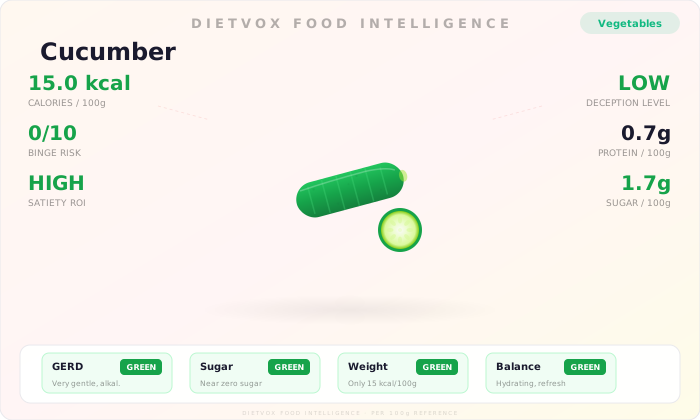
Cucumber illustration

Cucumber

15 kcal Vegetables
GREEN GERD
GREEN Sugar
GREEN Weight
GREEN Balance

Frequently Asked Questions

Can I eat Eggplant on a gerd (acid reflux) diet?

DietVox rates Eggplant GREEN for gerd (acid reflux) diet. Eggplant is a low-acid vegetable that does not affect gastric acid production or LES function. Avoid heavy oil-based preparations like deep-fried aubergine.

Is fried eggplant bad for acid reflux?

Yes, fried eggplant is generally not recommended for a GERD diet. The high fat content from deep-frying can delay stomach emptying and relax the lower esophageal sphincter (LES), which can worsen reflux symptoms. The NHS recommends avoiding fatty and fried foods to manage heartburn. Opt for baked, grilled, or roasted preparations instead.

Can I eat eggplant parmesan if I have acid reflux?

Traditional eggplant parmesan can be problematic for GERD as it often combines three common triggers: fried eggplant (high fat), tomato sauce (high acid), and large amounts of cheese (high fat). To make a GERD-friendly version, use baked eggplant slices, a low-acid sauce (like one made from roasted bell peppers), and a moderate amount of a lower-fat cheese.

Are nightshade vegetables like eggplant inflammatory and bad for GERD?

While some individuals report sensitivity to nightshades, there is no strong direct source support suggesting they are a universal trigger for GERD. Unlike the highly acidic tomato, eggplant is a low-acid vegetable and is generally well-tolerated. According to the Mayo Clinic, dietary triggers for GERD are highly individual. It is best to monitor your own tolerance rather than avoiding the entire food group.

Does the skin of the eggplant affect acid reflux?

The skin of the eggplant is a good source of fibre and antioxidants and does not inherently trigger acid reflux. For most people, it is perfectly fine to eat. However, if you have a particularly sensitive digestive system, you might find the skin slightly tougher to digest. You can peel the eggplant if you notice any discomfort, but it is not necessary for GERD management.

Related Reading