DietVox Rating: GREEN
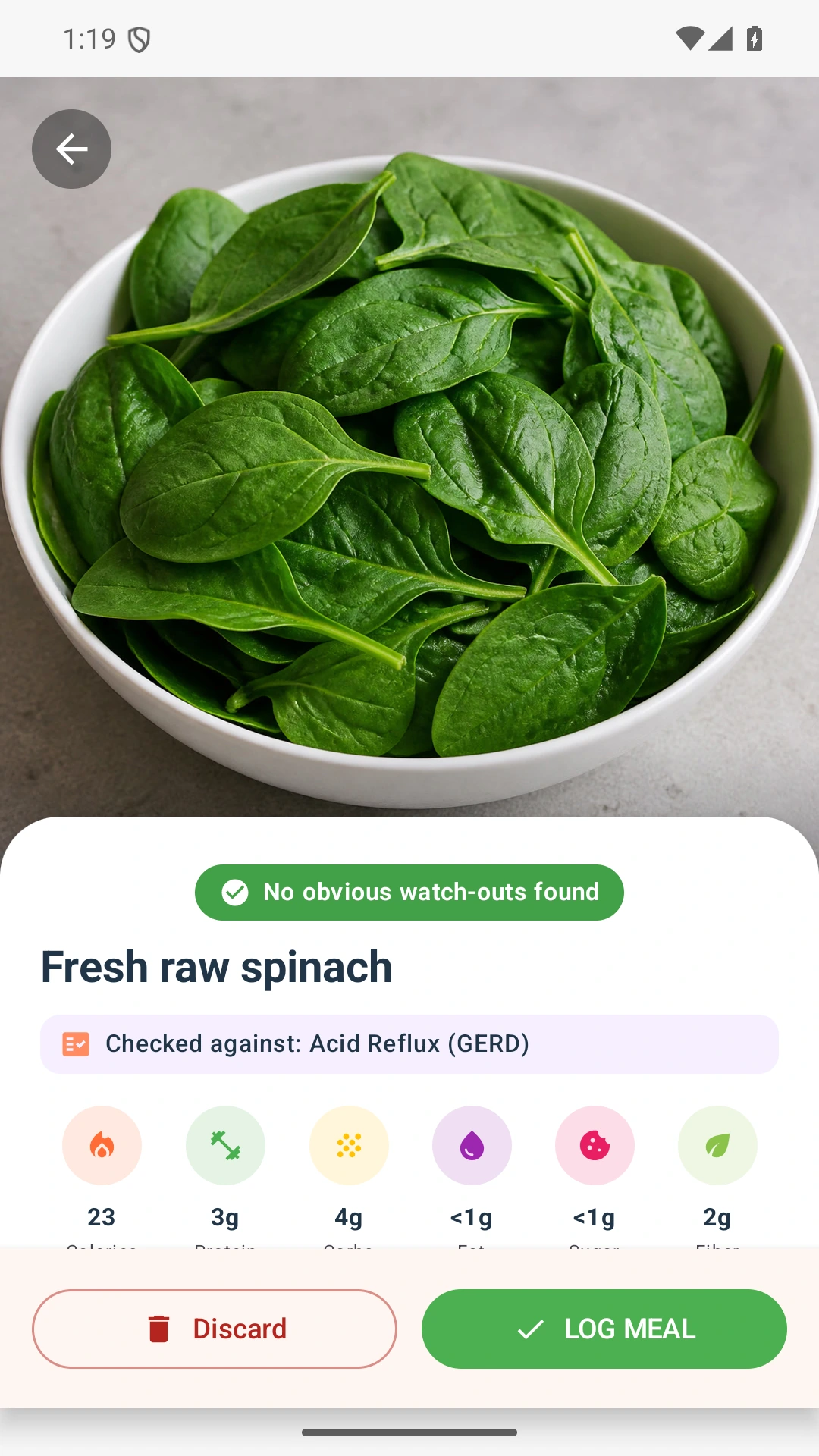
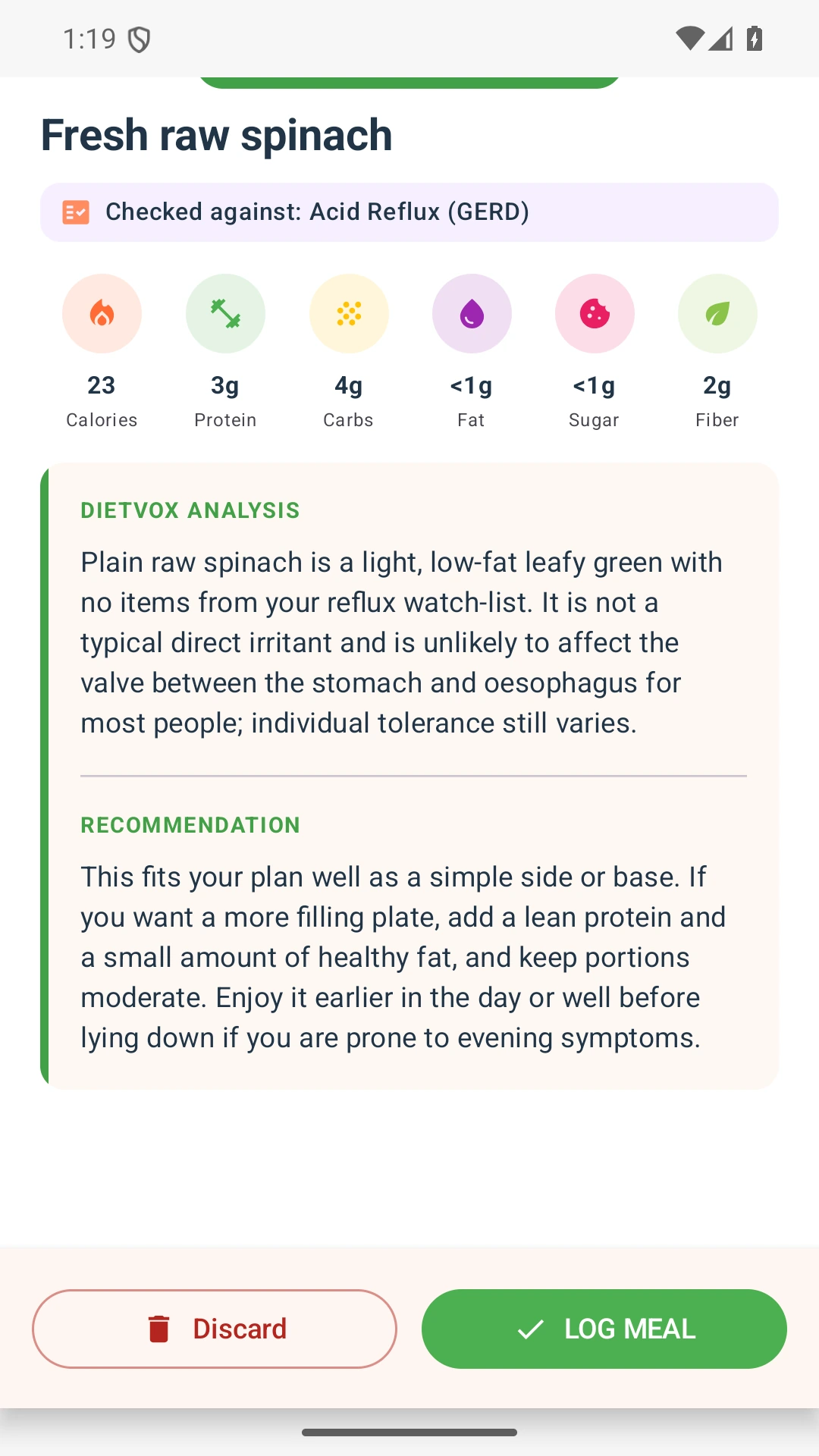
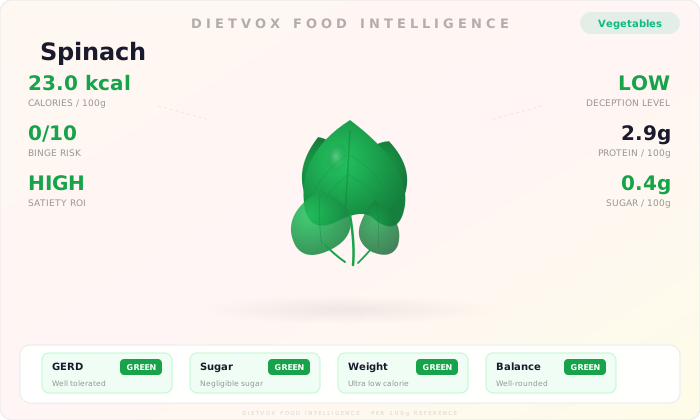
For individuals managing Gastroesophageal Reflux Disease (GERD), a common question is is spinach good for gerd? At DietVox, we rate spinach as GREEN for a GERD diet. This rating signifies that spinach is generally well-tolerated, unlikely to trigger acid reflux symptoms, and can be a beneficial component of a balanced, GERD-friendly eating plan.
Our GREEN rating is based on a comprehensive analysis of spinach's nutritional profile, its low-acid nature, and recommendations from leading clinical bodies. It is a non-acidic, low-fat vegetable that fits well within dietary strategies aimed at minimising reflux episodes and promoting digestive health.
Understanding Spinach in the Context of GERD
GERD is a chronic condition where stomach acid frequently flows back into the esophagus, causing irritation and symptoms like heartburn. Dietary management is a cornerstone of treatment, focusing on avoiding trigger foods and embracing those that are gentle on the digestive system American College of Gastroenterology acid reflux guidance. Spinach excels in this context due to its inherent properties, which we explore in detail below.
Nutritional Profile Analysis for GERD
The nutritional composition of a food is critical when assessing its suitability for a GERD diet. Spinach's profile is highly favourable.
Per 100g, raw spinach contains USDA FoodData Central (FDC ID 168462): - Calories: 23 kcal - Fat: 0.4g - Carbohydrates: 3.6g - Dietary Fibre: 2.2g - Protein: 2.9g - Potassium: 558mg
From a GERD management perspective, several data points are key:
1. Extremely Low Fat Content: With only 0.4g of fat per 100g, spinach is an excellent choice. High-fat foods are known triggers for acid reflux as they can relax the lower esophageal sphincter (LES)—the muscular valve between the esophagus and stomach—and delay stomach emptying, increasing the risk of acid backflow ACG.
2. Source of Dietary Fibre: Spinach provides 2.2g of fibre. Available sources suggest that a diet rich in fibre may be associated with a lower risk of GERD. A source review listed in PubMed found that increased dietary fibre intake could reduce the frequency of heartburn and reflux episodes, possibly by improving gastric motility and reducing intragastric pressure PubMed.
3. Low Calorie Density: At just 23 kcal per 100g, spinach has a very low calorie density. This allows you to eat generous, satisfying portions without overloading the stomach. Large meals can increase pressure on the LES, so filling up on low-calorie, high-volume foods like spinach is a sound strategy for GERD management NHS.
Practical Tips for Incorporating Spinach into a GERD Diet
How you prepare and consume spinach is just as important as the food itself. To keep it GERD-friendly, follow these practical tips.
Best Preparation Methods
- Steamed or Boiled: These methods require no added fat and make the spinach tender and easy to digest.
- Sautéed Lightly: Use a minimal amount of a stable oil like olive oil. Avoid excessive amounts of oil or butter, which can add significant fat.
- Blended into Smoothies: Combine spinach with other low-acid ingredients like banana, melon, or a plant-based milk for a nutrient-dense, GERD-friendly smoothie.
Foods to Pair with Spinach
Combine spinach with other GREEN-rated foods to create balanced, non-triggering meals: - Lean Proteins: Add chopped spinach to scrambled egg whites, grilled chicken breast, or baked fish. - Whole Grains: Mix wilted spinach into oatmeal, quinoa, or brown rice. - Other Vegetables: Pair it with other non-acidic vegetables like broccoli, carrots, and sweet potatoes.
What to Avoid
To prevent turning a safe food into a trigger, avoid adding common GERD irritants to your spinach dishes: - High-Fat Sauces: Steer clear of cream-based sauces, heavy cheese sauces (like in creamed spinach), or excessive butter. - Common Acidic Triggers: Do not add tomatoes, onions, or garlic, as these are frequently cited as reflux triggers Harvard Health. - Spicy Ingredients: Avoid adding chilli flakes, hot sauce, or large amounts of black pepper.
Why This Matters: Spinach and Digestive Health
While no large-scale direct trials have focused exclusively on spinach for GERD, a wealth of source support supports the inclusion of non-acidic, high-fibre vegetables as part of a comprehensive dietary approach.
health guidance from the American College of Gastroenterology (ACG) emphasise lifestyle and dietary modifications as a primary treatment for GERD. These recommendations often include increasing intake of vegetables and fibre while reducing fat intake ACG GERD health guidance. Spinach fits perfectly within these source-reviewed recommendations.
Furthermore, its rich micronutrient profile, including potassium, folate, and Vitamin C, supports overall health. Managing a chronic condition like GERD is not just about avoiding triggers but also about ensuring the body receives adequate nutrition, a role spinach fulfils excellently.
Addressing Common Concerns
Raw vs. Cooked Spinach for GERD
Both raw and cooked spinach are considered safe for a GERD diet. However, some individuals may find cooked spinach easier to digest. Cooking breaks down the plant's cell walls, which can make its nutrients more accessible and the fibre less taxing on a sensitive digestive system. If you find raw salads cause bloating or discomfort, try lightly steaming your spinach instead.
Spinach and Oxalates
Spinach is high in oxalates, which can contribute to the formation of kidney stones in susceptible individuals. This is a separate health concern and is not related to acid reflux or GERD. For the vast majority of people, the oxalate content in spinach consumed as part of a varied diet is not a problem NIDDK kidney stone diet guidance.
Disclaimer: This article is for informational purposes only and does not constitute medical advice. Always consult a healthcare provider before making changes to your diet, especially if you have a medical condition.
Scan your foods with the DietVox app to get personalized ratings based on your specific dietary needs and health goals.
Last reviewed: June 2026
How It Works
Why Spinach is Rated GREEN for GERD
DietVox's GREEN rating for spinach is based on its alignment with key dietary principles for managing acid reflux. The mechanisms that make it a safe and beneficial choice are multifaceted and supported by direct source support.
1. Low Acidity and Alkaline-Forming Nature Spinach is a non-acidic vegetable. The pH of food can influence GERD symptoms, and dietary guidelines consistently recommend avoiding highly acidic foods like citrus fruits and tomatoes to prevent esophageal irritation American College of Gastroenterology acid reflux guidance. Spinach falls into the category of safe, low-acid foods. Furthermore, it is considered an 'alkaline-forming' food, meaning it can help buffer the acidity of a meal, contributing to a more balanced dietary pH.
2. Very Low Fat Content Fat is a primary dietary trigger for GERD. High-fat meals delay gastric emptying and can reduce the pressure of the lower esophageal sphincter (LES), making it easier for stomach acid to reflux into the esophagus ACG. At just 0.4g of fat per 100g, spinach is virtually fat-free, ensuring it does not contribute to these reflux-inducing mechanisms USDA FoodData Central (FDC ID 168462).
3. Presence of Dietary Fibre Spinach contains 2.2g of dietary fibre per 100g. Available source reviews links higher fibre intake with improved GERD outcomes. Fibre promotes healthy digestion and regular bowel movements, which can help reduce pressure within the abdomen. A systematic review listed on PubMed indicated a potential protective effect of fibre against GERD, highlighting its role in a well-managed diet PubMed.
4. Nutrient-Dense Without Common Triggers Spinach delivers essential vitamins and minerals—such as potassium, folate, and iron—without containing common irritants like capsaicin (found in spicy foods) or high concentrations of acid. This makes it an ideal food for nourishing the body while adhering to the strict limitations of a GERD management diet.
Scan any food. Get an instant RED/AMBER/GREEN rating.
DietVox analyses every food across 4 diet protocols — no guesswork.
Try DietVox Free →Try These Instead
Safer alternatives that won't trigger your symptoms.
Frequently Asked Questions
Does the way I cook spinach affect my acid reflux?
Yes, preparation is key. Steaming, boiling, or lightly sautéing spinach with minimal oil are the best methods for a GERD diet. Avoid frying or smothering it in high-fat cream, butter, or cheese sauces, as added fats are a common trigger for acid reflux symptoms.
Can I eat spinach raw in a salad if I have GERD?
For most people with GERD, raw spinach is perfectly safe. It is non-acidic and low in fat. However, some individuals with very sensitive digestive systems may find that large amounts of raw vegetables can cause gas or bloating, which could potentially increase abdominal pressure. If you notice this, try lightly cooked spinach, which is often easier to digest.
Are creamed spinach or spinach dips safe for a GERD diet?
No, traditional creamed spinach and many spinach dips are generally not recommended for a GERD diet. These dishes are typically made with heavy cream, butter, and cheese, all of which are high in fat. High-fat foods are known to relax the lower esophageal sphincter (LES) and can significantly worsen reflux symptoms.
Does spinach help heal esophagitis caused by acid reflux?
Spinach can be part of a diet that supports healing, but it does not directly heal esophagitis. Healing requires reducing acid exposure, typically through medication and dietary changes. Spinach contributes by being a non-irritating, nutritious food that provides vitamins and minerals essential for overall health and tissue repair, without triggering further acid production or reflux.