DietVox Rating: GREEN
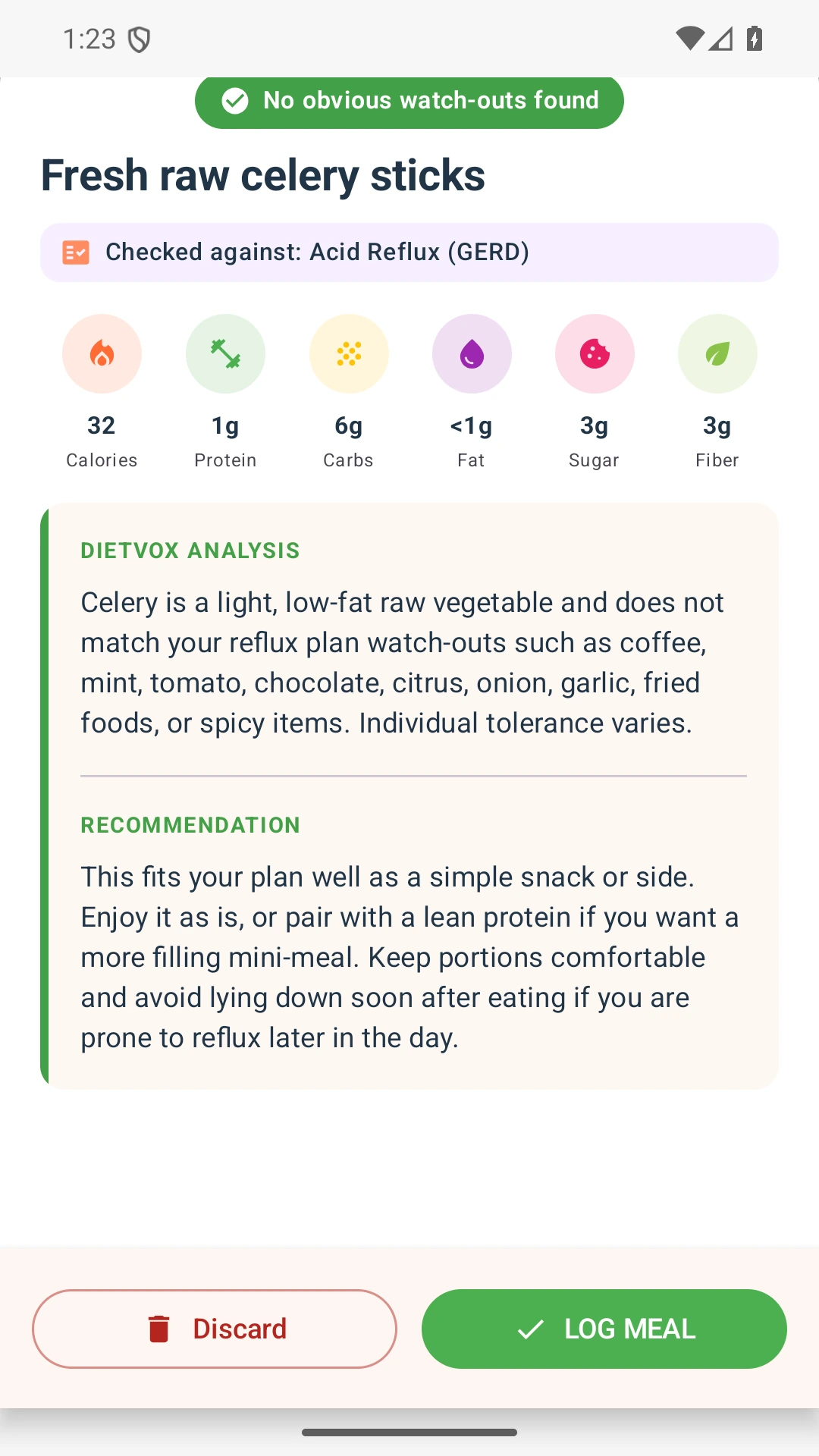
For individuals managing Gastroesophageal Reflux Disease (GERD), navigating food choices can be a significant challenge. DietVox rates Celery as GREEN for a GERD diet, indicating it is a safe and generally beneficial food that is unlikely to trigger symptoms. For those asking, is celery good for gerd, the direct source support points towards yes. Its unique properties—high water content, low acidity, and absence of common reflux triggers—make it a reliable choice for soothing and maintaining a healthy digestive tract.
This rating is based on an analysis of its nutritional composition and its alignment with dietary guidelines for acid reflux management from leading health institutions like the American College of Gastroenterology acid reflux guidance and the National Health Service (NHS). Celery's profile allows for consumption without the risk of relaxing the lower esophageal sphincter (LES) or increasing stomach acid production, which are primary concerns in a GERD diet.
Nutritional Profile of Celery for GERD
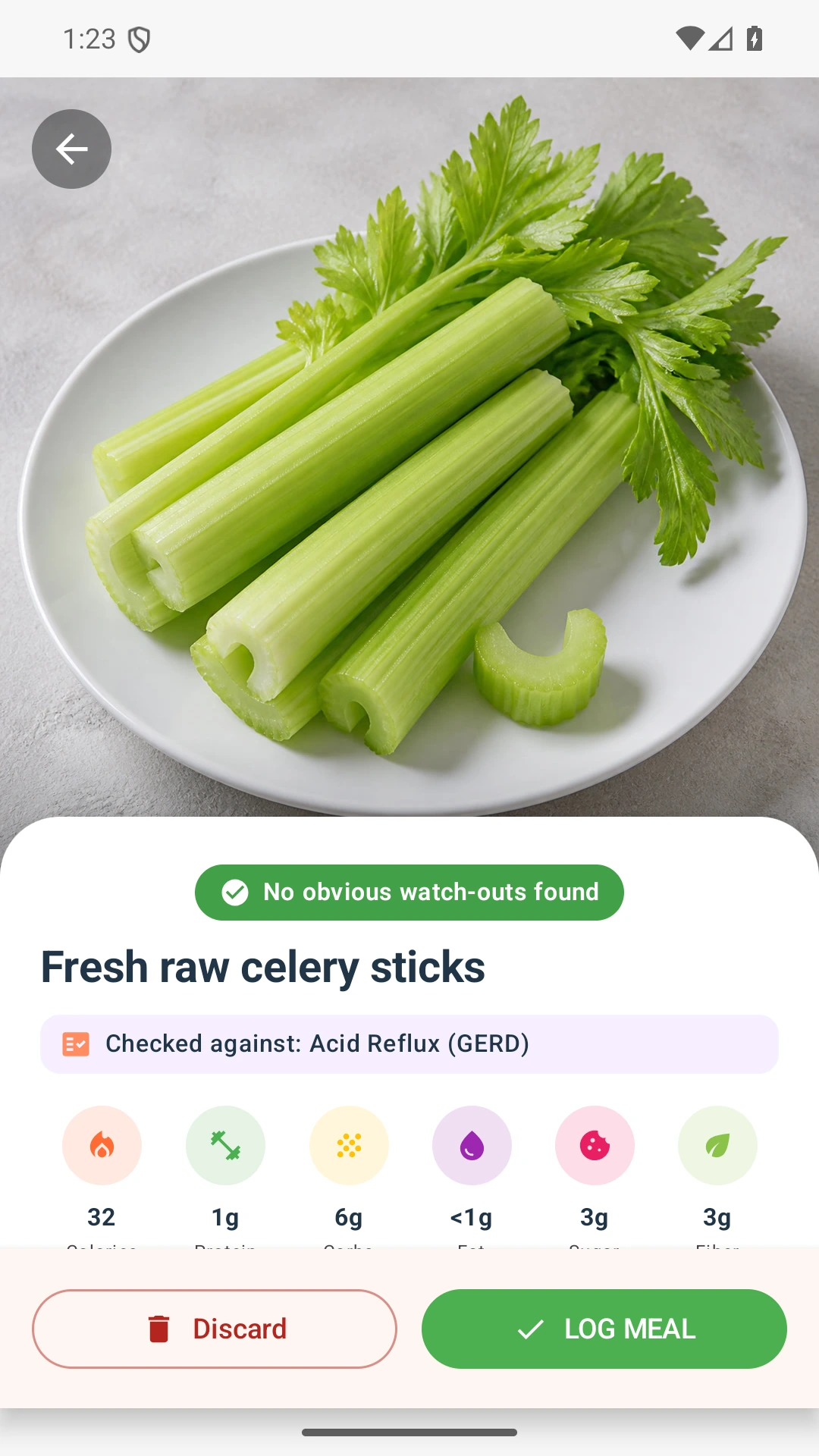
Understanding the nutritional makeup of celery is key to appreciating its GREEN rating. According to data from the USDA FoodData Central (FDC ID 169987), 100g of raw celery contains:
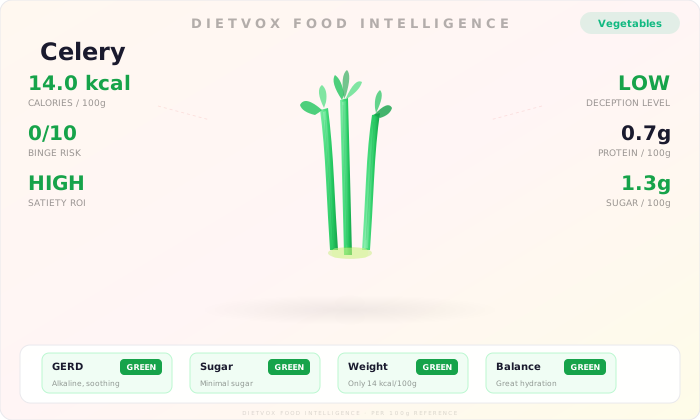
- Calories: 14 kcal
- Fat: 0.2 g
- Carbohydrates: 3.0 g
- Sugars: 1.3 g
- Dietary Fibre: 1.6 g
- Protein: 0.7 g
Low Fat and Calorie Content High-fat foods are a well-documented trigger for acid reflux. They can delay stomach emptying and cause the LES—the muscular valve between the esophagus and stomach—to relax, allowing stomach acid to splash back up American College of Gastroenterology. With a negligible 0.2g of fat per 100g, celery poses no such risk. Its ultra-low calorie density (14 kcal/100g) is also beneficial, as large, calorie-dense meals can increase gastric pressure and promote reflux.
High Water Content Celery is composed of approximately 95% water. Foods with high water content can help dilute and weaken stomach acid, which may provide temporary relief from heartburn symptoms. This hydrating effect is a significant reason why celery is considered a soothing food for an irritated esophagus.
Low Sugar and Acidity With only 1.3g of sugar per 100g, celery is a low-sugar vegetable. While the link between sugar and GERD is not as strong as with fat, some individuals find that very sugary foods can exacerbate their symptoms. More importantly, celery is not an acidic food. Its natural pH is alkaline, meaning it will not contribute to the acid load in the stomach or cause direct irritation to the sensitive lining of the esophagus, a common issue with acidic foods like citrus fruits and tomatoes.
Practical Tips for Including Celery in a GERD Diet
Incorporating celery into your diet can be simple and versatile. Here are some practical, GERD-friendly ways to enjoy it:
How to Prepare Celery
- Raw: The most straightforward way to eat celery is raw. The crunch and high water content are most potent in this form. It makes an excellent, portable snack. Ensure it is washed thoroughly.
- Steamed or Boiled: For those who find raw vegetables difficult to digest, light cooking can help. Steaming or boiling celery until it is tender-crisp softens its fibres, making it gentler on the digestive system while retaining most of its benefits.
- In Soups and Stews: Celery is a foundational ingredient (part of a mirepoix) in many soups. In a GERD-friendly soup, it adds flavour and nutrients without fat or acid. Opt for broth-based soups with lean proteins and other low-acid vegetables.
GERD-Friendly Pairings
Since celery has a low satiety score, pairing it with other foods is ideal for creating a balanced snack or meal that prevents hunger-induced overeating later—a major reflux trigger.
- Dip Smartly: Avoid high-fat dips like full-fat ranch or cheese-based spreads. Instead, pair celery sticks with a small portion of hummus (check for high garlic or citrus content), a low-fat Greek yogurt dip, or a dip made from pureed white beans and herbs.
- With Lean Protein: Enjoy celery alongside grilled chicken breast, turkey, or fish. You can also dice it and add it to a chicken or tuna salad made with a low-fat yogurt or avocado base instead of mayonnaise.
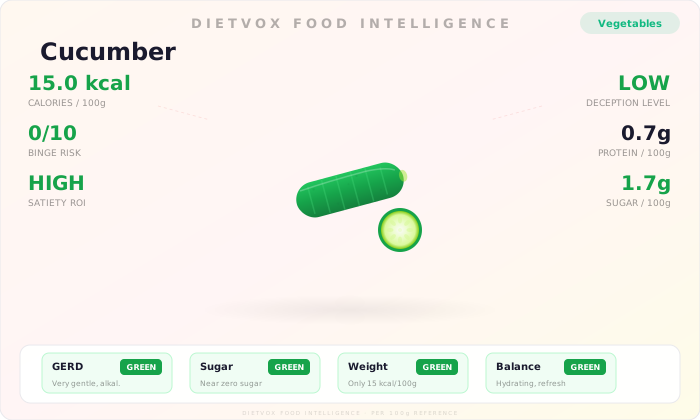
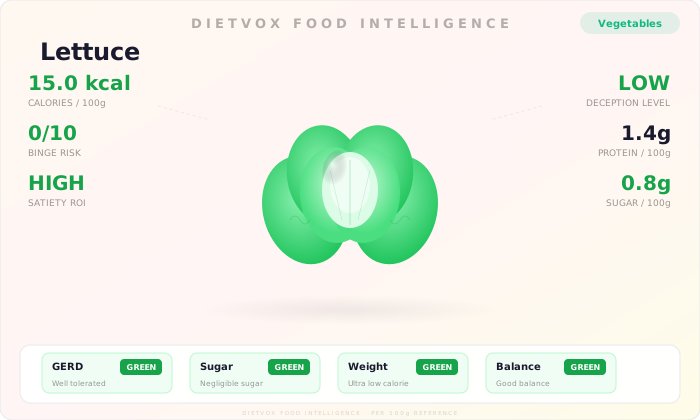
- In Salads: Add chopped celery to salads for extra crunch. A good GERD-friendly salad might include lettuce, cucumber, melon, lean protein, and a non-citrus, low-fat vinaigrette.
A Note on Celery Juice
Celery juice has gained popularity, but for GERD management, the whole stalk is superior. Juicing removes the dietary fibre, which is important for digestive health. While the juice remains alkaline and hydrating, the absence of fibre makes it less satiating. Some individuals may also find concentrated juice to be more irritating than the whole vegetable. If you choose to drink celery juice, start with a small amount to see how your body reacts.
Health Forensics: A Deeper Dive
DietVox's Health Forensics analysis provides a deeper look at how celery performs on key metrics relevant to dietary management.
- Calorie Density: LOW At just 14 kcal per 100g, celery's low calorie density is a significant advantage. It allows you to eat a satisfying volume of food without overloading the stomach, which helps manage intragastric pressure—a key mechanical factor in reflux events Harvard Health Publishing.
- Satiety ROI: LOW Celery provides a poor return on investment for satiety. Its low protein (0.7g) and fibre (1.6g) content mean it won't keep you feeling full for long. This is crucial to recognise in a GERD diet. Relying on celery alone for a snack may lead to subsequent overeating. It should be considered a component of a meal or snack, not the entirety of it.
- Tracking Difficulty: LOW For those who track their food intake to identify triggers, celery is easy to manage. Its form and nutritional content are consistent, making portioning and logging straightforward.
The Verdict on Celery and GERD
Celery earns its GREEN rating for the GERD diet due to a compelling combination of factors. It is exceptionally low in fat, acid, and sugar—the primary dietary culprits behind reflux symptoms. Its high water content can help dilute stomach acid, and its alkaline nature ensures it won't irritate the esophagus. While not a cure for GERD, celery is a safe, versatile, and beneficial vegetable to include in a comprehensive management plan that also includes lifestyle changes and other recommended dietary modifications NHS.
Disclaimer: This article is for informational purposes only and does not constitute medical advice. Always consult a healthcare provider before making changes to your diet, especially if you have a medical condition.
Scan your foods with the DietVox app to get personalized ratings based on your specific dietary needs and health goals.
Last reviewed: June 2026
How It Works
Why Celery is Rated GREEN for GERD
Celery's GREEN rating for the GERD protocol is based on its alignment with key dietary principles for managing acid reflux. Its beneficial mechanisms are multifaceted and supported by clinical dietary guidelines.
- High Water Content Dilutes Acid: Comprising about 95% water, celery can help dilute the concentration of gastric acid in the stomach. This can temporarily reduce the acidity of the stomach contents, potentially lessening the severity of heartburn if reflux occurs American College of Gastroenterology acid reflux guidance.
- Extremely Low Fat Content: High-fat foods are known to delay gastric emptying and relax the lower esophageal sphincter (LES), increasing the risk of reflux. Celery contains only 0.2g of fat per 100g, making it an ideal food that does not negatively impact LES pressure or digestion speed American College of Gastroenterology.
- Non-Acidic (Alkaline) Nature: Acidic foods can directly irritate the inflamed lining of the esophagus and may worsen heartburn symptoms. Celery is an alkaline food, meaning it is non-acidic and gentle on the esophagus. It helps to avoid adding to the overall acid load of a meal.
- Low Calorie Density Prevents Stomach Pressure: Large, heavy meals can increase pressure inside the stomach, physically pushing contents back into the esophagus. As a very low-calorie food, celery allows for adding bulk and volume to meals without significantly increasing this pressure, supporting one of the core strategies of GERD management.
Scan any food. Get an instant RED/AMBER/GREEN rating.
DietVox analyses every food across 4 diet protocols — no guesswork.
Try DietVox Free →Try These Instead
Safer alternatives that won't trigger your symptoms.
Frequently Asked Questions
Can celery juice trigger acid reflux?
While whole celery is rated GREEN, celery juice may be different for some individuals. Juicing removes the fibre, and the resulting liquid is more concentrated. Although it remains alkaline and hydrating, some people may find that any type of juice in volume can increase stomach fluid and potentially trigger reflux. It is best to start with a small amount to assess your personal tolerance.
What is the best way to eat celery to avoid GERD symptoms?
The best way is to consume it raw as a snack or lightly cooked (steamed or in soups). This preserves its high water content and avoids adding fats or other triggers. Pairing celery with a small amount of lean protein or a low-fat dip can create a more balanced, satisfying snack that prevents overeating later, which is a key strategy for managing GERD.
Does celery actively neutralize stomach acid?
While celery is an alkaline food, it does not have a strong enough effect to actively neutralize existing stomach acid in the way an antacid medication would. Its primary benefits are that it does not add to the acid load in your stomach and its high water content can help dilute stomach acid, making it less irritating if reflux occurs.
Are there any risks of eating too much celery for someone with GERD?
Celery is generally very safe. However, eating a very large quantity of any food, even a low-calorie one, can increase the volume and pressure in your stomach, potentially triggering reflux. Additionally, while its fibre content is modest, a sudden large increase in fibre intake could cause gas or bloating in some individuals, which can be uncomfortable for those with GERD.