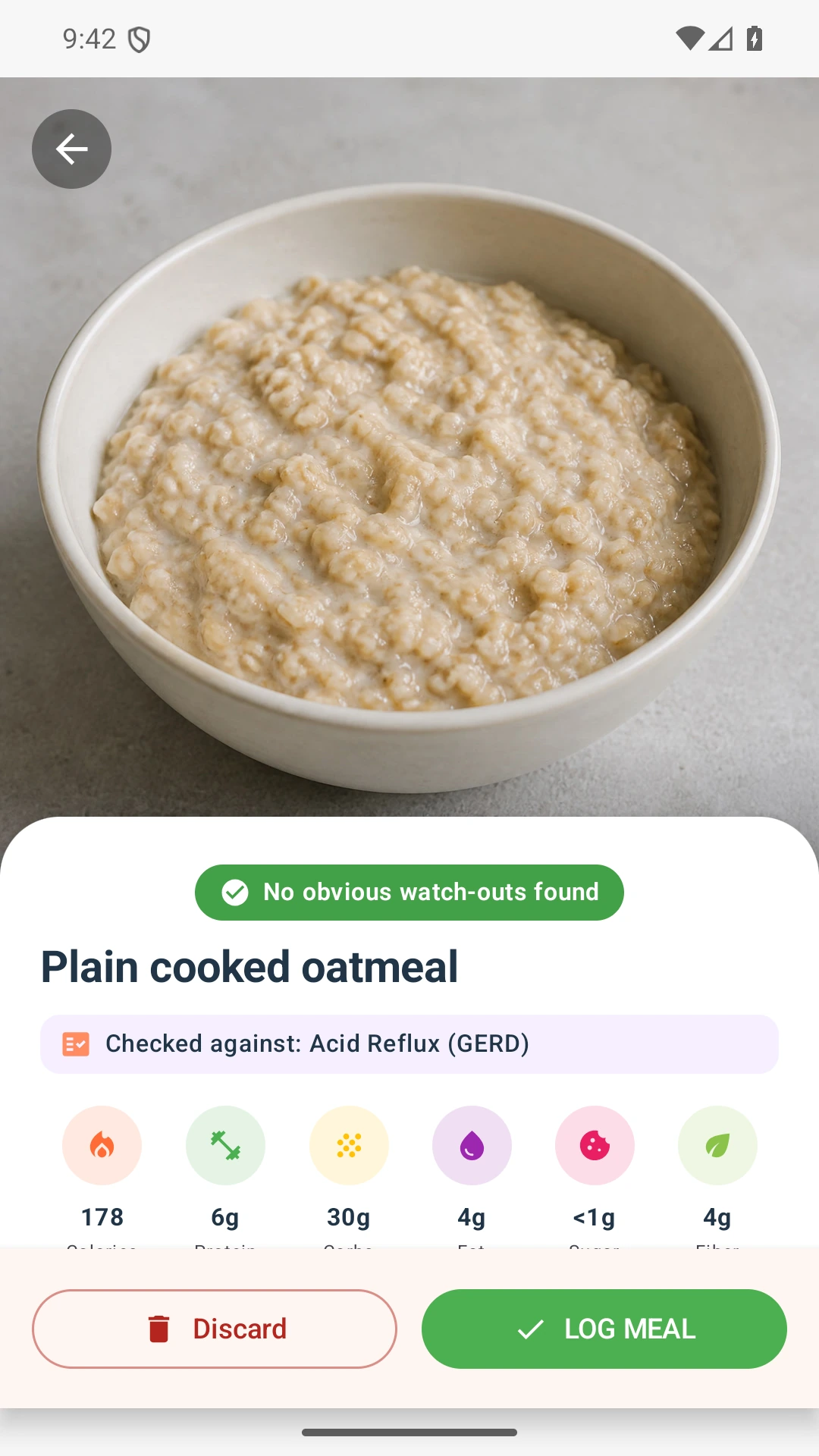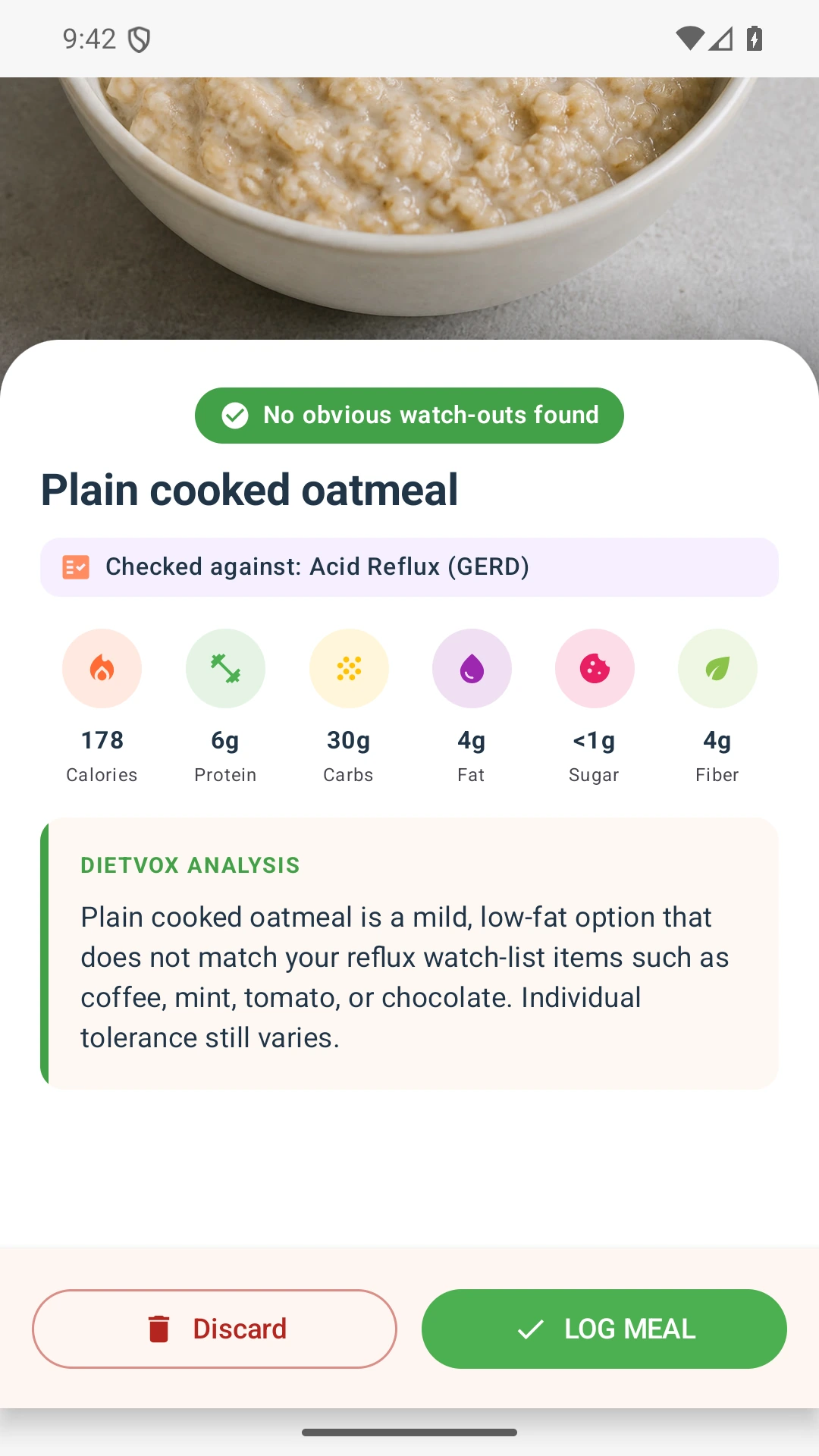
DietVox Rating: GREEN

Oatmeal is rated GREEN for a GERD (Acid Reflux) Diet, signifying it is a safe and often recommended food for managing symptoms. A GREEN rating from DietVox indicates that the food is well-tolerated, unlikely to trigger acid reflux, and may even provide properties that help alleviate discomfort. For those wondering is oatmeal good for gerd, the source review is a resounding yes. Its unique combination of high fibre, low fat, and a non-acidic profile makes it a cornerstone of a reflux-friendly diet.

This source-reviewed guide explores the nutrition profile behind oatmeal's benefits for GERD, offers practical advice for incorporating it into your diet, and addresses common questions to help you manage your symptoms effectively.

The Clinical Verdict on Oatmeal for GERD

Clinical and health authorities consistently recommend oatmeal as part of a dietary strategy to manage gastroesophageal reflux disease. Its benefits are rooted in its fundamental nutritional properties. Institutions like Harvard Health Publishing list oatmeal among foods that can help relieve acid reflux, primarily due to its high fiber content.

The core principle of a GERD diet is to avoid foods that trigger symptoms by relaxing the lower esophageal sphincter (LES), increasing stomach acid, or delaying stomach emptying American College of Gastroenterology acid reflux guidance. Oatmeal excels in this context because it does the opposite: its composition supports healthy digestion without irritating the esophagus or stomach lining.

A Nutritional Deep Dive: Oatmeal's GERD-Friendly Profile

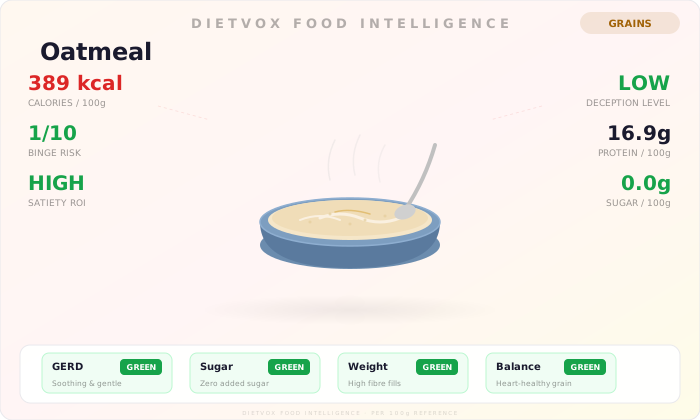
An analysis of oatmeal's nutritional data reveals precisely why it's so well-suited for a GERD diet. Based on USDA FoodData Central (FDC ID 168902), 100g of dry rolled oats contains:

  • Calories: 389 kcal
  • Protein: 16.9 g
  • Fat: 6.9 g
  • Carbohydrates: 66.3 g
  • Dietary Fibre: 10.6 g

The Power of High Fibre

Oatmeal's standout feature for GERD management is its 10.6g of dietary fibre per 100g. This includes a significant amount of soluble fibre, particularly beta-glucan. source review listed in the World Journal of Gastroenterology has shown a potential link between higher dietary fibre intake and a reduced risk of GERD. Fibre promotes digestive regularity, preventing constipation which can increase abdominal pressure and worsen reflux symptoms.

A Low-Fat, GERD-Safe Choice

With only 6.9g of fat per 100g, oatmeal is a naturally low-fat food. This is critical for a GERD diet, as high-fat meals are known triggers. Fatty foods can delay stomach emptying and relax the LES, allowing stomach acid to splash back into the esophagus American College of Gastroenterology acid reflux guidance. By choosing oatmeal, you avoid this common pitfall.

Complex Carbohydrates for Steady Digestion

The 66.3g of carbohydrates in oatmeal are primarily complex, meaning they are digested slowly and provide sustained energy. This contrasts with simple sugars found in processed foods, which can be problematic for some individuals with GERD. The slow digestion helps maintain a stable gastric environment, reducing the likelihood of acid-related events.

Health Forensics: Oatmeal on the GERD Diet

DietVox's Health Forensics analysis provides further insight into how oatmeal functions within a GERD management plan.

  • Satiety ROI: HIGH: Oatmeal's combination of high protein (16.9g) and high fibre (10.6g) makes it exceptionally filling. High satiety is a major advantage for GERD sufferers, as it helps prevent overeating. Large meals are a primary trigger for reflux because they distend the stomach and increase upward pressure on the LES NHS.
  • Calorie Density: MEDIUM: At 389 kcal per 100g (dry), oatmeal is moderately calorie-dense. However, a typical 40g serving cooked with water is only around 156 kcal. This makes it easy to manage portions and control calorie intake, which is important as maintaining a healthy weight is a key recommendation for reducing GERD symptoms American College of Gastroenterology.
  • Tracking Difficulty: LOW: Oatmeal is simple to measure and track, whether dry or cooked. This consistency is beneficial for anyone following a structured dietary protocol, allowing for precise control over portion sizes and added ingredients.

Practical Guide: How to Prepare Oatmeal for Acid Reflux

How you prepare oatmeal is just as important as the food itself. To maximize its benefits and avoid turning a safe food into a trigger, follow these guidelines.

Choosing the Right Oats

  • Steel-Cut or Rolled Oats: These are the best choices. They are minimally processed and contain no added sugars or flavourings.
  • Plain Instant Oats: Unsweetened, unflavoured instant oats are also a good option, but be sure to check the label. Avoid pre-packaged, flavoured varieties, which are often high in sugar and may contain citric acid or other potential irritants.

GERD-Friendly Cooking Methods

  • Cook with Water: The safest base for cooking oatmeal is plain water.
  • Use Low-Fat Milk: If you prefer a creamier texture, use skim milk or a low-fat, non-dairy alternative like almond or soy milk. Avoid whole milk or cream, as the high fat content can trigger reflux.

Safe Toppings and Add-Ins

Enhance your oatmeal with these GERD-friendly options:

  • Low-Acid Fruits: Sliced bananas, melon, or pears.
  • Spices: A sprinkle of cinnamon or nutmeg.
  • Healthy Fats (in moderation): A small amount of almond butter or a few walnuts.
  • Natural Sweeteners (in moderation): A tiny drizzle of honey or maple syrup is generally better tolerated than large amounts of refined sugar.

Toppings to Avoid

Steer clear of these common reflux triggers:

  • High-Acid Fruits: Oranges, grapefruit, pineapple, and tomatoes.
  • High-Fat Ingredients: Butter, heavy cream, and large quantities of nuts or seeds.
  • Common Triggers: Chocolate, mint, and excessive sugar.

The Bottom Line

Oatmeal earns its GREEN rating from DietVox as a premier food for a GERD (Acid Reflux) Diet. Its high-fibre, low-fat profile helps manage symptoms by promoting healthy digestion and preventing common triggers associated with high-fat, acidic, or overly processed foods. By preparing it simply and choosing toppings wisely, oatmeal can be a comforting, nutritious, and reliable part of your daily routine for managing acid reflux.


Disclaimer: This article is for informational purposes only and does not constitute medical advice. Always consult a healthcare provider before making changes to your diet, especially if you have a medical condition.

Scan your foods with the DietVox app to get personalized ratings based on your specific dietary needs and health goals.

Last reviewed: June 2026

How It Works

Why Oatmeal is Rated GREEN

Oatmeal's GREEN rating is based on three core, source-supported mechanisms that directly benefit individuals managing GERD and acid reflux.

1. Absorbs and Buffers Stomach Acid

The soluble fibre in oatmeal, particularly beta-glucan, forms a gel-like substance when mixed with liquid in the stomach. This viscous layer can coat the stomach lining and is thought to absorb excess stomach acid, acting as a buffer. While it doesn't neutralize acid chemically, this physical absorption can reduce the amount of free-flowing acid available to splash up into the esophagus, thereby mitigating heartburn symptoms Harvard Health Publishing.

2. High Fibre Promotes Healthy Digestion

With 10.6g of dietary fibre per 100g, oatmeal significantly contributes to digestive health. A diet rich in fibre helps prevent constipation, a condition that increases intra-abdominal pressure. This pressure can force stomach contents upward against the lower esophageal sphincter (LES), triggering or worsening reflux American College of Gastroenterology. By ensuring regular bowel movements, the fibre in oatmeal helps keep this pressure in check.

3. A Naturally Low-Acid, Non-Irritating Food

Oatmeal is inherently bland and non-acidic, making it gentle on an already irritated esophageal lining. Unlike acidic foods (like citrus or tomatoes) or spicy foods that can directly cause a burning sensation, plain oatmeal is soothing. This makes it an ideal food to consume, especially during a reflux flare-up, as it provides nutrition without causing further irritation to the esophagus American College of Gastroenterology acid reflux guidance.

Scan any food. Get an instant RED/AMBER/GREEN rating.

DietVox analyses every food across 4 diet protocols — no guesswork.

Try DietVox Free →

Try These Instead

Safer alternatives that won't trigger your symptoms.

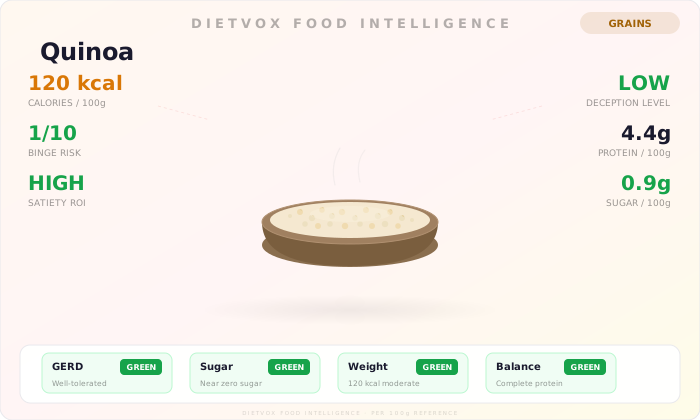
Quinoa illustration

Quinoa

120 kcal Grains
GREEN GERD
GREEN Sugar
AMBER Weight
GREEN Balance
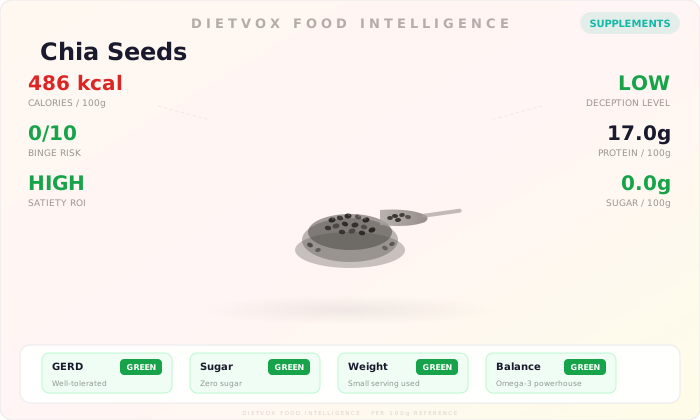
Chia Seeds illustration

Chia Seeds

486 kcal Supplements
GREEN GERD
GREEN Sugar
GREEN Weight
GREEN Balance
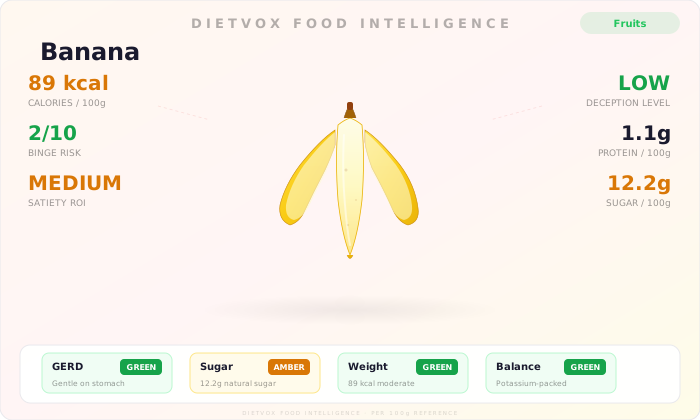
Banana illustration

Banana

89 kcal Fruits
GREEN GERD
AMBER Sugar
AMBER Weight
GREEN Balance
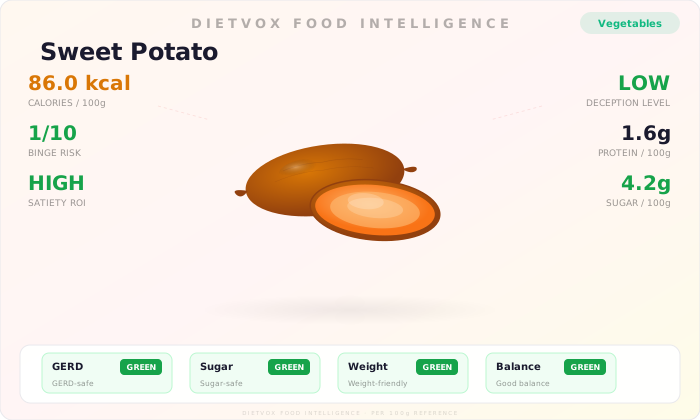
Sweet Potato illustration

Sweet Potato

86 kcal Vegetables
GREEN GERD
GREEN Sugar
AMBER Weight
GREEN Balance

Frequently Asked Questions

What is the best type of oatmeal for acid reflux?

The best types of oatmeal for acid reflux are steel-cut or rolled oats. These are minimally processed and contain no added sugars, flavorings, or preservatives that could potentially trigger symptoms. Plain, unflavored instant oatmeal is also a good choice, but it's crucial to avoid pre-packaged, flavored varieties which often contain high amounts of sugar and citric acid.

What can I add to oatmeal for flavor on a GERD diet?

To add flavor without triggering reflux, stick to low-acid, low-fat options. Sliced bananas, melon, or a few berries are excellent fruit choices. A sprinkle of cinnamon or a small amount of almond butter can add flavor and texture. Avoid citrus fruits, chocolate, excessive sugar, and high-fat toppings like butter or cream.

Can eating oatmeal at night help with my GERD?

While oatmeal is a safe food, eating any large meal within three hours of bedtime is generally discouraged for GERD management, as lying down can make it easier for stomach acid to enter the esophagus American College of Gastroenterology acid reflux guidance. If you are hungry, a very small portion of plain oatmeal may be tolerated, but it's best to have your main meals earlier in the evening.

Is instant oatmeal bad for acid reflux?

Not necessarily. Plain, unflavored instant oatmeal is generally safe for acid reflux and carries the same benefits as rolled oats. The problem lies with the flavored instant oatmeal packets. These often contain significant amounts of added sugar, artificial flavorings, and preservatives like citric acid, all of which can be potent triggers for acid reflux symptoms. Always choose the plain variety and add your own GERD-safe toppings.

Related Reading