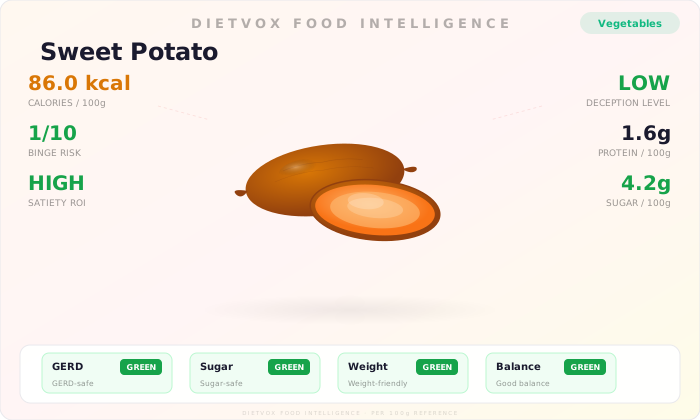
DietVox Rating: GREEN
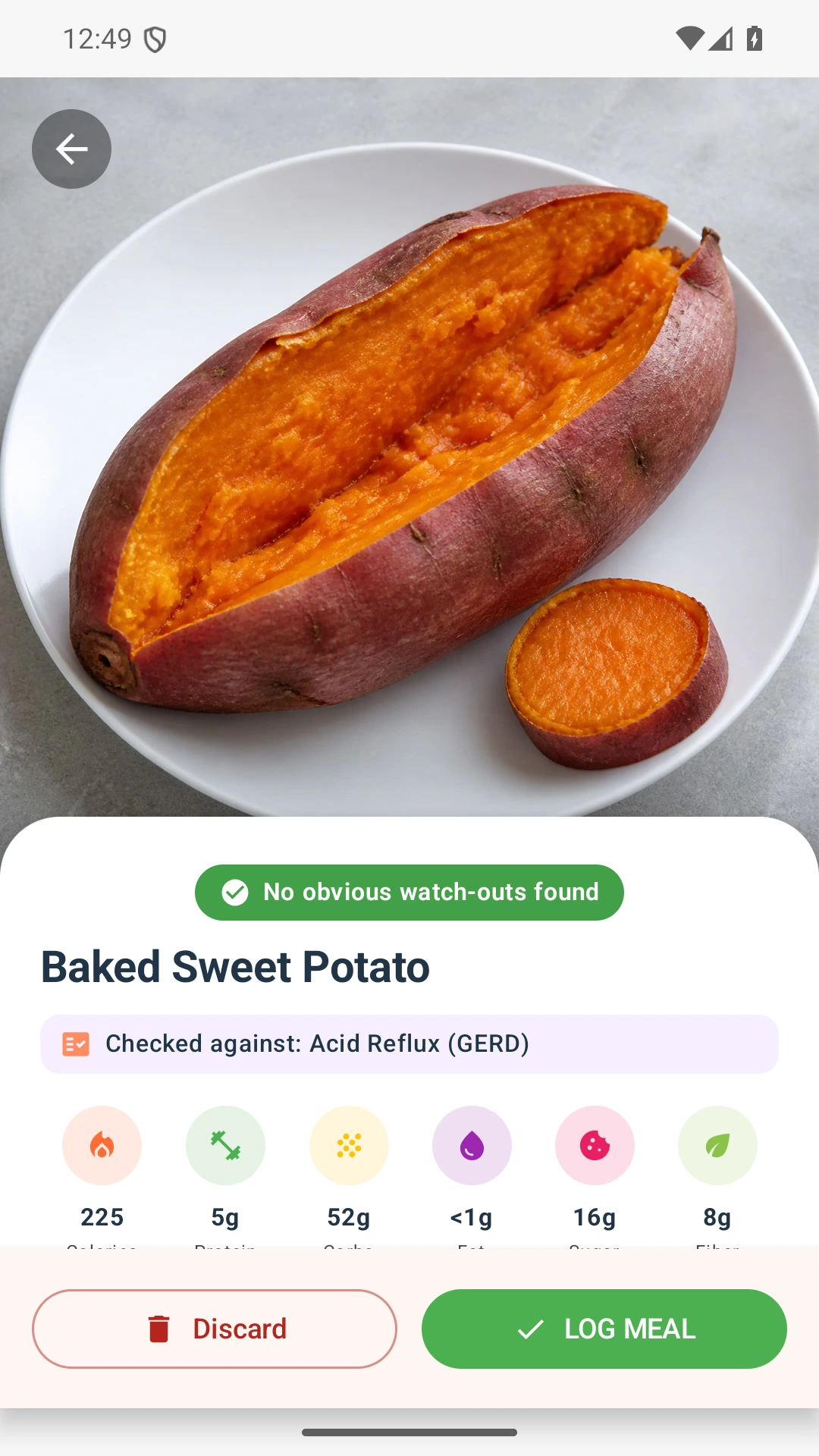
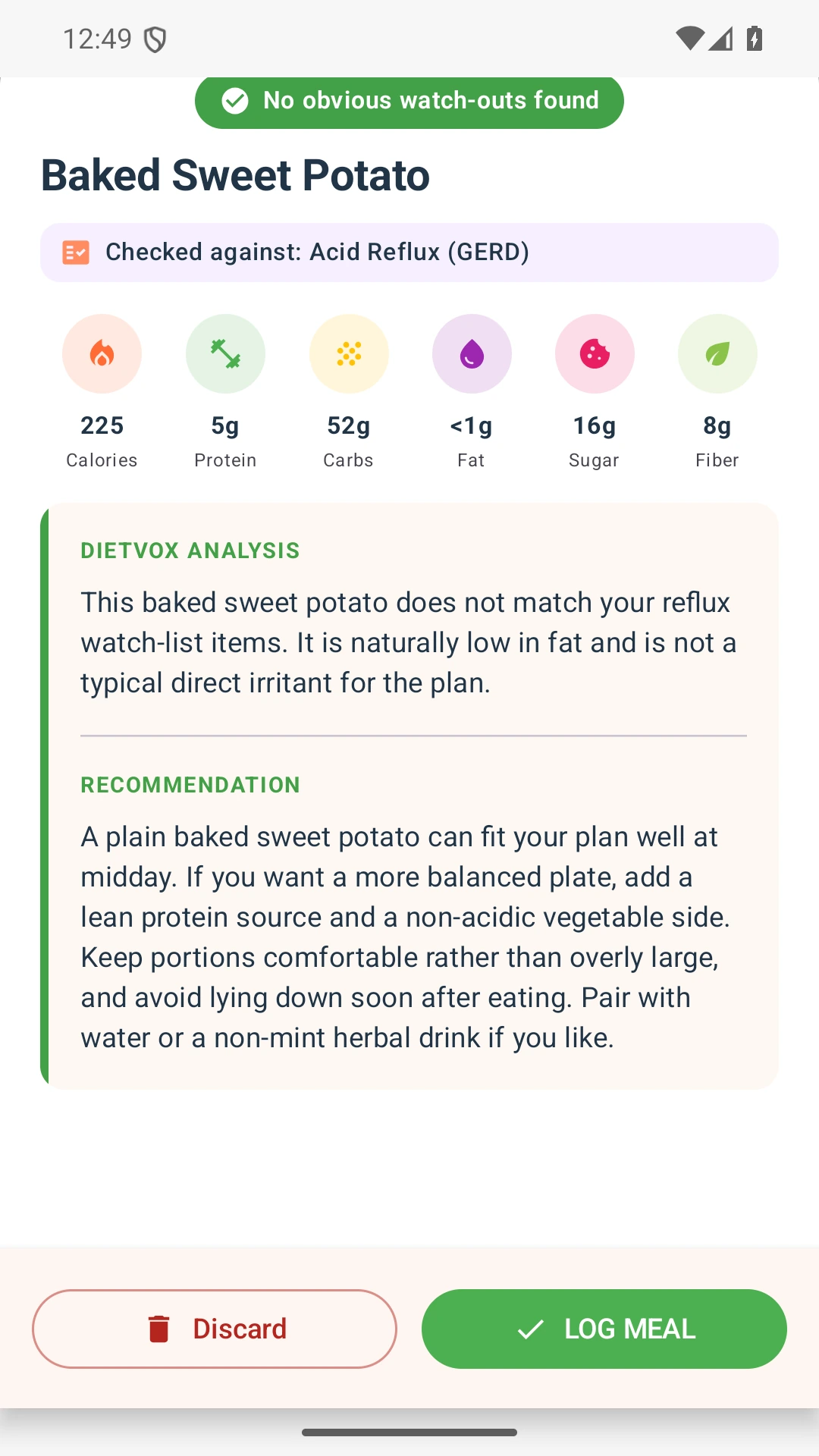
For individuals navigating the complexities of a GERD (Gastroesophageal Reflux Disease) diet, finding foods that are both nutritious and non-triggering is paramount. To answer the common question, is sweet potato good for GERD, our clinical analysis concludes with a definitive yes. DietVox assigns Sweet Potato a GREEN rating for the GERD protocol, signifying it is a safe and often beneficial food for most people with acid reflux.
This rating is based on its favourable nutritional profile, particularly its low fat content, high dietary fibre, and non-acidic nature. When prepared correctly, sweet potato can be a soothing, satisfying, and nutrient-dense component of a reflux-friendly eating plan. It provides complex carbohydrates for sustained energy without overburdening the digestive system, making it a reliable staple for breakfast, lunch, or dinner.
A Nutritional Deep Dive for GERD Management
Understanding the nutritional composition of sweet potato reveals why it is so well-suited for a GERD diet. The data per 100g provides a clear picture USDA FoodData Central (FDC ID 168482).
- Fat Content (0.1g): This is perhaps the most critical factor for GERD. Sweet potato is virtually fat-free. High-fat foods are a primary trigger for reflux because they can delay stomach emptying and relax the lower esophageal sphincter (LES), the muscular valve that prevents stomach acid from flowing back into the esophagus American College of Gastroenterology acid reflux guidance. The minimal fat in sweet potato ensures it does not exert this negative pressure on the LES.
- Dietary Fibre (3.0g): With 3.0g of fibre per 100g, sweet potato is a good source of both soluble and insoluble fibre. Dietary fibre is strongly associated with improved digestive health and a potential reduction in GERD symptoms. A source review listed in PubMed suggests that adequate fibre intake can help reduce the frequency of reflux episodes by promoting regular bowel movements and preventing constipation, which can increase intra-abdominal pressure and worsen GERD PubMed.
- Complex Carbohydrates (20.1g): The carbohydrates in sweet potato are primarily complex, meaning they are digested more slowly than simple sugars. This provides a steady source of energy and promotes satiety, which can help prevent overeating—a known mechanical trigger for acid reflux ACG.
- Key Micronutrients: Sweet potato is rich in Vitamin A (709µg) and Potassium (337mg). While not directly treating GERD, these nutrients support overall health. Vitamin A is crucial for maintaining healthy mucosal linings, including the lining of the esophagus, while potassium is an important electrolyte that helps maintain proper fluid balance.
Practical Guide: Incorporating Sweet Potato into Your GERD Diet
How you prepare sweet potato is as important as the food itself. To keep it GERD-friendly, focus on cooking methods that do not add fat, acid, or spice.
Recommended Preparation Methods
- Baking or Roasting: This is one of the best methods. Simply pierce a whole sweet potato with a fork and bake at 400°F (200°C) for 45-60 minutes, or until tender. You can also cube it and roast it with a minimal amount of a high-smoke-point oil and mild herbs like rosemary.
- Steaming: Steaming preserves the most nutrients and results in a soft, easily digestible texture. Steamed sweet potato cubes can be added to salads or eaten as a side dish.
- Boiling and Mashing: Boiled sweet potato can be mashed to create a smooth, soothing food that is very gentle on the esophagus. Avoid adding large amounts of butter or cream; a small amount of plant-based milk or a tiny pat of butter may be tolerated by some.
Foods and Ingredients to Avoid
To prevent triggering reflux, avoid pairing sweet potato with common trigger foods. According to NHS guidelines, these include:
- High-Fat Toppings: Butter, sour cream, cheese, and creamy sauces.
- Spicy Seasonings: Chili powder, cayenne pepper, black pepper, and hot sauce.
- Acidic Ingredients: Avoid adding tomato-based sauces or citrus glazes.
- Frying: Never consume deep-fried sweet potato fries, as the added fat from the oil is a major GERD trigger NHS.
Addressing Common Misconceptions
Is sweet potato better than white potato for GERD?
Both baked sweet potato and baked white potato can be excellent choices for a GERD diet, provided they are prepared without added fat or spice. Both are low-acid and easy to digest. However, sweet potato offers a superior nutritional profile, with significantly more Vitamin A and dietary fibre, giving it a slight edge for overall health and digestive regularity.
Will the sugar in sweet potato cause acid reflux?
Sweet potato contains 4.2g of naturally occurring sugar per 100g. This should not be a concern for most people with GERD. Unlike added sugars found in processed foods and sweets, the natural sugar in sweet potato is part of a whole-food package that includes fibre. This fibre slows the absorption of sugar and helps prevent blood sugar spikes. There is no direct source support to suggest that the natural sugar content in vegetables like sweet potato triggers acid reflux Harvard Health Publishing.
The Final Verdict
Sweet potato earns its GREEN rating for the GERD diet. It is a nutrient-dense, low-fat, high-fibre root vegetable that is gentle on the digestive system. Its versatility allows for numerous simple and safe preparation methods that fit seamlessly into a reflux-conscious lifestyle. By focusing on baking, steaming, or roasting and avoiding high-fat or spicy additions, sweet potato can be a delicious and reliable component of your strategy to manage GERD symptoms.
Disclaimer: This article is for informational purposes only and does not constitute medical advice. Always consult a healthcare provider before making changes to your diet, especially if you have a medical condition.
Scan your foods with the DietVox app to get personalized ratings based on your specific dietary needs and health goals.
Last reviewed: June 2026
How It Works
Why Sweet Potato is Rated GREEN
Sweet potato is rated GREEN because its fundamental properties align perfectly with the dietary principles for managing GERD. The mechanism of its benefit is threefold, addressing key factors known to trigger or exacerbate acid reflux.
- Extremely Low Fat Content Prevents LES Relaxation: The lower esophageal sphincter (LES) is a ring of muscle at the bottom of the esophagus that acts as a valve. In individuals with GERD, this valve can be weak or relax inappropriately, allowing stomach acid to splash upwards. High-fat meals are a primary dietary trigger known to decrease LES pressure and delay gastric emptying American College of Gastroenterology acid reflux guidance. With only 0.1g of fat per 100g, sweet potato places virtually no fat-induced burden on the digestive system, helping the LES to remain closed and functional.
- Alkaline-Forming and Non-Acidic Nature: Foods can be categorized by their potential to create acid in the stomach. Highly acidic foods like citrus, tomatoes, and vinegar can directly irritate an already-inflamed esophagus and may worsen heartburn. Sweet potato is a non-acidic food. While its raw pH is slightly acidic, it is considered 'alkaline-forming' after digestion, meaning it does not contribute to the stomach's acid load. Choosing non-acidic foods is a core recommendation for managing GERD symptoms ACG.
- High Fibre Content Aids Digestive Motility: A serving of sweet potato provides a good source of dietary fibre. This fibre plays a crucial role in digestive health. It adds bulk to stool and promotes regularity, which helps prevent constipation. Increased intra-abdominal pressure from straining due to constipation is a known mechanical factor that can push stomach contents upward, triggering reflux PubMed. By ensuring smooth and regular digestion, the fibre in sweet potato helps to mitigate this physical pressure on the LES.
- Soothing, Easy-to-Digest Texture: When cooked, sweet potato develops a soft, smooth consistency. This texture is non-abrasive and easy to swallow, making it particularly gentle on an esophagus that may be irritated or inflamed from chronic acid exposure. This contrasts with rough, dry, or hard foods that can cause discomfort during swallowing.
Scan any food. Get an instant RED/AMBER/GREEN rating.
DietVox analyses every food across 4 diet protocols — no guesswork.
Try DietVox Free →Try These Instead
Safer alternatives that won't trigger your symptoms.
Frequently Asked Questions
Can I eat Sweet Potato on a gerd (acid reflux) diet?
Yes. DietVox rates Sweet Potato GREEN for the GERD (acid reflux) diet. Sweet potatoes are low in fat, high in fibre, and non-acidic, making them an excellent and safe choice for most people with reflux when prepared correctly (e.g., baked or steamed).
Is sweet potato acidic?
No, sweet potato is considered a non-acidic food. While its raw pH is mildly acidic, it is known as an 'alkaline-forming' food, meaning it does not increase the acid load in your stomach after being digested. This makes it ideal for a GERD-friendly diet.
What is the best way to cook sweet potato for acid reflux?
The best cooking methods for GERD are baking, roasting, steaming, or boiling. These methods do not require added fat. It is crucial to avoid frying sweet potatoes or adding high-fat and spicy toppings like butter, sour cream, cheese, or chili powder, as these can trigger reflux symptoms.
Can I eat sweet potato fries if I have GERD?
Commercially prepared or deep-fried sweet potato fries are not recommended for a GERD diet. The high fat content from the frying oil can relax the lower esophageal sphincter (LES) and trigger acid reflux. A much safer alternative is to make baked 'fries' at home with a minimal amount of oil and mild seasonings.
How much sweet potato can I eat with GERD?
While sweet potato is a safe food, portion control is still important for managing GERD. Overeating any food can fill the stomach and put pressure on the LES. A reasonable portion, such as one medium-sized sweet potato (about 5-6 inches long), is a good guideline for a single meal.