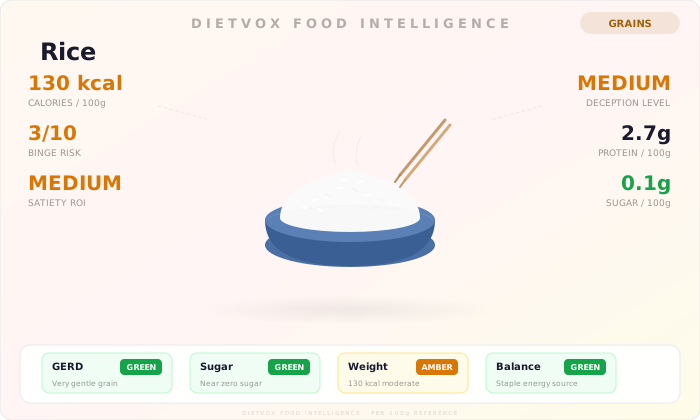
DietVox Rating: GREEN

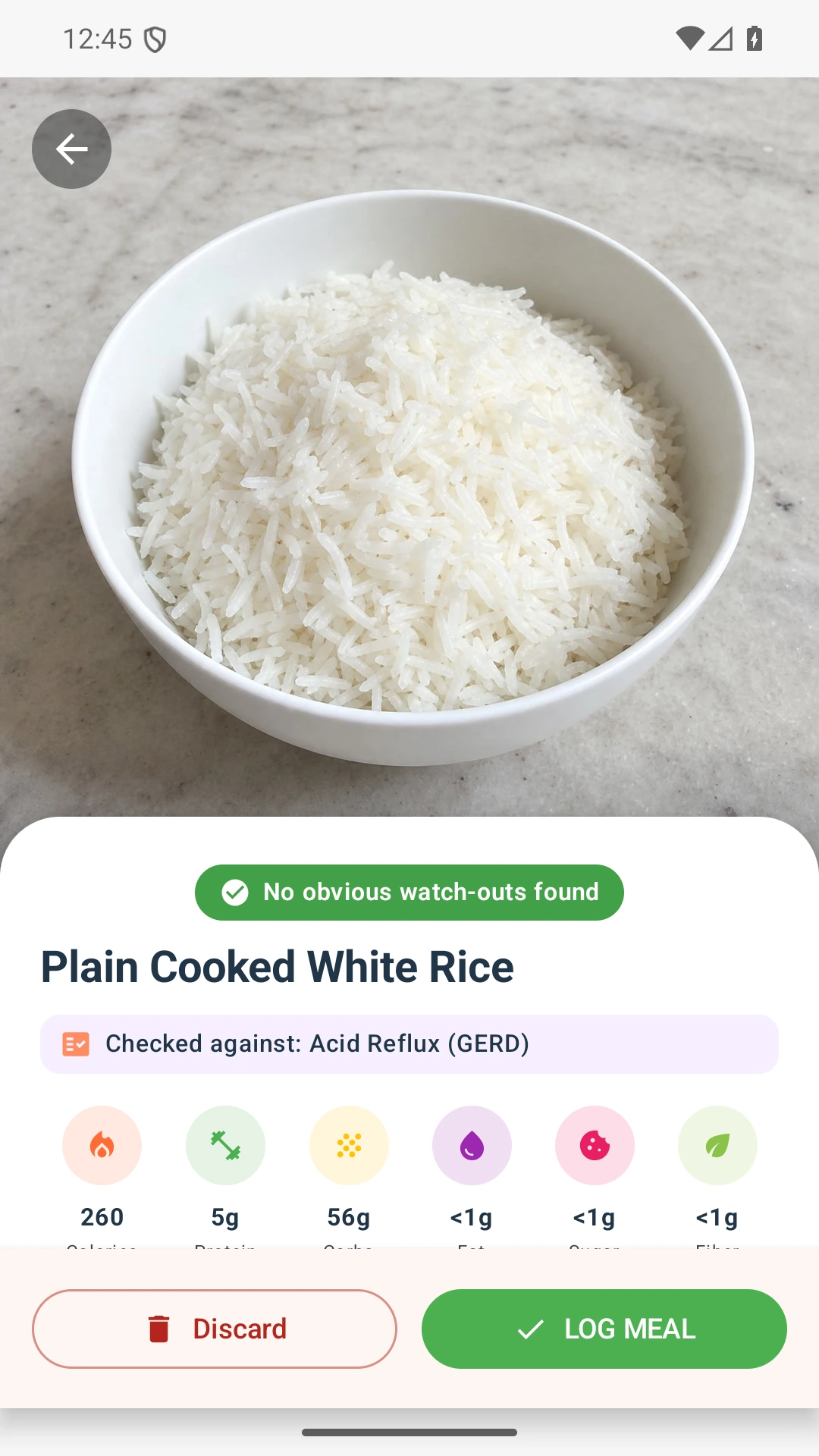
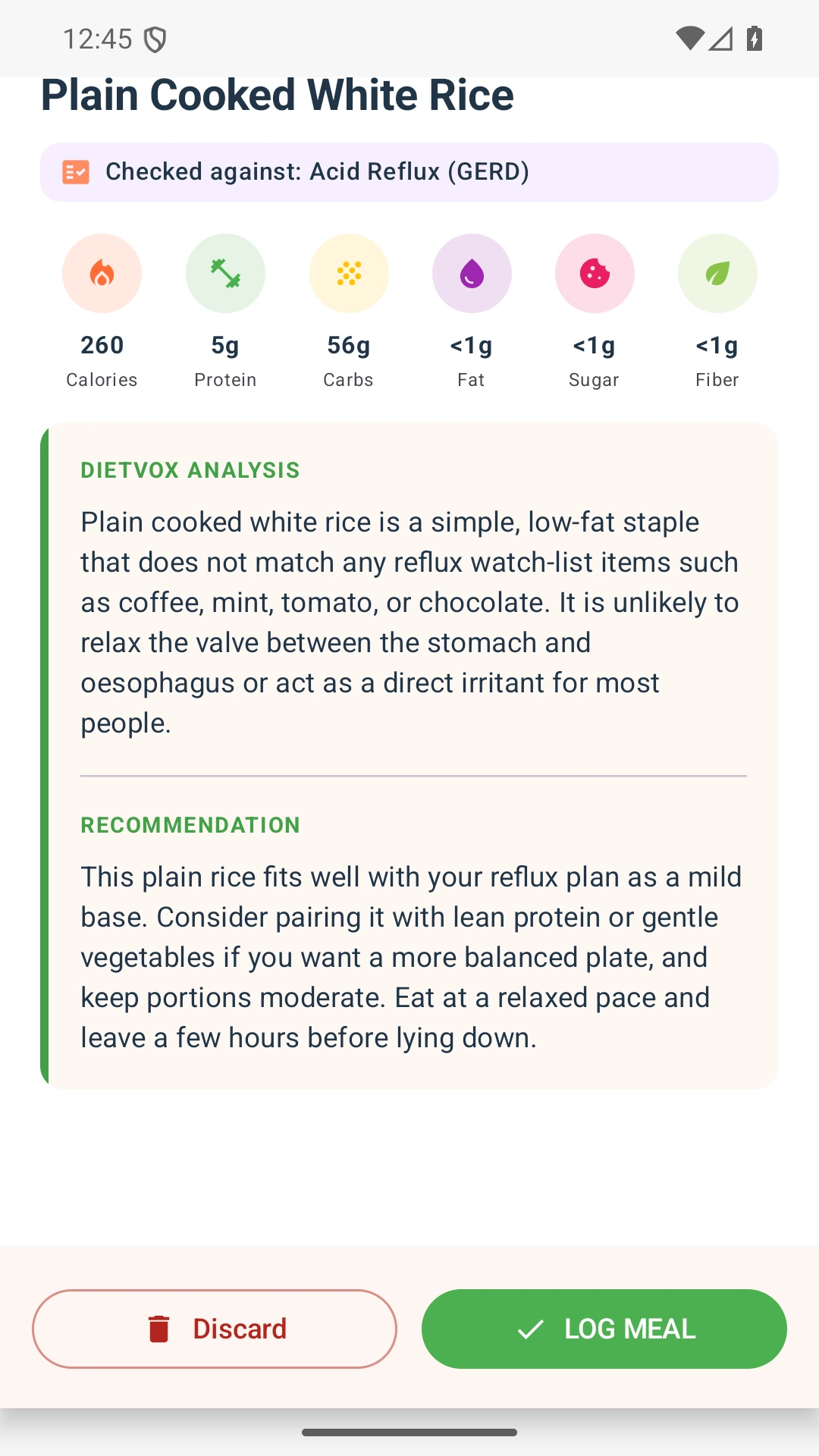
For individuals managing gastroesophageal reflux disease (GERD), a common question is is rice good for gerd? Based on a thorough review of health guidance and nutrition profile, DietVox rates rice as GREEN. This rating indicates that rice is a safe and generally beneficial food for most people following a GERD (Acid Reflux) Diet.

Rice is a staple food globally, valued for its versatility and digestibility. For those with GERD, its bland nature, low acidity, and low-fat profile make it an excellent component of a symptom-management plan. It can serve as a gentle source of carbohydrates and energy without irritating the esophagus or triggering common reflux mechanisms. This article will delve into the source support behind this rating, explore the nutritional properties of rice relevant to GERD, and provide practical advice for incorporating it into your diet safely.

Nutritional Profile of Rice in the Context of GERD

Understanding the nutritional composition of rice is key to appreciating its role in a GERD-friendly diet. The data below is for 100g of standard cooked white rice.

  • Calories: 130.0 kcal
  • Protein: 2.7 g
  • Fat: 0.3 g
  • Carbohydrates: 28.2 g
  • Dietary Fibre: 0.4 g

Source: USDA FoodData Central (FDC ID 168878)

The most critical takeaway for GERD management is the extremely low fat content. Dietary fat is a well-established trigger for reflux symptoms because it can delay gastric emptying and decrease the pressure of the lower esophageal sphincter (LES), allowing stomach acid to flow back into the esophagus American College of Gastroenterology acid reflux guidance. At just 0.3g of fat per 100g, plain rice poses virtually no risk in this regard.

Its primary component, complex carbohydrates, provides a steady source of energy. Unlike simple sugars found in sodas or sweets, the complex carbohydrates in rice are less likely to cause digestive issues that could exacerbate reflux.

White Rice vs. Brown Rice for GERD

A frequent point of discussion is the choice between white and brown rice. While nutritionally distinct, both can fit into a GERD diet, though one may be preferable depending on individual symptoms and tolerance.

White Rice: White rice has had its bran and germ removed, which strips away much of its fibre, vitamins, and minerals. For GERD, this can be an advantage. With only 0.4g of fibre per 100g, it is exceptionally easy to digest. During an acute flare-up of GERD or for those with a particularly sensitive digestive system, white rice is often the safer, more soothing option. Its blandness and low-residue nature mean it passes through the stomach with minimal irritation.

Brown Rice: Brown rice is a whole grain, retaining its bran and germ. This results in a higher nutritional value, particularly in dietary fibre (approximately 1.8g per 100g) USDA FoodData Central (FDC ID 169704). A high-fibre diet is generally associated with a reduced risk of GERD over the long term, possibly by promoting healthy digestion and weight management PubMed / NIH. However, for some individuals, the higher fibre content can lead to bloating and gas, which may increase abdominal pressure and worsen reflux symptoms. The best approach is to test personal tolerance, perhaps starting with small portions of brown rice when your symptoms are well-managed.

Practical Tips for Eating Rice on a GERD Diet

How you prepare and what you combine with rice is just as important as the rice itself. Following these tips can help ensure it remains a GERD-friendly food.

  1. Prioritize Simple Preparation: Steaming or boiling are the ideal cooking methods. This requires no added fat. Avoid fried rice, which involves significant amounts of oil and often includes other trigger ingredients like onion and garlic.
  1. Manage Portion Sizes: Overeating is a primary trigger for acid reflux, as a full stomach exerts pressure on the LES NHS. Despite rice's low calorie density, its low satiety return means it can be easy to consume large quantities. Use measuring cups to serve a reasonable portion (e.g., ½ to 1 cup cooked) as part of a balanced meal.
  1. Choose GERD-Friendly Pairings: Rice is a neutral base, but its accompaniments can easily trigger symptoms. Pair it with: * Lean Proteins: Grilled or baked chicken breast, turkey, or white fish. * Non-Acidic Vegetables: Steamed broccoli, carrots, green beans, peas, or spinach. * Low-Fat Sauces: Avoid tomato-based, cream-based, or spicy sauces. A light sauce made with herbs and a small amount of cornstarch for thickening is a safer alternative.
  1. Avoid Common Trigger Add-ins: Be mindful of ingredients often added to rice dishes. These include: * Excessive butter, oil, or ghee. * High-acidity additions like lemon juice or vinegar. * Spicy seasonings such as chili powder, cayenne pepper, or hot sauce. * Large quantities of garlic and onions, which are common triggers for many individuals ACG.

Common Misconceptions

Misconception: "All carbohydrates are bad for acid reflux." This is incorrect. The type of carbohydrate matters significantly. Complex carbohydrates from whole or refined grains like rice are generally well-tolerated. The problem often lies with highly processed simple carbohydrates or the high-fat, high-sugar foods that often accompany them (e.g., pastries, fried foods). Plain rice is one of the safest carbohydrate sources for a GERD diet.

Misconception: "Rice is too 'heavy' and will sit in my stomach." This feeling is typically associated with overeating, not the food itself. Plain white rice is one of the most easily digestible starches. If you feel overly full or bloated after eating rice, it's more likely due to portion size or what it was served with. Eating slowly and controlling portions can mitigate this feeling Harvard Health Publishing.


Disclaimer: This article is for informational purposes only and does not constitute medical advice. Always consult a healthcare provider before making changes to your diet, especially if you have a medical condition.

Scan your foods with the DietVox app to get personalized ratings based on your specific dietary needs and health goals.

Last reviewed: June 2026

How It Works

Why Rice is Rated GREEN

DietVox's GREEN rating for rice on the GERD (Acid Reflux) Diet is based on four key biochemical and mechanical properties that make it a non-triggering and potentially soothing food for individuals with reflux.

  1. Low Acidity: Rice is a naturally low-acid food. The pH of cooked rice is near neutral, typically ranging from 6.0 to 6.8. Diets for GERD management strongly advise avoiding acidic foods and beverages (like citrus, tomatoes, and coffee) that can directly irritate the esophageal lining or relax the lower esophageal sphincter (LES) American College of Gastroenterology acid reflux guidance. Rice's neutral profile ensures it does not contribute to the acid load in the stomach.
  1. Absorption of Stomach Acid: The starchy composition of rice allows it to absorb excess liquid in the stomach, including gastric acid. This can have a buffering effect, potentially reducing the acidity of the stomach contents and providing symptomatic relief for some individuals. While not a medication, consuming a small portion of plain rice can feel soothing during mild heartburn.
  1. Extremely Low Fat Content: health guidance consistently identify high-fat meals as a major contributor to GERD symptoms ACG. Fat slows down the rate at which the stomach empties its contents into the small intestine. This prolonged gastric residence time increases the window of opportunity for acid to reflux. With only 0.3g of fat per 100g, rice does not trigger this mechanism, making it a safe choice.
  1. Simple and Digestible: Especially in its white form, rice is simple for the digestive system to break down. It does not require large amounts of stomach acid for digestion and moves relatively quickly out of the stomach, reducing the risk of reflux events. This is why bland foods like rice, crackers, and oatmeal are frequently recommended as part of a GERD-friendly diet NHS.

Scan any food. Get an instant RED/AMBER/GREEN rating.

DietVox analyses every food across 4 diet protocols — no guesswork.

Try DietVox Free →

Try These Instead

Safer alternatives that won't trigger your symptoms.

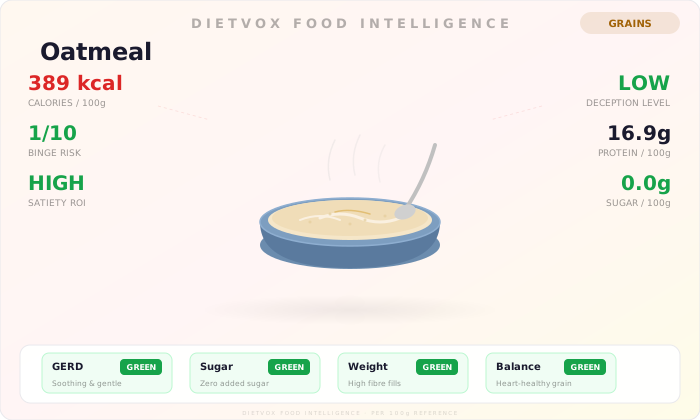
Oatmeal illustration

Oatmeal

389 kcal Grains
GREEN GERD
GREEN Sugar
GREEN Weight
GREEN Balance
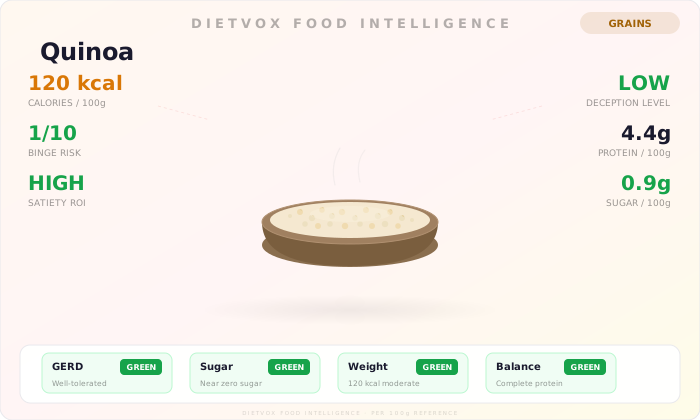
Quinoa illustration

Quinoa

120 kcal Grains
GREEN GERD
GREEN Sugar
AMBER Weight
GREEN Balance
Sweet Potato illustration

Sweet Potato

86 kcal Vegetables
GREEN GERD
GREEN Sugar
AMBER Weight
GREEN Balance

Frequently Asked Questions

Is brown rice or white rice better for acid reflux?

It depends on the individual. White rice is lower in fibre and easier to digest, making it a safer choice during active GERD flare-ups. Brown rice is more nutritious and its higher fibre content may help prevent GERD long-term, but it can cause bloating in some people. We recommend starting with white rice and introducing brown rice in small amounts to test your personal tolerance.

What are the worst things to add to rice if I have GERD?

To keep rice GERD-friendly, avoid adding high-fat ingredients like butter, cream, and oil. Steer clear of acidic components like tomato sauce, vinegar, or lemon juice. Spicy seasonings (chili, cayenne) and common triggers like large amounts of garlic and onion should also be avoided, as recommended by clinical sources like the ACG.

Can eating too much rice at once trigger my GERD symptoms?

Yes. While rice itself is a safe food, eating large meals of any kind can trigger reflux. A full stomach increases internal pressure, which can push acid up past the lower esophageal sphincter (LES). The NHS recommends eating smaller, more frequent meals to manage GERD. It is crucial to practice portion control, even with 'safe' foods like rice.

Does the type of rice (e.g., Basmati, Jasmine, Arborio) matter for GERD?

For GERD management, the specific varietal of rice (like Basmati, Jasmine, or short-grain) is generally not as important as whether it is white or brown and how it is prepared. All white rice varieties will be similarly low in fat and fibre, and all brown rice varieties will be higher in fibre. The most critical factors are to cook it without added fat and to avoid pairing it with trigger ingredients.

Related Reading