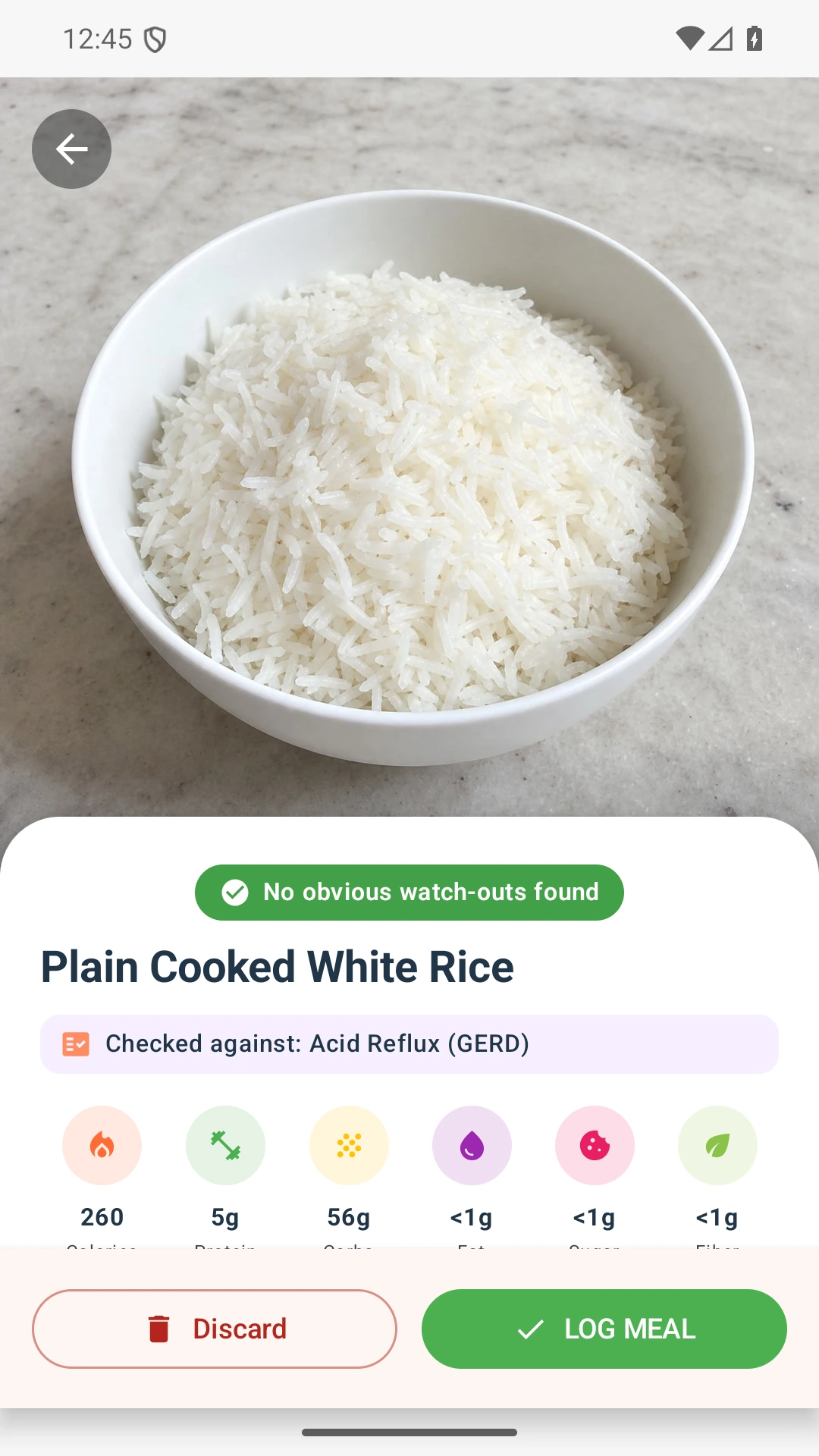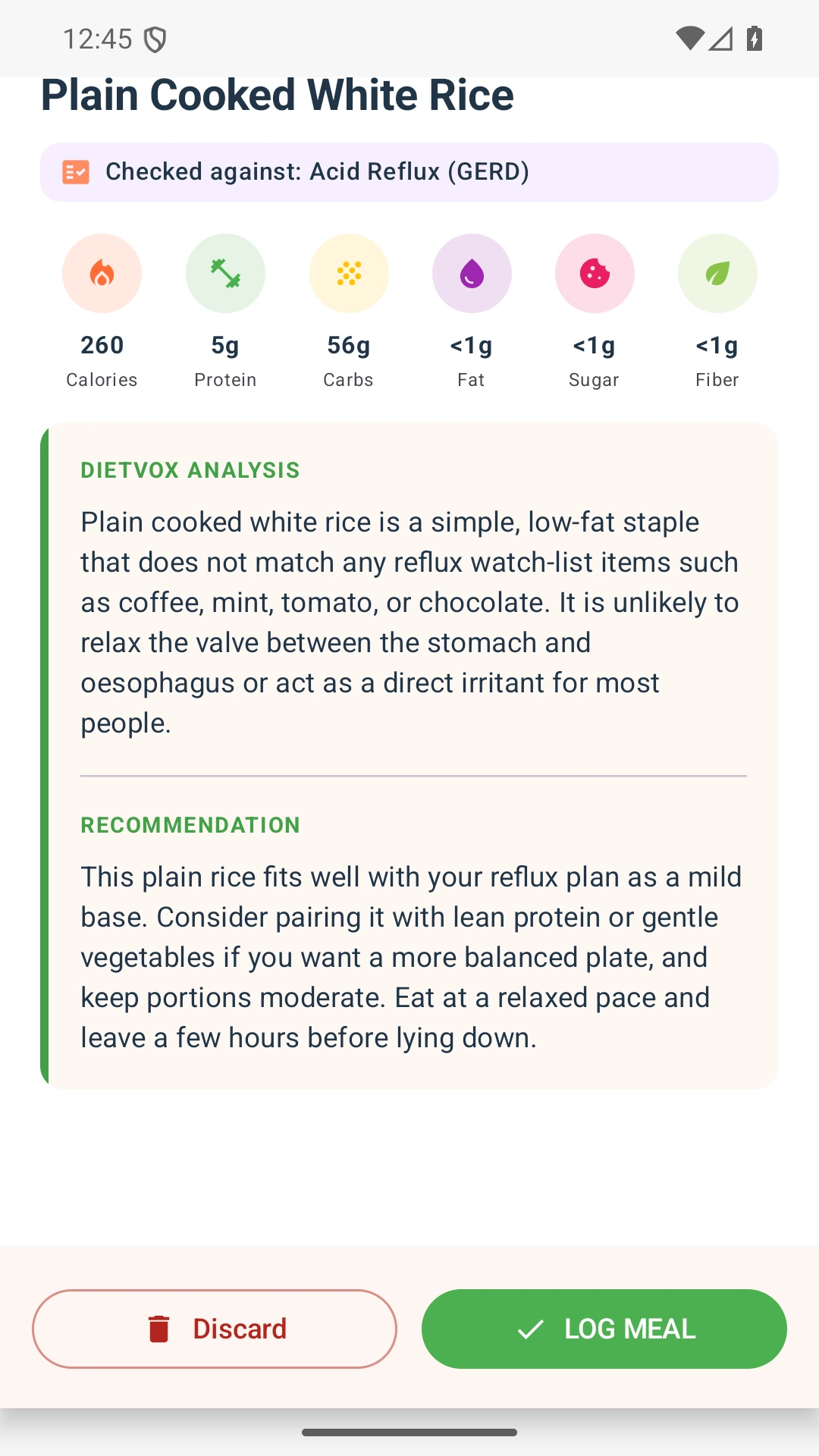
DietVox Rating: GREEN

Rice is rated GREEN for a low sugar diet. This rating signifies that rice, particularly in its plain, cooked form, has a very low content of free sugars. While many people ask, is rice low carb, the answer is no; however, its suitability for a low sugar diet depends on the distinction between carbohydrates and sugars. This article will break down the nutrition profile, explain the impact of rice on blood glucose, and provide practical strategies for including it in a balanced, low sugar lifestyle.

Understanding the GREEN Rating

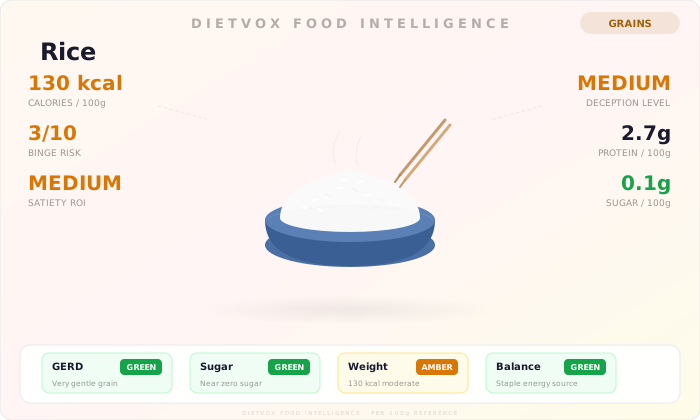
A GREEN rating from DietVox indicates a food is generally well-tolerated and suitable for the specified protocol. For a low sugar diet, this means the food contains minimal amounts of free or added sugars. Cooked white rice contains just 0.1g of sugar per 100g, making it an excellent choice based on this primary metric USDA FoodData Central (FDC ID 169756).

However, the GREEN rating comes with an important caveat: rice is a high-starch food. Starches are complex carbohydrates that the body breaks down into glucose (sugar) for energy. This means that while rice is not sweet and contains negligible direct sugar, it will still raise blood sugar levels after consumption. The key to managing this effect lies in understanding the glycemic index, portion control, and strategic food pairing.

Nutritional Analysis for a Low Sugar Diet

To understand rice's role in a low sugar diet, we must look beyond the sugar content and analyse its full carbohydrate profile and impact on satiety.

Macronutrient Profile (per 100g cooked white rice): - Carbohydrates: 28.2g - Sugars: 0.1g - Dietary Fibre: 0.4g - Protein: 2.7g - Fat: 0.3g - Calories: 130 kcal

Source: USDA FoodData Central (FDC ID 169756)

The most critical figures for a low sugar diet are the extremely low sugar content (0.1g) and the significant carbohydrate load (28.2g). The World Health Organization (WHO) recommends limiting free sugar intake, and rice easily fits within these guidelines as it contains virtually no free sugars WHO.

The Glycemic Index (GI) and Blood Sugar

The Glycemic Index is a scale from 0 to 100 that ranks carbohydrate-containing foods by how much they raise blood glucose levels. Foods with a high GI are rapidly digested and cause a quick spike in blood sugar.

  • White Rice: Typically has a high GI, often around 73. This can vary depending on the grain type (e.g., short-grain vs. long-grain) International glycemic index tables review.
  • Brown Rice: Generally has a lower GI, around 68, due to its higher fibre content, which slows down digestion.

For individuals on a low sugar diet to manage blood glucose, the high GI of white rice is a crucial consideration. A rapid increase in blood sugar can lead to a subsequent crash, potentially causing energy slumps and cravings. Therefore, while rice is technically low in sugar, its metabolic effect is similar to consuming a sugary substance, albeit over a slightly longer period.

Health Forensics: A Deeper Look

Our Health Forensics model evaluates foods on practical metrics crucial for dietary success.

  • Calorie Density: LOW At 130 kcal per 100g, rice has a low calorie density. This means you can consume a visually satisfying portion without a heavy caloric penalty, which is beneficial for overall energy balance.
  • Satiety ROI: LOW Satiety Return on Investment (ROI) measures how full a food makes you feel for its calories. Rice scores poorly here. With only 2.7g of protein and 0.4g of fibre, it does little to promote lasting fullness. This can make it easy to overeat or to feel hungry again shortly after a meal, a potential pitfall when managing overall sugar and calorie intake.
  • Tracking Difficulty: MEDIUM Estimating a portion of rice can be challenging. A 'cup' can vary significantly depending on how it's packed. A visual estimation error of 15-25% is common, which can lead to a substantial miscalculation of carbohydrate intake. Using measuring cups or a food scale is recommended for accurate tracking.

Practical Strategies for Including Rice in a Low Sugar Diet

Given its low sugar content but high GI, incorporating rice successfully into a low sugar diet requires a strategic approach.

  1. Prioritise Portion Control: This is the most critical factor. A standard portion should be around 1/2 to 1 cup (cooked). Using smaller plates can help manage portions visually.
  1. Choose Lower-GI Varieties: Whenever possible, opt for brown, wild, or basmati rice. These varieties have a lower glycemic index than standard short-grain white rice, leading to a more gradual rise in blood sugar NHS.
  1. The Power of Pairing: Never eat rice alone. Combining it with sources of protein, healthy fat, and fibre can significantly lower the overall glycemic load of the meal. The presence of these other macronutrients slows stomach emptying and the rate at which glucose enters the bloodstream American Diabetes Association food and nutrition guidance. Excellent pairings include: - Chicken breast or fish (protein) - Lentils or beans (protein and fibre) - Avocado or olive oil (healthy fats) - Broccoli, spinach, or bell peppers (fibre)
  1. Cook, Cool, and Reheat: Cooking and then cooling starchy foods like rice increases their resistant starch content. Resistant starch is not fully digested in the small intestine and acts more like a dietary fibre, leading to a lower glycemic response. Reheating the cooled rice does not destroy the resistant starch formed PubMed.

Disclaimer: This article is for informational purposes only and does not constitute medical advice. Always consult a healthcare provider before making changes to your diet, especially if you have a medical condition.

Scan your foods with the DietVox app to get personalized ratings based on your specific dietary needs and health goals.

Last reviewed: June 2026

How It Works

Why Rice is Rated GREEN

Rice earns a GREEN rating for a low sugar diet primarily because its content of 'free sugars'—the monosaccharides and disaccharides added to foods, plus sugars naturally present in honey, syrups, and fruit juices—is negligible. Our analysis of cooked white rice shows just 0.1g of sugar per 100g, based on data from the USDA FoodData Central (FDC ID 169756).

The core principle of a low sugar diet is to minimise these free sugars, which are linked to negative health outcomes when consumed in excess WHO. Rice, in its natural state, aligns perfectly with this principle.

However, the rating acknowledges the nuance of its high starch content. The body's digestive enzymes break down these starches into glucose, which is then absorbed into the bloodstream. This process is why rice has a high Glycemic Index (GI) and impacts blood sugar levels. The GREEN rating reflects that while this metabolic effect is real and needs management (through portioning and pairing), the food itself is not a source of the free sugars that a low sugar protocol specifically targets for reduction. It is 'low in sugar' but not 'low impact' on blood sugar.

Scan any food. Get an instant RED/AMBER/GREEN rating.

DietVox analyses every food across 4 diet protocols — no guesswork.

Try DietVox Free →

Try These Instead

Safer alternatives that won't trigger your symptoms.

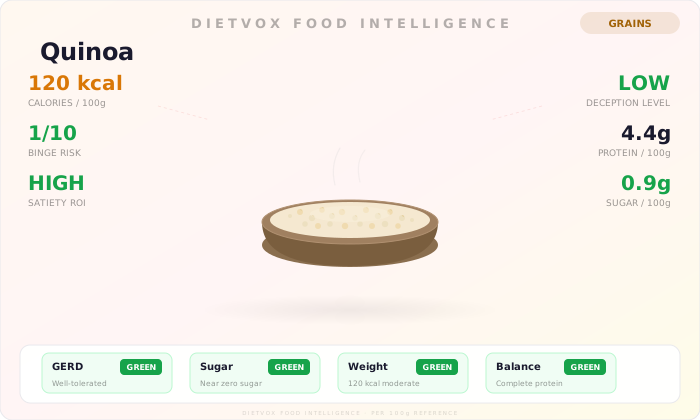
Quinoa illustration

Quinoa

120 kcal Grains
GREEN GERD
GREEN Sugar
AMBER Weight
GREEN Balance
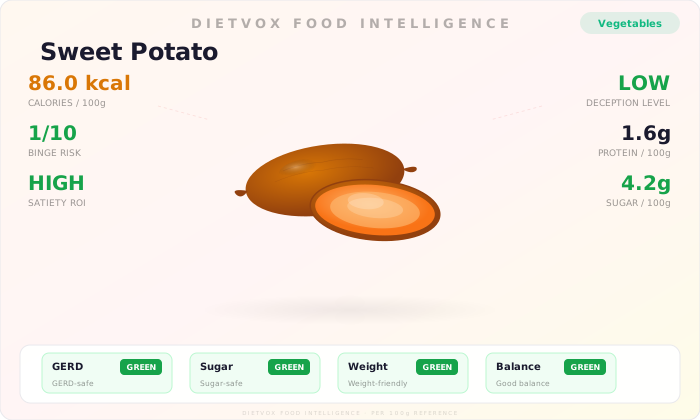
Sweet Potato illustration

Sweet Potato

86 kcal Vegetables
GREEN GERD
GREEN Sugar
AMBER Weight
GREEN Balance
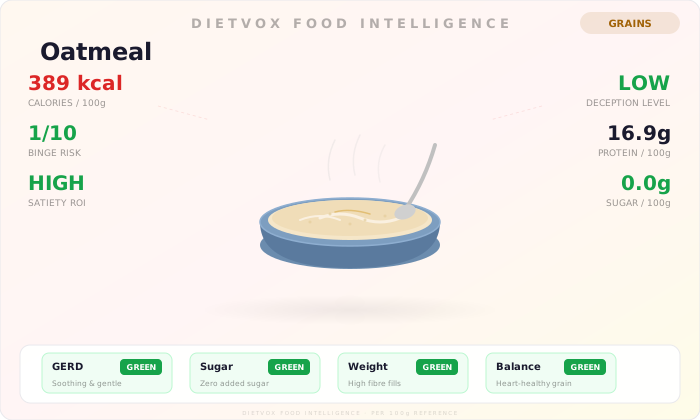
Oatmeal illustration

Oatmeal

389 kcal Grains
GREEN GERD
GREEN Sugar
GREEN Weight
GREEN Balance

Frequently Asked Questions

Is brown rice better than white rice on a low sugar diet?

Yes, brown rice is generally a better choice. While both are very low in free sugars, brown rice has more dietary fibre (1.8g vs 0.4g per 100g). This extra fibre helps to slow the digestion of carbohydrates, leading to a more gradual increase in blood sugar. Brown rice has a lower Glycemic Index (GI) than white rice, making it a more favourable option for blood sugar management International glycemic index tables review.

How does rice affect blood sugar levels if it's low in sugar?

Rice affects blood sugar because it is high in starch, a type of complex carbohydrate. During digestion, the body breaks down this starch into simple sugar (glucose), which is then absorbed into the bloodstream. Because white rice has little fibre to slow this process, the conversion happens quickly, causing a rapid spike in blood sugar. This is why it has a high Glycemic Index (GI), despite containing almost no 'free sugar' NHS.

What's the difference between rice being 'low sugar' and 'low carb'?

This is a crucial distinction. 'Low sugar' refers to the amount of simple sugars (like sucrose or fructose) in a food. Rice is very low in these, with only 0.1g per 100g. 'Low carb' refers to the total amount of carbohydrates (sugars, starches, and fibre). Rice is a high-carbohydrate food, with 28.2g per 100g. Therefore, rice is suitable for a low sugar diet but not for a low carbohydrate diet like the ketogenic diet.

Can I eat rice every day on a low sugar diet?

Yes, you can include rice in a daily low sugar diet, provided you follow key strategies. Focus on strict portion control (about 1/2 to 1 cup cooked), choose lower-GI varieties like brown or basmati rice when possible, and always pair it with protein, healthy fats, and high-fibre vegetables. This balanced approach helps mitigate the impact on your blood sugar and ensures the meal is nutritionally complete.

Related Reading