DietVox Rating: GREEN

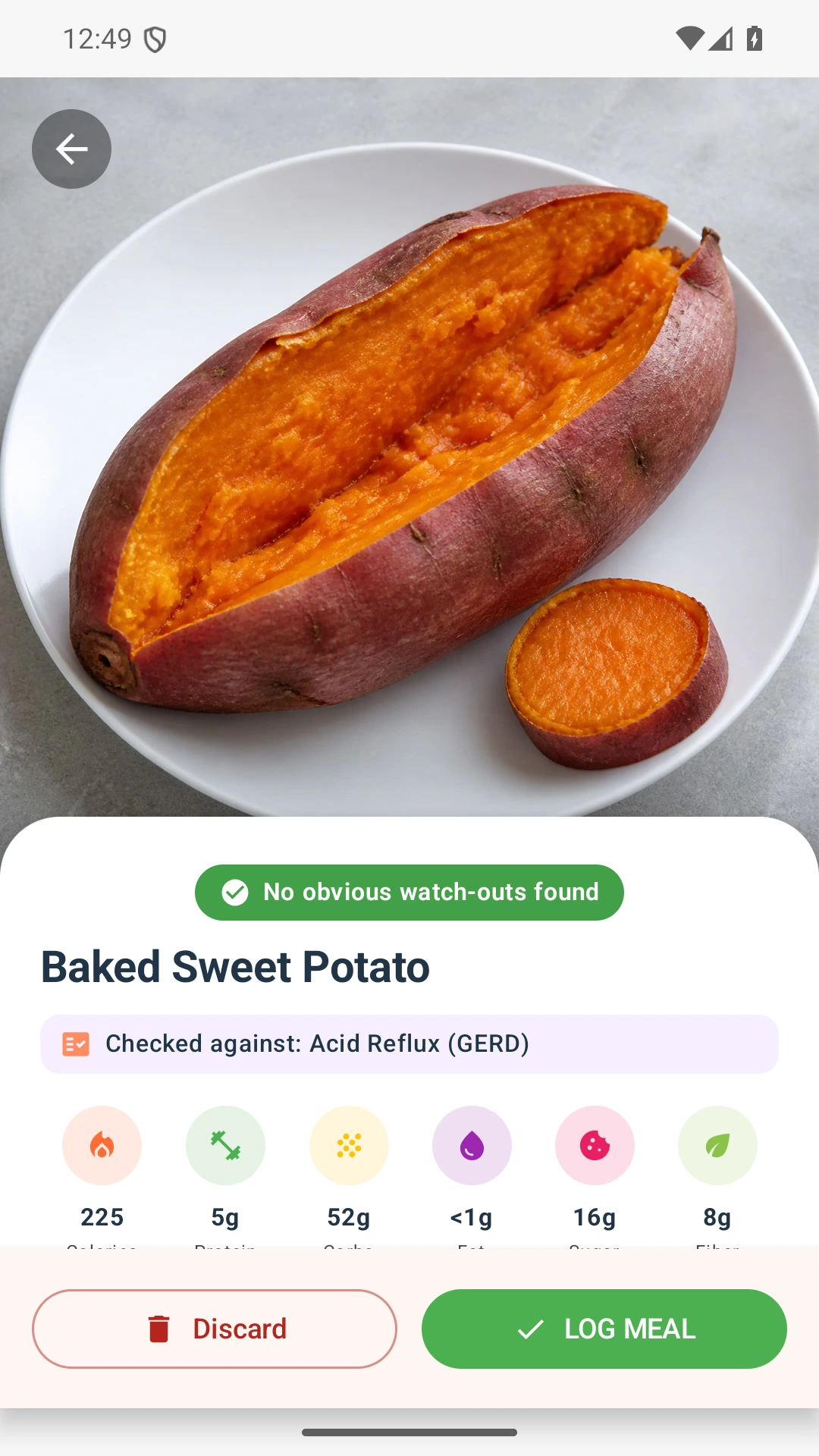
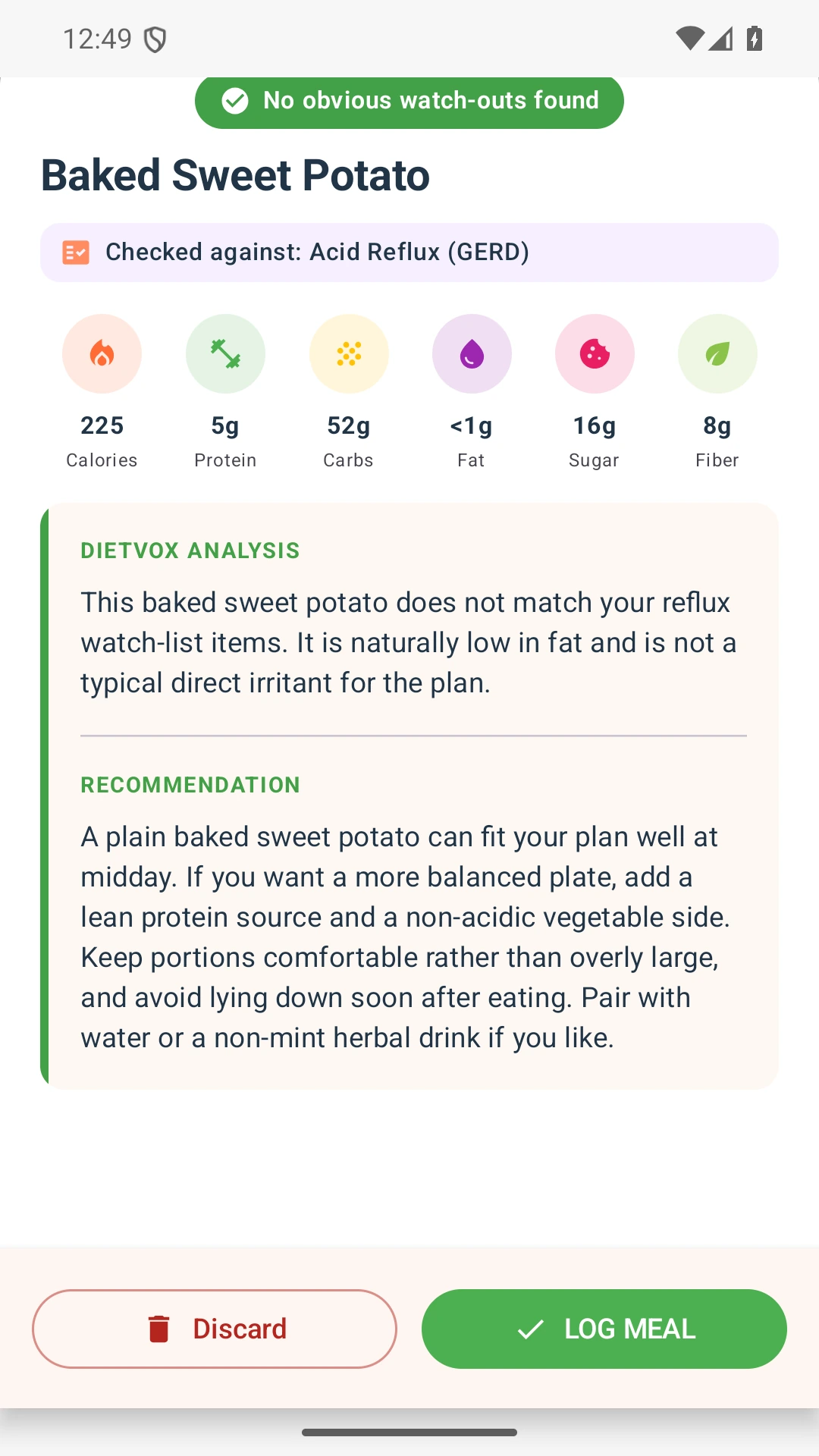
Sweet Potato is rated GREEN for a low sugar diet. This rating signifies that it is a beneficial food that can be regularly included in a diet focused on managing sugar intake and maintaining stable blood glucose levels. Many people ask, is sweet potato low carb? While not strictly a low-carbohydrate food in the context of ketogenic diets, its carbohydrate profile is highly favourable for a low sugar protocol due to its moderate sugar content, high fibre, and impressive nutrient density.

Sweet Potato's Nutritional Profile: A Low Sugar Perspective

To understand why sweet potato earns a GREEN rating, a detailed look at its nutritional composition is essential. Per 100g, raw sweet potato contains:

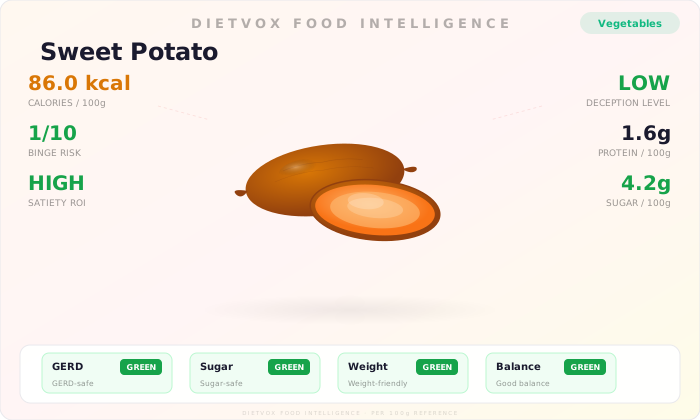
  • Calories: 86 kcal
  • Carbohydrates: 20.1g
  • Sugars: 4.2g
  • Dietary Fibre: 3.0g
  • Protein: 1.6g
  • Fat: 0.1g

Source: USDA FoodData Central (FDC ID 168482)

The most critical numbers for a low sugar diet are the sugar and fibre content. At 4.2g, the sugar content is modest for a food known for its sweet taste. More importantly, the 3.0g of dietary fibre plays a crucial role. Dietary fibre is a type of carbohydrate that the body cannot digest. Its presence slows down the absorption of sugars into the bloodstream, helping to prevent the sharp spikes in blood glucose that a low sugar diet aims to avoid NHS.

The Glycemic Impact of Sweet Potato

The Glycemic Index (GI) is a measure of how quickly a food containing carbohydrates raises blood glucose levels. Foods are ranked on a scale of 0 to 100. A lower GI is preferable for a low sugar diet.

Sweet potato's GI can vary significantly depending on the cooking method. For example:

  • Boiled Sweet Potato: Has a low-to-medium GI, typically ranging from 44 to 61.
  • Baked Sweet Potato: Has a much higher GI, which can be over 90.

Source: International glycemic index tables review

This difference occurs because the cooking process alters the starch structure. Boiling helps retain more resistant starch, which is not easily digested and acts similarly to fibre. In contrast, the prolonged dry heat of baking breaks down the complex starches into more readily available sugars, leading to a faster and higher rise in blood sugar PubMed. Therefore, for those on a low sugar diet, boiling or steaming sweet potato is the recommended preparation method.

Beyond the Sugar: Micronutrients and Health Benefits

Sweet potato is more than just a source of carbohydrates; it is a nutrient-dense food. Its vibrant orange colour is due to beta-carotene, a precursor to Vitamin A. A single 100g serving provides 709µg of Vitamin A, which is critical for healthy vision, immune function, and cell growth WHO.

It is also a good source of potassium (337mg per 100g), an essential mineral that helps regulate fluid balance, muscle contractions, and blood pressure MedlinePlus potassium overview. The combination of high fibre, essential vitamins, and minerals makes sweet potato a valuable component of a health-conscious, low sugar eating plan.

Practical Tips for a Low Sugar Diet

To successfully incorporate sweet potato into your low sugar diet, consider these practical strategies:

  1. Prioritise Boiling or Steaming: As discussed, these methods help maintain a lower glycemic impact compared to baking, roasting, or frying.
  2. Practice Portion Control: While healthy, sweet potato is still a source of carbohydrates. A serving size of about one medium potato (130-150g) is a sensible amount for most meals.
  3. Pair with Protein and Healthy Fats: Eating sweet potato alongside a source of protein (like grilled chicken or beans) and healthy fat (like avocado or a drizzle of olive oil) can further slow down carbohydrate absorption and improve satiety American Diabetes Association food and nutrition guidance.
  4. Avoid Sugary Additions: Skip toppings like brown sugar, maple syrup, or marshmallows, which are common in some recipes. Instead, season with herbs and spices like cinnamon, paprika, or rosemary for flavour without added sugar.
  5. Leave the Skin On: The skin of the sweet potato is an excellent source of fibre. Scrub it well and eat it to maximise the fibre intake and further moderate the food's glycemic response.

Disclaimer: This article is for informational purposes only and does not constitute medical advice. Always consult a healthcare provider before making changes to your diet, especially if you have a medical condition.

Scan your foods with the DietVox app to get personalized ratings based on your specific dietary needs and health goals.

Last reviewed: June 2026

How It Works

Why Sweet Potato is Rated GREEN

Sweet potato earns a GREEN rating for a low sugar diet due to a combination of its carbohydrate quality, fibre content, and overall nutrient density. The mechanism is threefold:

  1. Moderate Natural Sugar Content: Despite its name, sweet potato contains only 4.2g of sugar per 100g USDA FoodData Central (FDC ID 168482). The majority of its 20.1g of carbohydrates are complex starches, which the body breaks down more slowly than simple sugars.
  1. High Dietary Fibre: With 3.0g of fibre per 100g, sweet potato helps to slow down the digestion and absorption of its own sugars. This fibre blunts the post-meal blood glucose response, promoting more stable energy levels, which is a primary goal of a low sugar diet MedlinePlus fiber overview.
  1. Favourable Glycemic Profile (When Prepared Correctly): When boiled or steamed, sweet potato has a low-to-medium glycemic index. This means it releases glucose into the bloodstream at a slower, more manageable rate compared to high-GI foods. This effect is attributed to the preservation of resistant starch during these cooking methods PubMed. This controlled release is highly beneficial for blood sugar management.

Scan any food. Get an instant RED/AMBER/GREEN rating.

DietVox analyses every food across 4 diet protocols — no guesswork.

Try DietVox Free →

Try These Instead

Safer alternatives that won't trigger your symptoms.

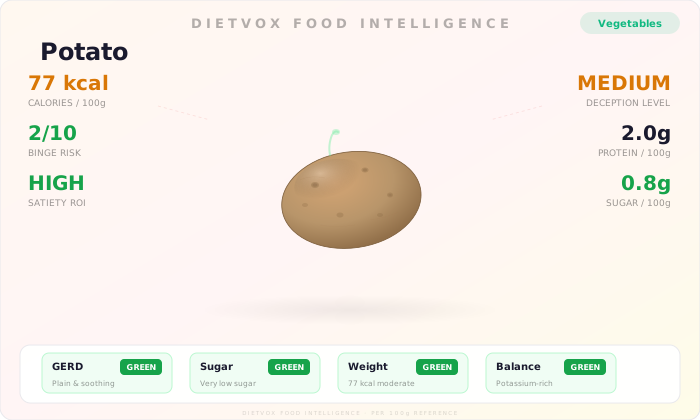
Potato illustration

Potato

77 kcal Vegetables
GREEN GERD
GREEN Sugar
AMBER Weight
GREEN Balance
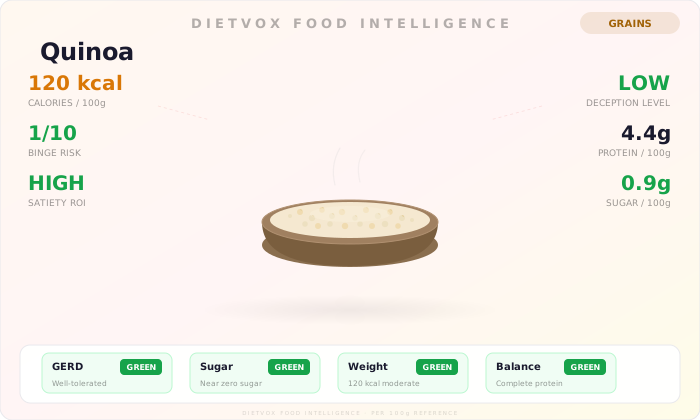
Quinoa illustration

Quinoa

120 kcal Grains
GREEN GERD
GREEN Sugar
AMBER Weight
GREEN Balance
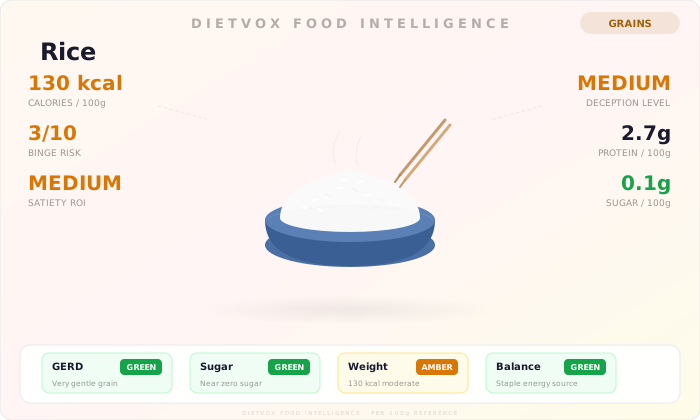
Rice illustration

Rice

130 kcal Grains
GREEN GERD
GREEN Sugar
AMBER Weight
AMBER Balance
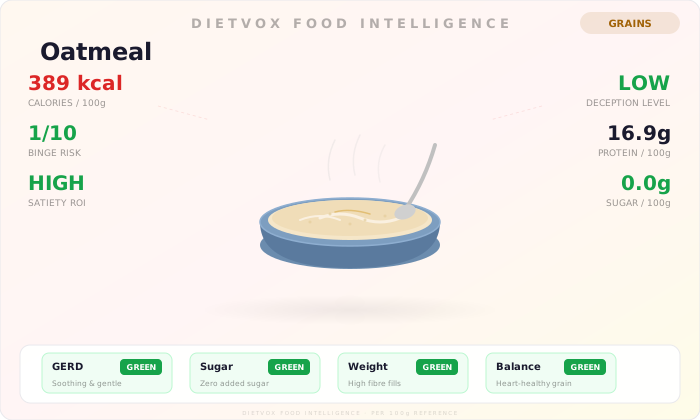
Oatmeal illustration

Oatmeal

389 kcal Grains
GREEN GERD
GREEN Sugar
GREEN Weight
GREEN Balance

Frequently Asked Questions

Is sweet potato better than white potato for a low sugar diet?

Generally, yes. Sweet potato often has a slightly lower glycemic index (especially when boiled) and contains significantly more Vitamin A. White potatoes, particularly when baked or mashed, can have a very high glycemic index, causing a more rapid spike in blood sugar. However, the preparation method and portion size are critical for both International glycemic index tables review.

Does the cooking method for sweet potato affect its sugar content?

The cooking method does not change the total amount of sugar, but it significantly affects how your body absorbs it by altering the starch structure. Baking or roasting breaks down starches into more easily digestible sugars, which raises the food's glycemic index (GI). Boiling or steaming preserves more resistant starch, resulting in a lower GI, which is the preferred outcome for a low sugar diet PubMed.

Can I eat sweet potato every day on a low sugar diet?

Yes, a moderate portion of sweet potato can be included daily as part of a varied and balanced diet. The World Health Organization (WHO) emphasizes dietary diversity to ensure a broad intake of essential nutrients. While sweet potato is a healthy choice, it's important to also consume a variety of other non-starchy vegetables, lean proteins, and healthy fats WHO.

What is a good portion size for sweet potato on a low sugar diet?

A sensible portion size for most people is about one medium sweet potato, which weighs approximately 130-150g (around 5 ounces). This provides about 26-30g of carbohydrates, including 4-5g of fibre, making it a satisfying and nutritionally balanced portion that is unlikely to cause a significant blood sugar spike when part of a mixed meal.

Related Reading