DietVox Rating: GREEN
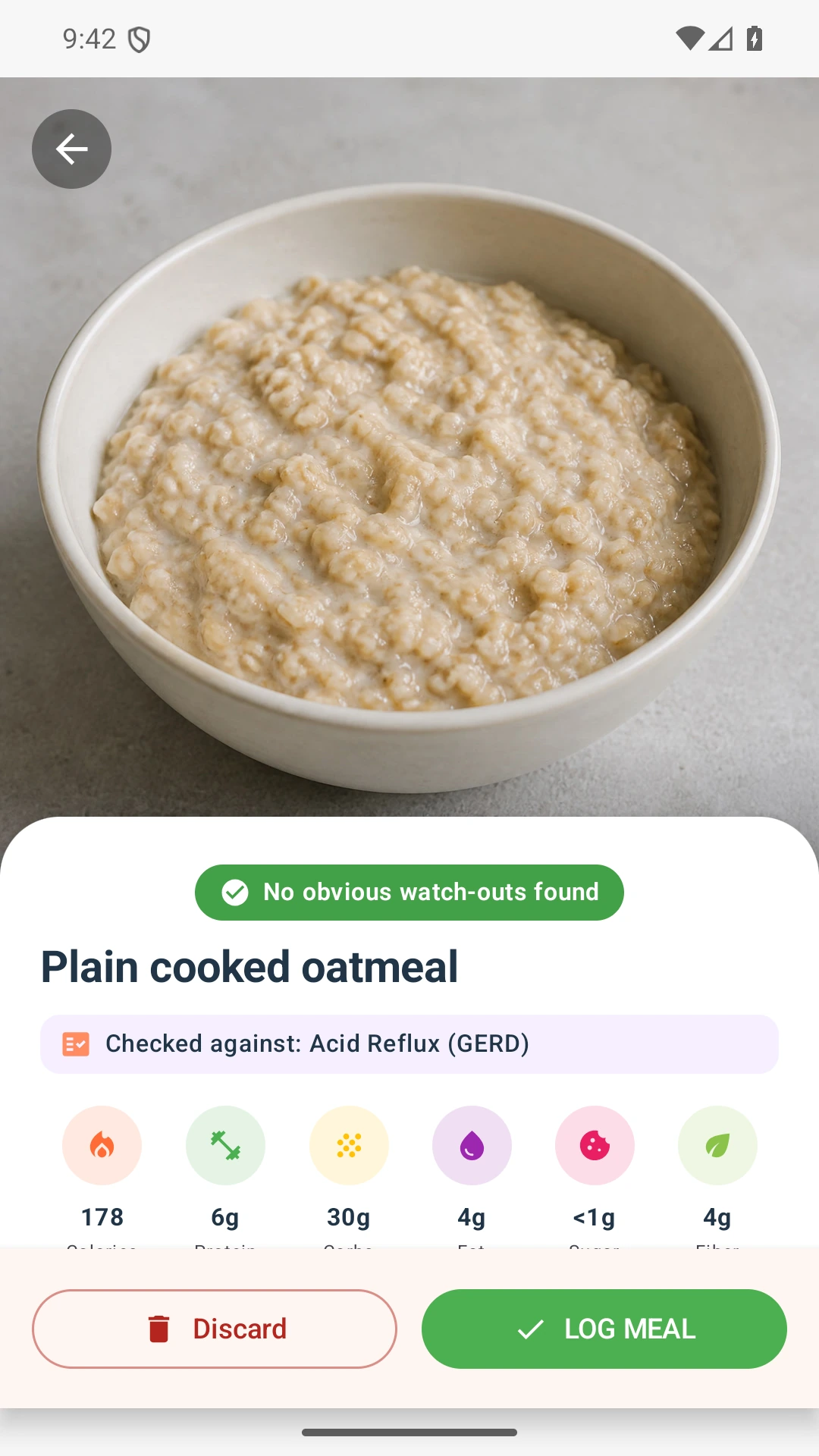
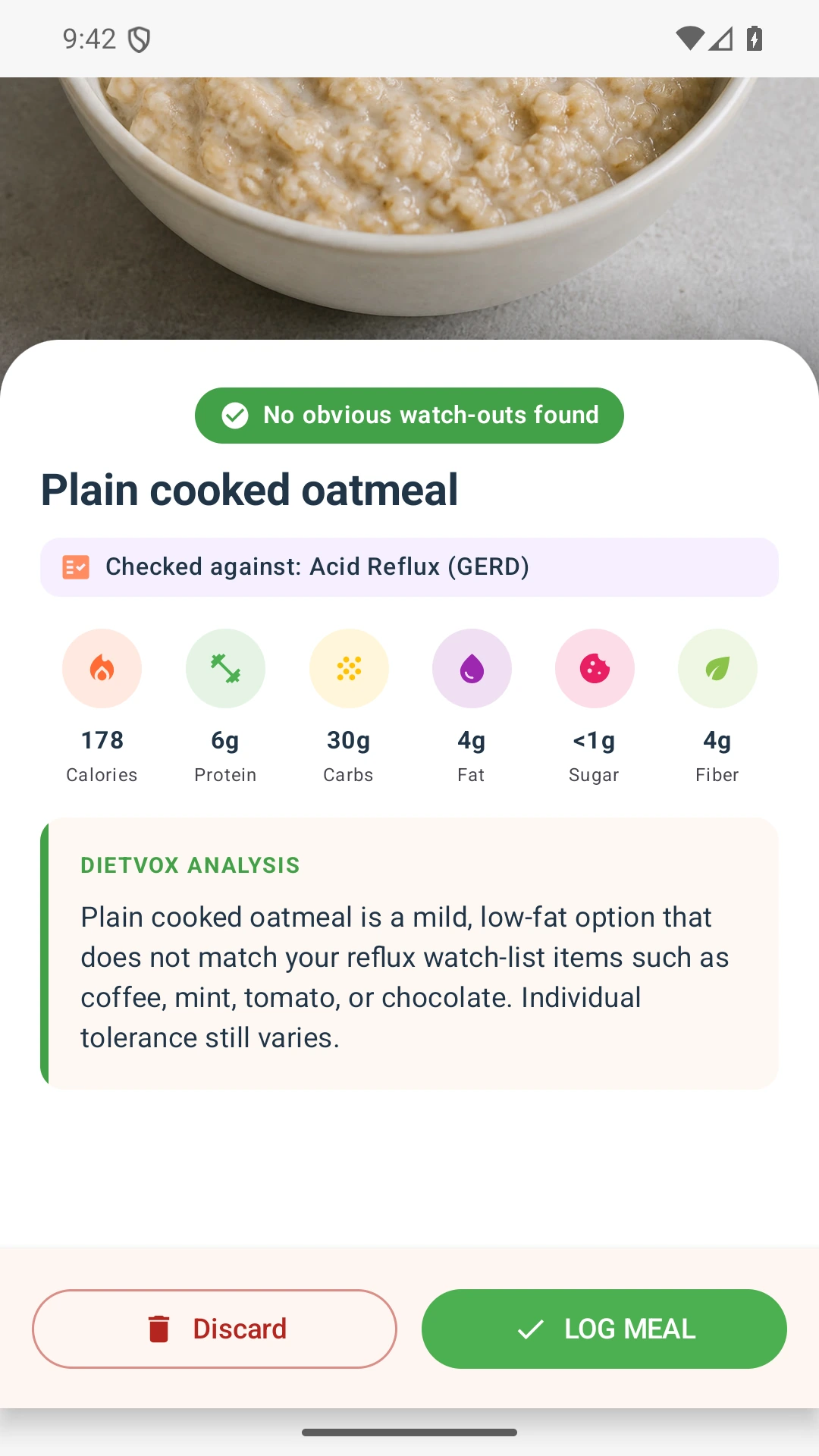
Oatmeal earns a GREEN rating for a low-sugar diet, but with a critical condition: you must choose the right kind. Plain, unprocessed oats are a nutritional powerhouse, virtually free of sugar and packed with beneficial fibre. However, the oatmeal landscape is filled with pre-packaged, flavoured varieties that can derail a low-sugar protocol. This analysis breaks down the source support, separating the healthy whole grain from the sugary imposters.
Many people following a low-sugar diet often ask, is oatmeal low carb? The answer is no. Per 100g of dry rolled oats, there are 66.3g of carbohydrates USDA FoodData Central (FDC ID 170411). However, it's crucial to distinguish between total carbohydrates and 'free sugars'. A low-sugar diet focuses on minimising added and free sugars, not necessarily all carbohydrates. The carbohydrates in oatmeal are complex and paired with a high fibre content, which significantly changes how your body processes them.
Nutritional Profile: The Low-Sugar Advantage
The nutritional data for 100g of dry, rolled oats reveals why it's a staple for health-conscious individuals:
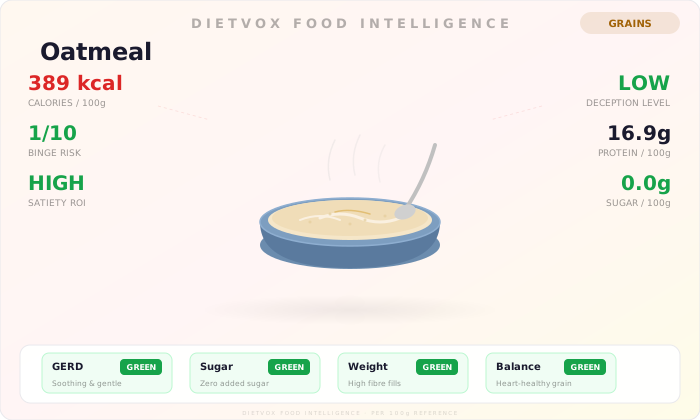
- Sugar: 0.0g
- Carbohydrates: 66.3g
- Dietary Fibre: 10.6g
- Protein: 16.9g
- Fat: 6.9g
Source: USDA FoodData Central (FDC ID 170411)
The standout figure here is the sugar content: zero. This applies to pure, unadulterated oats. The high dietary fibre content, particularly a type of soluble fibre called beta-glucan, is the key to its benefits for blood sugar management. Beta-glucan forms a gel-like substance in the gut, slowing down the digestion and absorption of carbohydrates. This leads to a more gradual increase in blood glucose and insulin levels after a meal, a significant benefit for anyone on a low-sugar diet MedlinePlus cholesterol overview.
The Added Sugar Trap: Instant vs. Plain Oats
The primary pitfall with oatmeal is the convenience of instant, flavoured packets. While quick to prepare, these products often contain substantial amounts of added 'free sugars'—the very thing a low-sugar diet aims to eliminate. The World Health Organization (WHO) recommends adults limit their intake of free sugars to less than 10% of their total energy intake, which is about 25-30 grams per day for most adults WHO.
A single packet of flavoured instant oatmeal (e.g., Maple & Brown Sugar) can contain 10-15 grams of added sugar. This one small meal could account for half of your recommended daily limit. This is why our GREEN rating is strictly for plain oats, such as:
- Steel-Cut Oats: The whole oat groat cut into pieces. They are the least processed and take the longest to cook.
- Rolled Oats (Old-Fashioned): Oat groats that have been steamed and rolled flat. They cook faster than steel-cut oats.
- Plain Instant Oats: Rolled oats that are cut finer and rolled thinner. Ensure the ingredients list only 'oats'.
Glycemic Index: Why the Type of Oat Matters
The Glycemic Index (GI) is a scale from 0 to 100 that ranks carbohydrate-containing foods by how much they raise blood sugar levels. Foods with a low GI are digested and absorbed more slowly, causing a gentler rise in blood sugar.
- Steel-cut oats have a low GI, typically around 55.
- Rolled oats have a medium GI, slightly higher than steel-cut.
- Instant oats have the highest GI of the three, often over 75, because the heavy processing allows for faster digestion International glycemic index tables review.
For a low-sugar diet focused on metabolic health, choosing lower-GI steel-cut or rolled oats is the superior strategy. This minimises blood sugar spikes and provides sustained energy, which aligns perfectly with the protocol's goals.
Practical Tips for a Low-Sugar Oatmeal Bowl
To keep your oatmeal firmly in the GREEN zone for a low-sugar diet, follow these guidelines:
- Start with a Plain Base: Always choose steel-cut, rolled, or plain instant oats. Read the ingredients label to ensure it only contains 'whole grain oats'.
- Add Fibre and Healthy Fats: Mix in a tablespoon of chia seeds, ground flaxseed, or a handful of walnuts or almonds. These additions further slow carbohydrate absorption and increase satiety.
- Incorporate Low-Sugar Fruits: Top your bowl with a small handful of berries (raspberries, blueberries, strawberries). These are low in sugar and high in antioxidants and fibre.
- Use Natural, Sugar-Free Flavourings: A sprinkle of cinnamon can help regulate blood sugar and adds natural sweetness. Nutmeg, cardamom, or a drop of vanilla extract are also excellent choices.
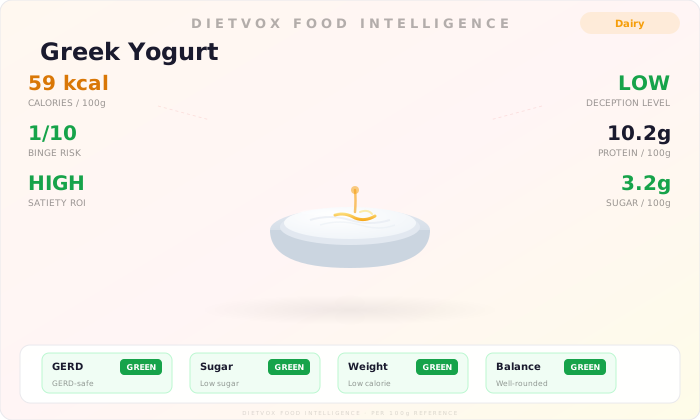
- Boost the Protein: To enhance satiety and further stabilise blood sugar, stir in a scoop of unflavoured protein powder or a dollop of plain Greek yogurt.
By following these tips, you can create a delicious, filling, and highly nutritious meal that fully supports your low-sugar lifestyle.
Disclaimer: This article is for informational purposes only and does not constitute medical advice. Always consult a healthcare provider before making changes to your diet, especially if you have a medical condition.
Scan your foods with the DietVox app to get personalized ratings based on your specific dietary needs and health goals.
Last reviewed: June 2026
How It Works
Why Oatmeal is Rated GREEN
DietVox rates plain oatmeal GREEN for a low-sugar diet based on three key mechanisms:
- Virtually No Free Sugar: In its natural, unprocessed form, oatmeal contains 0g of sugar per 100g USDA FoodData Central (FDC ID 170411). Its carbohydrate content comes from complex starches, not the simple 'free sugars' that are the primary target of a low-sugar diet.
- High Soluble Fibre Content: Oatmeal is rich in a soluble fibre called beta-glucan. direct source support shows that beta-glucan slows gastric emptying and the rate at which carbohydrates are absorbed in the gut. This results in a blunted glycemic response, preventing the sharp blood sugar spikes associated with high-sugar foods PubMed.
- Excellent Satiety: The combination of high protein (16.9g/100g) and high fibre (10.6g/100g) makes oatmeal incredibly filling. This high satiety helps prevent overeating and reduces cravings for sugary snacks between meals, supporting overall adherence to a low-sugar protocol.
Important Caveat: This GREEN rating is conditional. It applies only to plain, unsweetened oats. Pre-packaged, flavoured instant oatmeal varieties often contain high levels of added sugar (10-15g per serving) and would receive a RED rating under this protocol.
Scan any food. Get an instant RED/AMBER/GREEN rating.
DietVox analyses every food across 4 diet protocols — no guesswork.
Try DietVox Free →Try These Instead
Safer alternatives that won't trigger your symptoms.
Frequently Asked Questions
Is oatmeal low carb?
No, oatmeal is not a low-carbohydrate food, containing 66.3g of carbohydrates per 100g of dry oats. However, for a low-sugar diet, it is an excellent choice. Its carbohydrates are complex and are paired with high fibre, which slows down digestion and prevents the rapid blood sugar spikes caused by simple sugars. The focus of a low-sugar diet is on the *type* of carbohydrate, not just the total amount.
What's the difference between steel-cut, rolled, and instant oats for a low-sugar diet?
The main differences are processing level and glycemic index (GI). Steel-cut oats are the least processed and have the lowest GI, meaning they raise blood sugar most slowly. Rolled oats are steamed and flattened, giving them a medium GI. Instant oats are highly processed, have the highest GI, and are often sold in packets with significant added sugar. For a low-sugar diet, steel-cut and rolled oats are the superior choices International glycemic index tables review.
How can I sweeten my oatmeal without adding sugar?
You can add natural sweetness and flavour without sugar. A sprinkle of cinnamon or nutmeg enhances flavour perception. A small portion of low-sugar fruits like raspberries or blueberries adds sweetness and fibre. For a more direct sweet taste, non-nutritive sweeteners like stevia or monk fruit can be used in moderation, as recommended by health bodies like the NHS for managing sugar intake NHS.
Does oatmeal's high carbohydrate content turn into sugar in the body?
Yes, all digestible carbohydrates are eventually broken down into glucose (a form of sugar) to be used for energy. However, the critical factor is the speed of this conversion. The high content of soluble fibre (beta-glucan) in oatmeal dramatically slows this process. This leads to a gradual, controlled release of glucose into the bloodstream, rather than a harmful spike. This slow-release property is precisely why oatmeal is highly recommended for blood sugar management and low-sugar diets.