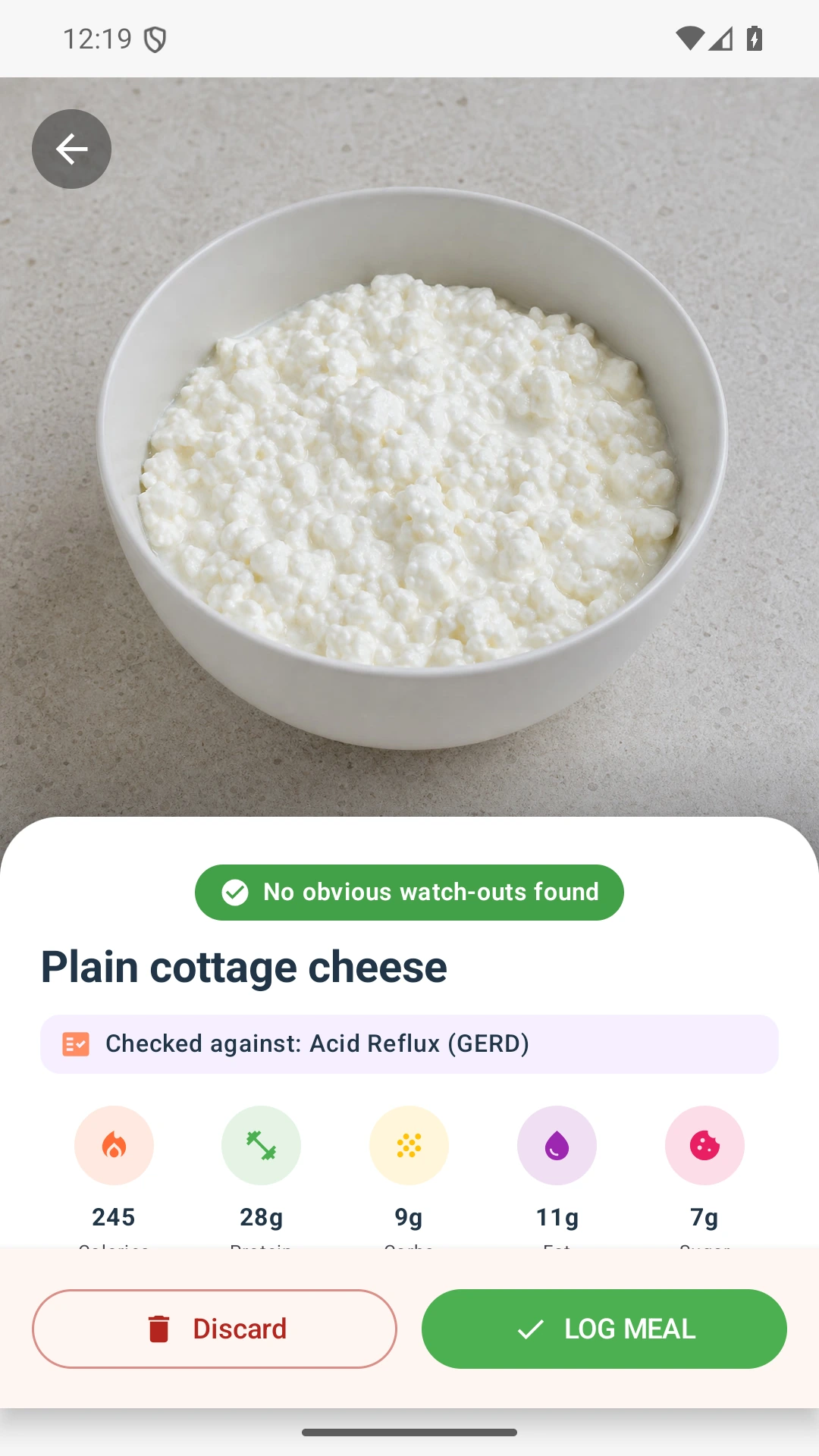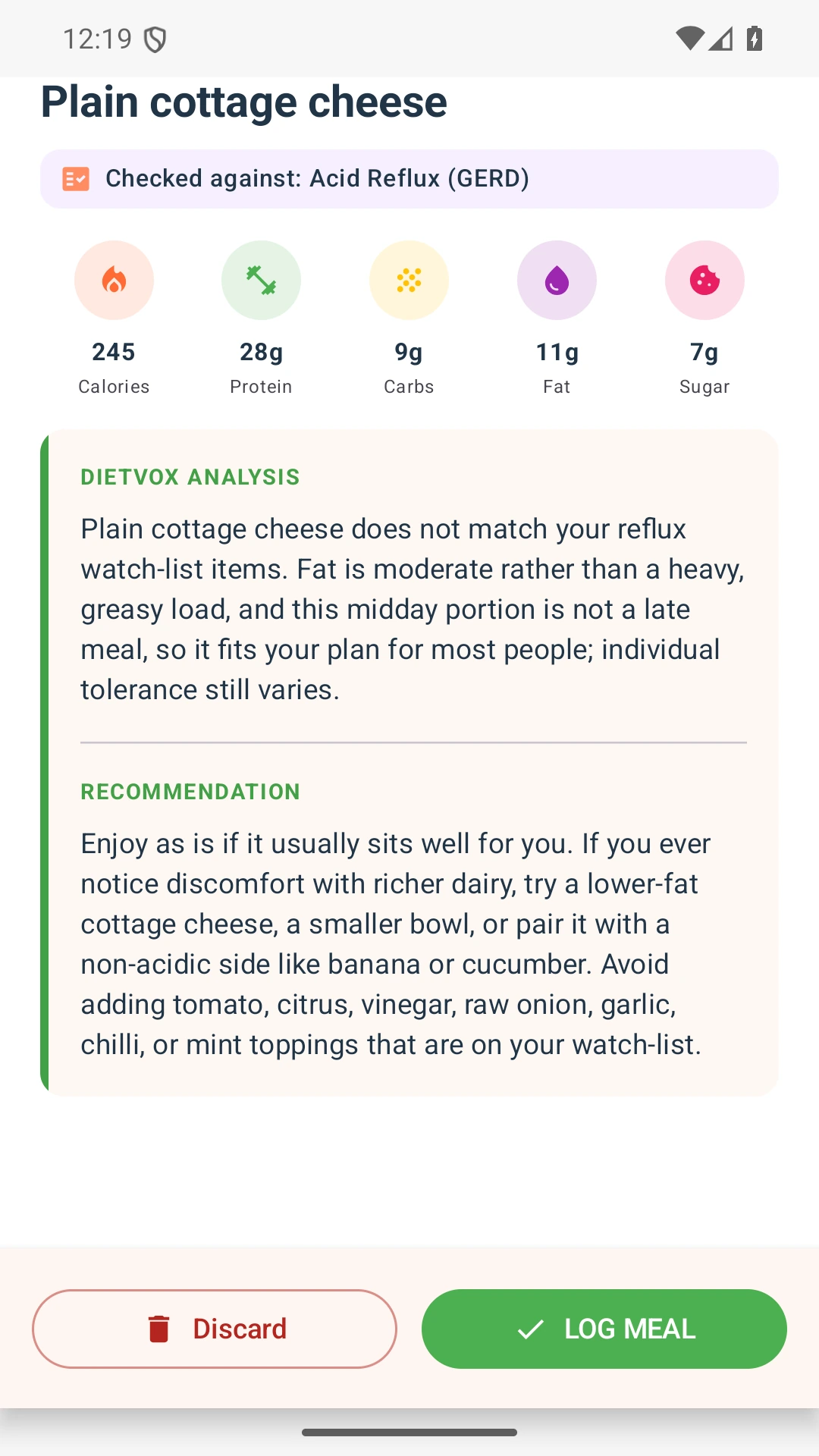
DietVox Rating: GREEN

Cottage cheese is rated GREEN for a Low Sugar Diet. This rating signifies that it is an excellent and highly compatible choice for individuals aiming to minimise sugar intake. For those on a low-sugar diet asking 'is cottage cheese low carb?', the answer is a definitive yes. Its nutritional profile is characterised by very low sugar and carbohydrate content, coupled with a high protein level, making it a powerful tool for managing blood sugar and maintaining satiety.

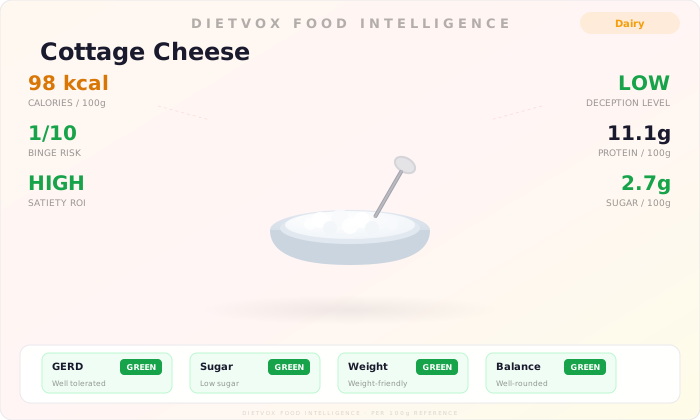
According to data from the USDA FoodData Central, a standard 100g serving of plain cottage cheese contains just 3.4g of carbohydrates, of which only 2.7g are sugars. This low sugar content, combined with 11.1g of high-quality protein, makes it a cornerstone food for a sustainable low-sugar lifestyle.

A Clinical Look at Cottage Cheese for a Low Sugar Diet

A Low Sugar Diet focuses on minimising the consumption of 'free sugars'—sugars added to foods by manufacturers, cooks, or consumers, plus sugars naturally present in honey, syrups, and fruit juices World Health Organization. The sugar in plain cottage cheese is not a free sugar; it is lactose, which is naturally occurring in milk. This distinction is critical for understanding its suitability.

Nutritional Breakdown (per 100g)

| Nutrient | Amount | Relevance to Low Sugar Diet | | :--- | :--- | :--- | | Calories | 98.0 kcal | Low calorie density supports overall metabolic health. | | Protein | 11.1 g | High protein promotes satiety, helping to manage cravings for sugary foods. | | Fat | 4.3 g | Contributes to fullness and slows carbohydrate absorption. | | Carbohydrates | 3.4 g | Very low carbohydrate content aligns perfectly with low-sugar and low-carb goals. | | Sugars | 2.7 g | Consists of naturally occurring lactose, not added 'free sugars'. | | Sodium | 364 mg | A moderate amount that should be monitored as part of daily intake. |

Source: USDA FoodData Central (FDC ID 173437)

The Role of Protein in a Low Sugar Diet

The high protein content (11.1g per 100g) is perhaps the most significant benefit of cottage cheese for this protocol. Protein has a high thermic effect of food (TEF) and is the most satiating macronutrient. direct source reviews have consistently shown that higher protein intake can reduce appetite and overall calorie consumption by increasing feelings of fullness PubMed. This effect is invaluable on a low-sugar diet, as it helps to prevent the blood sugar fluctuations and subsequent cravings that can lead to consuming sugary snacks.

Furthermore, when protein is consumed with carbohydrates, it helps to slow down the absorption of sugar into the bloodstream. This blunts the glycemic response, preventing sharp spikes in blood glucose and insulin, a primary objective of any low-sugar or low-glycemic eating plan International glycemic index tables review.

Practical Guide: Incorporating Cottage Cheese into Your Low Sugar Plan

While plain cottage cheese is an excellent choice, navigating the dairy aisle requires diligence. The key is to avoid flavoured varieties, which often contain significant amounts of added sugar that negate the food's benefits for a low-sugar diet.

How to Read the Label 1. Always Choose Plain: Opt for varieties labelled "plain," "original," or "unflavoured." 2. Check the Ingredients List: Scan for any form of added sugar. The FDA added sugars label guidance advises looking out for terms like sucrose, glucose, fructose, maltose, corn syrup, hydrolysed starch, and fruit juice concentrate. 3. Compare Nutrition Panels: If you're considering different brands of plain cottage cheese, compare the 'Sugars' line on the nutrition facts panel. They should all be similarly low, reflecting only the natural lactose content.

Low-Sugar Meal and Snack Ideas - Savoury Breakfast Bowl: Top a bowl of cottage cheese with a handful of seeds (chia, flax, or sunflower), a few chopped nuts, and some black pepper. - Protein-Packed Lunch: Use cottage cheese as a high-protein base instead of mayonnaise for a tuna, egg, or chicken salad. Serve with celery sticks or low-carb crackers. - Satisfying Snack: Mix cottage cheese with chopped herbs like dill, chives, and parsley. Use it as a dip for raw vegetables like bell peppers, cucumbers, and broccoli. - Creamy Smoothie Base: Blend plain cottage cheese with a handful of low-sugar berries (like raspberries), a scoop of protein powder, and unsweetened almond milk for a filling, low-sugar smoothie.

Common Misconceptions About Cottage Cheese and Sugar

Misconception 1: "All dairy products are high in sugar and should be avoided." This is incorrect. While milk contains lactose, the amount varies significantly across dairy products. Fermented and cultured products like plain cottage cheese and Greek yogurt are excellent low-sugar, high-protein options. The key is to differentiate between unsweetened dairy and sweetened products like flavoured yogurts or ice cream.

Misconception 2: "Fat-free cottage cheese is the healthiest choice." For a low-sugar diet, the primary concern is sugar, not fat. While fat-free versions are lower in calories, full-fat (e.g., 4%) cottage cheese can be more satiating due to its fat content. This increased satiety can be more beneficial for preventing sugar cravings later. Sometimes, when fat is removed, manufacturers may add fillers or flavourings to improve texture, so it's always important to check the label. The choice between fat-free, low-fat, and full-fat should be based on your individual caloric and dietary fat goals, not on the misconception that 'fat-free' is inherently better.

Health Forensics: DietVox Analysis

Our internal analysis framework provides further source support for cottage cheese's GREEN rating on a Low Sugar Diet.

  • Calorie Density: LOW With only 98 kcal per 100g, cottage cheese allows for generous, satisfying portions without a heavy caloric load. This is beneficial for maintaining a healthy weight, a common goal that accompanies a low-sugar lifestyle.
  • Satiety ROI: HIGH Cottage cheese delivers an exceptional feeling of fullness per calorie. This high Satiety Return on Investment (ROI) is driven by its impressive 11.1g of casein protein, which digests slowly and helps keep you full for hours, reducing the likelihood of reaching for high-sugar snacks between meals.
  • Tracking Difficulty: LOW As a simple, single-ingredient food, cottage cheese is extremely easy to measure and track. Its consistent nutritional profile makes it a reliable and predictable component of a structured low-sugar eating plan.

Disclaimer: This article is for informational purposes only and does not constitute medical advice. Always consult a healthcare provider before making changes to your diet, especially if you have a medical condition.

Scan your foods with the DietVox app to get personalized ratings based on your specific dietary needs and health goals.

Last reviewed: June 2026

How It Works

Why Cottage Cheese is Rated GREEN for a Low Sugar Diet

Cottage cheese earns its GREEN rating due to a combination of three key factors that align perfectly with the principles of a low-sugar diet.

  1. Extremely Low 'Free Sugar' Content: The 2.7g of sugar per 100g is naturally occurring lactose, an 'intrinsic sugar' found within the milk's cellular structure. Health authorities like the World Health Organization (WHO) and the FDA added sugars label guidance primarily recommend limiting 'free sugars'—those added by manufacturers or found in syrups and honey. Plain cottage cheese contains virtually no free sugars, making it an ideal choice.
  1. Minimal Impact on Blood Glucose: The food's macronutrient composition—high in protein (11.1g) and moderate in fat (4.3g)—slows down gastric emptying. This means the small amount of carbohydrate present is absorbed into the bloodstream very gradually. This process results in a low glycemic response, preventing the sharp spikes and subsequent crashes in blood sugar that can trigger hunger and cravings for more sugar American Diabetes Association food and nutrition guidance.
  1. Powerful Satiety Effect: The high concentration of casein protein in cottage cheese is known for its slow digestion and absorption rate. This provides a sustained release of amino acids, promoting a long-lasting feeling of fullness. This high satiety is a critical tool for adhering to a low-sugar diet, as it naturally reduces the desire to consume quick-energy, high-sugar foods. Numerous source reviews confirm the superior effect of protein on satiety compared to carbohydrates or fats PubMed.

Scan any food. Get an instant RED/AMBER/GREEN rating.

DietVox analyses every food across 4 diet protocols — no guesswork.

Try DietVox Free →

Try These Instead

Safer alternatives that won't trigger your symptoms.

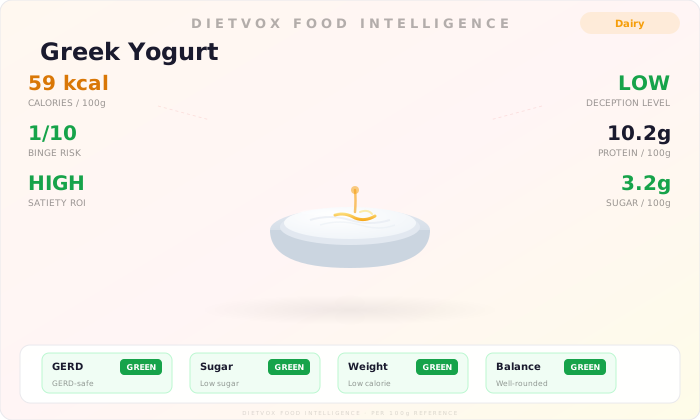
Greek Yogurt illustration

Greek Yogurt

59 kcal Dairy
GREEN GERD
GREEN Sugar
GREEN Weight
GREEN Balance
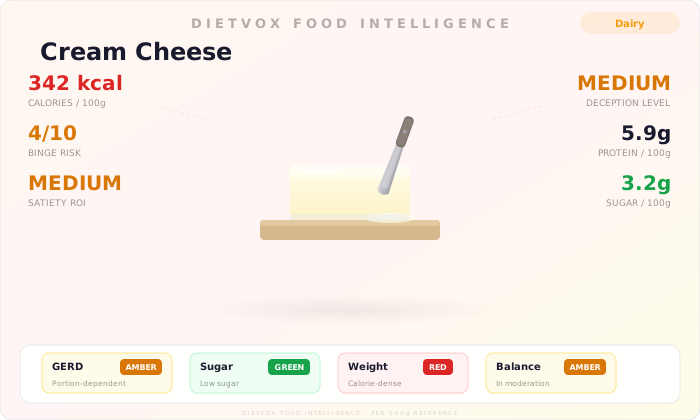
Cream Cheese illustration

Cream Cheese

342 kcal Dairy
AMBER GERD
GREEN Sugar
RED Weight
AMBER Balance
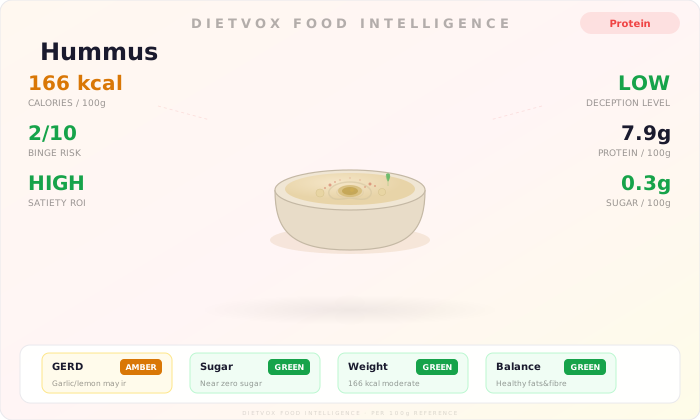
Hummus illustration

Hummus

166 kcal Protein
AMBER GERD
GREEN Sugar
GREEN Weight
AMBER Balance
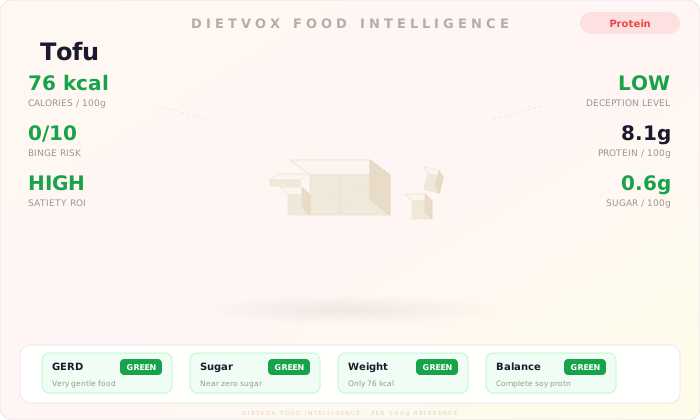
Tofu illustration

Tofu

76 kcal Protein
GREEN GERD
GREEN Sugar
GREEN Weight
GREEN Balance

Frequently Asked Questions

Should I worry about the lactose (sugar) in cottage cheese on a low-sugar diet?

No, for most people, the naturally occurring lactose in plain cottage cheese is not a concern on a low-sugar diet. The primary goal is to eliminate 'free sugars' like sucrose and high-fructose corn syrup. The lactose in cottage cheese is present in small amounts and its absorption is slowed by the high protein and fat content, leading to a minimal impact on blood sugar.

What's the difference between full-fat and low-fat cottage cheese for a low-sugar diet?

From a sugar perspective, both plain full-fat and low-fat cottage cheese are excellent choices as they are free from added sugars. The main difference is calorie and fat content. Full-fat cottage cheese may offer greater satiety, which can be beneficial for managing cravings. The best choice depends on your individual calorie and fat intake goals within your overall diet.

Are there any types of cottage cheese to avoid on a low-sugar diet?

Yes. You should strictly avoid any cottage cheese that is flavoured or comes with fruit mixed in, such as 'cottage cheese with pineapple' or 'garden vegetable' flavours. These products almost always contain significant amounts of added sugar, corn syrup, or fruit concentrates that are contrary to the goals of a low-sugar diet. Always choose plain, unflavoured varieties.

Can cottage cheese help with sugar cravings?

Yes, cottage cheese can be a powerful tool for managing sugar cravings. Its high protein content, particularly slow-digesting casein, promotes a long-lasting feeling of fullness. This helps stabilize blood sugar levels, preventing the sharp dips that often trigger intense cravings for sugary, quick-energy foods.

Related Reading