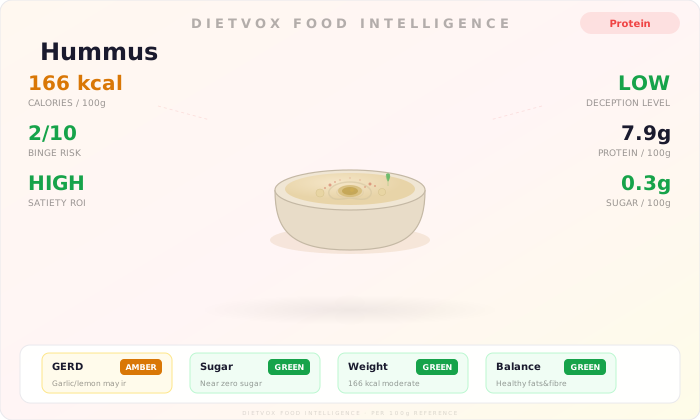
DietVox Rating: GREEN

Hummus is rated GREEN for a low-sugar diet. This rating indicates it is an excellent choice that can be consumed freely, with attention to portion sizes due to its calorie content. Its nutritional profile aligns perfectly with the goals of reducing sugar intake while promoting satiety and stable blood glucose levels. Many people following this protocol often ask, is hummus low carb? While not strictly a low-carbohydrate food, its carbohydrate composition is highly favourable for a low-sugar lifestyle due to its exceptionally low sugar and high fibre content.

A Closer Look at Hummus's Nutritional Profile

The foundation of our GREEN rating lies in the macronutrient data. According to the USDA FoodData Central, a standard 100g serving of hummus contains:

  • Sugars: 0.3g
  • Total Carbohydrates: 14.3g
  • Dietary Fibre: 6.0g
  • Protein: 7.9g
  • Fat: 9.6g
  • Calories: 166 kcal

The most critical value for a low-sugar diet is, of course, the sugar content. At just 0.3g per 100g, hummus is virtually sugar-free. This minimal amount has a negligible impact on blood sugar levels, making it a safe and reliable option.

While the total carbohydrate count of 14.3g may seem moderate, the high dietary fibre content of 6.0g is key. Fibre is a type of carbohydrate that the body cannot digest. As recommended by health authorities like the NHS, fibre slows down the rate at which other carbohydrates are absorbed into the bloodstream. This helps prevent the sharp spikes in blood sugar that a low-sugar diet aims to avoid.

The Impact of Fibre and Protein on Blood Sugar

The benefits of hummus extend beyond its low sugar content. The combination of protein and fibre creates a high 'Satiety ROI' (Return on Investment), meaning it helps you feel full and satisfied for a longer period per calorie consumed.

Dietary Fibre: The 6.0g of fibre in hummus is primarily soluble fibre from chickpeas. Soluble fibre forms a gel-like substance in the digestive tract, which slows digestion. This mechanism is crucial for blood glucose management. source review listed in PubMed consistently shows that diets rich in fibre from legumes like chickpeas can improve glycemic control in individuals managing their blood sugar. The MedlinePlus fiber overview also highlights fibre's role in achieving a healthy weight and lowering the risk of metabolic diseases by promoting fullness and moderating blood sugar response.

Protein Power: With nearly 8g of protein per 100g, hummus contributes significantly to satiety. Protein takes longer to digest than simple carbohydrates and has a minimal effect on blood sugar. According to MedlinePlus dietary protein overview, including a source of protein with meals and snacks can help stabilize energy levels and prevent the hunger pangs that can lead to reaching for sugary options.

This powerful combination of minimal sugar, high fibre, and substantial protein makes hummus a nutritional powerhouse for anyone on a low-sugar diet.

How to Incorporate Hummus into Your Low Sugar Diet

While hummus itself is an excellent choice, its benefits can be maximized or negated by how you consume it. Here are some practical, practical tips:

Choosing the Right Hummus: Watch for Hidden Sugars

Not all commercial hummus is created equal. While classic, plain hummus is generally safe, some flavoured varieties—such as sweet chili, honey-dill, or barbecue—can contain significant amounts of added sugar. The World Health Organization (WHO) advises limiting free sugar intake. Always read the nutrition label and ingredient list. Look for a sugar content close to the 0.3g benchmark and avoid products with sugar, high-fructose corn syrup, or other sweeteners listed in the ingredients.

Smart Pairing for a Balanced Snack

The traditional pairing for hummus is pita bread, which is often made from refined white flour and can cause a rapid rise in blood sugar. To stay aligned with your low-sugar goals, choose dippers that are high in fibre and low in net carbs:

  • Excellent Choices: Cucumber slices, bell pepper strips, celery sticks, broccoli florets, cherry tomatoes, and carrots.
  • Good Choices (in moderation): Whole-grain crackers or seed-based crackers. Check labels to ensure they are low in sugar and high in fibre.

Mindful Portion Control

Hummus has a medium calorie density at 166 kcal per 100g. While nutrient-rich, calories can add up quickly. A standard serving size is typically around two tablespoons (approximately 30g), which contains about 50 calories. Being mindful of portions allows you to enjoy the benefits of hummus without unintentionally overconsuming calories.

Hummus Compared to Other Common Dips

When choosing a dip, hummus stands out as a superior option for a low-sugar diet:

  • vs. French Onion Dip: Typically cream or sour cream-based, this dip is much higher in saturated fat and often contains added sugars in the flavouring mix, with almost no dietary fibre.
  • vs. Ranch Dressing: Many commercial ranch dressings contain added sugars and are high in processed vegetable oils. While some low-sugar versions exist, they lack the protein and fibre found in hummus.
  • vs. Salsa: A good low-sugar option, but it lacks the protein and fat content of hummus, making it less satiating on its own.

Hummus provides a unique balance of fibre, protein, and healthy fats from tahini and olive oil, making it one of the most well-rounded and beneficial choices for a satisfying, low-sugar snack or meal component.


Disclaimer: This article is for informational purposes only and does not constitute medical advice. Always consult a healthcare provider before making changes to your diet, especially if you have a medical condition.

Scan your foods with the DietVox app to get personalized ratings based on your specific dietary needs and health goals.

Last reviewed: June 2026

How It Works

Why Hummus is Rated GREEN for a Low Sugar Diet

DietVox's GREEN rating for hummus on a low-sugar diet is based on three key nutritional factors that work together to support stable blood sugar and satiety.

  1. Extremely Low Sugar Content: The primary reason for the GREEN rating is its near-zero sugar content. With only 0.3g of sugar per 100g, hummus has a negligible impact on blood glucose levels USDA FoodData Central. This makes it a fundamentally safe food for those strictly limiting sugar intake.
  1. High in Glycemic-Regulating Fibre: Hummus provides 6.0g of dietary fibre per 100g. This fibre, mainly from chickpeas, is crucial for slowing carbohydrate absorption. The American Diabetes Association food and nutrition guidance recommends high-fibre foods to help manage blood glucose levels. This slowing effect prevents the rapid blood sugar spikes that are counterproductive to a low-sugar protocol.
  1. Rich in Satiating Protein: The 7.9g of protein per 100g significantly contributes to fullness. Protein has a minimal impact on blood sugar and helps to moderate appetite, reducing the likelihood of craving and consuming high-sugar foods later. This synergistic effect of fibre and protein makes hummus exceptionally effective at providing sustained energy without disrupting glycemic control.

Scan any food. Get an instant RED/AMBER/GREEN rating.

DietVox analyses every food across 4 diet protocols — no guesswork.

Try DietVox Free →

Try These Instead

Safer alternatives that won't trigger your symptoms.

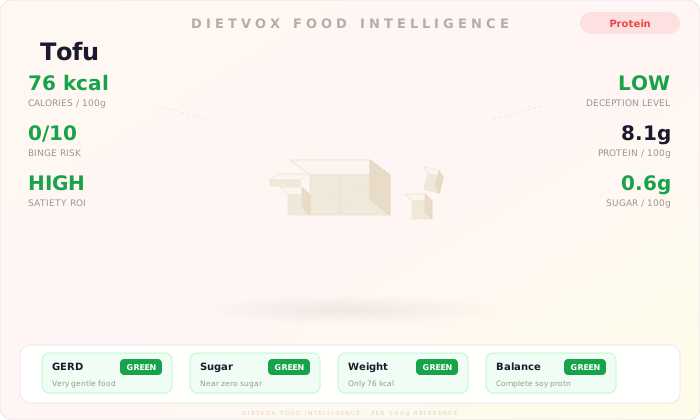
Tofu illustration

Tofu

76 kcal Protein
GREEN GERD
GREEN Sugar
GREEN Weight
GREEN Balance
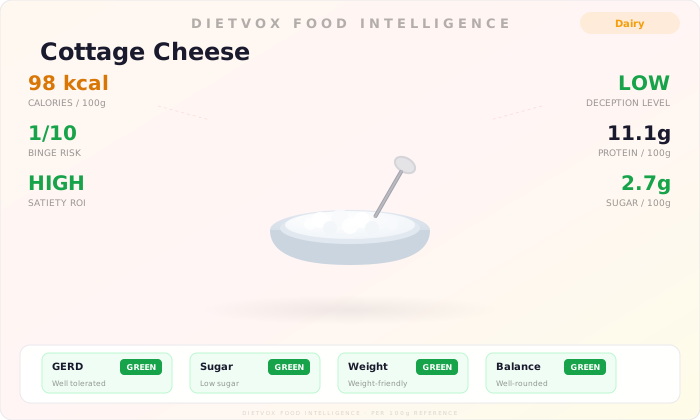
Cottage Cheese illustration

Cottage Cheese

98 kcal Dairy
GREEN GERD
GREEN Sugar
GREEN Weight
GREEN Balance
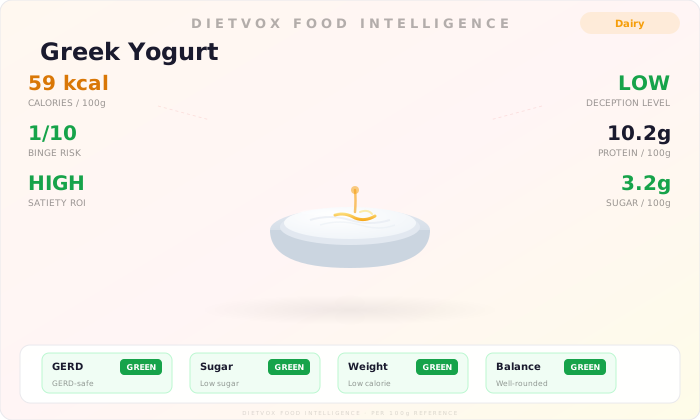
Greek Yogurt illustration

Greek Yogurt

59 kcal Dairy
GREEN GERD
GREEN Sugar
GREEN Weight
GREEN Balance
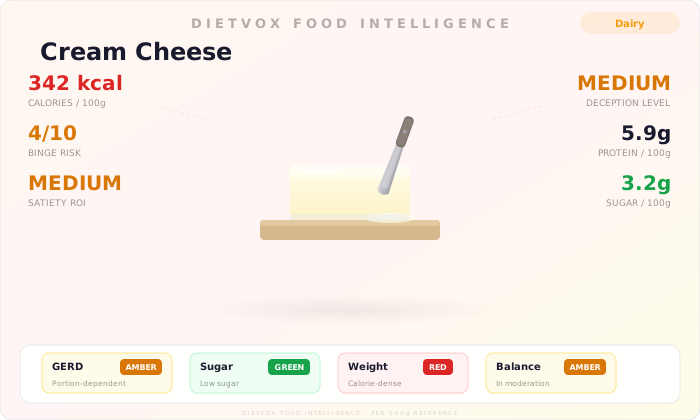
Cream Cheese illustration

Cream Cheese

342 kcal Dairy
AMBER GERD
GREEN Sugar
RED Weight
AMBER Balance

Frequently Asked Questions

Does hummus raise blood sugar?

Hummus has a very low glycemic index, meaning it is unlikely to cause a significant spike in blood sugar. This is due to its extremely low sugar content (0.3g/100g) and high levels of fibre and protein, which slow down digestion and glucose absorption into the bloodstream. According to source review on legumes cited by institutions like Harvard Health Publishing, foods like chickpeas are beneficial for glycemic control.

What should I eat with hummus on a low-sugar diet?

To keep your snack low-sugar, pair hummus with non-starchy vegetables. Excellent options include cucumber slices, bell pepper strips, celery sticks, cherry tomatoes, broccoli, and cauliflower florets. These choices add nutrients and fibre without adding sugar or refined carbohydrates.

Are all store-bought hummus brands suitable for a low-sugar diet?

No, not all brands are suitable. While classic or plain hummus is usually very low in sugar, many flavoured varieties (like sweet chili, teriyaki, or honey-roasted garlic) can contain added sugars. It is critical to read the nutrition facts panel and ingredient list to ensure there are no added sweeteners. Look for a sugar content under 1g per serving.

How does the fibre in hummus help a low-sugar diet?

The 6g of dietary fibre per 100g in hummus plays a crucial role. Fibre is not digested by the body, so it doesn't raise blood sugar. More importantly, it slows the absorption of other carbohydrates eaten during the same meal, leading to a more gradual and lower rise in blood glucose. The MedlinePlus fiber overview confirms that dietary fibre is a key component in managing blood sugar levels.

Related Reading