DietVox Rating: GREEN for Low Sugar Diet

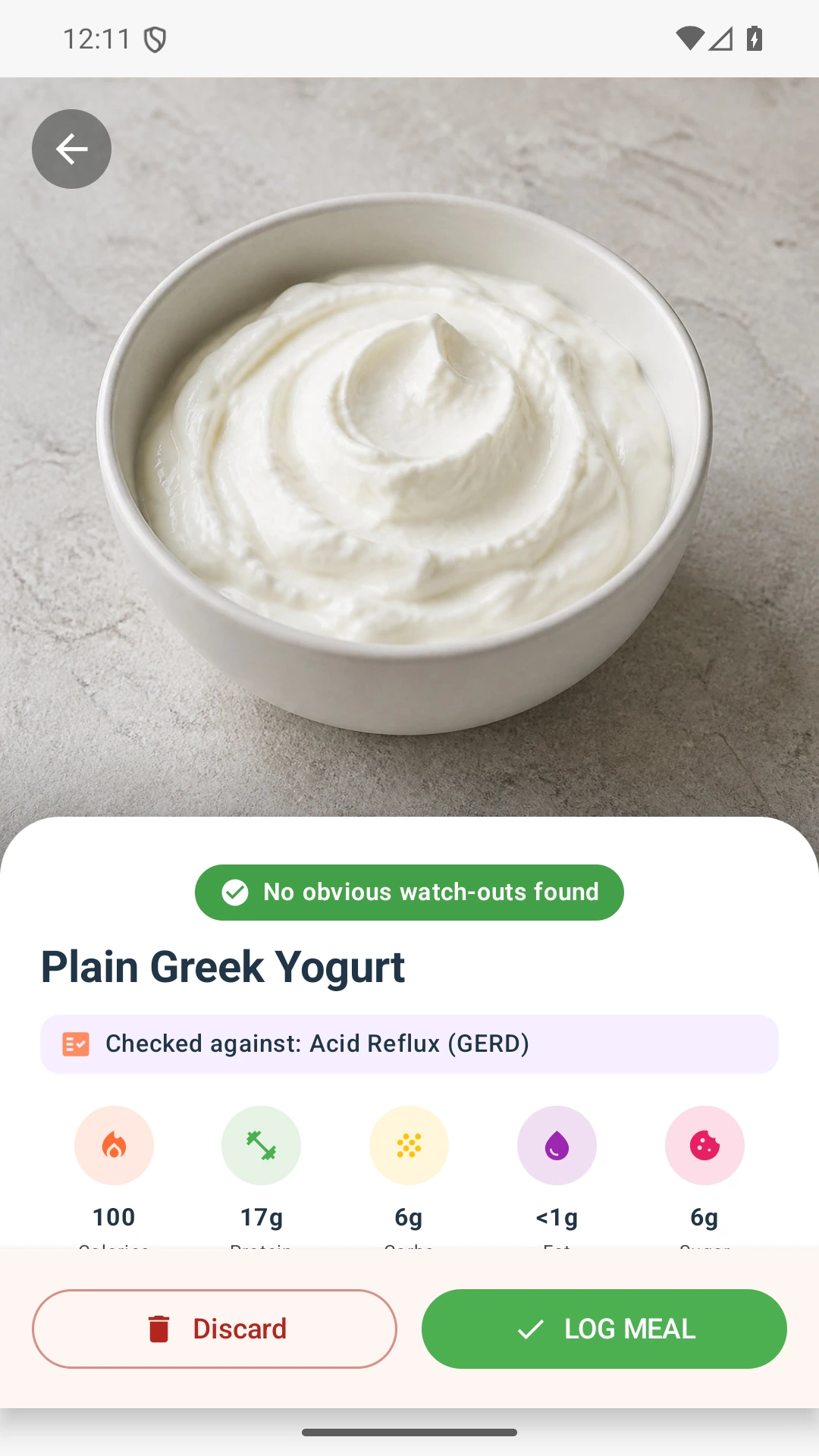
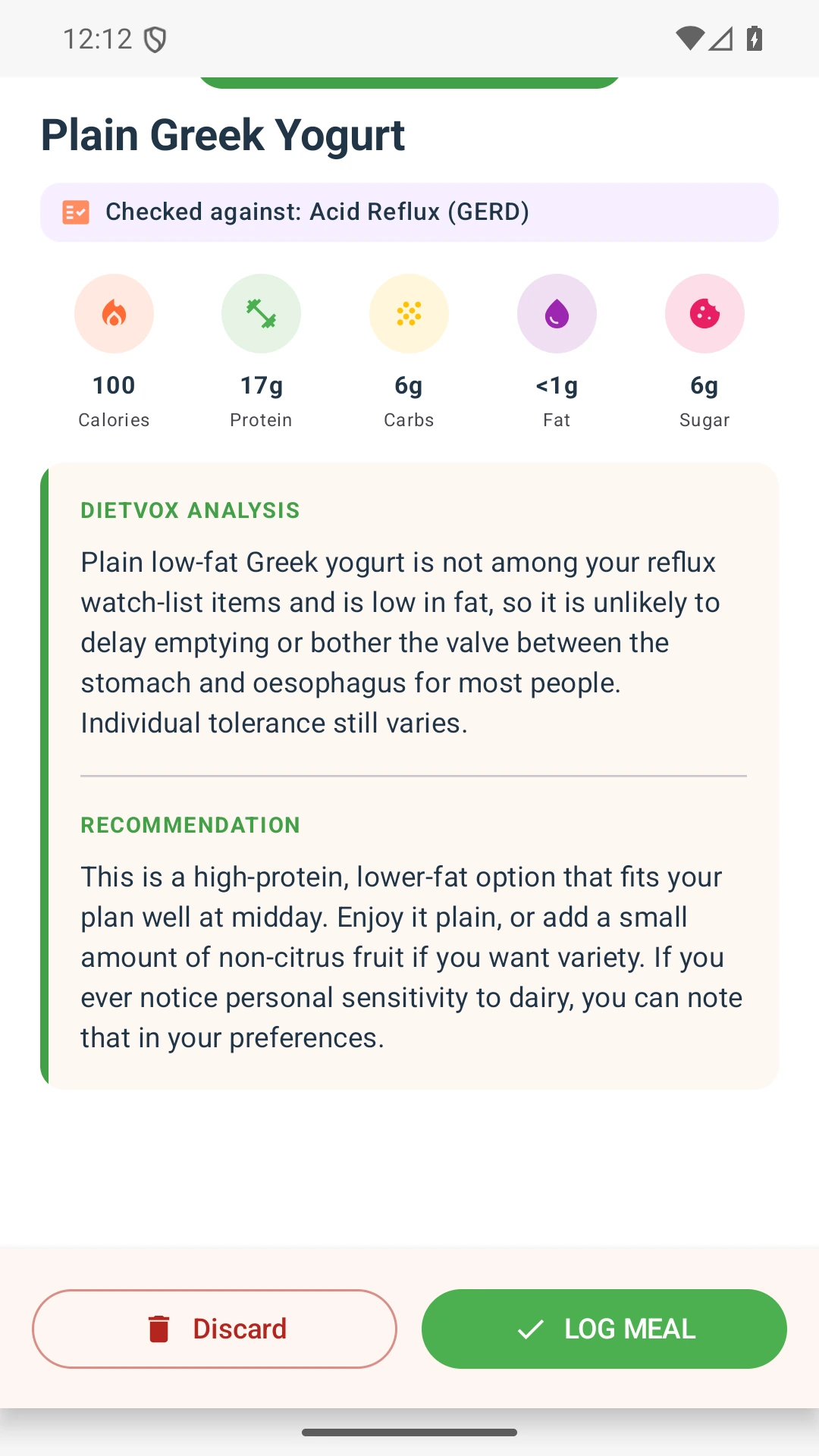
Greek Yogurt is rated GREEN for a low-sugar diet. This rating indicates it is an excellent choice that can be consumed regularly without compromising the principles of a sugar-conscious eating plan. Many individuals managing their sugar intake also wonder, is greek yogurt low carb? With just 3.6g of carbohydrates per 100g, the answer is a definitive yes. This favourable profile is primarily due to its unique production process and high protein content, making it a cornerstone food for metabolic health.

However, this GREEN rating applies exclusively to plain, unsweetened Greek yogurt. Flavoured varieties, which often contain significant amounts of added sugars, would receive a different rating and should be approached with caution.

Clinical Analysis: Why Greek Yogurt Fits a Low Sugar Diet

The suitability of Greek yogurt for a low-sugar diet is supported by its macronutrient composition and the nature of its carbohydrate content. The key factors are the type of sugar it contains, the effects of its straining process, and its high protein level.

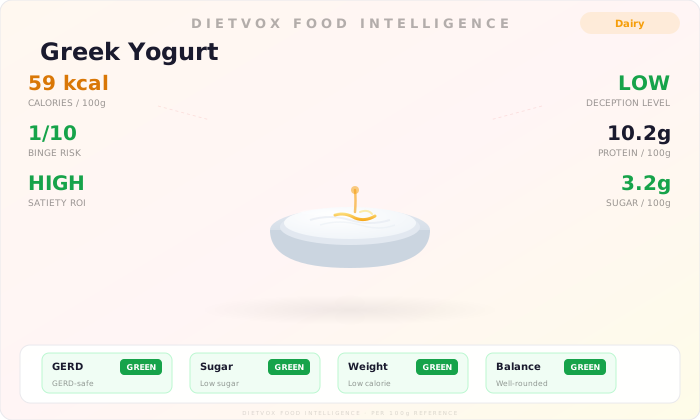
Understanding Sugars in Dairy: Lactose vs. Free Sugars Plain Greek yogurt contains approximately 3.2g of sugar per 100g USDA FoodData Central (FDC ID 171287). It is crucial to understand that this sugar is lactose, a naturally occurring sugar found in milk. Health authorities like the World Health Organization (WHO) and the UK's National Health Service (NHS) primarily recommend limiting the intake of free sugars WHO. Free sugars include those added to foods by manufacturers (like sucrose or high-fructose corn syrup) and sugars naturally present in honey, syrups, and fruit juices. The intrinsic sugars found in milk, vegetables, and whole fruits are not classified as free sugars and are not the primary target for reduction in a healthy diet FDA added sugars label guidance.

The Straining Process: How Greek Yogurt Differs Greek yogurt is made by straining regular yogurt to remove the liquid whey. This process has a significant impact on its nutritional profile. As the whey is drained, some of the lactose it contains is removed. This results in a final product that is not only thicker and creamier but also lower in sugar and carbohydrates and higher in protein compared to unstrained yogurt. This concentration of protein further enhances its suitability for a low-sugar lifestyle.

High Protein for Satiety and Blood Sugar Control With an impressive 10.2g of protein per 100g, Greek yogurt is a protein powerhouse. Protein is known to be the most satiating macronutrient, meaning it helps you feel fuller for longer PubMed. This high Satiety ROI (Return on Investment) can help reduce overall calorie intake and curb cravings for high-sugar snacks. Furthermore, consuming protein alongside carbohydrates can help moderate the post-meal blood glucose response, promoting more stable energy levels, a key goal for anyone on a low-sugar diet.

Nutritional Profile: A Deep Dive for Low Sugar Dieters

Understanding the numbers is essential for effective dietary management. Here is the nutritional breakdown for 100g of plain, non-fat Greek yogurt:

| Nutrient | Amount | Relevance for Low Sugar Diet | | :--- | :--- | :--- | | Calories | 59 kcal | Low calorie density allows for generous, satisfying portions. | | Protein | 10.2 g | High protein content promotes satiety and supports stable blood sugar. | | Fat | 0.7 g | Low in fat, making it a lean protein source. Full-fat versions are also low-sugar but higher in calories. | | Carbohydrates | 3.6 g | Very low carbohydrate content, making it compatible with low-carb and low-sugar plans. | | Sugars | 3.2 g | Consists of naturally occurring lactose, not free sugars. | | Fibre | 0 g | Lacks fibre, so consider pairing with high-fibre foods like berries or seeds. | | Calcium | 110 mg | A good source of calcium, essential for bone health NHS. |

Source: USDA FoodData Central (FDC ID 171287)

Practical Guide: Incorporating Greek Yogurt into Your Low Sugar Plan

To ensure Greek yogurt remains a GREEN food in your diet, follow these practical tips.

The Golden Rule: Always Choose Plain and Unsweetened This is the single most important factor. The yogurt aisle is filled with flavoured options—vanilla, honey, fruit-on-the-bottom—that are often laden with added sugars. A typical 150g serving of flavoured yogurt can contain 15-20g of sugar, turning a healthy food into a dessert. Always select products labelled "plain" or "unsweetened" and check the ingredients list to confirm there are no added sugars, syrups, or fruit concentrates.

Smart Toppings and Pairings Plain Greek yogurt is a versatile base. Enhance its flavour and nutritional value with low-sugar additions:

  • Berries: A handful of raspberries, blueberries, or strawberries adds natural sweetness, fibre, and antioxidants.
  • Nuts & Seeds: Almonds, walnuts, chia seeds, or flaxseeds provide healthy fats, fibre, and a satisfying crunch.
  • Spices: A sprinkle of cinnamon or nutmeg can add warmth and flavour without any sugar. Cinnamon has also been studied for its potential role in blood sugar regulation PubMed.
  • Sugar-Free Sweeteners: If you need extra sweetness, consider a natural, zero-calorie sweetener like stevia or monk fruit.

Reading Nutrition Labels Like a Pro When in doubt, let the label be your guide. 1. Check the Ingredients: Scan for any form of sugar (e.g., sucrose, cane sugar, agave nectar, honey, high-fructose corn syrup). 2. Compare the 'Sugars' Line: Pick up a plain yogurt and a flavoured one. Compare the grams of sugar per 100g on the nutrition panel. The difference between the two is a rough indicator of the amount of added sugar in the flavoured product.

Health Forensics: DietVox Analysis

  • Calorie Density: LOW With only 59 kcal per 100g, Greek yogurt has a low calorie density. This means you can eat a substantial portion to feel full without a significant caloric impact, which is beneficial for weight management.
  • Satiety ROI: HIGH The combination of high protein (10.2g) and a thick, creamy texture delivers an excellent feeling of fullness per calorie. This high Satiety ROI is a key advantage for managing hunger on a low-sugar diet.
  • Tracking Difficulty: LOW Plain Greek yogurt is easy to track. It's sold in standardized pots, and its nutritional information is consistent and widely available in food tracking apps. There is little preparation variance, making logging simple and accurate.

Summary: The DietVox Verdict

Plain, unsweetened Greek yogurt earns its GREEN rating for a low-sugar diet. Its profile as a high-protein, low-carbohydrate food with only naturally occurring lactose makes it an ideal choice. It supports satiety, provides key nutrients like calcium, and is exceptionally versatile. The key to success is vigilance: always choose plain varieties and use low-sugar additions to control your sugar intake effectively.


Disclaimer: This article is for informational purposes only and does not constitute medical advice. Always consult a healthcare provider before making changes to your diet, especially if you have a medical condition.

Scan your foods with the DietVox app to get personalized ratings based on your specific dietary needs and health goals.

Last reviewed: June 2026

How It Works

Why Greek Yogurt is Rated GREEN

  1. Low in Free Sugars: The 3.2g of sugar per 100g is naturally occurring lactose from milk. Global health bodies like the World Health Organization (WHO) focus on limiting free sugars (like added sucrose), a category that excludes the intrinsic sugars in dairy products.
  1. Straining Process Removes Lactose: The signature manufacturing process of Greek yogurt involves straining out liquid whey. This not only concentrates the protein but also removes a portion of the whey's lactose, resulting in a naturally lower sugar content compared to regular, unstrained yogurt.
  1. High Protein for Glycemic Control: The substantial protein content (10.2g per 100g) is highly satiating, which can help prevent overeating and cravings for sugary foods. Protein also helps to moderate the body's glycemic response to the carbohydrates present, supporting more stable blood sugar levels.

Scan any food. Get an instant RED/AMBER/GREEN rating.

DietVox analyses every food across 4 diet protocols — no guesswork.

Try DietVox Free →

Try These Instead

Safer alternatives that won't trigger your symptoms.

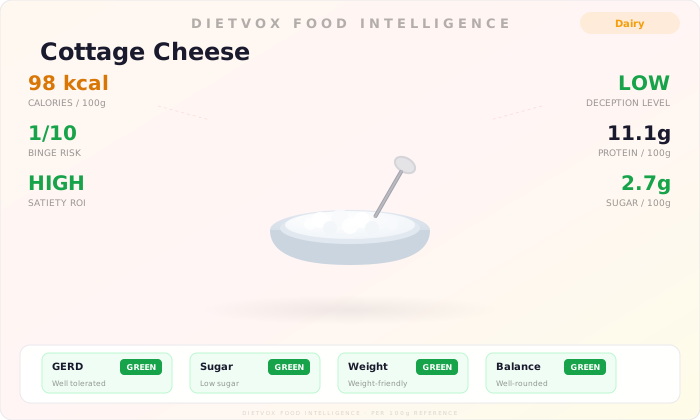
Cottage Cheese illustration

Cottage Cheese

98 kcal Dairy
GREEN GERD
GREEN Sugar
GREEN Weight
GREEN Balance
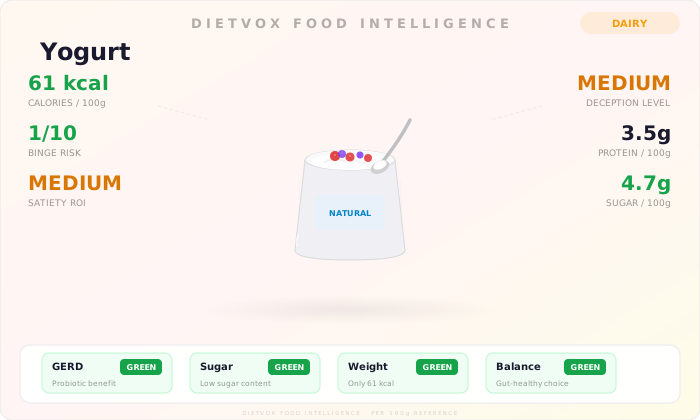
Yogurt illustration

Yogurt

61 kcal Dairy
GREEN GERD
GREEN Sugar
GREEN Weight
GREEN Balance
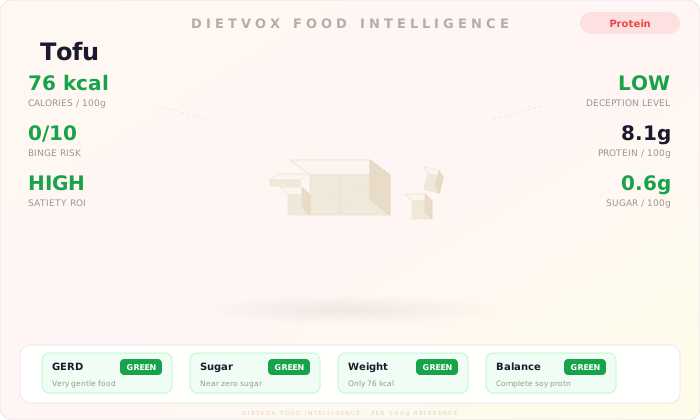
Tofu illustration

Tofu

76 kcal Protein
GREEN GERD
GREEN Sugar
GREEN Weight
GREEN Balance
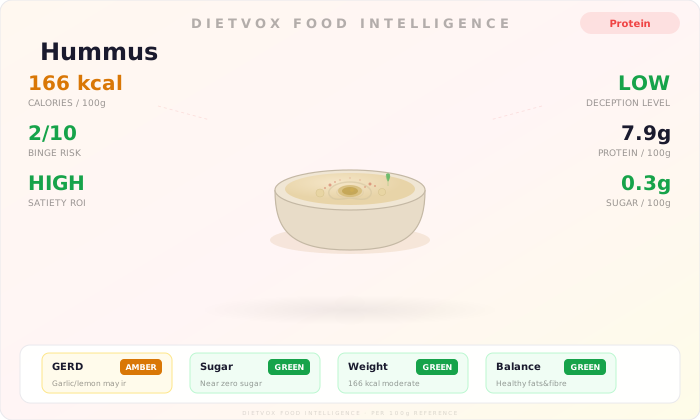
Hummus illustration

Hummus

166 kcal Protein
AMBER GERD
GREEN Sugar
GREEN Weight
AMBER Balance

Frequently Asked Questions

Is full-fat Greek yogurt also low in sugar?

Yes, the sugar content in plain full-fat Greek yogurt is comparable to non-fat versions, as the straining process removes lactose regardless of fat content. The primary difference is in calories and fat (around 97 kcal and 5g fat per 100g). For a low-sugar diet, it is a suitable choice, but you should be mindful of the higher caloric value.

How can I sweeten plain Greek yogurt without adding sugar?

You can add natural, low-sugar sweetness and flavour with fresh berries (like raspberries or blueberries), a sprinkle of cinnamon, or a drop of vanilla extract. For more intense sweetness, natural zero-calorie sweeteners such as stevia or monk fruit are excellent options that do not impact blood sugar.

Does the straining process of Greek yogurt affect its nutrients?

Yes. Straining removes liquid whey, which concentrates the protein and fat, making Greek yogurt much higher in protein than regular yogurt. This process also removes some lactose (sugar) and water-soluble minerals. The result is a thicker, higher-protein, and lower-sugar product, as reported by data from sources like the USDA FoodData Central.

Is Greek yogurt considered a low-carb food?

Yes, with only 3.6g of carbohydrates per 100g, plain Greek yogurt is considered a low-carbohydrate food. Its minimal carb content comes primarily from lactose, not starches or added sugars, making it highly suitable for various low-carb diets and a general low-sugar lifestyle.

Related Reading