DietVox Rating: GREEN

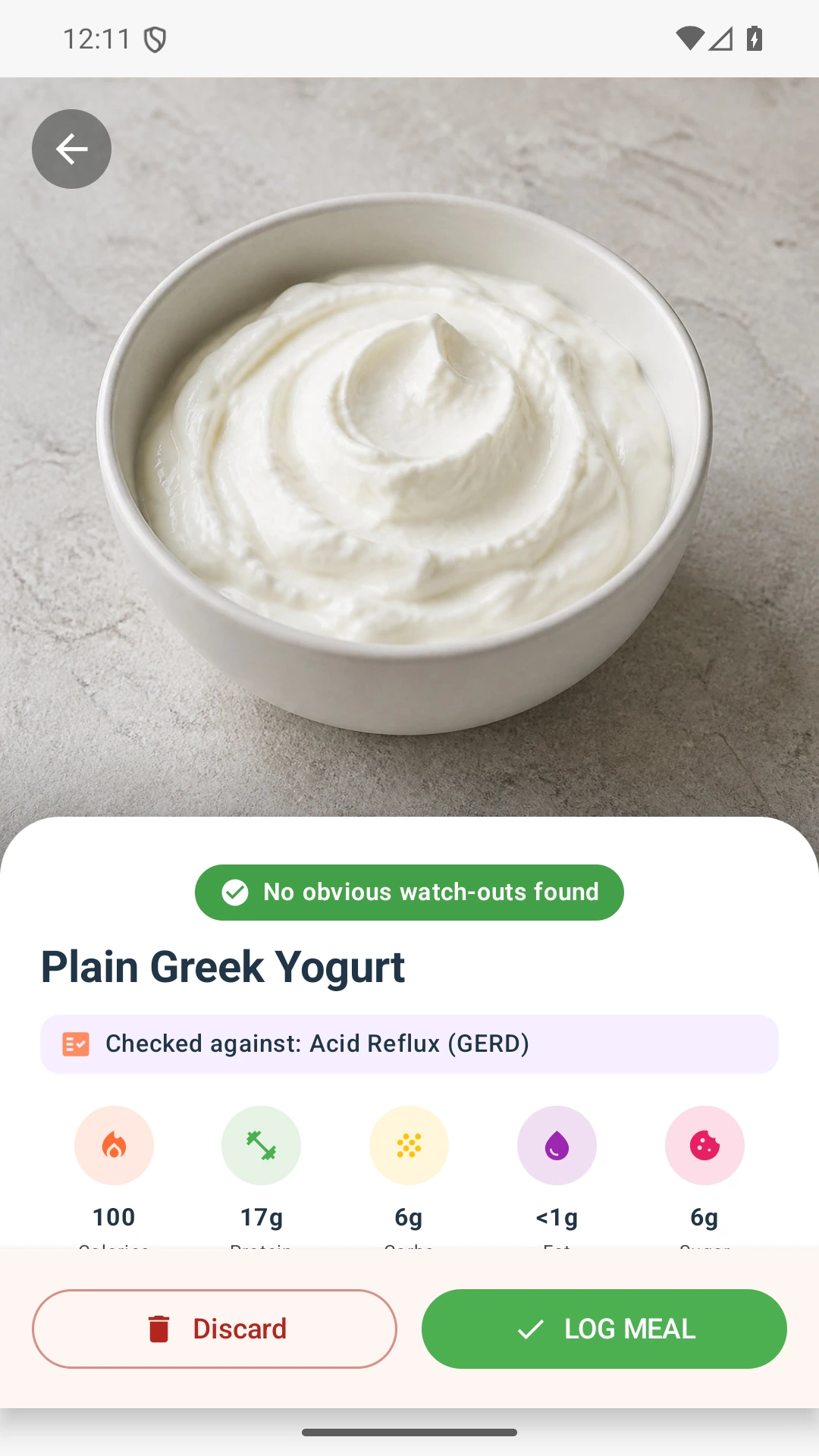
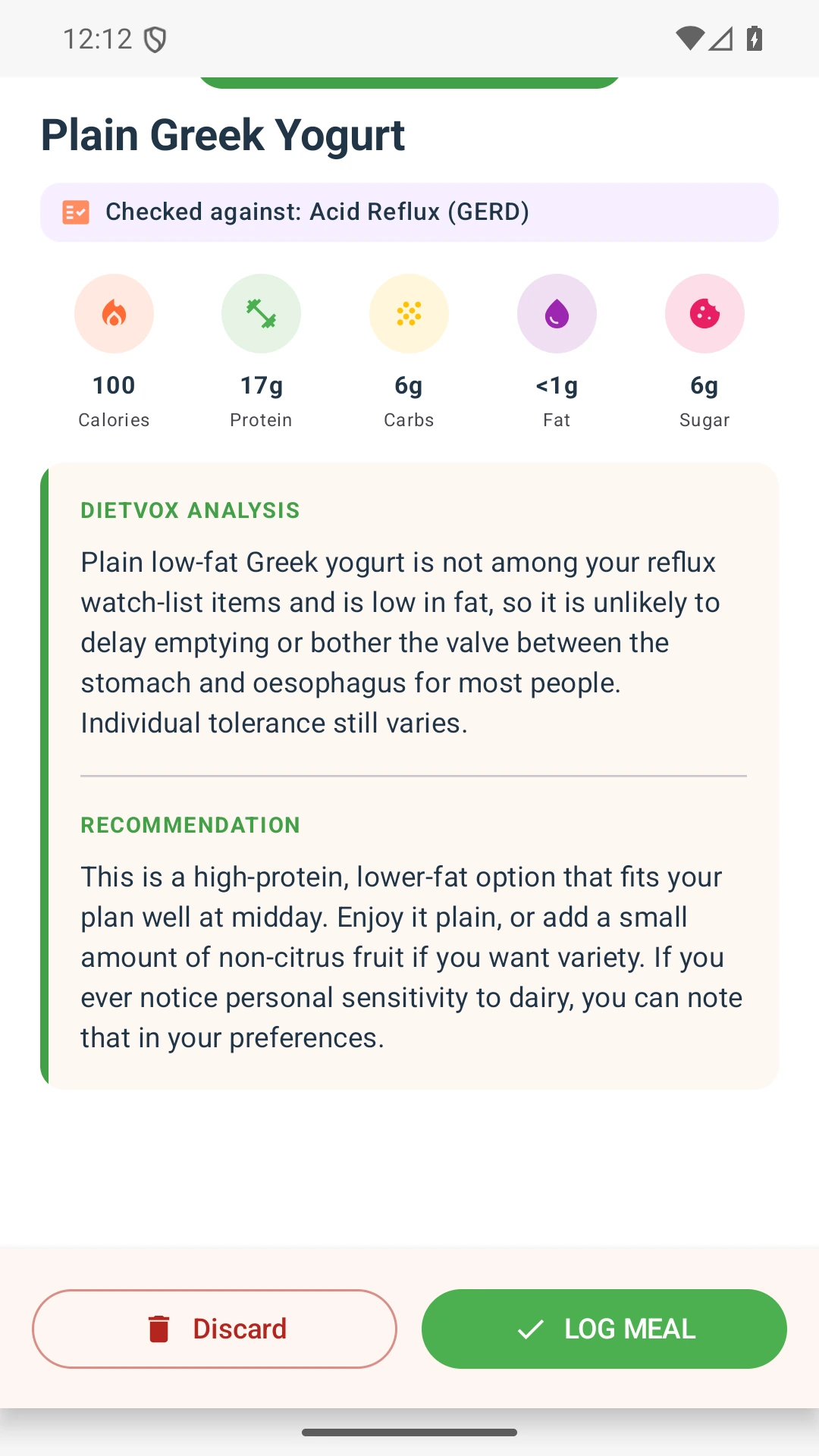
DietVox rates Greek Yogurt as a GREEN food for individuals following a GERD (Acid Reflux) Diet. This rating indicates that plain, low-fat Greek yogurt is generally well-tolerated and may even be beneficial for managing symptoms. The key to successfully incorporating it into your diet lies in selecting the right type—specifically, plain, non-fat or low-fat varieties. Answering the common question, is greek yogurt good for gerd, depends entirely on these factors. When chosen carefully, it can be a valuable, nutrient-dense component of a reflux-friendly eating plan.

Understanding the GERD Diet Protocol

The primary goal of a GERD diet is to minimise or avoid foods that can trigger acid reflux symptoms. Common triggers include high-fat, spicy, acidic, and fried foods, which can relax the lower esophageal sphincter (LES) or increase stomach acid production American College of Gastroenterology acid reflux guidance. Our GREEN rating for Greek yogurt is based on its favourable nutritional profile, which aligns with these dietary principles when the correct variety is consumed.

Nutritional Profile: A GERD-Friendly Analysis

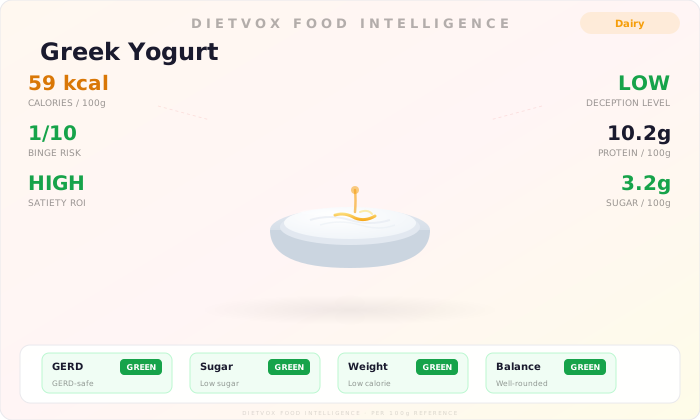
The nutritional composition of plain, non-fat Greek yogurt is a primary reason for its GREEN rating. Per 100g, it provides a balanced profile that supports the goals of a GERD diet USDA FoodData Central (FDC ID 170901).

Key Nutritional Data (per 100g): - Calories: 59 kcal - Fat: 0.7g - Protein: 10.2g - Carbohydrates: 3.6g (of which 3.2g are sugars)

This low-fat content is critical. High-fat foods can delay stomach emptying and decrease pressure in the LES, allowing stomach acid to flow back into the esophagus ACG. At just 0.7g of fat per 100g, low-fat Greek yogurt sidesteps this common trigger. Furthermore, its high protein content (10.2g) promotes satiety, which can help prevent overeating—another known contributor to reflux episodes.

Choosing the Right Greek Yogurt for GERD

Not all Greek yogurt is created equal when it comes to managing acid reflux. The supermarket dairy aisle presents many options, and making the wrong choice can inadvertently trigger symptoms. Here’s a guide to selecting the best option for your GERD diet.

1. Prioritise Low-Fat or Non-Fat This is the most important factor. Full-fat dairy products, including full-fat Greek yogurt (which can contain up to 10g of fat per serving), are a common trigger for many people with GERD. Always check the nutrition label and choose options labelled "non-fat," "0% fat," or "low-fat." According to clinical guidance, reducing dietary fat intake is a key lifestyle modification for managing GERD NHS.

2. Stick to Plain Varieties Flavoured yogurts are often a source of hidden sugars and acidic additives. Fruit-flavoured varieties, especially those containing citrus fruits like lemon or orange, can be highly acidic and may provoke symptoms. Added sugars can also contribute to inflammation and may not be ideal for overall digestive health. Plain Greek yogurt contains only naturally occurring milk sugars (lactose) and has a neutral to slightly alkaline effect.

3. Check for Live and Active Cultures One of the potential benefits of Greek yogurt is its probiotic content. Probiotics are beneficial bacteria that support a healthy gut microbiome. While source review specifically linking probiotics to GERD symptom reduction is still emerging, a balanced gut environment is fundamental to overall digestive function PubMed. Look for phrases like "live and active cultures" on the packaging to ensure you are getting these potential benefits.

Practical Tips for Your GERD Diet

Incorporating low-fat, plain Greek yogurt into your diet can be simple and delicious. Here are some practical, reflux-friendly ideas:

  • As a Breakfast Base: Use it as a base for a bowl of low-acid fruits like bananas, melons, or pears. Add a sprinkle of oatmeal for extra fibre.
  • In Smoothies: Blend it with GERD-friendly ingredients like spinach, banana, and a splash of almond milk for a nutrient-dense, easy-to-digest meal or snack.
  • As a Sour Cream Substitute: Use plain Greek yogurt in place of sour cream on baked potatoes or as a base for creamy, non-spicy dips with vegetables like carrots and cucumbers.
  • For Creamy Sauces: It can be used to add creaminess to sauces without the high fat content of heavy cream. Be sure to add it at the end of cooking over low heat to prevent it from curdling.

Always start with a small portion to see how your body tolerates it, as individual triggers can vary Harvard Health Publishing.

The DietVox Verdict

For individuals managing GERD, plain, low-fat Greek yogurt earns its GREEN rating. Its low-fat, high-protein profile makes it a safe and satisfying choice that avoids common reflux triggers. The potential benefits of its probiotic content for digestive health add to its value. By carefully reading labels and choosing unflavoured, low-fat options, you can confidently include Greek yogurt as a beneficial part of your acid reflux management plan.


Disclaimer: This article is for informational purposes only and does not constitute medical advice. Always consult a healthcare provider before making changes to your diet, especially if you have a medical condition.

Scan your foods with the DietVox app to get personalized ratings based on your specific dietary needs and health goals.

Last reviewed: June 2026

How It Works

Why Greek Yogurt is Rated GREEN for GERD (Acid Reflux) Diet

Greek Yogurt's GREEN rating is based on a combination of its macronutrient profile, its non-acidic nature, and its potential digestive health benefits. Here's a breakdown of the key mechanisms:

  1. Low Fat Content: High-fat foods are a primary trigger for GERD because they can relax the lower esophageal sphincter (LES), the muscle that prevents stomach acid from flowing back into the esophagus American College of Gastroenterology acid reflux guidance. Plain, non-fat Greek yogurt contains less than 1g of fat per 100g, making it highly unlikely to cause this effect. This is in stark contrast to full-fat versions, which can contain significantly more fat and may trigger symptoms.
  1. High Protein for Satiety: With over 10g of protein per 100g, Greek yogurt is very satiating. This high Satiety ROI (Return on Investment) helps prevent overeating. Large meals can increase pressure in the stomach, forcing the LES open and leading to reflux ACG. By helping you feel full on a smaller portion, Greek yogurt supports a key GERD management strategy.
  1. Probiotic Content: Greek yogurt is a fermented food containing probiotics, or beneficial live bacteria. While direct source support for probiotics curing GERD is limited, these cultures contribute to a healthy gut microbiome. A well-balanced gut can improve overall digestion and motility, which may indirectly alleviate factors contributing to reflux, such as delayed stomach emptying PubMed.
  1. Soothing Texture and Non-Acidic pH: Plain yogurt is not an acidic food. Its smooth, cool texture can feel soothing on an irritated esophagus. Unlike acidic fruits, coffee, or tomato-based products that can directly irritate the esophageal lining, plain Greek yogurt is a gentle, neutral option.

Scan any food. Get an instant RED/AMBER/GREEN rating.

DietVox analyses every food across 4 diet protocols — no guesswork.

Try DietVox Free →

Try These Instead

Safer alternatives that won't trigger your symptoms.

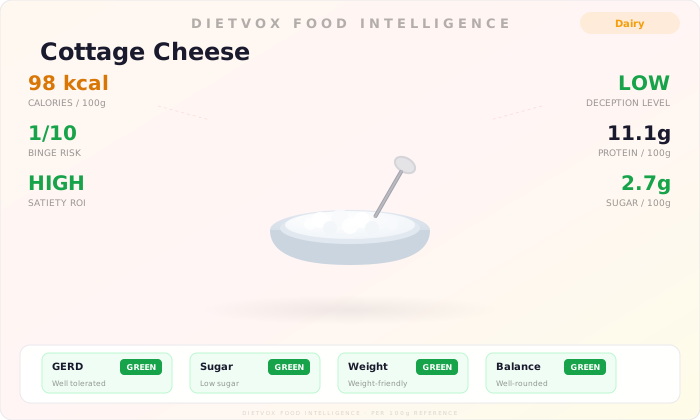
Cottage Cheese illustration

Cottage Cheese

98 kcal Dairy
GREEN GERD
GREEN Sugar
GREEN Weight
GREEN Balance
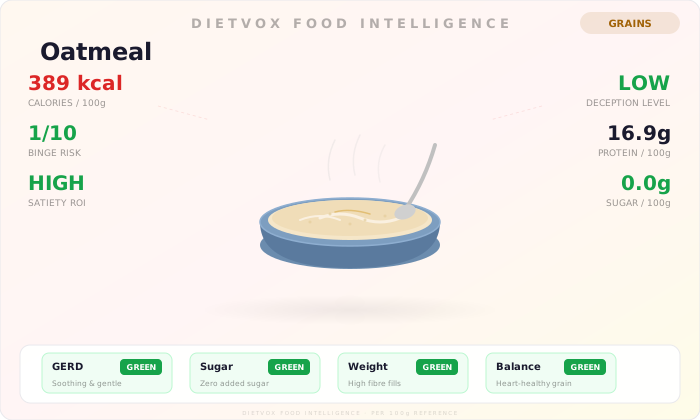
Oatmeal illustration

Oatmeal

389 kcal Grains
GREEN GERD
GREEN Sugar
GREEN Weight
GREEN Balance
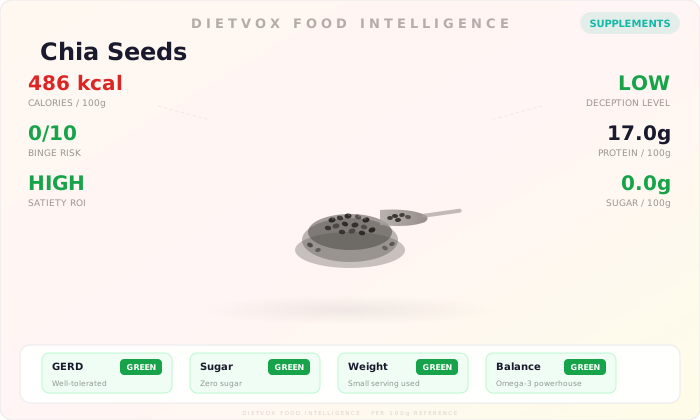
Chia Seeds illustration

Chia Seeds

486 kcal Supplements
GREEN GERD
GREEN Sugar
GREEN Weight
GREEN Balance
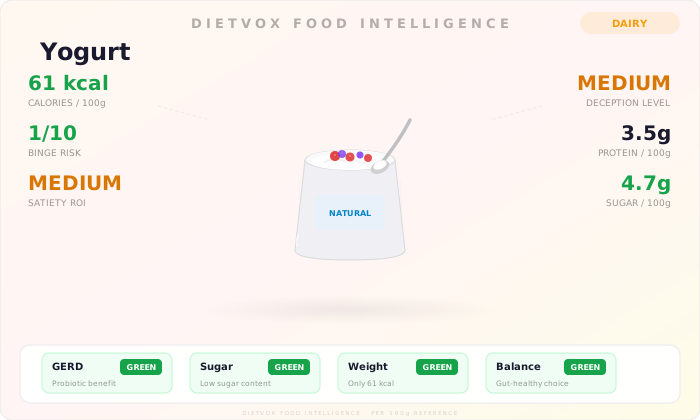
Yogurt illustration

Yogurt

61 kcal Dairy
GREEN GERD
GREEN Sugar
GREEN Weight
GREEN Balance

Frequently Asked Questions

What kind of Greek yogurt is best for acid reflux?

The best Greek yogurt for acid reflux is plain, unflavoured, and non-fat or low-fat. This type avoids the common GERD triggers of high dietary fat and added sugars or acidic fruit flavourings often found in other varieties.

Can the probiotics in Greek yogurt help my GERD symptoms?

While not a direct treatment, the probiotics in Greek yogurt support a healthy gut microbiome, which is essential for proper digestion. Improved digestion and gut motility can indirectly help manage conditions that contribute to GERD. More source review is needed, but it is considered a potential benefit PubMed.

Is full-fat Greek yogurt bad for GERD?

Full-fat Greek yogurt is often not recommended for a GERD diet. High-fat foods can relax the lower esophageal sphincter (LES), making it easier for stomach acid to reflux into the esophagus American College of Gastroenterology acid reflux guidance. Sticking to low-fat or non-fat versions is a safer choice.

How can I sweeten plain Greek yogurt without triggering reflux?

To sweeten plain Greek yogurt without triggering GERD, avoid acidic fruits and refined sugar. Instead, try mixing in a small amount of mashed banana, chopped melon, or a tiny drizzle of maple syrup or honey. Always test a small amount first, as sensitivity to sweeteners can vary.

Related Reading