DietVox Rating: GREEN

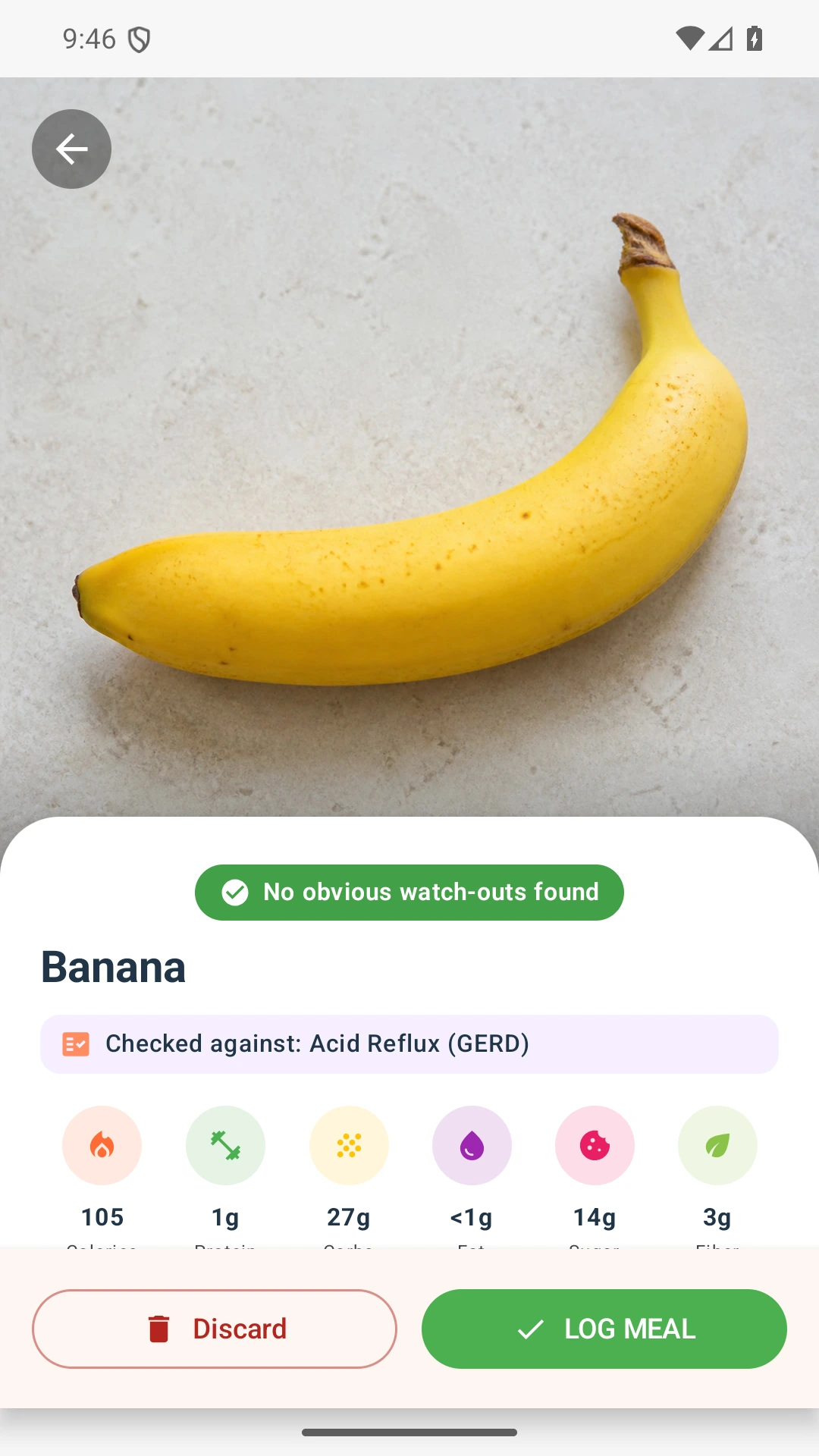
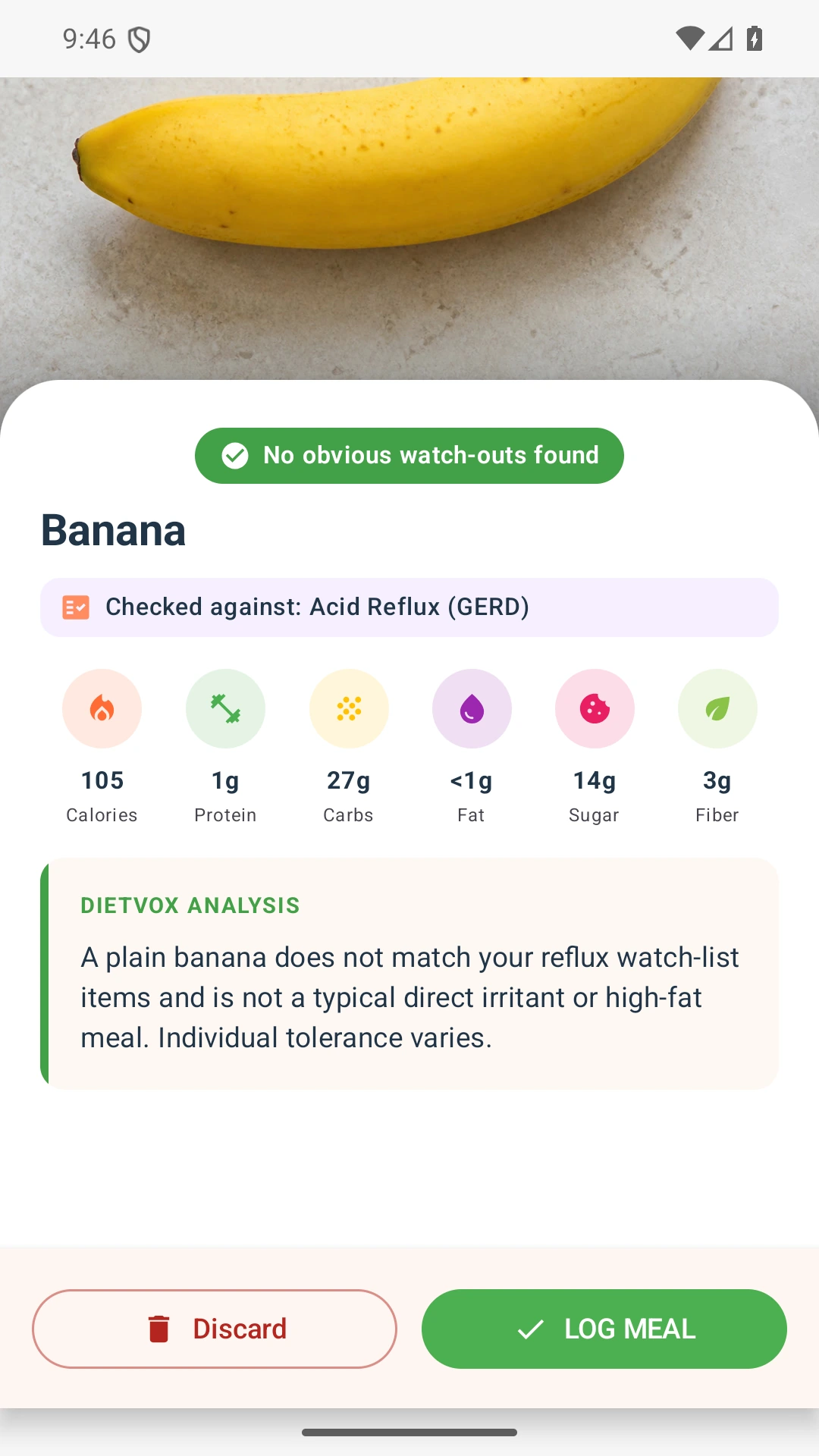
For individuals navigating the complexities of a GERD (Acid Reflux) diet, finding safe, soothing, and nutritious foods is paramount. The question, is banana good for gerd, is one of the most common queries we see. Based on a thorough review of its properties and clinical guidance, DietVox assigns Banana a GREEN rating. This indicates that it is generally well-tolerated and can be a beneficial component of a diet designed to manage acid reflux symptoms.

This rating is based on its low-acid nature, low-fat content, and soft texture, which can help soothe the esophagus without triggering common reflux mechanisms. This article will provide an in-depth analysis of why banana earns this rating, its nutritional profile in the context of GERD, and practical advice for incorporating it into your daily routine.

Is Banana Good for GERD? An In-Depth Look

health guidance for managing GERD consistently recommend choosing low-acid fruits and avoiding those high in acid, such as citrus American College of Gastroenterology acid reflux guidance. Banana fits perfectly into the recommended category, offering several benefits for those with acid reflux.

The Role of pH and Acidity A food's acidity is measured by its pH value, with lower values indicating higher acidity. Banana typically has a pH ranging from 4.5 to 5.2, making it a low-acid fruit. In contrast, highly acidic fruits like lemons (pH 2.0-2.6) and oranges (pH 3.7-4.3) are more likely to irritate an already inflamed esophagus and potentially worsen heartburn symptoms. By choosing a banana, you are opting for a fruit that is less likely to cause this irritation.

The Soothing Effect and Natural Antacid Properties Many GERD sufferers report a soothing sensation after eating a banana. While the term 'natural antacid' is used colloquially, the mechanism is likely related to its physical properties. The soft, mucilaginous texture of a ripe banana can coat the esophageal lining, creating a temporary protective barrier against stomach acid. Furthermore, some sources suggest that a specific flavonoid in bananas, leucocyanidin, may have a protective effect on the stomach lining, though more source review is needed to confirm its direct impact on GERD symptoms in humans PubMed.

Fibre for Digestive Regularity Each 100g of banana provides 2.6g of dietary fibre, including soluble fibre like pectin USDA FoodData Central (FDC ID 173944). A diet adequate in fibre is crucial for overall digestive health and can indirectly help manage GERD. Fibre promotes regular bowel movements, preventing constipation which can increase intra-abdominal pressure and exacerbate reflux episodes Harvard Health Publishing. By helping food move efficiently through the digestive tract, the soluble fibre in bananas can contribute to a more stable digestive environment.

Nutritional Profile of Banana: A GERD-Friendly Analysis

A food's suitability for a GERD diet extends beyond its pH. The macronutrient composition plays a critical role, as certain nutrients can directly influence reflux symptoms.

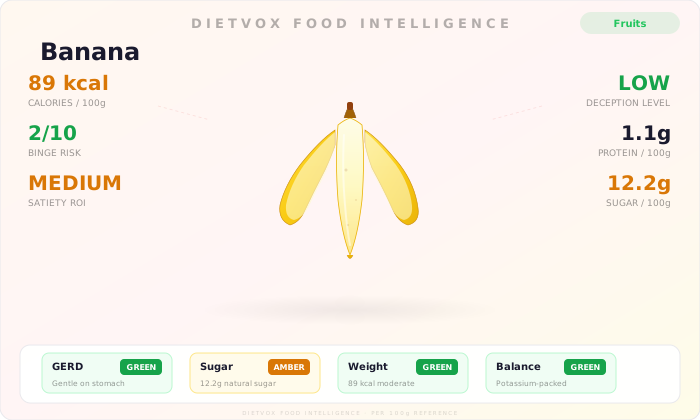
| Nutrient (per 100g) | Amount | GERD Relevance | |---|---|---| | Calories | 89.0 kcal | Low calorie density helps prevent overfilling the stomach. | | Fat | 0.3 g | Extremely low fat content avoids delaying stomach emptying, a known reflux trigger. | | Carbohydrates | 22.8 g | Provides accessible energy without the fat that often accompanies other snacks. | | Fibre | 2.6 g | Supports healthy digestion and gastric motility. | | Sugars | 12.2 g | Moderate sugar; best consumed in its whole-fruit form. |

Source: USDA FoodData Central (FDC ID 173944)

Critically Low in Fat High-fat meals are a well-documented trigger for GERD. They can delay gastric emptying and relax the lower esophageal sphincter (LES), the muscle that prevents stomach acid from flowing back into the esophagus NHS. With only 0.3g of fat per 100g, banana is an excellent low-fat choice that provides energy without burdening the digestive system.

Low Calorie Density Large, calorie-dense meals can distend the stomach, increasing pressure on the LES and making reflux more likely. Banana has a low calorie density of 89 kcal per 100g. This allows you to eat a satisfying portion without consuming excessive calories, aligning with the recommendation for smaller, more frequent meals to manage GERD American College of Gastroenterology acid reflux guidance.

A Source of Key Micronutrients Banana is renowned for its high potassium content (358mg per 100g). Potassium is an essential electrolyte that helps regulate fluid balance and muscle contractions, including those in the digestive tract. Maintaining proper electrolyte balance is fundamental to overall health, which supports the body's ability to manage conditions like GERD.

Practical Tips for Eating Banana with GERD

How you eat a food can be as important as what you eat. To maximize the benefits of banana for your GERD diet, consider the following tips.

1. Choose Ripe Bananas The ripeness of a banana significantly changes its composition. Unripe, green bananas are higher in resistant starch, which can be difficult for some people to digest and may lead to gas and bloating. These symptoms can increase abdominal pressure and worsen reflux. As a banana ripens, its starches convert to simpler, more easily digestible sugars. For GERD management, opt for fully yellow bananas, perhaps with a few brown spots, as they are gentlest on the digestive system.

2. Practice Portion Control While banana is a GREEN-rated food, moderation is still key. A single medium-sized banana is an appropriate serving. Overeating any food, even a safe one, can fill the stomach and put pressure on the LES. Adhere to the general GERD principle of eating smaller meals and snacks throughout the day.

3. Smart Pairings and Timing Combine banana with other GERD-friendly foods for a balanced snack or meal. Blending it into a smoothie with almond milk and a small amount of spinach, or slicing it over a bowl of oatmeal, are excellent options. Avoid eating a banana—or any food—within three hours of bedtime. Lying down with a full stomach makes it easier for acid to reflux into the esophagus American College of Gastroenterology.

Potential Considerations and Individual Triggers

It is important to acknowledge that food triggers can be highly individual. While the vast majority of people with GERD tolerate bananas well, a small subset may find they worsen their symptoms. If you notice that banana consistently causes discomfort, it's essential to listen to your body and avoid it. This does not contradict its GREEN rating, which is based on source support for the general population with GERD. Always consult with a healthcare professional or registered dietitian to tailor a dietary plan to your specific needs.

The Verdict on Banana for the GERD (Acid Reflux) Diet

Banana is a standout choice for the GERD (Acid Reflux) Diet, earning its GREEN rating from DietVox. Its low-acid profile, minimal fat content, soothing texture, and beneficial fibre make it a safe and often helpful food for managing symptoms. By choosing ripe bananas, practicing portion control, and being mindful of meal timing, you can confidently include this versatile fruit in your reflux-friendly eating plan.


Disclaimer: This article is for informational purposes only and does not constitute medical advice. Always consult a healthcare provider before making changes to your diet, especially if you have a medical condition.

Scan your foods with the DietVox app to get personalized ratings based on your specific dietary needs and health goals.

Last reviewed: June 2026

How It Works

Why Banana is Rated GREEN

Banana is rated GREEN for the GERD (Acid Reflux) Diet due to a combination of three rating factors that make it well-tolerated and often beneficial for symptom management.

  1. Low Acidity (High pH): With a pH level typically between 4.5 and 5.2, banana is a non-acidic fruit. Unlike citrus fruits, it is unlikely to irritate the sensitive lining of the esophagus, a primary concern for individuals with GERD. Clinical advice for reflux management consistently favors low-acid fruits American College of Gastroenterology acid reflux guidance.
  1. Soothing Properties and Texture: The soft, smooth texture of a ripe banana can coat the esophageal lining, providing a temporary soothing effect. It also contains pectin, a soluble fibre that helps promote smooth digestion, preventing the kind of digestive sluggishness that can contribute to reflux Harvard Health Publishing.
  1. Extremely Low in Fat: High-fat foods are a major trigger for GERD symptoms because they delay stomach emptying and can relax the lower esophageal sphincter (LES) NHS. Banana contains negligible fat (0.3g per 100g), making it an ideal choice that provides energy without compromising LES function.

Scan any food. Get an instant RED/AMBER/GREEN rating.

DietVox analyses every food across 4 diet protocols — no guesswork.

Try DietVox Free →

Try These Instead

Safer alternatives that won't trigger your symptoms.

Papaya illustration

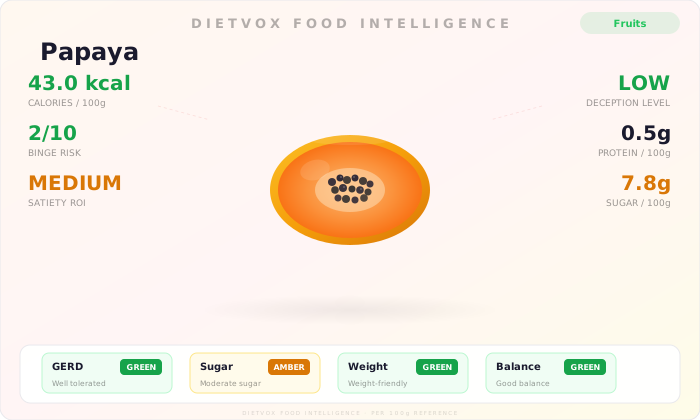
Papaya

43 kcal Fruits
GREEN GERD
AMBER Sugar
GREEN Weight
GREEN Balance
Cantaloupe illustration

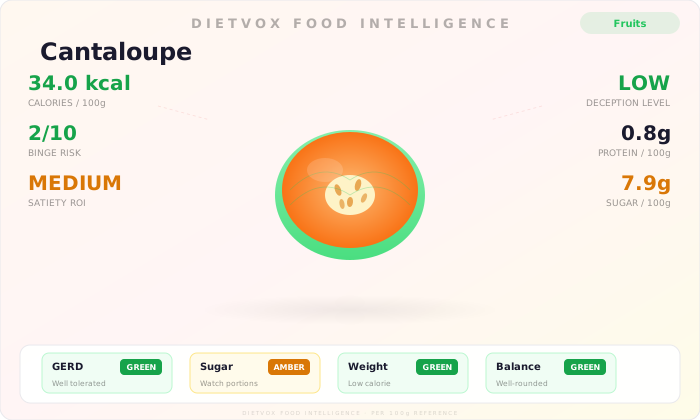
Cantaloupe

34 kcal Fruits
GREEN GERD
AMBER Sugar
GREEN Weight
GREEN Balance
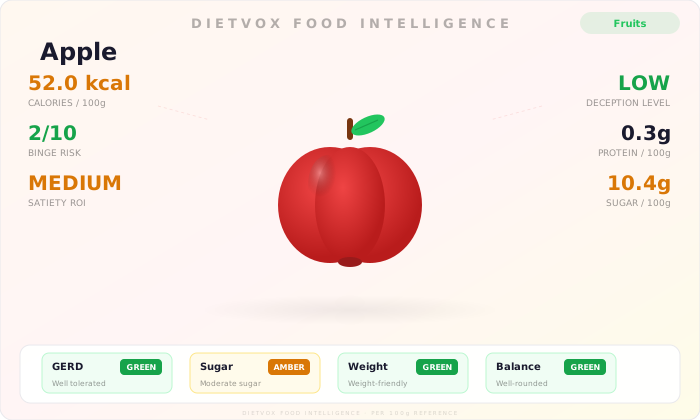
Apple illustration

Apple

52 kcal Fruits
GREEN GERD
AMBER Sugar
GREEN Weight
GREEN Balance
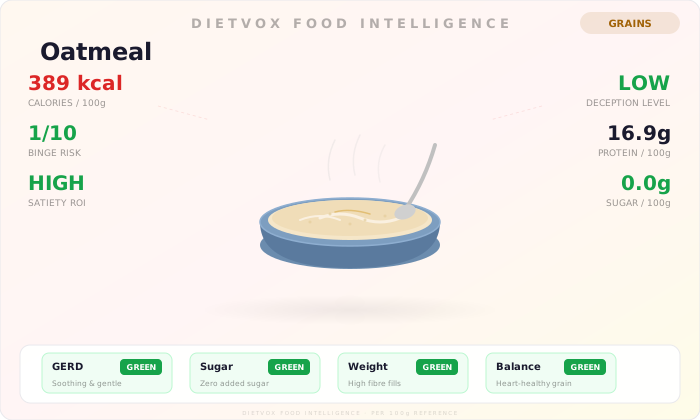
Oatmeal illustration

Oatmeal

389 kcal Grains
GREEN GERD
GREEN Sugar
GREEN Weight
GREEN Balance

Frequently Asked Questions

Does the ripeness of a banana affect GERD symptoms?

Yes, ripeness is very important. Unripe, green bananas are higher in resistant starch, which can cause gas and bloating in some individuals, potentially worsening reflux. Ripe, yellow bananas have more easily digestible simple sugars and are generally the better choice for a GERD-friendly diet.

Can I eat a banana before bed if I have acid reflux?

It is generally not recommended. health guidance advise against eating any food, including bananas, within 2-3 hours of lying down. Eating before bed can make it easier for stomach contents to reflux into the esophagus. Enjoy your banana earlier in the day as a snack or part of a meal.

What are the best GERD-friendly ways to eat bananas?

The simplest way is to eat a ripe banana on its own. You can also slice it over oatmeal, add it to a smoothie with almond milk and other low-acid fruits like melon, or mash it and mix it into low-fat yogurt. Avoid pairing it with high-fat or high-acid ingredients.

Are dried banana chips also good for GERD?

Caution is advised with banana chips. They are often fried in oil, which significantly increases their fat content, making them a potential GERD trigger. Some are also coated in sugar. Always check the nutrition label. A fresh, ripe banana is a much safer choice for managing acid reflux.

Why do some people still get reflux from bananas?

While bananas are safe for most people with GERD, food triggers can be highly individual. For a small number of people, bananas may cause symptoms. This could be due to their fibre and fructose content, or a specific sensitivity. If you consistently experience discomfort after eating bananas, it's best to avoid them and consult a healthcare provider.

Related Reading