DietVox Rating: GREEN
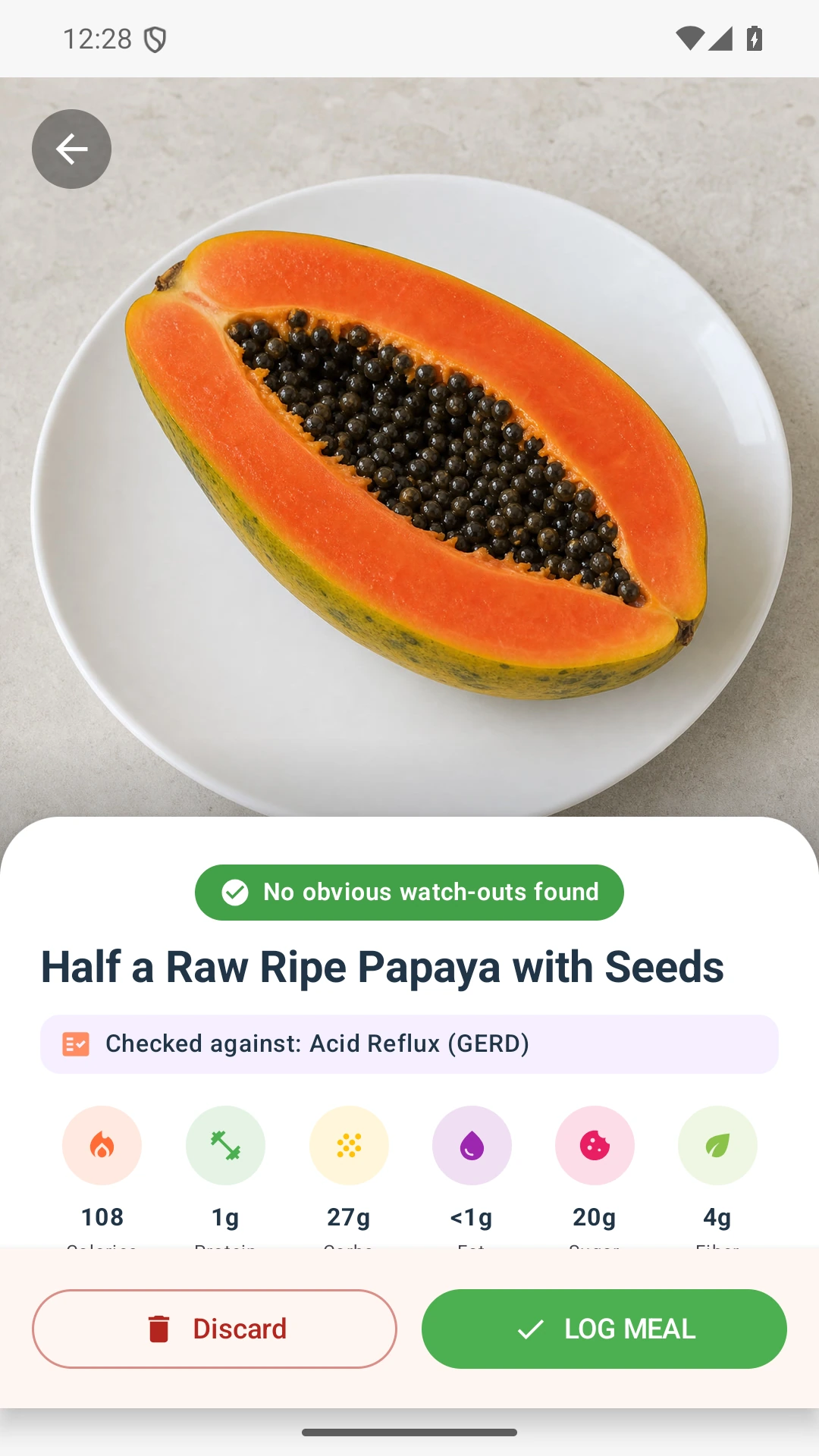
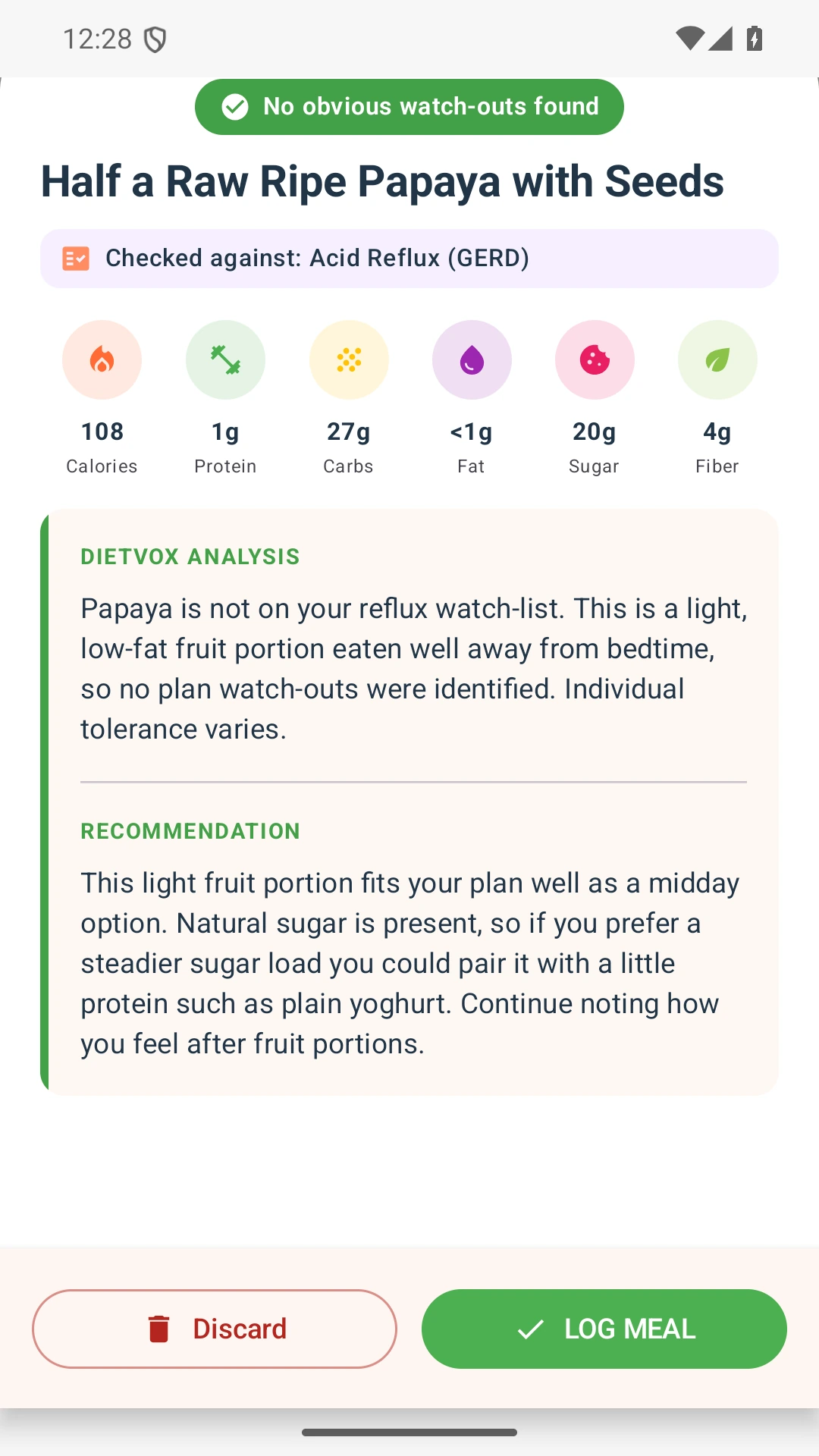
For individuals navigating the complexities of a diet for Gastroesophageal Reflux Disease (GERD), finding suitable foods can be a significant challenge. When considering the question, is papaya good for GERD, our comprehensive analysis at DietVox assigns it a GREEN rating. This indicates that papaya is generally well-tolerated and may even offer specific benefits for those managing acid reflux symptoms. Its favourable nutrient profile, low acidity, and unique enzymatic content make it a safe and often soothing choice.
This rating is based on an evaluation of its biochemical properties and alignment with established dietary guidelines for GERD management from clinical bodies like the American College of Gastroenterology acid reflux guidance and the NHS.
Nutritional Profile for GERD Management
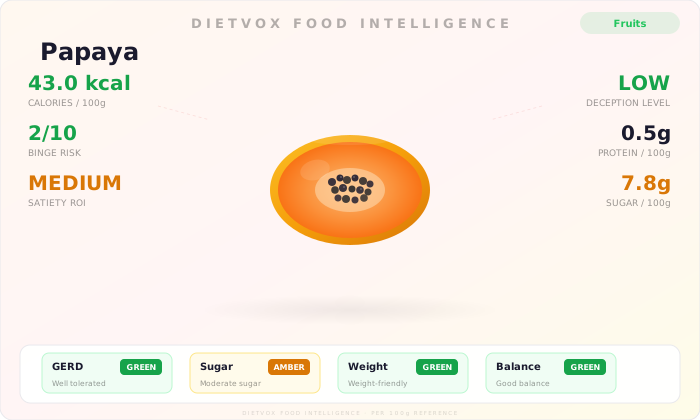
A key aspect of managing GERD is understanding a food's nutritional composition. According to the USDA FoodData Central (FDC ID 169926), a 100g serving of papaya contains:
- Calories: 43 kcal
- Fat: 0.3g
- Carbohydrates: 10.8g
- Dietary Fibre: 1.7g
- Protein: 0.5g
This profile is highly compatible with a GERD diet for several reasons. Firstly, its extremely low fat content is crucial. High-fat foods are known to relax the lower esophageal sphincter (LES) and delay stomach emptying, both of which can increase the risk of acid reflux American College of Gastroenterology acid reflux guidance. At just 0.3g of fat per 100g, papaya poses a very low risk in this regard.
Secondly, its low calorie density allows for satisfying portions without overloading the stomach. Large meals can increase intragastric pressure, forcing stomach contents back into the esophagus. Opting for low-density foods like papaya helps manage portion sizes effectively, a cornerstone of GERD dietary advice.
Practical Tips for Incorporating Papaya into a GERD Diet
Successfully adding papaya to your diet for acid reflux involves more than just eating the fruit. How and when you consume it matters.
- Choose Ripe Fruit: Always opt for fully ripe papaya. It has a softer texture, is less acidic, and has a higher concentration of beneficial enzymes compared to its unripe, green counterpart. Green papaya is often used in cooking but its firm texture and higher latex content can be irritating for some.
- Mind Your Portions: While papaya is GERD-friendly, any food in excessive quantities can cause discomfort. Stick to a reasonable portion size, such as one cup of cubed papaya, to prevent overfilling the stomach.
- Timing is Key: As with all foods, avoid eating papaya within 2-3 hours of lying down. Eating close to bedtime can make it easier for stomach acid to flow back into the esophagus NHS.
- Smart Pairings: Papaya's low satiety score means it might not keep you full for long. Pair it with other GERD-safe foods to create a more balanced snack or meal. Consider adding it to a small bowl of low-fat Greek yogurt or a smoothie made with almond milk and a scoop of unflavored, GERD-friendly protein powder.
- Listen to Your Body: While papaya is rated GREEN, individual food tolerances can vary. Introduce it into your diet and monitor your personal symptoms. If you experience any discomfort, it's best to consult with your healthcare provider or a registered dietitian.
Addressing Common Misconceptions
Is papaya too acidic for GERD?
This is a common concern with fruit. However, papaya is considered a low-acid fruit, with a pH typically ranging from 5.5 to 5.9. This is significantly less acidic than known trigger fruits like oranges, lemons, or pineapple, which have a pH below 4. Its mild nature makes it unlikely to cause the chemical irritation in the esophagus that highly acidic foods can.
Can papaya cure GERD?
No single food can cure GERD. Papaya is a helpful tool for symptom management as part of a comprehensive lifestyle and dietary plan. GERD is a complex medical condition, and its management often requires a multifaceted approach including dietary changes, lifestyle adjustments, and sometimes medication, as advised by healthcare professionals American College of Gastroenterology. Papaya should be seen as a supportive component of this plan, not a standalone cure.
Disclaimer: This article is for informational purposes only and does not constitute medical advice. Always consult a healthcare provider before making changes to your diet, especially if you have a medical condition.
Scan your foods with the DietVox app to get personalized ratings based on your specific dietary needs and health goals.
Last reviewed: June 2026
How It Works
Why Papaya is Rated GREEN
DietVox's GREEN rating for papaya in a GERD diet is based on three primary rating factors: its enzymatic content, its low-acid profile, and its low-fat composition.
1. Digestive Enzyme: Papain
The most notable feature of papaya is its content of papain, a powerful proteolytic enzyme. Proteolytic enzymes specialise in breaking down proteins into smaller peptides and amino acids. This action can theoretically aid digestion in several ways relevant to GERD:
- Improved Gastric Emptying: By assisting in the breakdown of dietary proteins in the stomach, papain may help speed up the digestive process. Delayed gastric emptying is a significant contributor to GERD, as it prolongs the time food sits in the stomach, increasing the opportunity for reflux to occur.
- Reduced Bloating and Fullness: Some source review on digestive enzyme preparations containing papain has shown benefits in reducing symptoms of functional dyspepsia, such as bloating, fullness, and belching PubMed. These symptoms often overlap with those of GERD. By easing the digestive load, papain may help alleviate the pressure and discomfort that can trigger reflux events.
While direct, large-scale direct trials on whole papaya for GERD are limited, the established biochemical function of papain provides a strong theoretical basis for its benefits in symptom management.
2. Low Acidity and Soothing Texture
Individuals with GERD often have an inflamed and sensitised esophageal lining. Consuming acidic foods can cause a direct burning sensation and further irritation. Papaya is a non-citrus, low-acid fruit. Its gentle, soft texture is also mechanically non-abrasive, making it a soothing choice that is unlikely to aggravate existing esophageal inflammation.
3. Low-Fat Profile
Dietary fat is a primary trigger for GERD symptoms. According to health guidance from the American College of Gastroenterology, fatty foods can decrease the pressure of the lower esophageal sphincter (LES), the muscular valve that keeps stomach acid from flowing back into the esophagus. Papaya is virtually fat-free, containing only 0.3g per 100g USDA FoodData Central (FDC ID 169926). This makes it an exemplary choice for a GERD-friendly diet, as it does not contribute to this common trigger mechanism.
Scan any food. Get an instant RED/AMBER/GREEN rating.
DietVox analyses every food across 4 diet protocols — no guesswork.
Try DietVox Free →Try These Instead
Safer alternatives that won't trigger your symptoms.
Frequently Asked Questions
Can I eat Papaya on a gerd (acid reflux) diet?
DietVox rates Papaya GREEN for a GERD (acid reflux) diet. Papaya contains papain, a digestive enzyme that may help break down food and reduce reflux symptoms. Its low acidity, low fat content, and smooth texture make it a well-tolerated and often beneficial choice for managing symptoms.
Is ripe or unripe (green) papaya better for acid reflux?
Ripe papaya is the recommended choice for a GERD diet. Ripe papaya is softer, less acidic, and generally easier to digest. Unripe or green papaya has a firmer texture and a higher concentration of latex, which can be an irritant for some individuals with a sensitive digestive system.
Does the papain in papaya really help with GERD symptoms?
Papain is a digestive enzyme that helps break down proteins. By aiding digestion, it may help food move through the stomach more efficiently, potentially reducing the pressure and bloating that can trigger reflux. While more direct source review on papaya for GERD is needed, the digestive properties of papain are well-established and provide a strong rationale for its benefits PubMed.
How should I eat papaya to avoid triggering my GERD?
To best incorporate papaya, eat it when fully ripe, stick to moderate portion sizes (e.g., one cup), and avoid eating it within 2-3 hours of bedtime. You can eat it plain or pair it with other GERD-friendly foods like low-fat yogurt or oatmeal to make a more balanced snack.
Can papaya replace my GERD medication?
No. Papaya should be considered a supportive dietary choice for managing GERD symptoms, not a replacement for any prescribed medication. GERD is a medical condition that should be managed under the guidance of a healthcare professional. Never stop or change your medication without consulting your doctor NHS.