DietVox Rating: GREEN

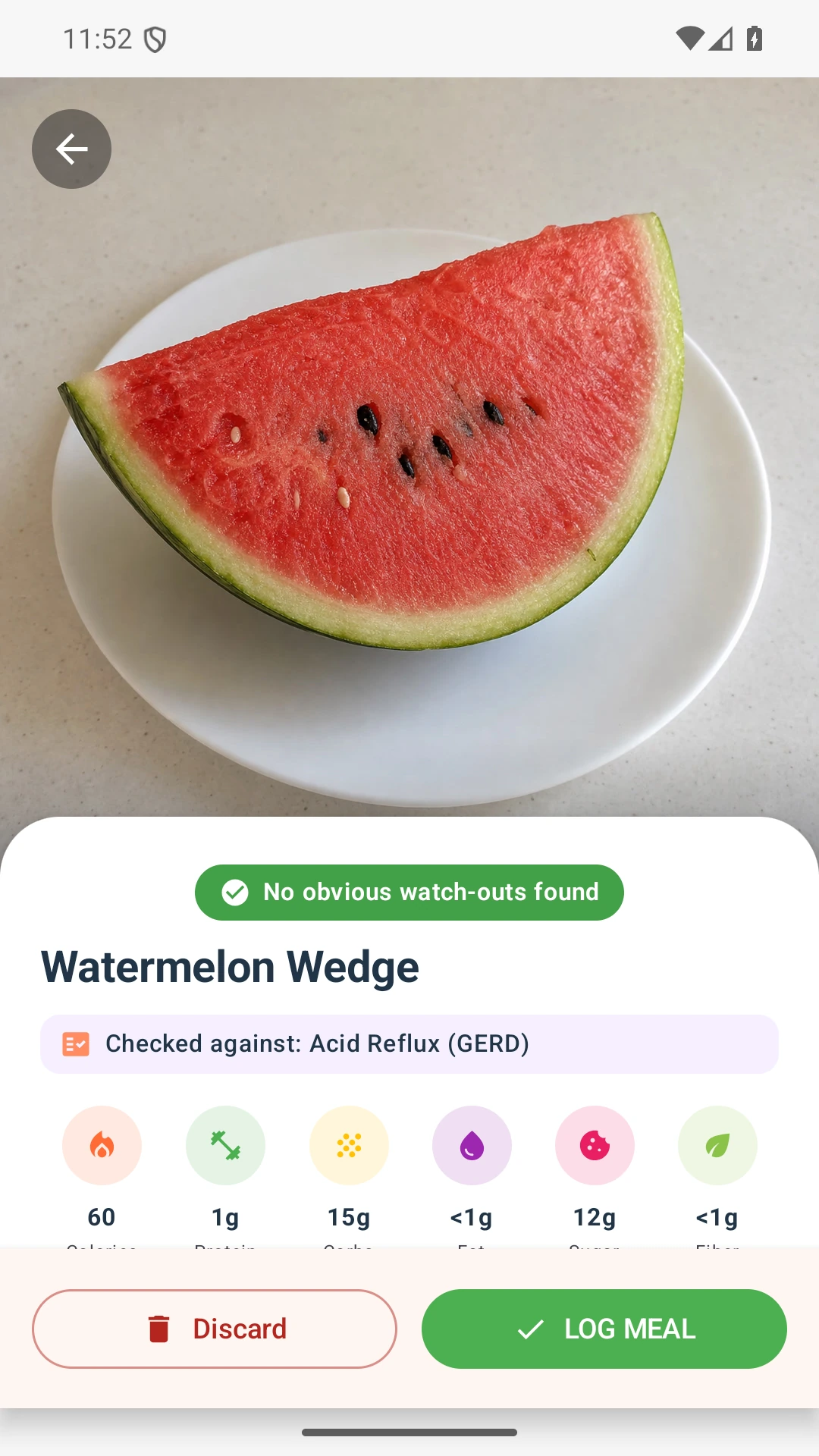
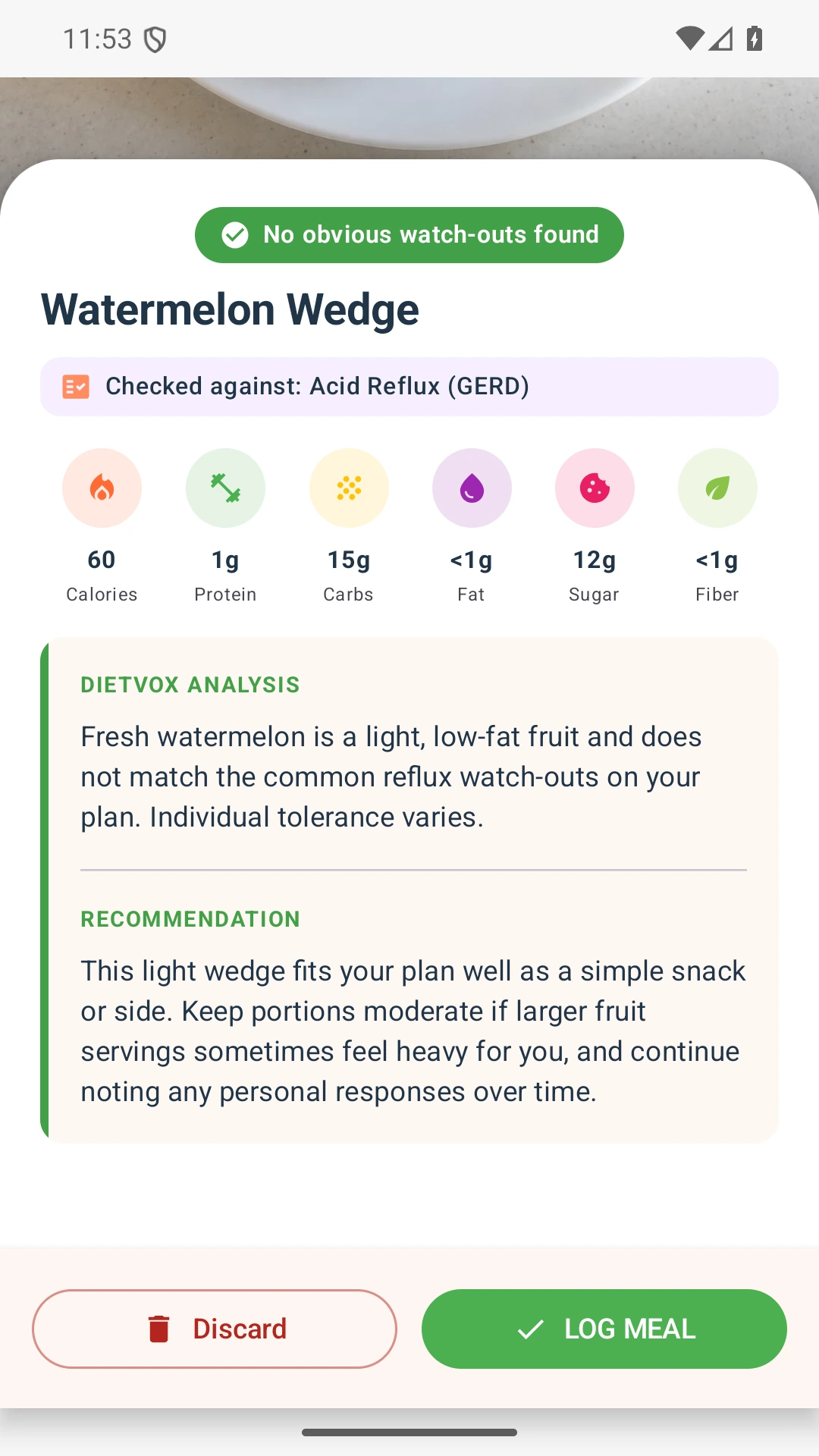
For individuals managing Gastroesophageal Reflux Disease (GERD), a common and important question is is watermelon good for gerd? Based on a thorough review of its nutritional profile and clinical guidance on GERD management, DietVox rates watermelon as GREEN. This rating signifies that watermelon is a safe, well-tolerated food for most people with acid reflux and can be included freely as part of a balanced, GERD-friendly diet.

Our GREEN rating is based on watermelon's high water content, low-acid nature, and negligible fat content, all of which are favourable characteristics for preventing the uncomfortable symptoms of acid reflux, such as heartburn and regurgitation.

Nutritional Analysis for the GERD Diet

Understanding the nutritional composition of watermelon is key to appreciating its suitability for a GERD diet. Per 100g, watermelon provides USDA FoodData Central (FDC ID 167765):

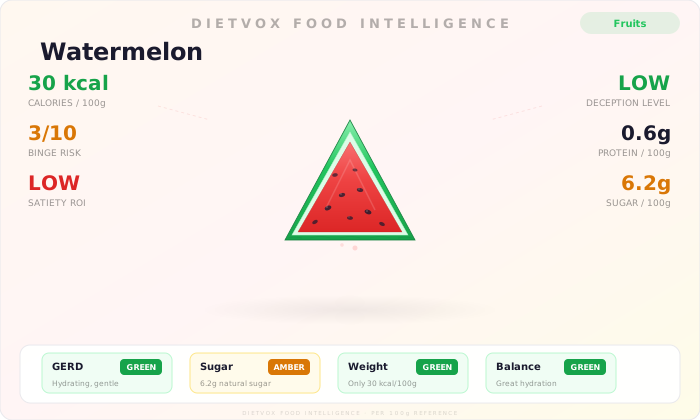
  • Calories: 30 kcal
  • Fat: 0.2g
  • Protein: 0.6g
  • Carbohydrates: 7.6g
  • Sugars: 6.2g
  • Fibre: 0.4g
  • Water: 91.45g

This profile is highly compatible with dietary strategies for GERD. High-fat foods are known triggers because they can delay stomach emptying and relax the lower esophageal sphincter (LES), the muscle that prevents stomach acid from flowing back into the esophagus American College of Gastroenterology acid reflux guidance. With only 0.2g of fat per 100g, watermelon poses virtually no risk in this regard.

Furthermore, maintaining a healthy weight is a primary lifestyle recommendation for managing and reducing GERD symptoms NHS. Watermelon's low calorie density makes it an excellent choice for adding volume and sweetness to your diet without a significant caloric impact, supporting overall weight management goals.

How to Eat Watermelon on a GERD Diet

While watermelon is a safe choice, how you consume it matters. To maximize its benefits and minimize any potential discomfort, consider these practical tips:

  1. Mindful Portions: Even safe foods can cause symptoms if eaten in very large quantities. Overfilling the stomach increases pressure on the LES. A sensible portion of 1-2 cups (150-300g) is a good starting point.
  1. Eat it Plain: Enjoy fresh, ripe watermelon on its own. Avoid adding processed sugars or pairing it with high-fat foods like full-fat cream or cheese, which could introduce GERD triggers.
  1. Timing is Key: Avoid eating any food, including watermelon, within 2-3 hours of lying down for bed. Gravity helps keep stomach contents down, and eating too close to bedtime can promote reflux American College of Gastroenterology.
  1. Listen to Your Body: While watermelon is generally well-tolerated, GERD triggers can be highly individual. Pay attention to your own symptoms. If you find watermelon causes you discomfort, it may be a personal trigger.
  1. Pair for Satiety: Given its low protein and fibre content, watermelon does not provide lasting fullness. To make it part of a more satisfying snack, consider pairing it with a small portion of a GERD-friendly protein source, such as a handful of almonds or a spoonful of low-fat Greek yogurt (if dairy is tolerated).

DietVox Health Forensics: Watermelon for GERD

Our Health Forensics analysis provides a deeper look at how watermelon behaves within a dietary protocol.

  • Calorie Density: LOW (30 kcal/100g) This is a significant advantage for GERD management. health guidance frequently emphasize weight management as a cornerstone of treatment, as excess body weight increases abdominal pressure NICE. Low-calorie-density foods like watermelon allow for satisfying portions that support hydration and nutrient intake without undermining weight goals.
  • Satiety ROI: LOW With minimal protein (0.6g) and fibre (0.4g), watermelon has a low Satiety Return on Investment. It won't keep you feeling full for long. This makes it an ideal, refreshing snack or dessert rather than a meal component intended to provide long-term fullness. Acknowledging this helps in planning a balanced diet that effectively manages both hunger and reflux symptoms.
  • Tracking Difficulty: LOW The consistent composition of watermelon makes it easy to track for those monitoring their caloric intake or identifying trigger foods. This simplicity is beneficial for maintaining adherence to a structured GERD diet plan.

Disclaimer: This article is for informational purposes only and does not constitute medical advice. Always consult a healthcare provider before making changes to your diet, especially if you have a medical condition.

Scan your foods with the DietVox app to get personalized ratings based on your specific dietary needs and health goals.

Last reviewed: June 2026

How It Works

Why Watermelon is Rated GREEN

Watermelon earns its GREEN rating for the GERD (Acid Reflux) Diet due to a combination of three key properties that align perfectly with reflux management principles.

1. Extremely High Water Content

Watermelon is composed of over 91% water USDA FoodData Central (FDC ID 167765). This high water content is beneficial for two reasons. Firstly, it contributes to overall hydration, which is essential for healthy digestion. Secondly, and more directly for GERD, the water can help dilute the concentration of stomach acid. While it won't neutralize acid in the way a medication does, consuming high-water foods can temporarily reduce the acidity of the stomach's contents, potentially lessening irritation if reflux does occur Harvard Health Publishing.

2. Low Acidity

Dietary advice for GERD universally recommends avoiding highly acidic foods, particularly citrus fruits like oranges, lemons, and grapefruit, which can directly irritate an already inflamed esophagus and may worsen heartburn symptoms American College of Gastroenterology acid reflux guidance. Watermelon, with a pH typically ranging from 5.2 to 5.8, is classified as a low-acid fruit. While this is technically below the neutral pH of 7.0, it is significantly less acidic than common trigger fruits and is therefore considered a safe choice for most reflux sufferers.

3. Negligible Fat Content

Fat is a major dietary trigger for GERD. High-fat meals slow down the rate at which the stomach empties its contents into the small intestine. This prolonged stomach distension increases the likelihood of reflux. Fat also promotes the release of the hormone cholecystokinin (CCK), which can cause the lower esophageal sphincter (LES) to relax, further facilitating the backflow of acid PubMed / NIH. At just 0.2g of fat per 100g, watermelon is virtually fat-free, making it an exemplary food for a low-fat dietary approach to managing GERD.

Scan any food. Get an instant RED/AMBER/GREEN rating.

DietVox analyses every food across 4 diet protocols — no guesswork.

Try DietVox Free →

Try These Instead

Safer alternatives that won't trigger your symptoms.

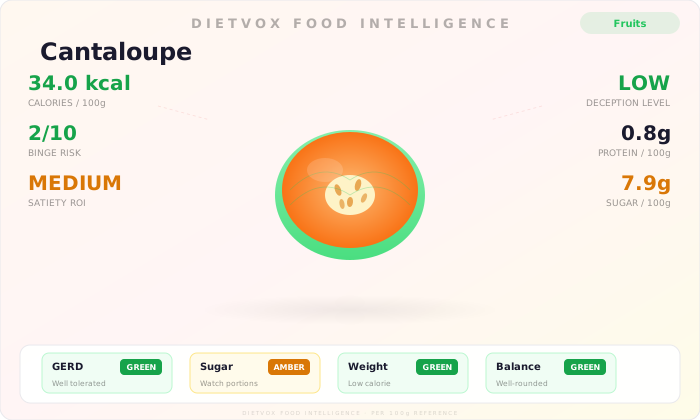
Cantaloupe illustration

Cantaloupe

34 kcal Fruits
GREEN GERD
AMBER Sugar
GREEN Weight
GREEN Balance
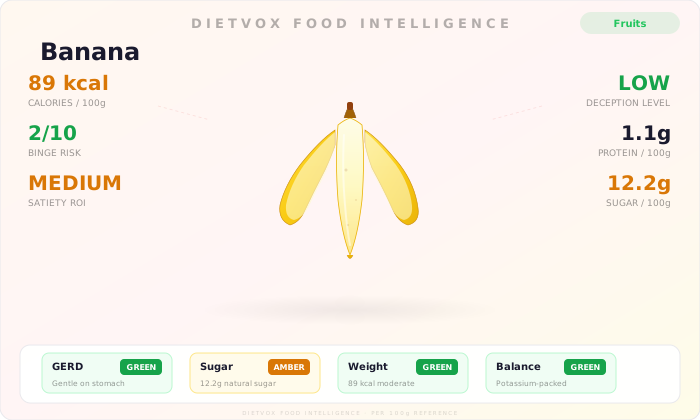
Banana illustration

Banana

89 kcal Fruits
GREEN GERD
AMBER Sugar
AMBER Weight
GREEN Balance
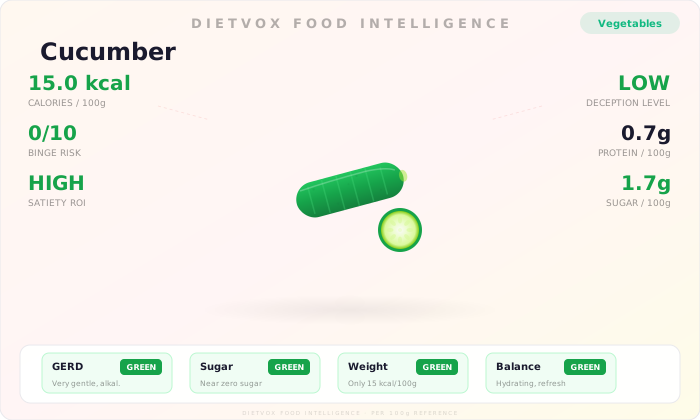
Cucumber illustration

Cucumber

15 kcal Vegetables
GREEN GERD
GREEN Sugar
GREEN Weight
GREEN Balance
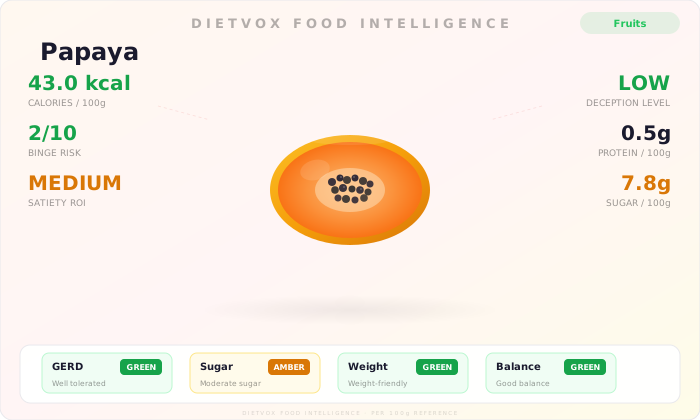
Papaya illustration

Papaya

43 kcal Fruits
GREEN GERD
AMBER Sugar
GREEN Weight
GREEN Balance

Frequently Asked Questions

Is the sugar in watermelon a problem for acid reflux?

For most individuals with GERD, the natural sugars (6.2g per 100g) in a moderate portion of watermelon are not a direct trigger for symptoms. The primary dietary triggers are typically fat, acid, and spice. However, very large, high-sugar meals can sometimes be problematic, so it is always best to consume watermelon in sensible portions as part of a balanced diet and monitor your personal tolerance.

Can I drink watermelon juice if I have GERD?

Eating the whole fruit is generally a better choice than drinking the juice. Watermelon juice is a concentrated source of sugar and lacks the small amount of dietary fibre found in the fruit. This can lead to a quicker sugar spike and, for some, may be more likely to cause discomfort. The high water content of the whole fruit is more beneficial for dilution and hydration.

What is a good portion size for watermelon on a GERD diet?

A recommended portion size is about 1 to 2 cups (approximately 150-300 grams). This amount provides hydration and sweetness without overfilling the stomach, which can increase pressure on the lower esophageal sphincter (LES) and potentially trigger reflux. As with any food, it's important to pay attention to your own body's signals.

Are other melons also good for GERD?

Yes, other melons like cantaloupe and honeydew are also excellent choices for a GERD-friendly diet. Like watermelon, they are low in acid, high in water content, and low in fat. These fruits are often recommended as safe and soothing options for people with acid reflux, as advised by institutions like the American College of Gastroenterology acid reflux guidance.

Related Reading