DietVox Rating: GREEN
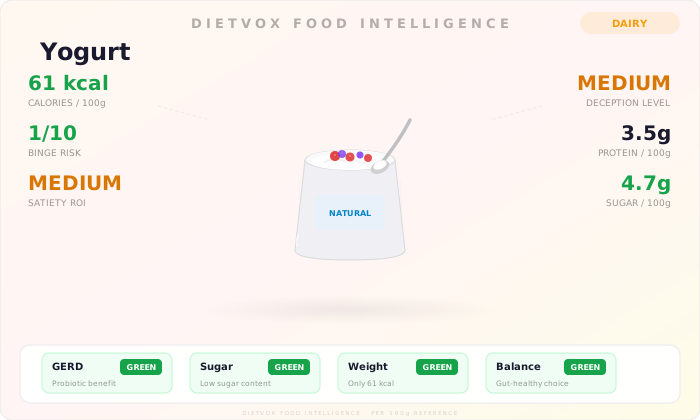
For individuals navigating the complexities of a GERD-friendly diet, the question is yogurt good for gerd is a frequent and important one. DietVox rates yogurt as GREEN, indicating it is generally well-tolerated and can be a beneficial component of a diet designed to manage acid reflux. However, this rating comes with crucial qualifications: the benefits are primarily associated with plain, low-fat, or non-fat yogurt. Full-fat and heavily sweetened varieties may not be suitable and could potentially exacerbate symptoms.
This comprehensive analysis breaks down the direct source support, nutrition profile, and practical considerations for including yogurt in your GERD management plan.
Nutritional Profile of Yogurt in the Context of GERD
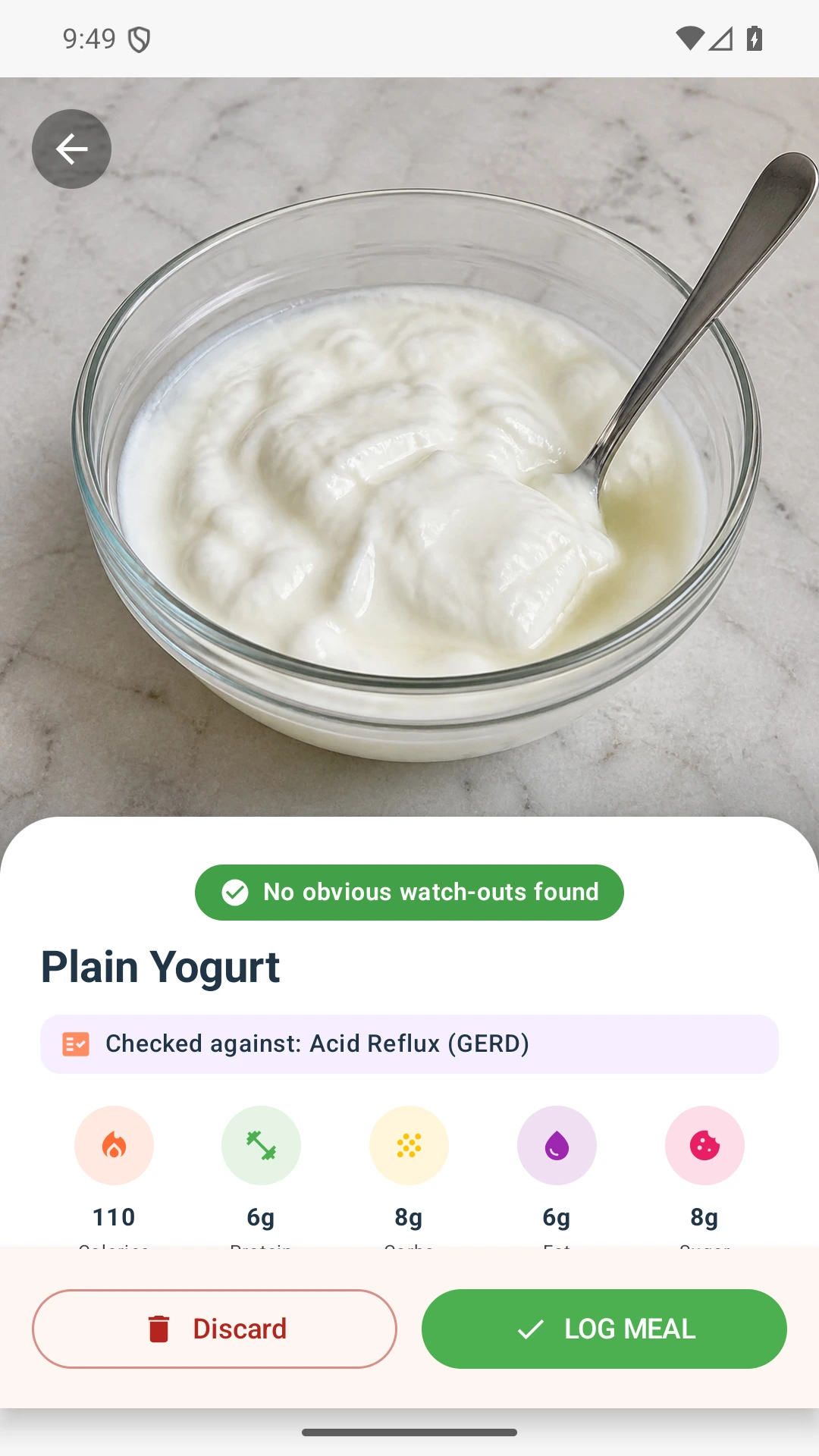
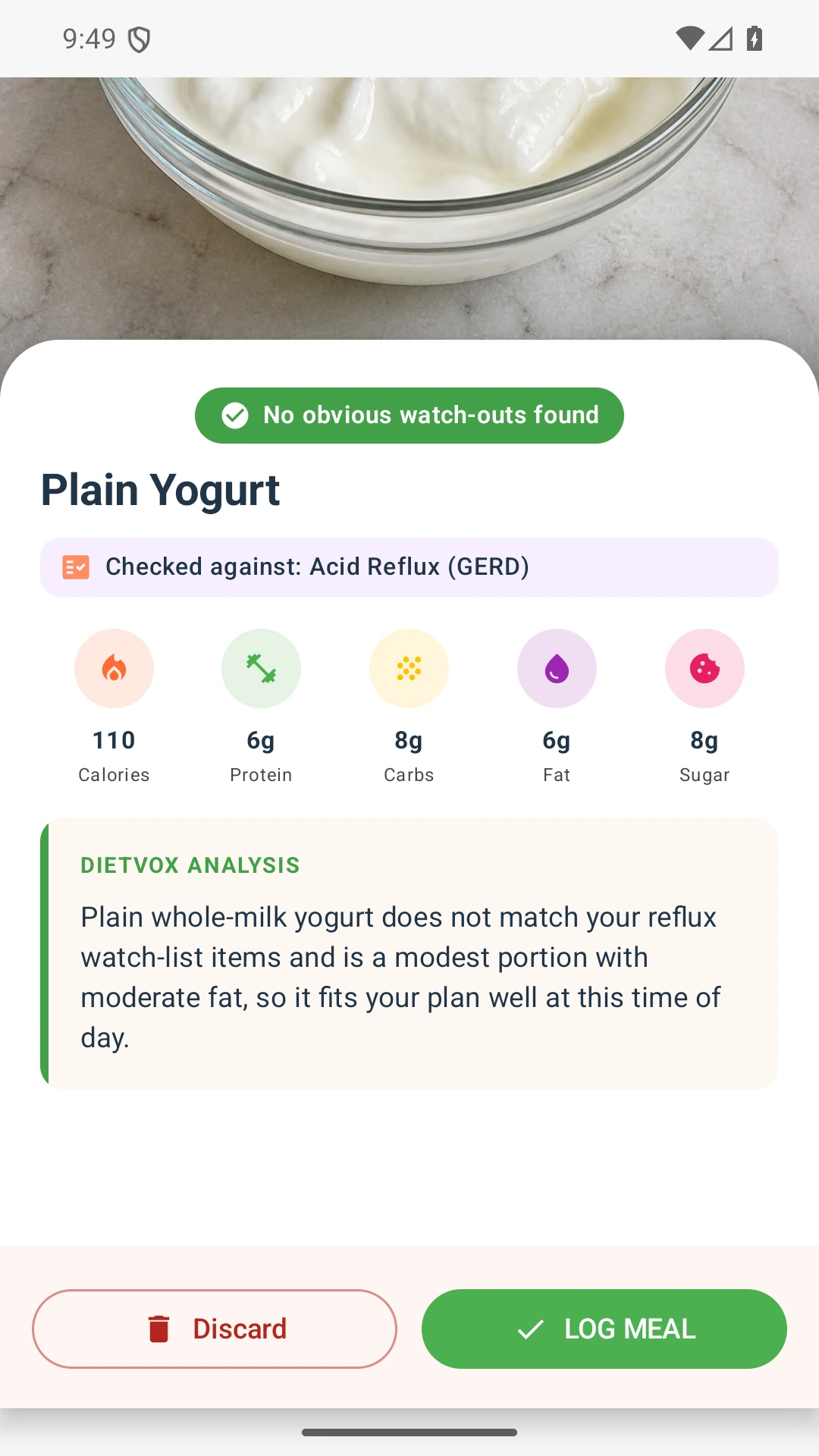
Understanding the nutritional composition of yogurt is key to seeing why it earns a GREEN rating. The data below is for 100g of plain, whole-milk yogurt, which serves as a baseline. GERD-friendly choices will have lower fat content.
- Calories: 61 kcal
- Fat: 3.3g
- Protein: 3.5g
- Carbohydrates: 4.7g (all from sugar/lactose)
- Fibre: 0g
Source: USDA FoodData Central (FDC ID 171284)
For a GERD diet, the most critical value to watch is fat. High-fat foods are known to delay stomach emptying and can relax the lower esophageal sphincter (LES), the muscular valve that keeps stomach acid from flowing back into the esophagus American College of Gastroenterology acid reflux guidance. While 3.3g of fat per 100g is moderate, choosing a low-fat (around 1-1.5g) or non-fat (<0.5g) version significantly reduces this potential risk, making it a safer choice for managing reflux.
The protein content, though modest in standard yogurt, is beneficial. Protein can help promote satiety and, according to some source review, may contribute to increased LES pressure, which helps prevent reflux.
How to Choose and Eat Yogurt on a GERD Diet
Successfully incorporating yogurt into a GERD diet depends entirely on making smart choices at the grocery store and at home.
Reading the Label: Your GERD-Friendly Checklist 1. Check the Fat Content: Look for terms like "non-fat," "0% fat," or "low-fat." Aim for products with less than 2g of fat per serving. 2. Scrutinise the Sugar: Opt for "plain" or "unsweetened" varieties. The 4-5g of sugar listed on plain yogurt is naturally occurring lactose from milk. Avoid products with high amounts of "Added Sugars." High sugar intake can contribute to inflammation and is generally discouraged in a GERD diet WHO. 3. Look for Live Cultures: The label should state "live and active cultures." These are the probiotics that contribute to yogurt's digestive health benefits.
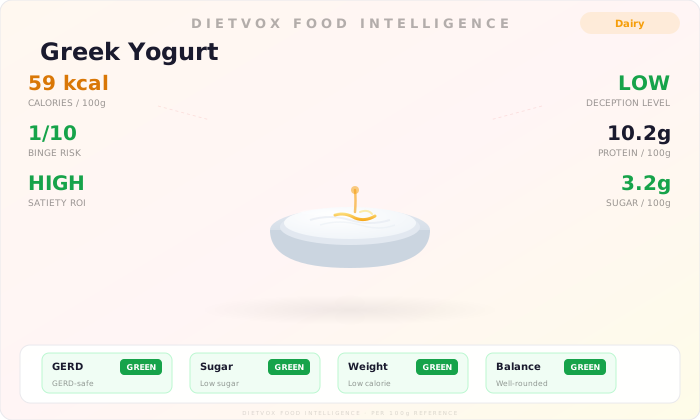
Types of Yogurt for GERD * Low-Fat Greek Yogurt: An excellent choice. It's strained more than regular yogurt, resulting in a thicker texture, lower sugar (lactose), and significantly higher protein content, which can enhance satiety. * Low-Fat Regular Yogurt: A perfectly suitable and often more affordable option. Its thinner consistency can also be very soothing. * Kefir: A drinkable, fermented milk product that is also rich in probiotics. Its GERD tolerance is similar to yogurt—choose plain, low-fat versions. * Dairy-Free Alternatives: For those with lactose intolerance or a dairy sensitivity, unsweetened almond or soy yogurts can be good alternatives. Be cautious with coconut-based yogurts, as they are often high in saturated fat.
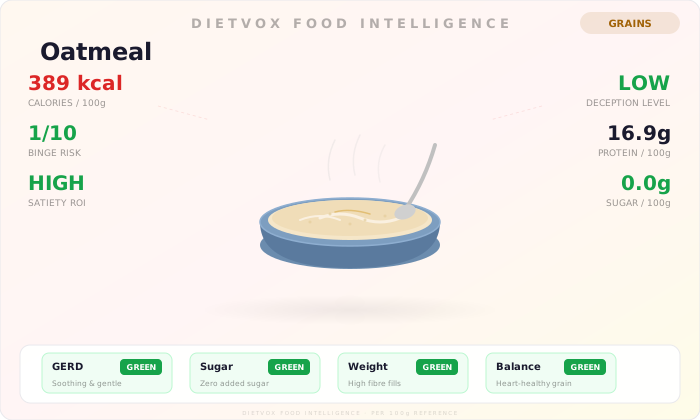
Practical Tips for Consumption * Start Small: If you're new to yogurt or reintroducing it, begin with a small portion (e.g., 1/2 cup) to assess your personal tolerance. * Pair Wisely: Mix in GERD-friendly additions like mashed banana, chopped melon, a spoonful of oatmeal, or a drizzle of manuka honey. Avoid common acidic fruit triggers like strawberries, blueberries, or citrus. * Mind the Timing: As with any food, avoid eating a large portion of yogurt within 2-3 hours of lying down to minimize the risk of nighttime reflux NHS.
Myths vs. Facts: Yogurt and Acid Reflux
Myth: Yogurt is acidic, so it must be bad for acid reflux.
Fact: While yogurt has an acidic pH (typically 4.0-4.5), it is significantly less acidic than stomach acid (pH 1.5-3.5). For most people, it does not trigger reflux in the same way as highly acidic foods like tomatoes or citrus fruits. The protein and calcium in yogurt can also have a slight buffering effect, and its cool, smooth texture is often described as soothing to an irritated esophagus Harvard Health Publishing.
Myth: Any yogurt with probiotics will help my GERD.
Fact: While probiotics are beneficial, they cannot override the negative effects of high fat and high sugar content. A sugary, full-fat yogurt loaded with fruit syrup is a common reflux trigger, regardless of its probiotic content. The delivery vehicle for the probiotics matters just as much as the probiotics themselves.
Disclaimer: This article is for informational purposes only and does not constitute medical advice. Always consult a healthcare provider before making changes to your diet, especially if you have a medical condition.
Scan your foods with the DietVox app to get personalized ratings based on your specific dietary needs and health goals.
Last reviewed: June 2026
How It Works
Why Yogurt is Rated GREEN
DietVox assigns Yogurt a GREEN rating for the GERD protocol based on a careful analysis of its components and their effects on digestive physiology. The recommendation is conditional, applying specifically to plain, low-fat varieties.
- Probiotic Content Supports Gut Health: Yogurt is a primary source of probiotics—live beneficial bacteria that support a healthy gut microbiome. While not a direct cure for GERD, a balanced gut environment is crucial for proper digestion and gastric motility. Some sources suggest that probiotics can help modulate gut function, which may indirectly alleviate symptoms associated with digestive disorders like GERD. A healthy gut can lead to more efficient stomach emptying, reducing the time food and acid sit in the stomach PubMed.
- Low-Fat Varieties Avoid Common Triggers: High-fat foods are a well-documented trigger for GERD symptoms. They delay gastric emptying and can decrease the pressure of the lower esophageal sphincter (LES), making it easier for acid to reflux into the esophagus American College of Gastroenterology. By selecting non-fat or low-fat yogurt, you effectively eliminate this major trigger mechanism, making it a safe and suitable food for a GERD management plan.
- Soothing Texture and Moderate Acidity: The cool, smooth consistency of yogurt can provide a physically soothing sensation for an inflamed esophagus. Although yogurt is fermented and thus acidic, its pH is generally well-tolerated compared to classic acidic triggers like citrus fruits, tomatoes, or vinegar. It is not typically associated with causing a direct acid-reflux event in most individuals.
- Source of Easily Digestible Protein: Protein is an important macronutrient in a GERD diet. Unlike high-fat meals, protein-rich foods generally do not relax the LES. Some source support suggests that adequate protein intake can even help increase LES pressure, strengthening the barrier against acid reflux. Low-fat yogurt provides an easily digestible source of protein without the accompanying high-fat trigger.
Scan any food. Get an instant RED/AMBER/GREEN rating.
DietVox analyses every food across 4 diet protocols — no guesswork.
Try DietVox Free →Try These Instead
Safer alternatives that won't trigger your symptoms.
Frequently Asked Questions
Can I eat Yogurt on a gerd (acid reflux) diet?
DietVox rates Yogurt GREEN for gerd (acid reflux) diet. Low-fat yogurt is well-tolerated and its probiotic cultures may support digestive health. Choose plain, low-fat varieties — full-fat or heavily sweetened yogurt may increase reflux risk.
Is Greek yogurt better than regular yogurt for GERD?
Greek yogurt can be an excellent choice for a GERD diet due to its higher protein content, which promotes satiety and may help strengthen the lower esophageal sphincter. However, the most critical factor for either type is choosing a plain, low-fat or non-fat version to avoid potential triggers.
Can the probiotics in yogurt cure GERD?
No, yogurt and its probiotics are not a cure for GERD. GERD is a chronic medical condition. While probiotics can support overall digestive health and potentially help manage symptoms as part of a broader dietary strategy, they do not resolve the underlying causes of reflux. Always consult a healthcare provider for a comprehensive treatment plan ACG Guidelines.
What can I add to plain yogurt to make it taste better on a GERD diet?
To enhance the flavor of plain yogurt without triggering reflux, consider mixing in non-acidic fruits like chopped melon, pear, or banana. A small amount of honey (especially Manuka honey), a sprinkle of oatmeal, or crushed almonds are also generally well-tolerated options. Avoid adding acidic berries, citrus, chocolate, or mint.
I'm lactose intolerant. Are there GERD-friendly yogurt options for me?
Yes. Many individuals with lactose intolerance can tolerate regular yogurt because the live cultures help digest the lactose. If you are still sensitive, plain, unsweetened dairy-free yogurts made from almond or soy milk are excellent GERD-friendly alternatives. Be sure to check labels to ensure they are low in fat and have no added sugars.