DietVox Rating: GREEN

For individuals navigating the complexities of a GERD (Acid Reflux) diet, finding foods that are both nutritious and non-triggering is paramount. DietVox rates Chia Seeds as GREEN, indicating they are generally well-tolerated and may offer benefits for managing symptoms. Our analysis of chia seeds acid reflux interactions is based on their nutritional composition and physical properties, supported by direct source support. This GREEN rating signifies that, with proper preparation and portion control, chia seeds can be a safe and valuable addition to a GERD-friendly eating plan.

This comprehensive guide will explore the mechanisms behind our rating, break down the relevant nutritional data, and provide practical advice for incorporating chia seeds into your diet without exacerbating acid reflux symptoms.

Nutritional Profile of Chia Seeds

Understanding the nutritional makeup of chia seeds is the first step in appreciating their role in a GERD diet. While they are calorie-dense, their macronutrient and micronutrient profile is impressive and offers several advantages.

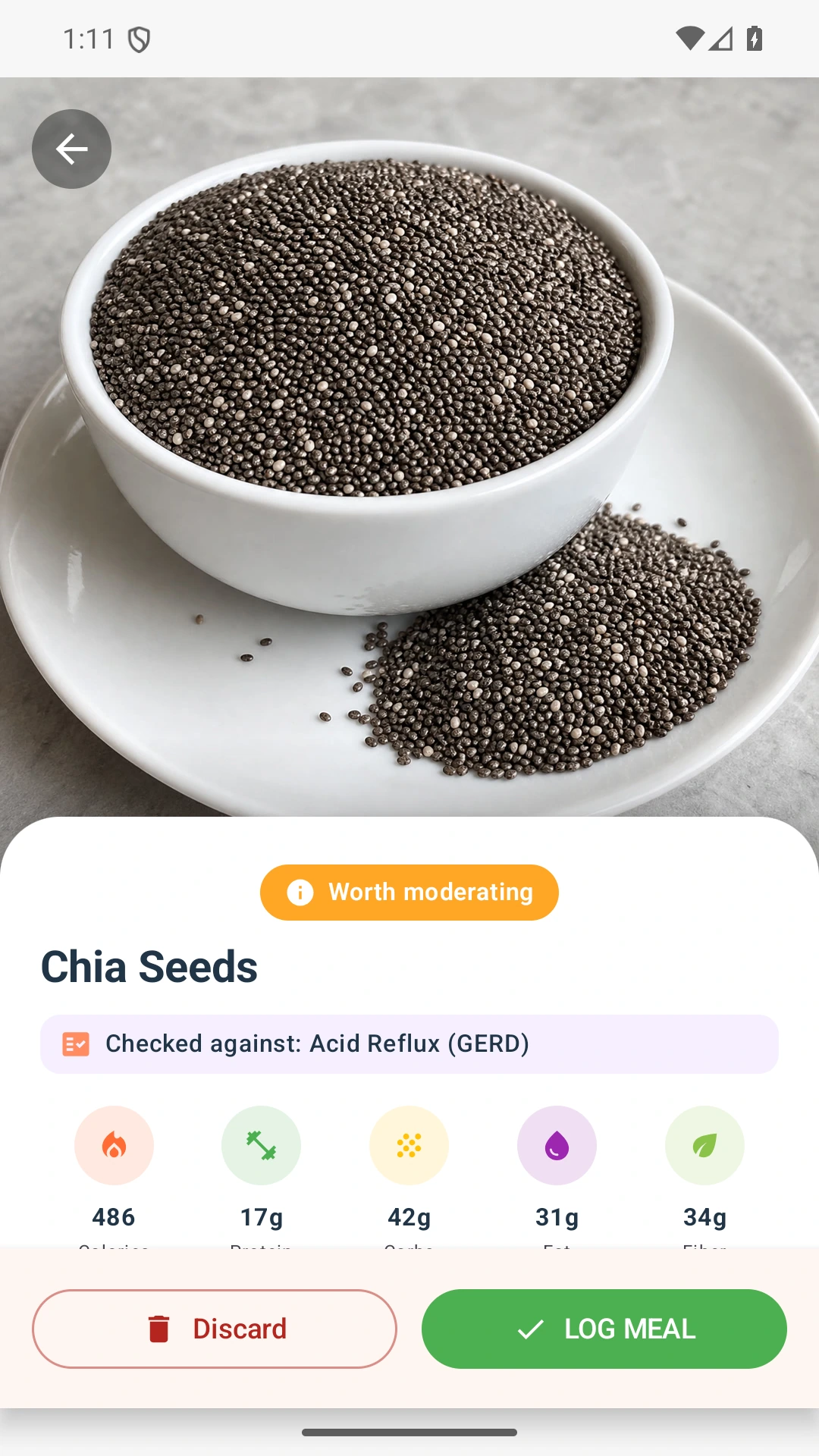
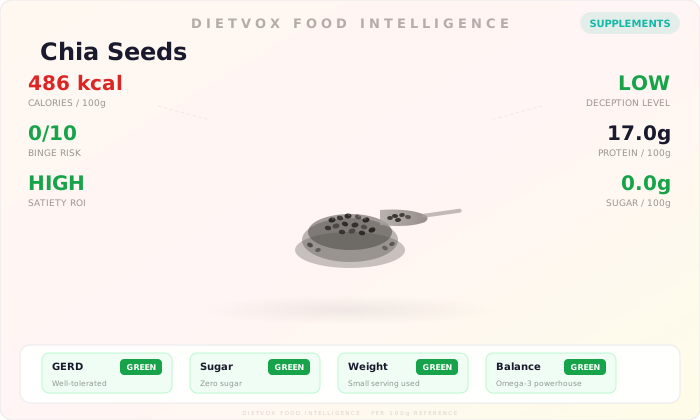
Here is the nutritional breakdown per 100g of dry chia seeds, according to the USDA FoodData Central (FDC ID 170554):

  • Calories: 486 kcal
  • Protein: 17.0g
  • Fat: 31.0g * Saturated Fat: 3.3g * Polyunsaturated Fat: 23.7g (primarily Omega-3s)
  • Carbohydrates: 42.0g
  • Dietary Fibre: 34.4g
  • Sugar: 0.0g

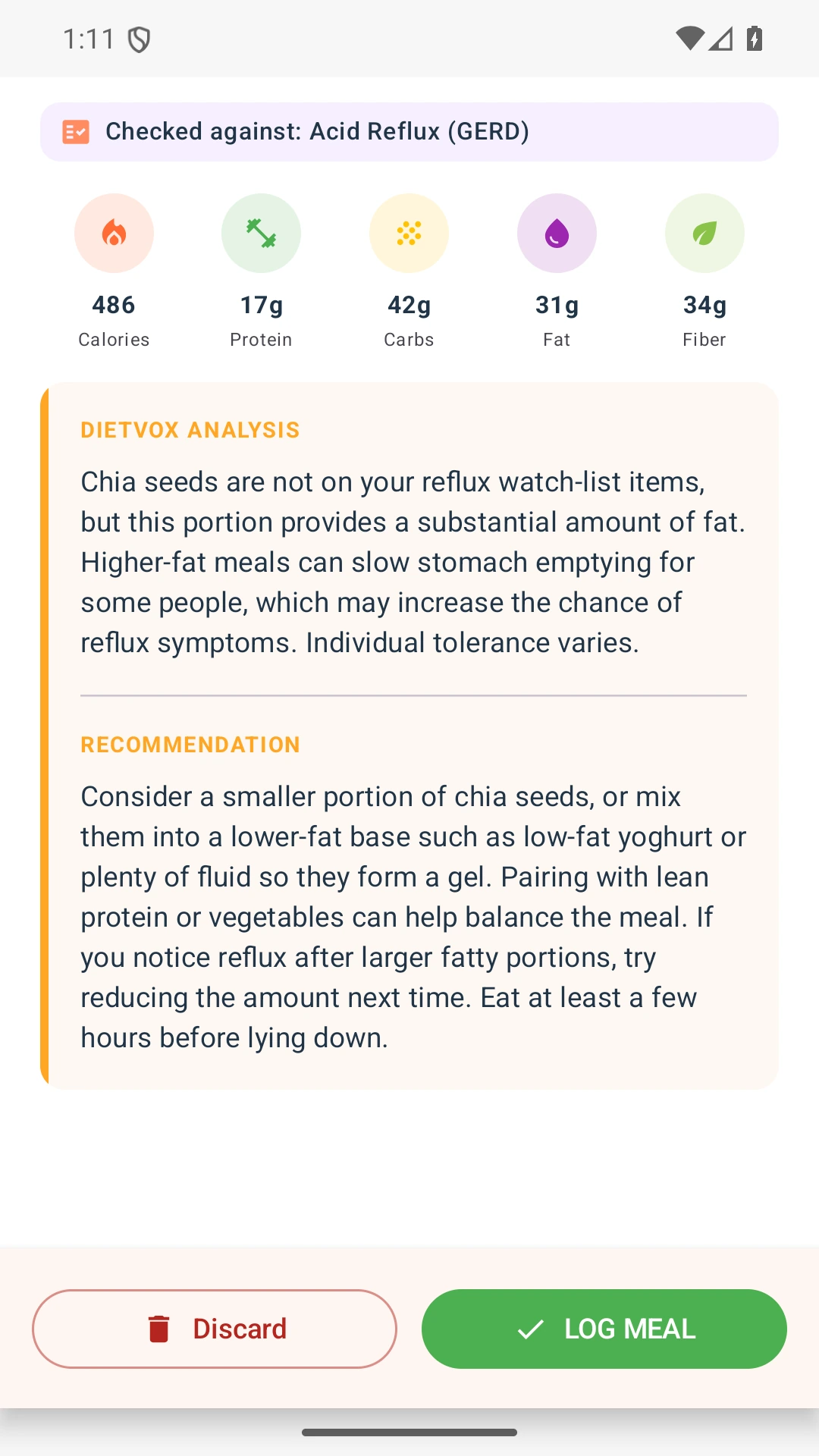
It is crucial to note the high calorie and fat content. However, as the American College of Gastroenterology acid reflux guidance points out, the type of fat matters. The fat in chia seeds is predominantly healthy, anti-inflammatory omega-3 fatty acids, not the saturated and trans fats found in fried foods that are known to trigger GERD by relaxing the lower esophageal sphincter (LES).

The most significant component for GERD management is the exceptionally high dietary fibre content, which plays a central role in digestive health.

Practical Ways to Eat Chia Seeds on a GERD Diet

Proper preparation is essential to unlock the benefits of chia seeds and prevent potential issues. Here are some practical tips for incorporating them safely and effectively:

1. Always Soak Before Eating This is the most critical rule. Consuming dry chia seeds can be a choking hazard, as they can rapidly absorb liquid and expand in the esophagus. A case source review listed by the American College of Gastroenterology highlights this potential danger American College of Gastroenterology chia seed safety article. Soaking chia seeds (a 1:4 ratio of seeds to liquid is a good starting point) allows them to form their characteristic gel, making them safe to consume and easy to digest.

2. Start with Small Portions A typical serving size is 1-2 tablespoons (12-24g) of dry seeds per day. Due to their high fibre content, introducing them into your diet suddenly can cause gas or bloating. The NHS advises increasing fibre intake gradually to allow your digestive system to adjust.

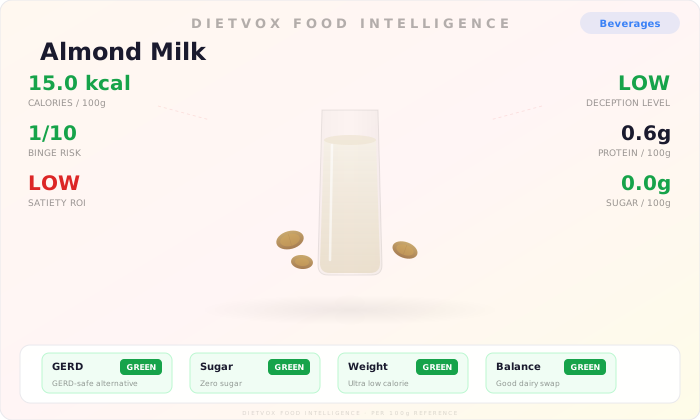
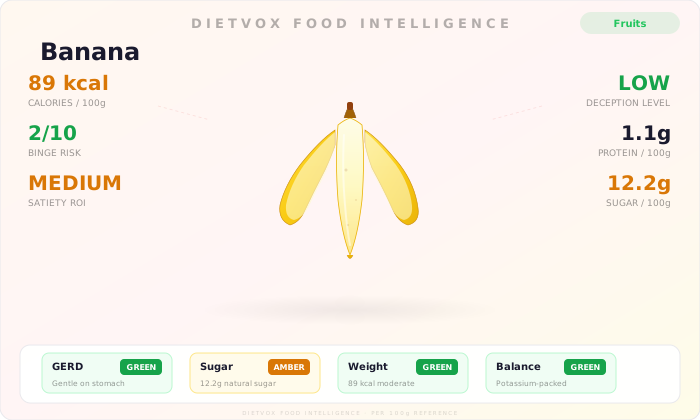
3. GERD-Friendly Recipe Ideas * Chia Pudding: Mix 2 tablespoons of chia seeds with a cup of almond milk or another low-fat, non-dairy milk. Let it sit for at least 2 hours or overnight. Serve with non-acidic fruits like banana or melon. * Smoothie Booster: Add a tablespoon of pre-soaked chia seeds to your favourite GERD-friendly smoothie. A good combination is spinach, banana, and almond milk. * Oatmeal Enhancer: Stir a tablespoon of soaked chia gel into your morning oatmeal to boost fibre and healthy fats.

4. Stay Hydrated Fibre absorbs water in the digestive tract. To ensure it functions correctly and doesn't lead to constipation, it's vital to drink plenty of water throughout the day, a general recommendation for digestive health supported by health authorities like the World Health Organization (WHO).

The Verdict: A Beneficial Food with Caveats

Chia seeds earn their GREEN rating for the GERD protocol due to a powerful combination of high fibre, healthy fats, and unique physical properties. They are not a cure for acid reflux but can be a highly effective component of a broader dietary strategy aimed at symptom management.

By promoting digestive regularity, potentially soothing esophageal tissue, and contributing anti-inflammatory compounds, they offer multiple benefits. The key to success is mindful consumption: start small, always soak them, and be aware of their calorie density. When used correctly, chia seeds are a superb, functional food for those managing GERD.


Disclaimer: This article is for informational purposes only and does not constitute medical advice. Always consult a healthcare provider before making changes to your diet, especially if you have a medical condition.

Scan your foods with the DietVox app to get personalized ratings based on your specific dietary needs and health goals.

Last reviewed: June 2026

How It Works

Why Chia Seeds are Rated GREEN for GERD

Our GREEN rating for chia seeds is based on four key biomechanical and nutritional factors that are beneficial for individuals managing GERD. While no single food can treat GERD, the properties of chia seeds align well with dietary strategies recommended by gastroenterology experts.

1. Exceptional Source of Dietary Fibre Chia seeds contain an impressive 34.4g of dietary fibre per 100g USDA FoodData Central (FDC ID 170554). This fibre is a mix of soluble and insoluble types. High-fibre diets are associated with improved digestive transit. A source review in Gut journal, available on PubMed, suggests that improved gastric emptying and reduced constipation can decrease intra-abdominal pressure, which in turn may reduce pressure on the lower esophageal sphincter (LES). A properly functioning LES is crucial for preventing stomach acid from refluxing into the esophagus.

2. Soothing Gel-Forming Properties When mixed with liquid, the soluble fibre in chia seeds forms a viscous, mucilaginous gel. This gel has two potential benefits for GERD. First, it can add weight and viscosity to stomach contents, which may help prevent them from splashing upwards. Second, this gel-like substance may form a temporary, soothing coating on the lining of the stomach and esophagus. While direct direct trials on this specific coating effect for GERD are limited, the physical property itself is a plausible mechanism for symptom relief, similar to how alginate therapies work.

3. Rich in Anti-Inflammatory Omega-3 Fatty Acids Chronic acid exposure can lead to inflammation of the esophagus, a condition known as esophagitis. Chia seeds are one of the richest plant-based sources of alpha-linolenic acid (ALA), a type of omega-3 fatty acid. According to MedlinePlus omega-3 fats overview, omega-3s have potent anti-inflammatory properties. By contributing to an overall anti-inflammatory diet, chia seeds may help mitigate the inflammation associated with long-term GERD.

4. Alkaline-Forming Nature While the concept of an "alkaline diet" is debated, the principle of avoiding highly acidic foods is a cornerstone of GERD management American College of Gastroenterology acid reflux guidance. Foods are categorized based on their potential renal acid load (PRAL) after metabolism. Chia seeds are considered alkaline-forming, meaning they do not contribute to the body's acid load. Including more non-acidic and alkaline-forming foods like chia seeds can help balance a diet and avoid common triggers like citrus fruits and tomatoes.

Scan any food. Get an instant RED/AMBER/GREEN rating.

DietVox analyses every food across 4 diet protocols — no guesswork.

Try DietVox Free →

Try These Instead

Safer alternatives that won't trigger your symptoms.

Flax Seeds illustration

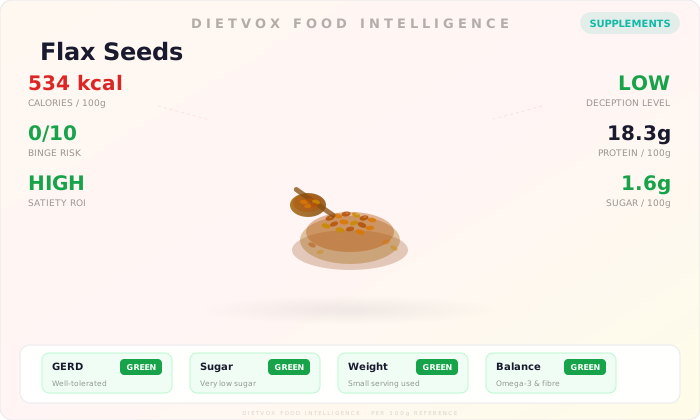
Flax Seeds

534 kcal Supplements
GREEN GERD
GREEN Sugar
GREEN Weight
GREEN Balance
Oatmeal illustration

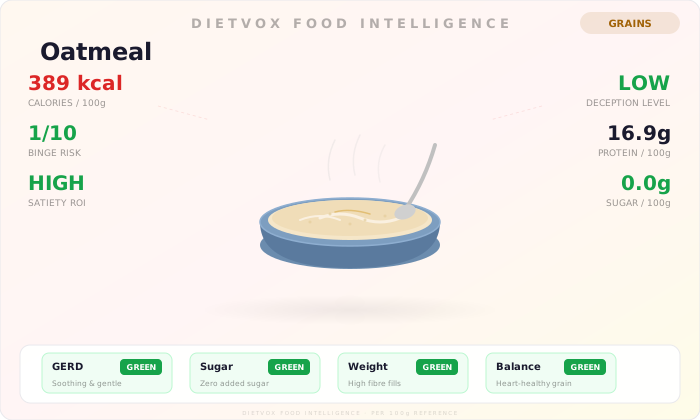
Oatmeal

389 kcal Grains
GREEN GERD
GREEN Sugar
GREEN Weight
GREEN Balance
Almond Milk illustration

Almond Milk

15 kcal Beverages
GREEN GERD
GREEN Sugar
GREEN Weight
GREEN Balance
Banana illustration

Banana

89 kcal Fruits
GREEN GERD
AMBER Sugar
AMBER Weight
GREEN Balance

Frequently Asked Questions

How much chia seed can I eat daily with GERD?

There is no official guideline for GERD, but a standard serving of 1-2 tablespoons (about 12-24g) of dry seeds per day is a safe and effective starting point for most adults. It is best to introduce them gradually to allow your digestive system to adapt to the high fibre content and prevent potential bloating.

Should I eat chia seeds soaked or dry for acid reflux?

For managing acid reflux, you should always consume chia seeds after they have been soaked. Soaking creates a soothing gel that is easier to swallow and digest. Eating large quantities of dry chia seeds is not recommended as they can rapidly absorb moisture and pose a choking risk, as noted in reports by the American College of Gastroenterology.

Can chia seeds cure my acid reflux?

No single food, including chia seeds, can cure GERD. GERD is a complex medical condition that requires a comprehensive management plan. However, chia seeds can be a highly beneficial part of a dietary strategy, like those recommended by the American College of Gastroenterology acid reflux guidance, to help manage symptoms alongside lifestyle changes and any prescribed medical treatments.

Will the fat content in chia seeds trigger my GERD symptoms?

While high-fat meals are a common GERD trigger, the type of fat is important. The fat in chia seeds is primarily polyunsaturated fat, including anti-inflammatory omega-3s. These healthy fats, consumed in moderation as part of a typical serving, are unlikely to trigger reflux in the same way as the saturated fats in fried or greasy foods.

Related Reading