DietVox Rating: GREEN

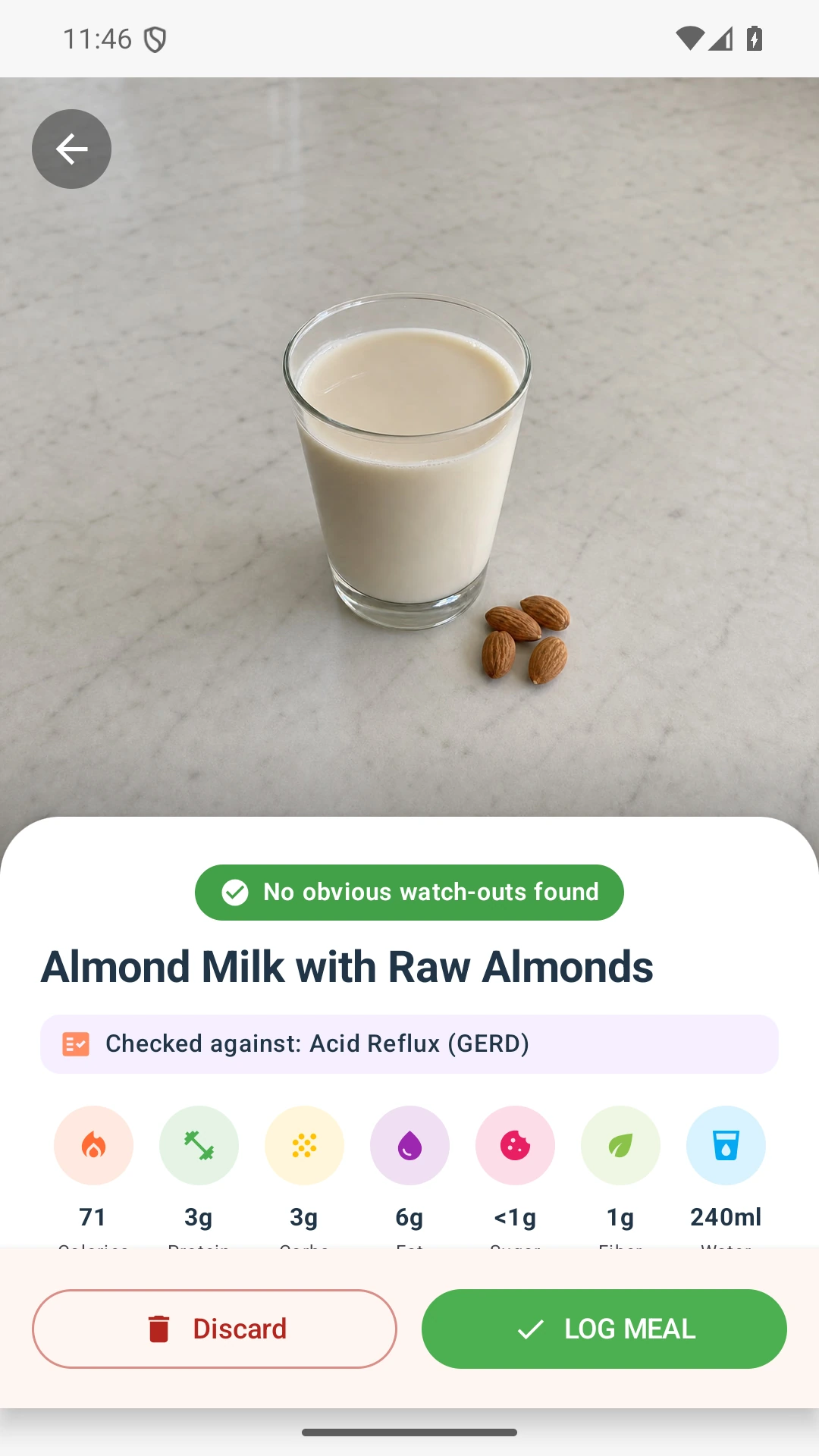
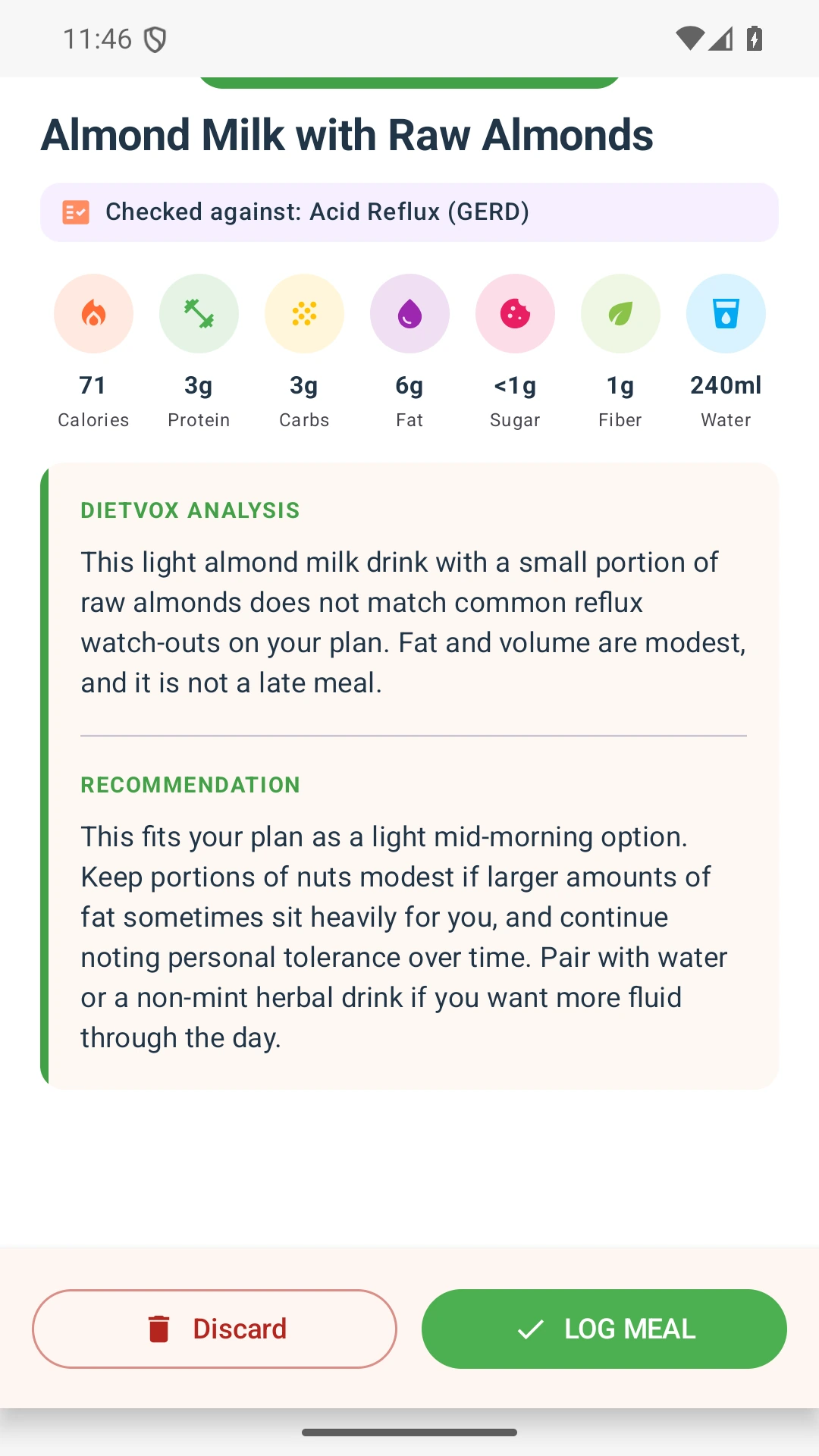
The Verdict: Unsweetened almond milk is an excellent choice for individuals managing a GERD (Acid Reflux) Diet. DietVox assigns it a GREEN rating due to its favourable nutritional profile, which is low in known reflux triggers. For those asking is almond milk good for GERD, the available guidance supports choosing it when tolerated, positioning it as a safe and often beneficial dairy alternative.

This rating signifies that almond milk is unlikely to trigger acid reflux symptoms and can be freely incorporated into a GERD-friendly eating plan. Its composition aligns well with dietary strategies recommended by leading health authorities for managing gastroesophageal reflux disease American College of Gastroenterology acid reflux guidance.

Almond Milk and GERD: A Nutritional Deep Dive

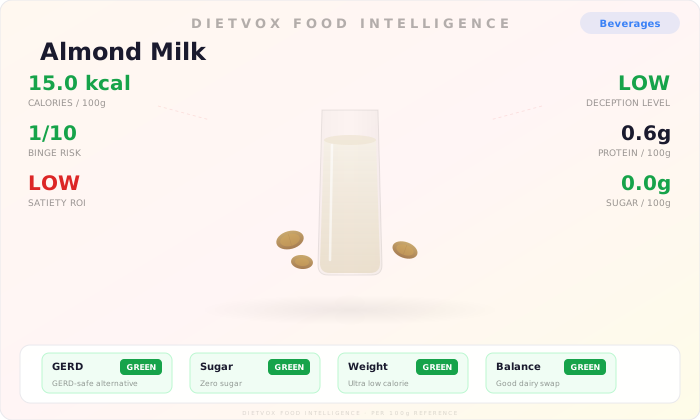
Understanding the nutritional composition of almond milk is key to appreciating its suitability for a GERD diet. Based on data from the USDA, unsweetened almond milk per 100ml is exceptionally lean USDA FoodData Central (FDC ID 1999631).

Nutritional Profile (per 100ml): - Calories: 15 kcal - Fat: 1.1g (of which Saturated Fat is 0.1g) - Carbohydrates: 0.3g - Sugar: 0.0g - Protein: 0.6g

The most critical factors for GERD management are the low fat and zero sugar content. High-fat foods are a well-documented trigger for acid reflux, as they can delay gastric emptying and reduce the pressure of the lower esophageal sphincter (LES), allowing stomach acid to flow back into the esophagus Harvard Health Publishing. At just 1.1g of fat per 100ml, almond milk is a stark contrast to whole cow's milk (around 3.5g-4g fat) and even 2% milk (around 2g fat).

Practical Tips for Using Almond Milk on a GERD Diet

To ensure almond milk remains a GREEN-rated choice in your diet, follow these practical tips:

  1. Always Choose Unsweetened: This is the most important rule. Sweetened and flavoured varieties can contain significant amounts of added sugar (3-7g per 100ml). High sugar intake is not directly linked to LES function but can contribute to inflammation and weight gain, an established risk factor for GERD NHS.
  1. Check the Ingredient List: Opt for brands with the simplest ingredients—typically water, almonds, and perhaps calcium carbonate for fortification. Some brands add thickeners like gellan gum or locust bean gum, which are generally well-tolerated. Be mindful of carrageenan, an additive that some anecdotal reports link to digestive upset, though source review is still developing.
  1. Incorporate Wisely: Use almond milk as a base for GERD-friendly smoothies with low-acid fruits like bananas or melons. It's an excellent choice for oatmeal or other whole-grain, low-sugar cereals. You can also use it to create creamy, low-fat soups without relying on heavy cream or full-fat dairy.
  1. Mind Your Portions: While almond milk is gentle on the stomach, consuming a very large volume of any liquid in one sitting can increase intra-gastric pressure. It's best to consume moderate portions (e.g., a 200-250ml glass) at a time.

Almond Milk vs. Other Milks for Acid Reflux

How does almond milk stack up against other popular milk choices for those with GERD?

  • Cow's Milk: The fat content in whole and even reduced-fat cow's milk can trigger reflux symptoms. While skim milk is a better option, some individuals find dairy itself to be a trigger. Almond milk provides a reliably low-fat, non-dairy alternative.
  • Soy Milk: Unsweetened soy milk is also a good, low-fat option. However, it is a common allergen, and some people may have sensitivities. Nutritionally, it offers significantly more protein than almond milk.
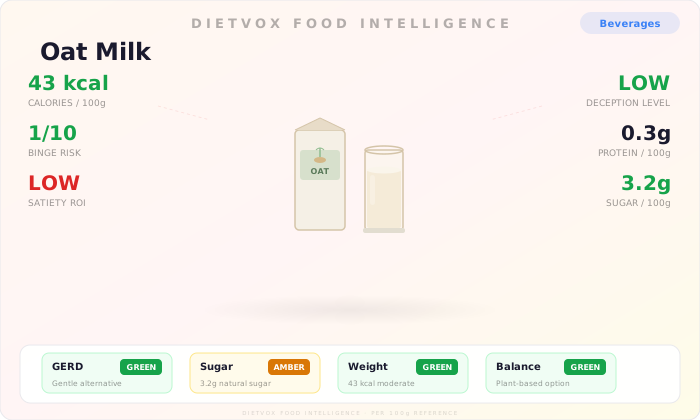
  • Oat Milk: Unsweetened oat milk is generally low in fat and well-tolerated. However, it is naturally higher in carbohydrates and can sometimes contain more sugar than almond milk, even in 'unsweetened' varieties, due to the enzymatic process used to make it. Always check the nutrition label.
  • Coconut Milk (Beverage): The beverage form (in a carton) is lower in fat than canned coconut milk, but can still be higher in fat than almond milk. It's essential to check the label, as fat content varies widely between brands.

For most GERD sufferers, unsweetened almond milk presents one of the safest and most reliable choices among milk alternatives.

The Role of Diet in GERD Management

It is crucial to remember that dietary modification is a cornerstone of managing GERD, but not a cure. Almond milk is a tool within a broader strategy that should include avoiding common triggers like caffeine, alcohol, chocolate, spicy foods, and high-fat meals American College of Gastroenterology. Lifestyle changes such as maintaining a healthy weight, eating smaller meals, and not lying down immediately after eating are equally important for long-term symptom control NICE. Always consult with a healthcare provider or registered dietitian to create a personalized management plan.


Disclaimer: This article is for informational purposes only and does not constitute medical advice. Always consult a healthcare provider before making changes to your diet, especially if you have a medical condition.

Scan your foods with the DietVox app to get personalized ratings based on your specific dietary needs and health goals.

Last reviewed: June 2026

How It Works

Why Almond Milk is Rated GREEN

DietVox's GREEN rating for almond milk on the GERD (Acid Reflux) Diet is based on three key biochemical and nutritional properties that align with established dietary guidelines for managing reflux.

  1. Low Fat Content: The primary reason for its favourable rating is its extremely low fat content. Unsweetened almond milk contains approximately 1.1 grams of fat per 100ml. health guidance from institutions like the Mayo Clinic consistently identify high-fat foods as a major trigger for GERD symptoms American College of Gastroenterology acid reflux guidance. Fat delays the rate at which the stomach empties its contents and can also decrease the resting pressure of the lower esophageal sphincter (LES), the muscular valve that prevents stomach acid from flowing back into the esophagus. By being very low in fat, almond milk avoids this common trigger mechanism.
  1. Alkaline-Leaning pH: While the body tightly regulates blood pH, the pH of foods themselves can have a local effect on the esophagus and stomach. Almonds are considered an alkaline-forming food. When consumed, almond milk does not contribute to the acidic load in the stomach. For individuals with an already irritated esophagus, choosing less acidic beverages can help prevent further irritation and discomfort. This contrasts with acidic beverages like citrus juices or sodas, which are known to worsen reflux symptoms.
  1. Absence of Common Triggers: Almond milk is naturally free from common GERD triggers found in other beverages. It contains no lactose, which can cause bloating and gas in intolerant individuals, potentially increasing abdominal pressure. It is also free from caffeine and theobromine (found in chocolate milk), compounds known to relax the LES. As a non-dairy product, it serves as an excellent alternative for those who find cow's milk, particularly higher-fat versions, to be a personal trigger for their symptoms.

Scan any food. Get an instant RED/AMBER/GREEN rating.

DietVox analyses every food across 4 diet protocols — no guesswork.

Try DietVox Free →

Try These Instead

Safer alternatives that won't trigger your symptoms.

Oat Milk illustration

Oat Milk

43 kcal Beverages
GREEN GERD
GREEN Sugar
GREEN Weight
GREEN Balance
Bone Broth illustration

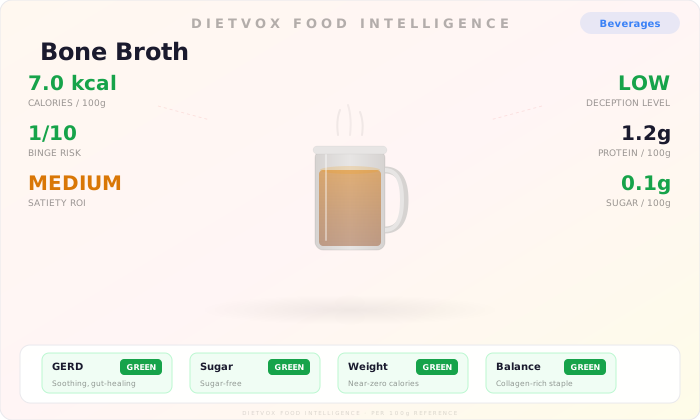
Bone Broth

7 kcal Beverages
GREEN GERD
GREEN Sugar
GREEN Weight
GREEN Balance
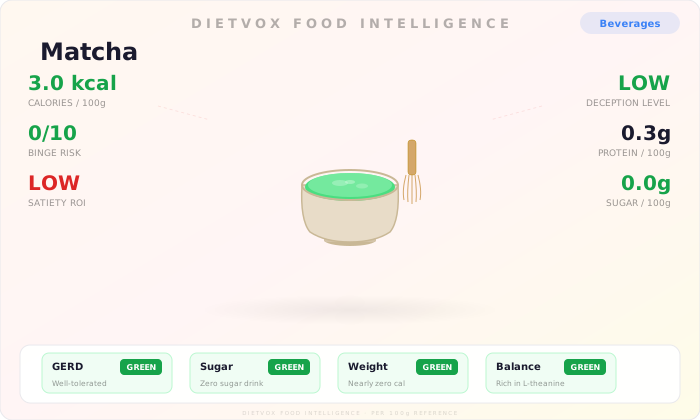
Matcha illustration

Matcha

3 kcal Beverages
GREEN GERD
GREEN Sugar
GREEN Weight
GREEN Balance
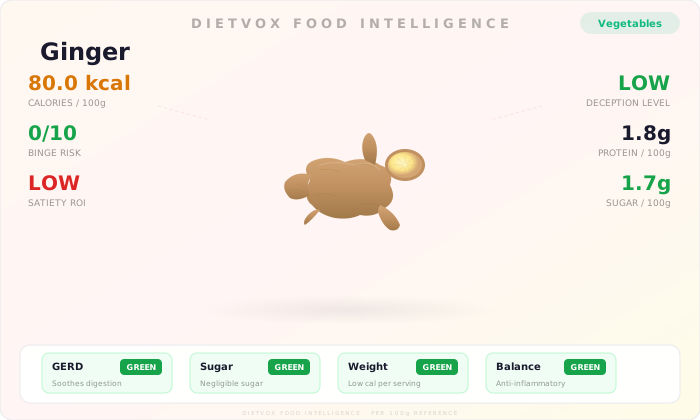
Ginger illustration

Ginger

80 kcal Vegetables
GREEN GERD
GREEN Sugar
GREEN Weight
GREEN Balance

Frequently Asked Questions

Is sweetened or flavored almond milk bad for acid reflux?

Yes, sweetened or flavored almond milk is not recommended for a GERD diet. These versions can contain high amounts of added sugar, which can contribute to inflammation and weight gain—a significant risk factor for GERD. Some flavorings, like chocolate, are known triggers that relax the lower esophageal sphincter (LES). Always choose unsweetened, plain almond milk for the best results.

How does almond milk compare to cow's milk for GERD?

Unsweetened almond milk is generally considered a better choice than cow's milk for GERD. The primary reason is its lower fat content; even 2% cow's milk has more fat than standard almond milk. High-fat foods are a common GERD trigger. Additionally, some people with GERD find that dairy products worsen their symptoms, making almond milk a safe, non-dairy alternative.

Can I drink almond milk before bed if I have GERD?

While almond milk itself is GERD-friendly, it's generally advised to avoid eating or drinking anything for two to three hours before lying down NHS. This allows your stomach to empty and reduces the risk of nighttime reflux. If you do need a small drink, a small glass of almond milk is a much safer choice than most other beverages.

Will the calcium in fortified almond milk help with acid reflux?

The calcium in fortified almond milk is for nutritional benefit (bone health), not for treating acute acid reflux. While calcium carbonate is the active ingredient in many antacids (like Tums), the form and amount in almond milk are not intended for acid neutralization. It will not worsen reflux, but it should not be considered a treatment for symptoms.

Related Reading