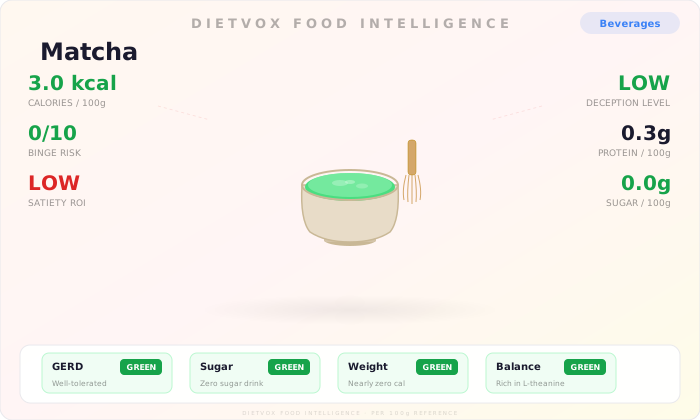
DietVox Rating: GREEN

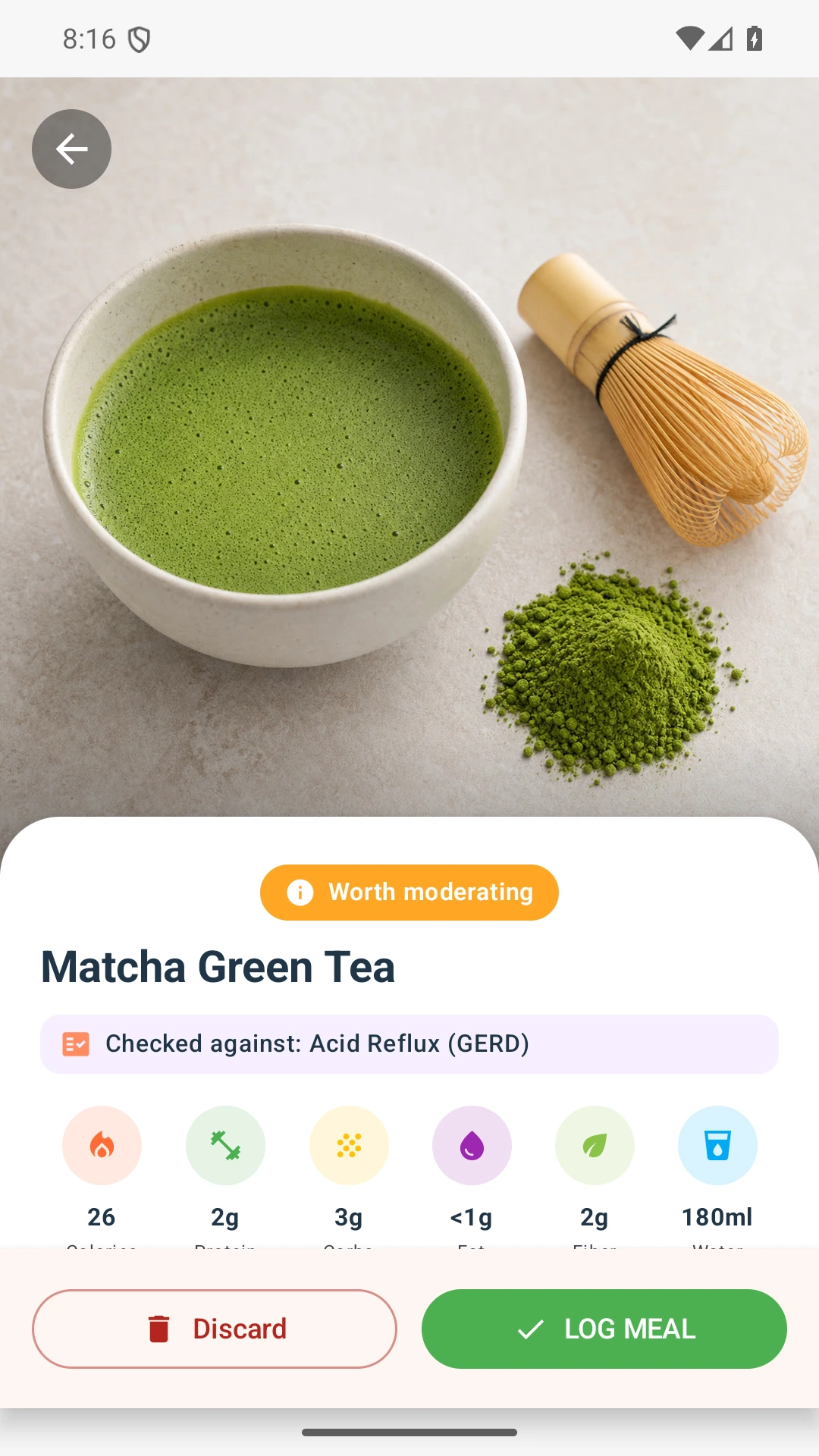
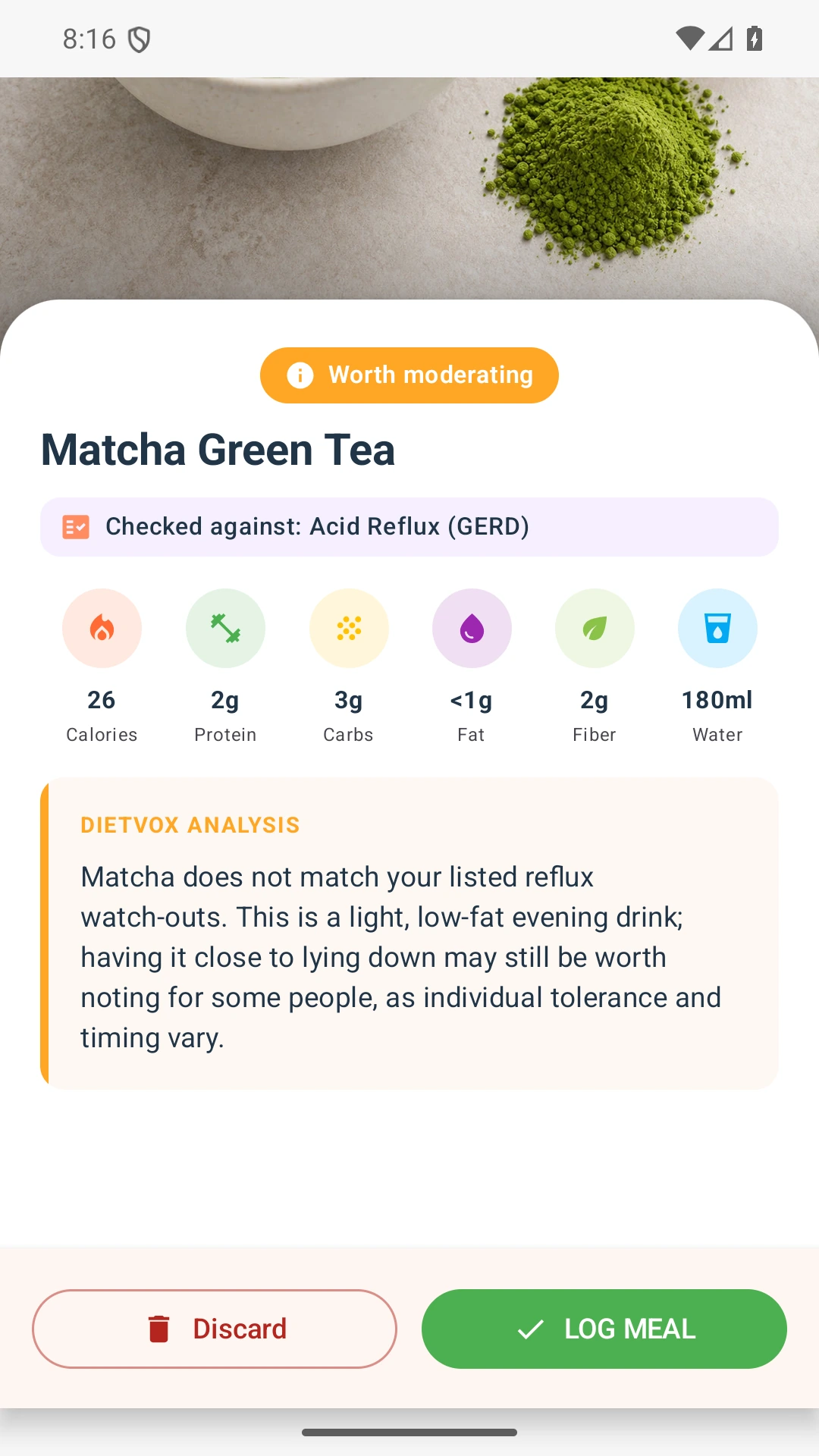
For individuals managing Gastroesophageal Reflux Disease (GERD), the question is matcha good for acid reflux is a common and important one, especially for those seeking a warm beverage alternative to coffee. DietVox rates matcha as GREEN for a GERD diet, indicating it is generally well-tolerated and unlikely to provoke symptoms for most people when consumed in moderation. This rating is based on matcha's unique biochemical profile, which differs significantly from other caffeinated drinks.

However, it's crucial to remember that GERD triggers are highly individual. While matcha is a suitable choice for many, personal tolerance should always be the ultimate guide. This article provides a detailed, source-reviewed breakdown of why matcha earns a GREEN rating and how to incorporate it safely into your GERD management plan.

Understanding Matcha in the Context of a GERD Diet

Matcha is a finely ground powder made from specially grown and processed green tea leaves. Unlike traditional green tea where leaves are steeped and discarded, with matcha, you consume the entire leaf. This results in a higher concentration of certain compounds, including caffeine and antioxidants.

From a macronutrient perspective, prepared matcha (1g powder in 100ml of water) is nutritionally sparse. It contains approximately 3 calories, 0.3g of protein, and 0.4g of carbohydrates per 100ml USDA FoodData Central. Its primary relevance in a GERD diet is not its nutritional content but the physiological effects of its active compounds.

The Caffeine Question: Matcha vs. Coffee for Acid Reflux

Caffeine is a well-documented potential trigger for acid reflux. It can relax the lower esophageal sphincter (LES), the muscular valve that prevents stomach acid from flowing back into the esophagus American College of Gastroenterology acid reflux guidance. This is the primary reason why high-caffeine beverages like coffee are often advised against in a GERD diet.

Here's where matcha stands apart:

  1. Lower Caffeine Content: A typical serving of matcha (one teaspoon, or about 2 grams of powder) contains approximately 35-70mg of caffeine. In contrast, a standard 8-ounce cup of brewed coffee can contain anywhere from 95 to 200mg of caffeine PubMed. This significantly lower dose reduces the likelihood of it triggering LES relaxation.
  1. The L-theanine Synergy: Matcha is uniquely rich in an amino acid called L-theanine. direct source reviews have shown that L-theanine promotes relaxation and can modulate the stimulating effects of caffeine, leading to a state of calm alertness rather than the sharp 'jolt' and potential anxiety associated with coffee PubMed. This synergistic effect may result in a gentler impact on the nervous system and, by extension, the digestive system, making it better tolerated by individuals sensitive to stimulants.

Antioxidants and Potential Anti-inflammatory Benefits

Matcha is renowned for its high concentration of catechins, a type of antioxidant. The most abundant and studied of these is epigallocatechin gallate (EGCG). While not a direct treatment for GERD, chronic inflammation is a factor in many health conditions. source review indicates that green tea catechins possess potent anti-inflammatory properties PubMed. Including sources of anti-inflammatory compounds in your diet can contribute to overall wellness, which is beneficial when managing a chronic condition like GERD.

It is important to note that these antioxidant benefits do not negate the potential for caffeine to trigger symptoms in highly sensitive individuals. The primary consideration for GERD management remains symptom control.

Practical Tips for Including Matcha in Your GERD Diet

To enjoy matcha while minimizing the risk of acid reflux symptoms, preparation and timing are key. Follow these source-reviewed guidelines:

  • Start Small and Simple: Begin with a small serving, such as half a teaspoon of matcha powder in hot (not boiling) water. This allows you to assess your personal tolerance without overwhelming your system.
  • Mind the Add-ins: Many common additions to matcha can trigger GERD. Prepare it with water or a low-fat, non-dairy milk like almond or oat milk. High-fat dairy products and sweeteners like sugar or honey are known reflux triggers for many people NHS.
  • Watch the Time: Consume matcha in the morning or early afternoon. The caffeine, even in smaller amounts, can interfere with sleep if taken too late in the day. Poor sleep can worsen GERD symptoms American College of Gastroenterology acid reflux guidance.
  • Avoid Café-Prepared Lattes: Be cautious with matcha lattes from coffee shops. They are often made with whole milk and large amounts of sugar syrups, creating a high-fat, high-sugar beverage that is very likely to trigger reflux.
  • Listen to Your Body: The most important rule in any GERD diet is to monitor your own symptoms. If you find that matcha, even when prepared carefully, causes discomfort, it is best to avoid it.

The Verdict: A Suitable Coffee Alternative for Many

For individuals with GERD looking for a warm, energizing beverage, matcha presents a promising option. Its moderate caffeine level, combined with the calming effects of L-theanine, makes it a gentler alternative to coffee. When prepared simply without high-fat or high-sugar additions, it is unlikely to cause symptoms for most people.

DietVox's GREEN rating for matcha reflects this high potential for tolerance. By starting with small amounts and paying close attention to preparation, you can likely incorporate this antioxidant-rich beverage into your GERD management plan without issue.


Disclaimer: This article is for informational purposes only and does not constitute medical advice. Always consult a healthcare provider before making changes to your diet, especially if you have a medical condition.

Scan your foods with the DietVox app to get personalized ratings based on your specific dietary needs and health goals.

Last reviewed: June 2026

How It Works

Why Matcha is Rated GREEN

Matcha is rated GREEN for a GERD (Acid Reflux) diet due to its unique combination of properties that make it gentler on the digestive system compared to other caffeinated beverages like coffee.

  1. Moderate Caffeine Content: Caffeine is a known myorelaxant that can weaken the lower esophageal sphincter (LES), allowing stomach acid to reflux. Matcha contains significantly less caffeine per serving (35-70mg) than brewed coffee (95-200mg). This lower dose is less likely to induce LES relaxation and trigger reflux symptoms American College of Gastroenterology acid reflux guidance.
  1. The L-theanine Buffer Effect: Matcha is a rich natural source of the amino acid L-theanine. source review shows L-theanine promotes relaxation and can counteract the harsh, 'jittery' effects of caffeine PubMed. This creates a smoother, more sustained release of energy that is less jarring to the nervous and digestive systems, potentially reducing the risk of triggering stress-related reflux.
  1. Lower Acidity than Coffee: While pH can vary based on preparation, matcha is generally less acidic than coffee. Coffee contains several acids (like chlorogenic and quinic acid) that can both directly irritate an inflamed esophagus and stimulate gastric acid production. Prepared with water, matcha is a more pH-neutral choice, reducing the potential for direct irritation NHS.

In summary, the combination of a lower caffeine load, the moderating influence of L-theanine, and its less acidic nature makes matcha a well-tolerated beverage for most individuals managing GERD, justifying its GREEN rating.

Scan any food. Get an instant RED/AMBER/GREEN rating.

DietVox analyses every food across 4 diet protocols — no guesswork.

Try DietVox Free →

Try These Instead

Safer alternatives that won't trigger your symptoms.

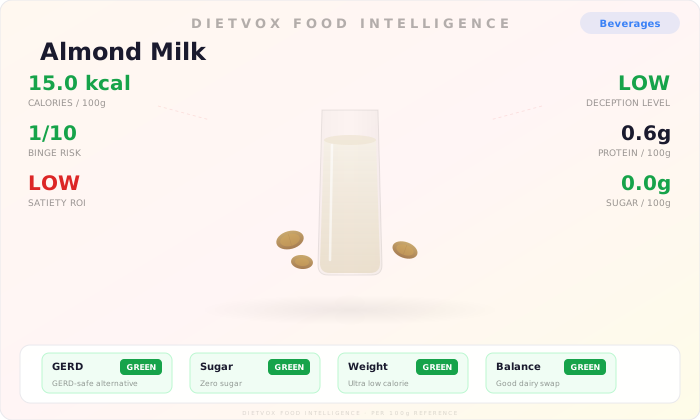
Almond Milk illustration

Almond Milk

15 kcal Beverages
GREEN GERD
GREEN Sugar
GREEN Weight
GREEN Balance
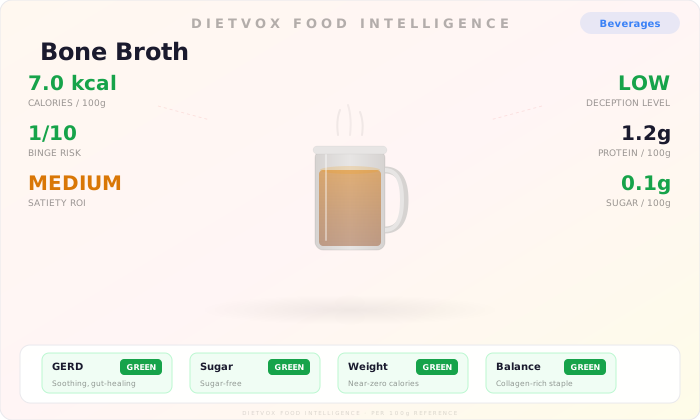
Bone Broth illustration

Bone Broth

7 kcal Beverages
GREEN GERD
GREEN Sugar
GREEN Weight
GREEN Balance
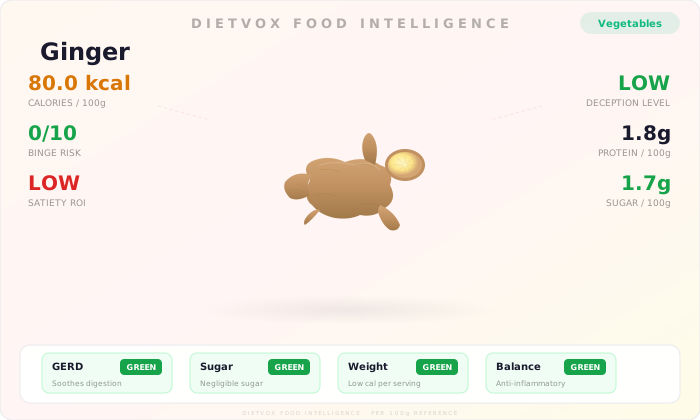
Ginger illustration

Ginger

80 kcal Vegetables
GREEN GERD
GREEN Sugar
GREEN Weight
GREEN Balance
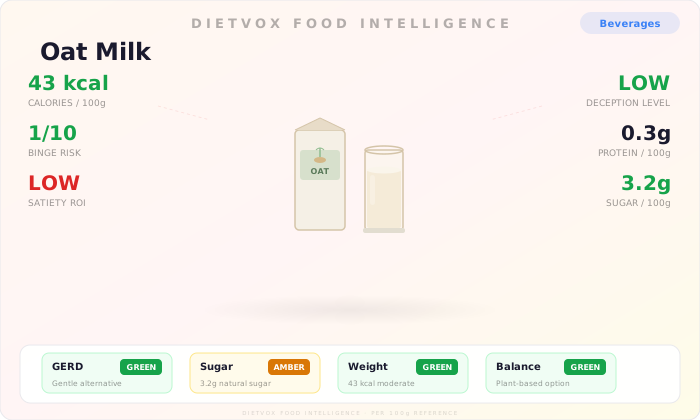
Oat Milk illustration

Oat Milk

43 kcal Beverages
GREEN GERD
GREEN Sugar
GREEN Weight
GREEN Balance

Frequently Asked Questions

Can I eat Matcha on a gerd (acid reflux) diet?

DietVox rates Matcha GREEN for gerd (acid reflux) diet. Matcha contains caffeine but in lower concentrations than coffee, combined with L-theanine which moderates the stimulant effect. It is generally tolerated in moderate amounts.

Is matcha less acidic than coffee?

Yes, matcha is generally considered less acidic than coffee. When prepared with water, matcha has a pH that is closer to neutral. Coffee contains multiple types of acids that can directly irritate the esophagus and stomach lining in sensitive individuals, making matcha a gentler choice for those with GERD NHS.

How much matcha can I drink with GERD?

It is best to start with one serving (about 1 teaspoon of powder in water) per day to assess your personal tolerance. Given its caffeine content, limiting intake to one to two servings daily is a prudent approach for managing a GERD diet. Always listen to your body and avoid it if you notice any increase in symptoms American College of Gastroenterology acid reflux guidance.

What should I mix with matcha if I have acid reflux?

The safest and most GERD-friendly way to prepare matcha is with hot water. If you prefer a creamier texture, opt for a low-fat, unsweetened non-dairy milk such as almond, soy, or oat milk. It is important to avoid high-fat dairy (like whole milk or cream) and added sugars, as both are common triggers for acid reflux symptoms American College of Gastroenterology acid reflux guidance.

Can the L-theanine in matcha directly help GERD symptoms?

There is no direct direct source support that L-theanine treats the root causes of GERD. However, its benefits are indirect. L-theanine is known to promote relaxation and reduce stress PubMed. Since stress and anxiety can exacerbate GERD symptoms for many people, the calming effect of L-theanine may help in managing these secondary triggers, contributing to better overall symptom control.

Related Reading