DietVox Rating: GREEN

For individuals navigating the complexities of a GERD (Acid Reflux) diet, the question of whether flax seeds acid reflux symptoms can be helped is a valid and frequent one. DietVox rates flax seeds as GREEN for a GERD diet, indicating they are generally well-tolerated and may offer specific benefits for managing symptoms. This rating is based on their unique nutritional profile, including high fibre content, anti-inflammatory fats, and non-acidic nature.

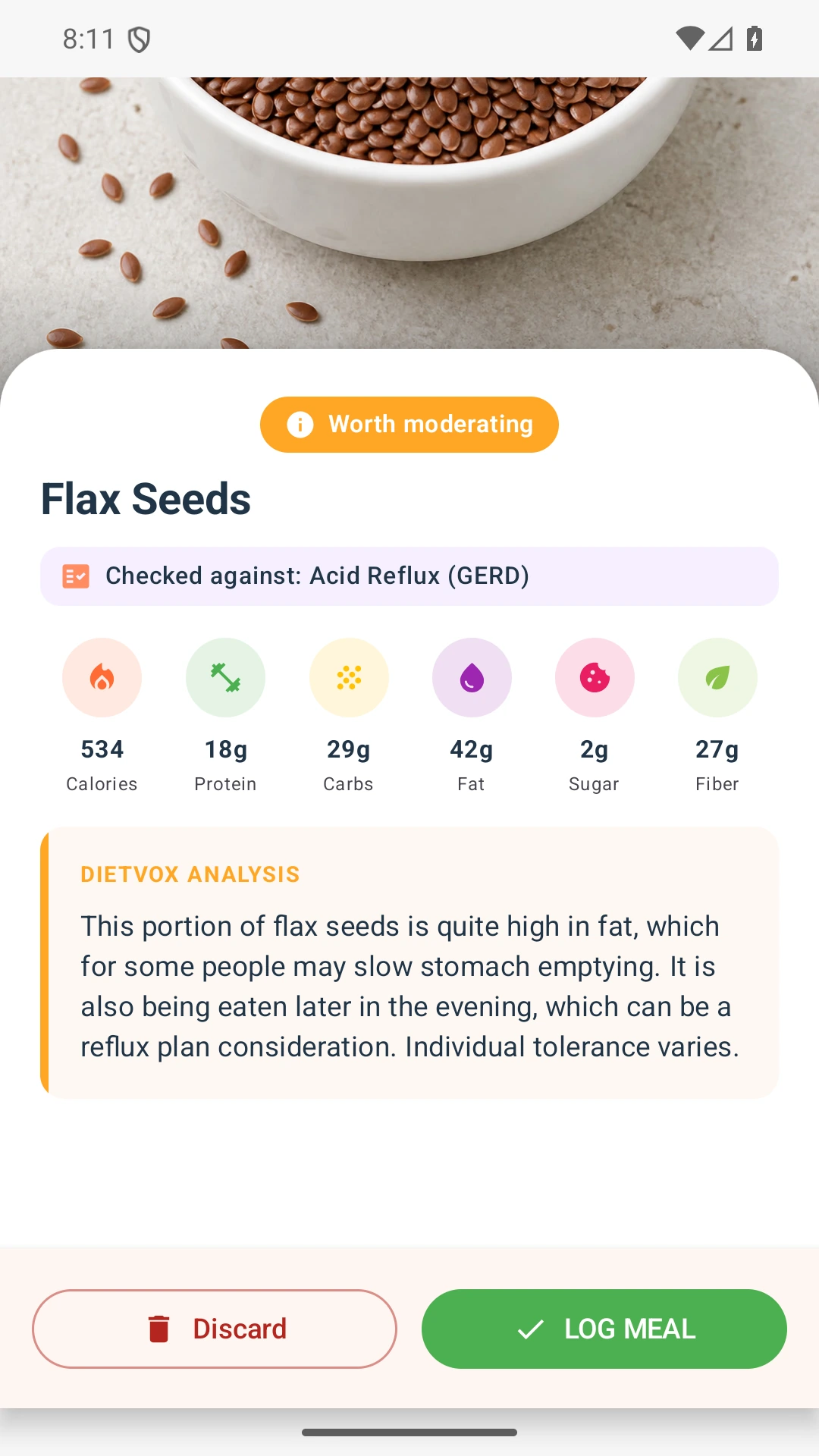
However, it is crucial to understand that flax seeds are also very high in calories and fat. While the fats are predominantly healthy, portion control is paramount to prevent potential issues and to manage overall weight, which is a key factor in GERD management NHS.

Nutritional Deep Dive for GERD

The nutritional composition of flax seeds, as detailed by the USDA FoodData Central (FDC ID 169414), provides key insights into why they are suitable for a GERD-friendly diet.

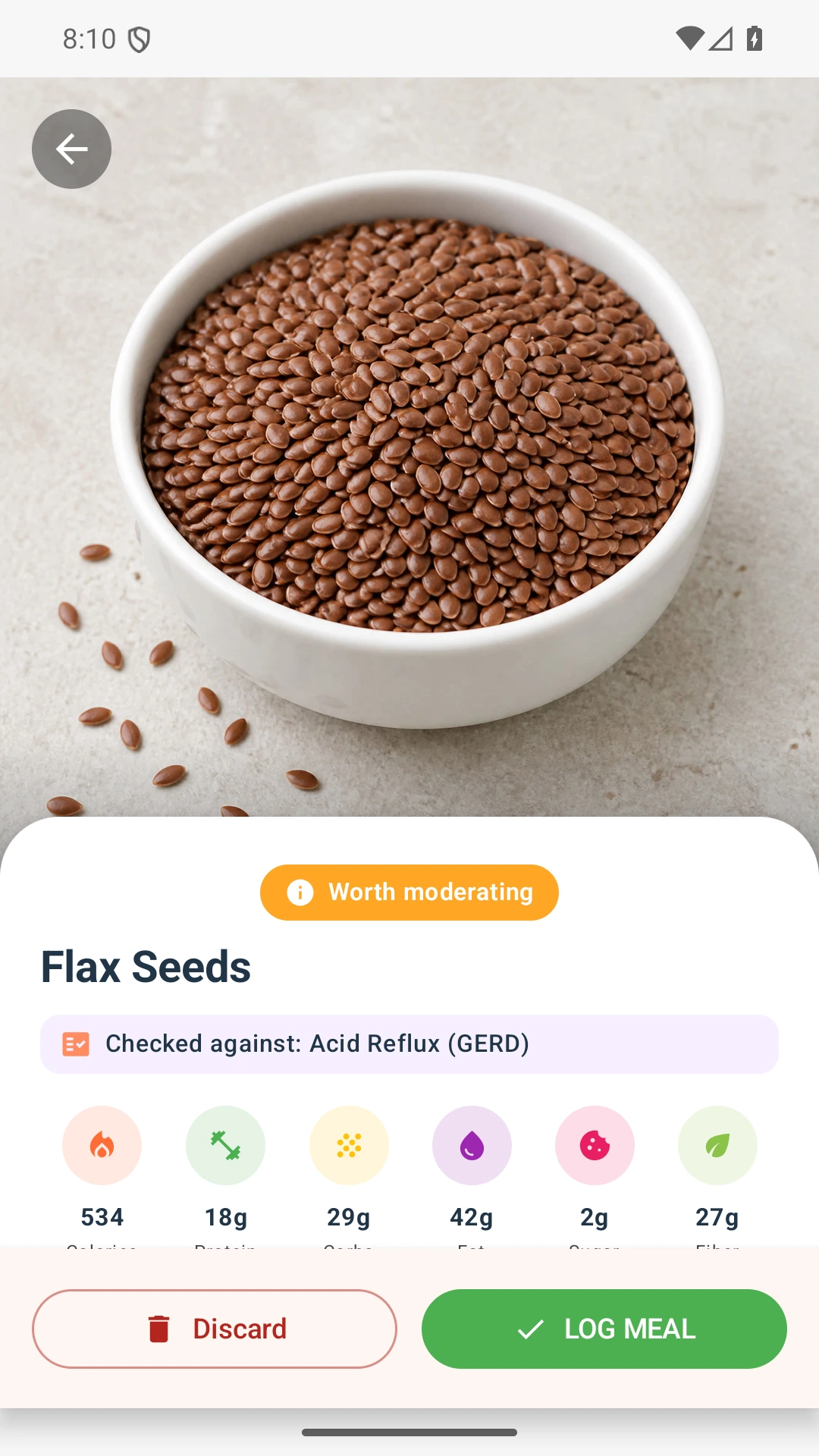
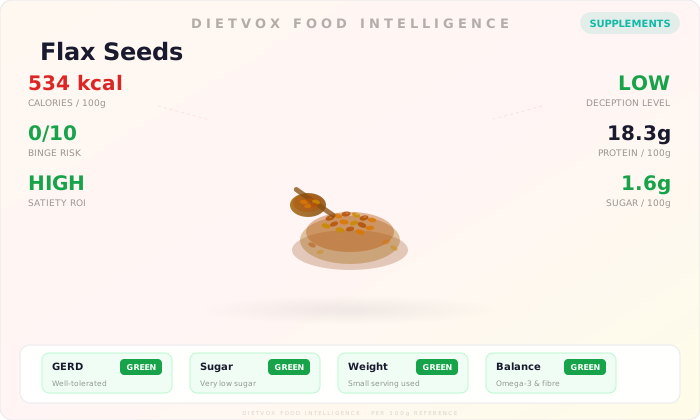
Per 100g of ground flax seeds: - Calories: 534 kcal - Fat: 42.2g - Carbohydrates: 28.9g - Dietary Fibre: 27.3g - Protein: 18.3g - Sugars: 1.6g

Two components are particularly relevant for acid reflux management:

  1. Dietary Fibre: At a remarkable 27.3g per 100g, flax seeds are an exceptional source of both soluble and insoluble fibre. Soluble fibre, in particular, forms a gel-like substance in the digestive tract. This can slow digestion, promoting satiety and potentially reducing the likelihood of overeating—a known trigger for reflux American College of Gastroenterology acid reflux guidance. A high-fibre diet is broadly associated with improved digestive health and may be linked to a reduced risk of GERD symptoms.
  1. Healthy Fats: While high-fat foods are often cited as GERD triggers, the type of fat matters. Flax seeds are one of the richest plant-based sources of alpha-linolenic acid (ALA), a type of omega-3 fatty acid. Unlike the saturated and trans fats found in fried or greasy foods that can relax the lower esophageal sphincter (LES) and promote reflux, omega-3s possess anti-inflammatory properties. Chronic acid exposure can lead to inflammation of the esophagus (esophagitis), and diets rich in anti-inflammatory compounds may help mitigate this process PubMed.

The Science of Flax Seeds and Digestive Health

Beyond basic nutrition, the specific properties of flax seeds contribute to their GREEN rating for GERD.

The Role of Soluble Fibre and Mucilage

The most significant benefit of flax seeds for GERD may come from their high mucilage content. Mucilage is a type of soluble fibre that becomes a viscous, gel-like substance when mixed with water. This gel can have a soothing effect as it passes through the gastrointestinal tract. Theoretically, this coating action could help protect the esophageal lining from stomach acid, providing temporary relief and creating a barrier against irritation. While direct direct trials on flaxseed mucilage for GERD are limited, the properties of demulcents (soothing agents) are well-recognized in managing irritation of mucous membranes.

Low-Acid Profile

A cornerstone of a GERD diet is avoiding acidic foods that can directly irritate an already sensitive esophagus or worsen reflux symptoms. Common triggers include citrus fruits, tomatoes, and vinegar-based dressings American College of Gastroenterology. Flax seeds are a non-acidic, or alkaline-forming, food. Incorporating them into your diet does not add to the acid load, making them a safe choice from an acidity perspective.

Health Forensics: A GERD-Specific Analysis

  • Calorie Density: HIGH At 534 kcal per 100g, flax seeds are energy-dense. This is a critical consideration, as being overweight is a significant risk factor for GERD. Excess abdominal fat can increase pressure on the stomach, forcing acid up into the esophagus NHS. Therefore, portion control is non-negotiable. A typical serving of 1-2 tablespoons (7-14g) is appropriate.
  • Satiety ROI: HIGH The combination of high fibre (27.3g) and protein (18.3g) makes flax seeds incredibly satiating. This high Satiety Return on Investment (ROI) means a small amount can help you feel full and satisfied for longer. This is highly beneficial for a GERD diet, as it helps prevent overeating and large meals that can trigger reflux.
  • Tracking Difficulty: LOW Flax seeds are easy to measure and track, whether whole or ground. A tablespoon or a gram scale provides consistent and accurate portioning, making it simple to incorporate into a structured dietary plan without guesswork.

Practical Tips for a GERD (Acid Reflux) Diet

To maximize the benefits of flax seeds while minimizing risks, follow these practical guidelines:

  1. Choose Ground over Whole: The human body cannot effectively break down whole flax seeds. To unlock their nutritional benefits, including the omega-3s and mucilage, always use ground flax seeds (flaxseed meal) or grind them yourself in a coffee grinder.
  1. Activate the Mucilage: For the potential soothing effect, mix one tablespoon of ground flax seeds into a glass of warm water (about 8 oz or 240 ml). Let it sit for 20-30 minutes to form a gel before consuming.
  1. Start Small and Hydrate: Due to the high fibre content, introducing flax seeds too quickly can cause gas or bloating. Start with one teaspoon per day and gradually increase to 1-2 tablespoons. Crucially, increase your water intake throughout the day to help the fibre work effectively and prevent constipation MedlinePlus fiber overview.
  1. Incorporate into Safe Foods: Easily add ground flax seeds to GERD-friendly meals such as oatmeal, non-fat yogurt, smoothies (made with low-acid fruits like banana or melon), or sprinkled over salads with a non-acidic dressing.

Disclaimer: This article is for informational purposes only and does not constitute medical advice. Always consult a healthcare provider before making changes to your diet, especially if you have a medical condition.

Scan your foods with the DietVox app to get personalized ratings based on your specific dietary needs and health goals.

Last reviewed: June 2026

How It Works

Why Flax Seeds are Rated GREEN

Flax seeds earn a GREEN rating for a GERD (Acid Reflux) diet due to a combination of three key source-reviewed mechanisms:

  1. High Soluble Fibre and Mucilage: When mixed with liquid, ground flax seeds form a thick, gel-like substance known as mucilage. This gel may provide a temporary, soothing coating for the lining of the oesophagus and stomach, potentially shielding it from the irritating effects of stomach acid. This high fibre content also aids digestion and promotes satiety, helping to prevent overeating, a common reflux trigger MedlinePlus fiber overview.
  1. Rich in Anti-Inflammatory Omega-3s: Flax seeds are a premier plant source of alpha-linolenic acid (ALA), an omega-3 fatty acid. source review widely supports the anti-inflammatory properties of omega-3s. For GERD sufferers, this is significant as chronic acid exposure can cause inflammation of the oesophagus (oesophagitis). A diet rich in anti-inflammatory compounds may help to manage this inflammatory response PubMed.
  1. Non-Acidic Food Profile: A primary strategy in managing GERD is to avoid foods that are high in acid, such as citrus, tomatoes, and coffee. Flax seeds are a non-acidic food, meaning they do not contribute to the overall acidic load of a meal and are unlikely to directly trigger acid-related symptoms or irritate a sensitive oesophagus American College of Gastroenterology.

Scan any food. Get an instant RED/AMBER/GREEN rating.

DietVox analyses every food across 4 diet protocols — no guesswork.

Try DietVox Free →

Try These Instead

Safer alternatives that won't trigger your symptoms.

Chia Seeds illustration

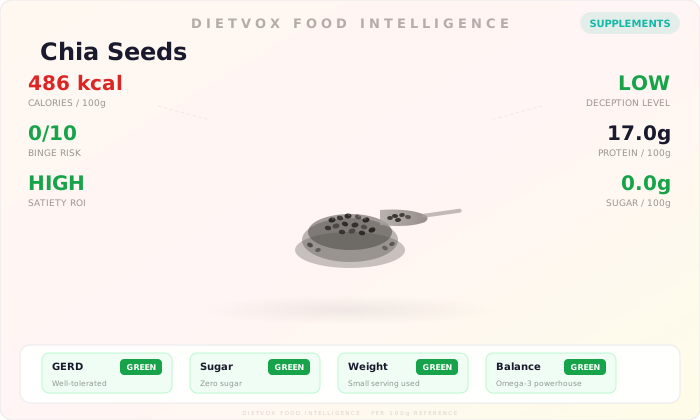
Chia Seeds

486 kcal Supplements
GREEN GERD
GREEN Sugar
GREEN Weight
GREEN Balance
Oatmeal illustration

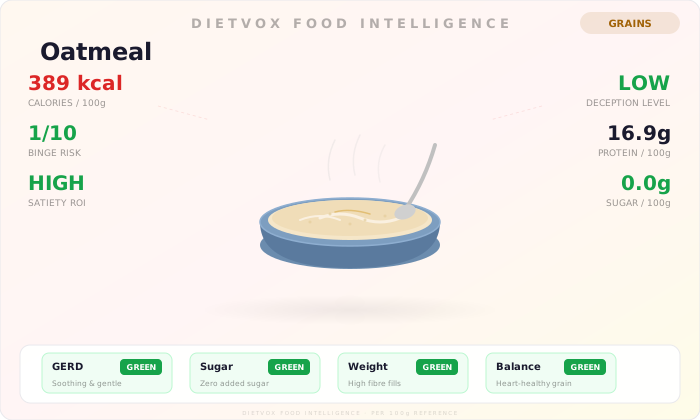
Oatmeal

389 kcal Grains
GREEN GERD
GREEN Sugar
GREEN Weight
GREEN Balance
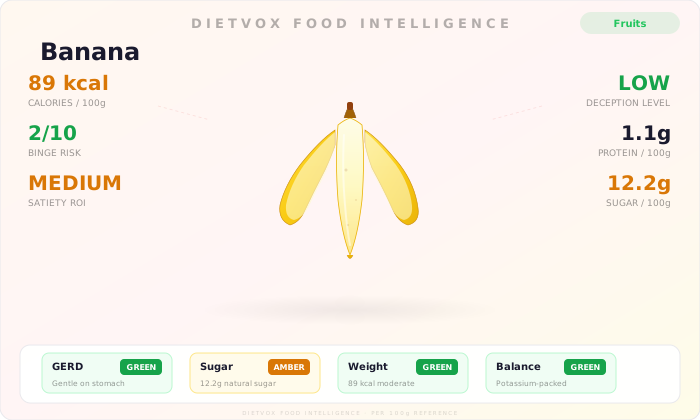
Banana illustration

Banana

89 kcal Fruits
GREEN GERD
AMBER Sugar
AMBER Weight
GREEN Balance
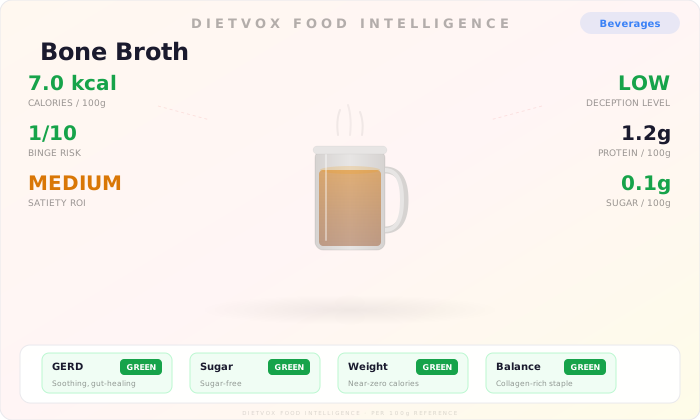
Bone Broth illustration

Bone Broth

7 kcal Beverages
GREEN GERD
GREEN Sugar
GREEN Weight
GREEN Balance

Frequently Asked Questions

Can I eat Flax Seeds on a gerd (acid reflux) diet?

Yes, DietVox rates Flax Seeds GREEN for a GERD (Acid Reflux) diet. Their high fibre content, anti-inflammatory omega-3 fatty acids, and non-acidic nature make them a suitable choice. When soaked, their mucilaginous coating may also help soothe the digestive tract. Portion control is important due to their high calorie density.

How should I prepare flax seeds to help with acid reflux?

For GERD, it is best to use ground flax seeds, not whole. To leverage their soothing properties, mix 1 tablespoon of ground flax seeds with a glass of water and let it sit for at least 20 minutes to form a gel. This can be consumed directly or added to GERD-friendly foods like oatmeal or smoothies.

Can flaxseed oil also help with GERD symptoms?

Flaxseed oil contains the beneficial anti-inflammatory omega-3 fatty acids (ALA) but lacks the fibre and mucilage found in ground flax seeds. While the oil may help with inflammation, it will not provide the soothing, gel-like coating for the esophagus. It is also a very concentrated source of fat, which should be used in moderation in a GERD diet.

Are there any side effects of eating flax seeds for acid reflux?

When introducing flax seeds, some people may experience gas or bloating due to the sudden increase in fibre. To avoid this, start with a small amount (e.g., one teaspoon) and increase gradually. It is also essential to drink plenty of water throughout the day, as consuming high amounts of fibre without adequate fluid can lead to constipation NHS.

Is it better to eat flax seeds raw or cooked for GERD?

Both raw (soaked) and cooked (e.g., in oatmeal or baked goods) ground flax seeds are beneficial. Consuming them raw after soaking in water is the best way to maximize the formation of the soothing mucilage gel. However, adding them to cooked foods like oatmeal is also an excellent and well-tolerated method for incorporating them into a GERD diet.

Related Reading