DietVox Rating: GREEN

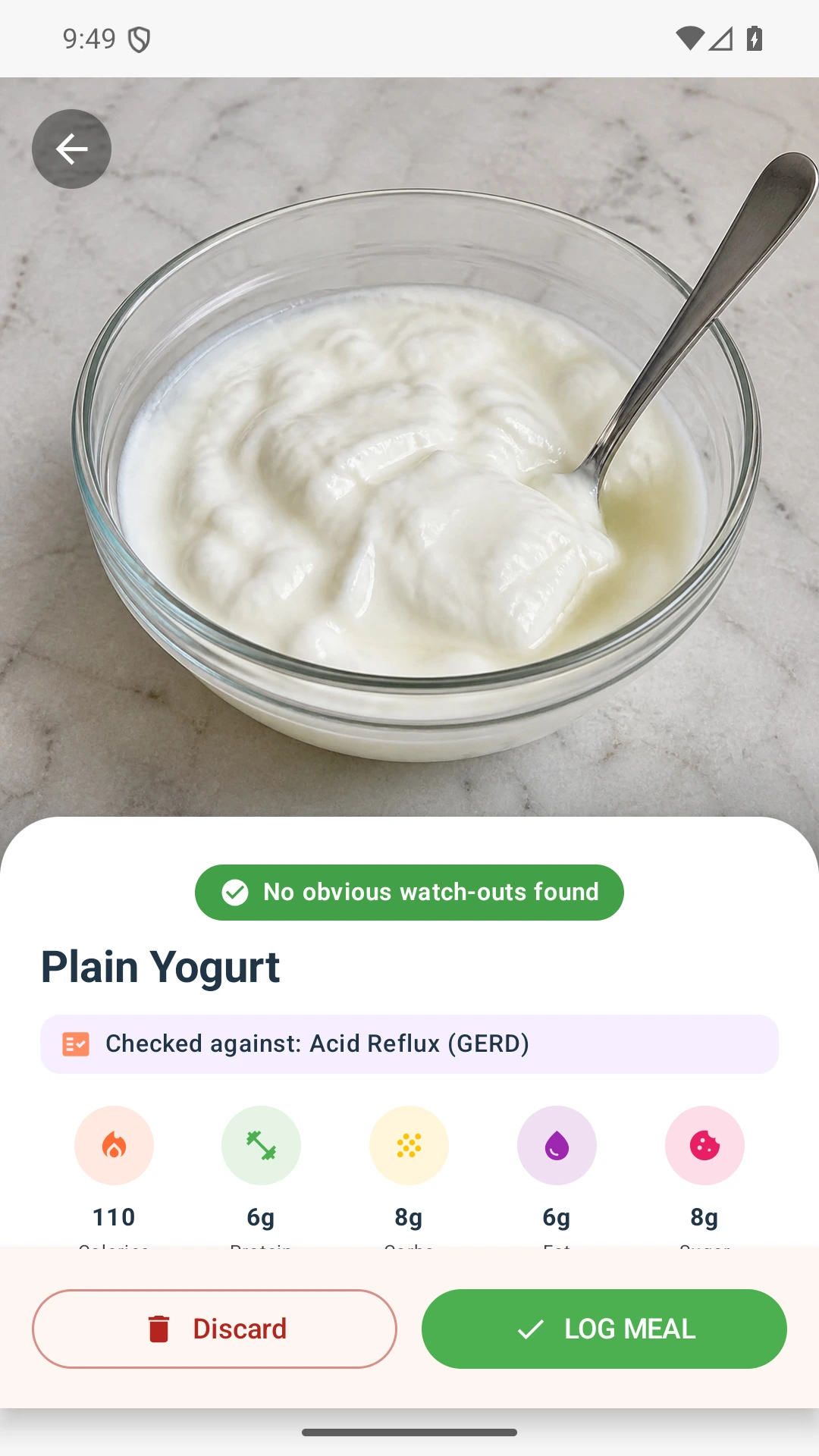
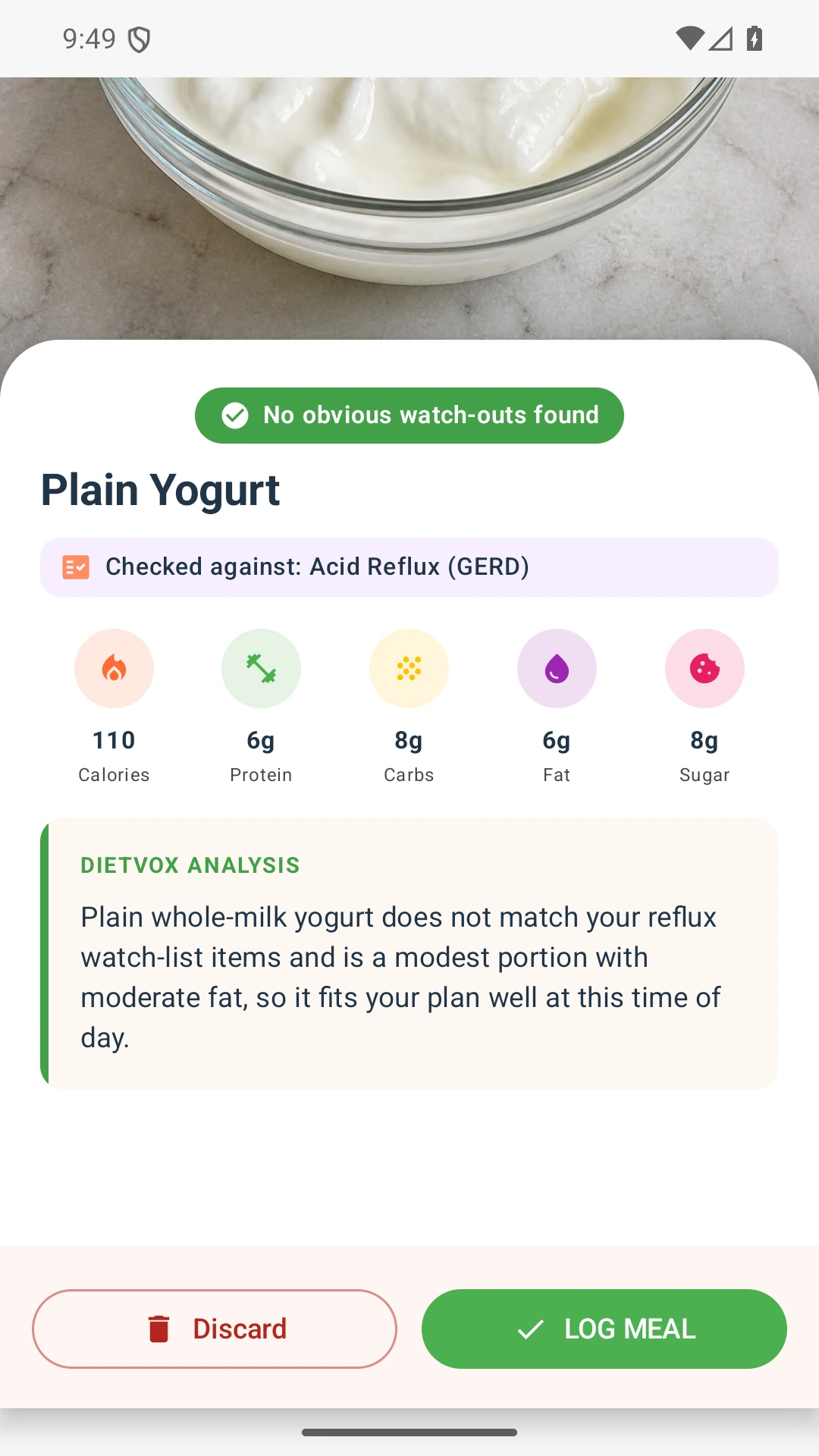
For individuals following a Low Sugar Diet, plain yogurt receives a GREEN rating from DietVox. This rating signifies that it is an excellent choice, fully compatible with the principles of a diet focused on minimising free sugar intake for better metabolic health. The key distinction, however, lies in the type of yogurt chosen. Plain, unsweetened yogurt is a nutritional ally, but its flavoured counterparts can undermine your dietary goals. This analysis will explore the nutrition profile behind our rating, address the common question, is yogurt low carb, and provide practical guidance for incorporating it into your low sugar lifestyle.

Understanding Sugar in Yogurt: Natural vs. Added

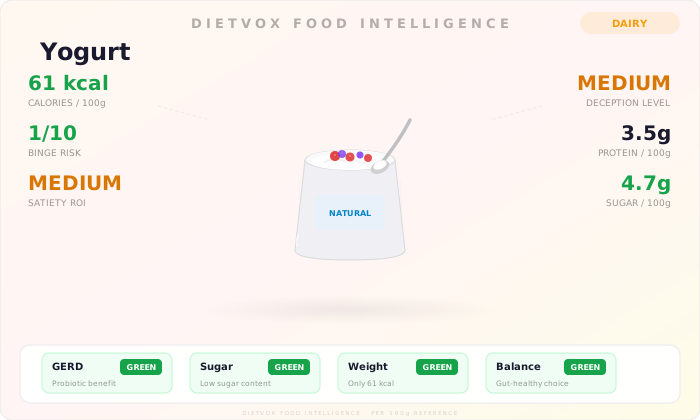
The primary reason plain yogurt is suitable for a low sugar protocol is the nature of its sugar content. The 4.7g of sugar per 100g found in plain, whole milk yogurt is almost entirely lactose, the natural sugar inherent in milk USDA FoodData Central (FDC ID 171284).

Global health authorities like the World Health Organization (WHO) make a crucial distinction between different types of sugars. Their guidelines focus on reducing the intake of "free sugars," which are defined as monosaccharides (like glucose, fructose) and disaccharides (like sucrose or table sugar) added to foods and drinks by the manufacturer, cook or consumer, and sugars naturally present in honey, syrups, fruit juices and fruit juice concentrates WHO. Critically, the WHO explicitly excludes the intrinsic sugars found in whole fresh fruits and vegetables and the lactose in milk and dairy products from this definition. Therefore, the lactose in plain yogurt does not count towards the free sugar limit recommended for a healthy diet.

This contrasts sharply with flavoured, fruited, or 'light' yogurts. These products often contain significant amounts of added sugars, such as sucrose, high-fructose corn syrup, or fruit concentrates, to enhance taste. A typical serving of flavoured yogurt can contain 12-18g of sugar, much of which is 'free sugar' that can negatively impact blood glucose levels and contribute to unwanted calorie intake.

Nutritional Profile for a Low Sugar Diet

A 100g serving of plain, whole milk yogurt provides a balanced macronutrient profile that supports a low sugar lifestyle:

  • Carbohydrates: 4.7g
  • Sugars: 4.7g (as lactose)
  • Protein: 3.5g
  • Fat: 3.3g (2.1g saturated)
  • Calories: 61 kcal

Source: USDA FoodData Central (FDC ID 171284)

The 4.7g of carbohydrates come entirely from lactose, making it a low-carbohydrate food. The presence of protein and fat alongside these carbohydrates is metabolically advantageous. Fat and protein slow down gastric emptying, leading to a more gradual absorption of sugar into the bloodstream. This results in a lower glycemic response compared to consuming carbohydrates alone, which is a key goal of a low sugar diet International glycemic index tables review.

While yogurt's Satiety ROI is rated as low due to its modest protein and zero fibre content, choosing higher-protein versions like Greek yogurt or adding nuts and seeds can significantly enhance its ability to keep you full.

Why This Matters: Yogurt and Metabolic Health

Beyond its favourable sugar profile, regular consumption of unsweetened yogurt has been associated with positive metabolic outcomes in source review. The live active cultures (probiotics) in yogurt, such as Lactobacillus and Bifidobacterium, contribute to a healthy gut microbiome. A diverse and balanced gut microbiome is increasingly linked to improved insulin sensitivity and overall metabolic regulation PubMed.

Furthermore, large-scale observational source reviews and meta-analyses have suggested a link between yogurt consumption and a reduced risk of developing type 2 diabetes. A comprehensive review listed in PubMed, which analysed multiple cohort source reviews, found that higher intake of yogurt was associated with a significantly lower risk of type 2 diabetes PubMed. Researchers hypothesise that this protective effect may be due to a combination of factors, including probiotics, the specific nutrient profile of yogurt (like calcium and magnesium), and the beneficial effects of fermentation products.

Practical Tips for a Low Sugar Diet

To ensure yogurt remains a GREEN-rated food in your diet, follow these guidelines:

  1. Always Choose Plain and Unsweetened: This is the most critical rule. Avoid any yogurt with fruit, flavourings, or sweeteners listed in the ingredients. The front of the package can be misleading; always check the nutrition label and ingredients list.
  2. Opt for Full-Fat: Don't be afraid of the fat content. Full-fat (whole milk) yogurt is often more satiating than its low-fat or fat-free counterparts. Low-fat versions frequently contain added sugars or starches to compensate for the loss of texture and flavour from fat removal FDA added sugars label guidance.
  3. Read the Ingredients List: Look for a simple list, ideally just "Milk" and "Live Active Cultures." If you see sugar, sucrose, cane juice, fruit puree, or corn syrup high on the list, put it back.
  4. Add Your Own Toppings: Enhance plain yogurt yourself. For flavour and nutrients without added sugar, mix in a small handful of low-glycemic berries (like raspberries or blueberries), a sprinkle of cinnamon, a dash of vanilla extract, or a spoonful of chopped nuts or seeds for extra protein, fibre, and healthy fats.
  5. Manage Portions: While low in sugar, yogurt still contains calories. Use the Health Forensics 'Tracking Difficulty: MEDIUM' as a guide. It's easy to overestimate a portion size. Using a measuring cup for a 150-200g serving helps maintain accurate tracking.

Common Misconceptions

  • "All Yogurt is a Health Food": This is the most prevalent misconception. The health benefits of yogurt are largely negated when it's loaded with added sugars. The vast majority of yogurts in a typical supermarket aisle are highly sweetened and are better classified as desserts.
  • "'Fruit on the Bottom' is Healthy": These varieties almost always contain fruit preserved in a sugary syrup or jam, contributing a significant amount of free sugar. It is always better to add your own fresh or frozen fruit.
  • "Yogurt is High in Carbs": As discussed, plain yogurt is a low-carbohydrate food. A standard serving contains fewer carbs than a small apple. This makes it a suitable option for many carb-conscious eating plans, not just low sugar diets.

Disclaimer: This article is for informational purposes only and does not constitute medical advice. Always consult a healthcare provider before making changes to your diet, especially if you have a medical condition.

Scan your foods with the DietVox app to get personalized ratings based on your specific dietary needs and health goals.

Last reviewed: June 2026

How It Works

Why Yogurt is Rated GREEN for a Low Sugar Diet

Yogurt's GREEN rating is based on the specific type of sugar it contains and how that sugar is classified by leading health organizations. The key mechanism is the distinction between natural, intrinsic sugars and added, free sugars.

  1. Natural Lactose vs. Free Sugar: Plain yogurt's carbohydrate content (4.7g per 100g) is composed almost entirely of lactose, the naturally occurring sugar in milk. According to the World Health Organization (WHO) and the UK's Scientific Advisory Committee on Nutrition (SACN), lactose within dairy products is not classified as a "free sugar." WHO Low sugar diets focus on limiting these free sugars, which are linked to adverse health outcomes.
  1. Low Glycemic Impact: The combination of protein and fat in plain yogurt slows the digestion and absorption of its natural lactose. This leads to a more stable and blunted blood sugar response, preventing the sharp spikes that are counterproductive to a low sugar protocol.
  1. Nutrient Density: Beyond its sugar profile, plain yogurt provides valuable nutrients like high-quality protein and calcium, supporting overall health without contributing to the empty calories associated with high-sugar foods.

This rating is conditional. It applies only to plain, unsweetened yogurt. Flavoured or sweetened varieties, which contain significant amounts of added free sugars, would receive a RED rating under this protocol.

Scan any food. Get an instant RED/AMBER/GREEN rating.

DietVox analyses every food across 4 diet protocols — no guesswork.

Try DietVox Free →

Try These Instead

Safer alternatives that won't trigger your symptoms.

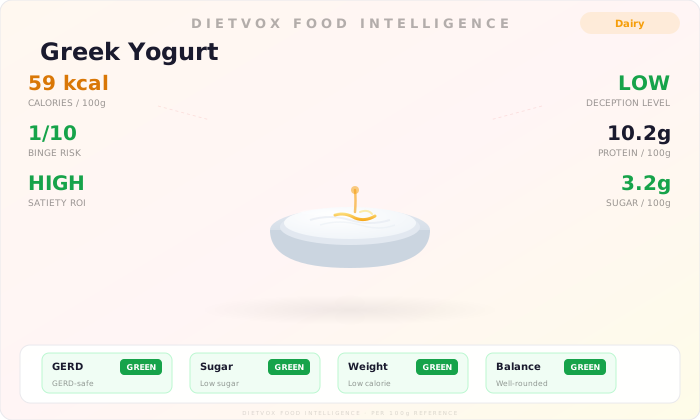
Greek Yogurt illustration

Greek Yogurt

59 kcal Dairy
GREEN GERD
GREEN Sugar
GREEN Weight
GREEN Balance
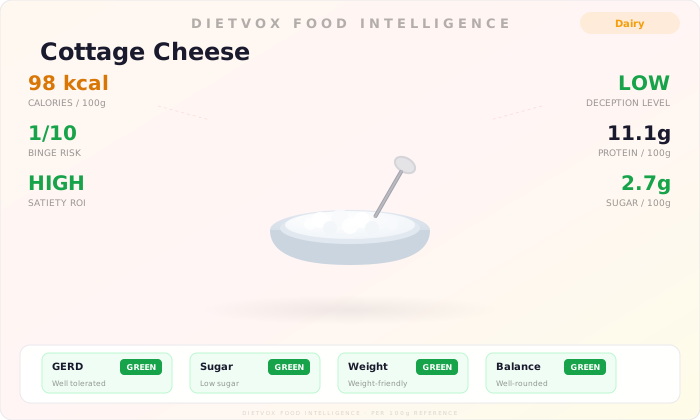
Cottage Cheese illustration

Cottage Cheese

98 kcal Dairy
GREEN GERD
GREEN Sugar
GREEN Weight
GREEN Balance
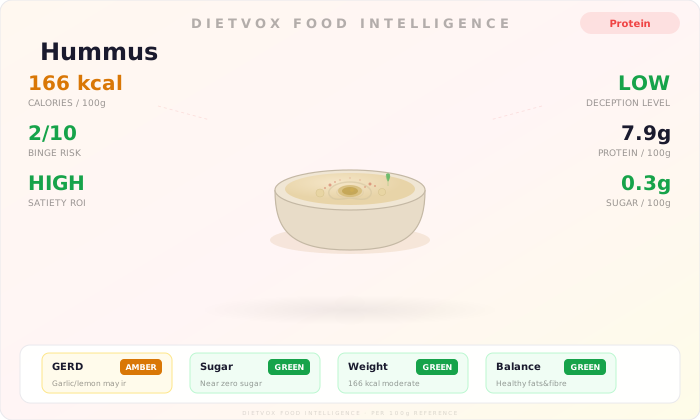
Hummus illustration

Hummus

166 kcal Protein
AMBER GERD
GREEN Sugar
GREEN Weight
AMBER Balance
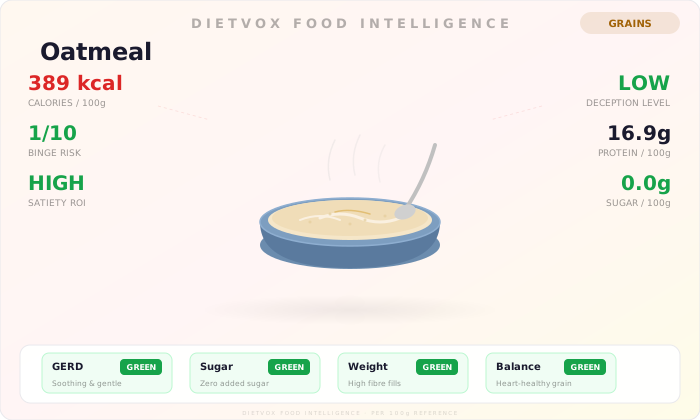
Oatmeal illustration

Oatmeal

389 kcal Grains
GREEN GERD
GREEN Sugar
GREEN Weight
GREEN Balance

Frequently Asked Questions

Is Greek yogurt better for a low sugar diet?

Yes, plain Greek yogurt is often an even better choice. The straining process to make it removes some of the liquid whey, which also removes some of the lactose (natural sugar). This results in a product that is typically lower in sugar and carbohydrates but significantly higher in protein than regular yogurt, making it more satiating. As always, you must choose the plain, unsweetened version.

How can I spot added sugar on a yogurt label?

You must check the ingredients list. The 'Sugars' line on the Nutrition Facts panel combines natural and added sugars. Look for words in the ingredients like: sugar, sucrose, high-fructose corn syrup, fructose, dextrose, fruit puree, fruit juice concentrate, cane sugar, or agave nectar. If these are listed, the yogurt contains added sugars.

Does the fat content of yogurt matter for a low sugar diet?

Yes, it can. Full-fat (whole milk) yogurt is often preferable on a low sugar diet. The fat contributes to satiety, helping you feel fuller for longer. Furthermore, low-fat and fat-free yogurts frequently have sugars or food starches added to improve their taste and texture, which can negate their benefits for a low sugar protocol FDA added sugars label guidance.

Are 'no sugar added' yogurts a good choice?

They can be a better choice than traditionally sweetened yogurts, but it's important to read the label carefully. 'No sugar added' means the manufacturer hasn't added sucrose or syrups, but the product may contain artificial sweeteners like sucralose or aspartame, or sugar alcohols like erythritol. While these don't impact blood sugar, some people prefer to avoid them. Plain, unsweetened yogurt remains the most straightforward and natural option.

Related Reading