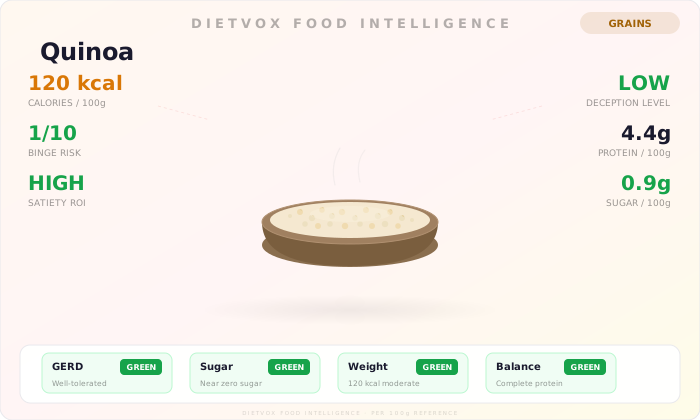
DietVox Rating: GREEN
Quinoa is rated GREEN for a low sugar diet. This means it is an excellent and highly recommended choice. Its nutritional profile aligns perfectly with the goals of reducing sugar intake and maintaining stable blood glucose levels. Many people ask, is quinoa low carb? While not strictly a low-carbohydrate food like leafy greens, its carbohydrate quality, extremely low sugar content, and high fibre make it a superior grain-like seed for anyone following a low sugar protocol.
Nutritional Analysis: Quinoa on a Low Sugar Diet
A detailed look at the nutritional composition of quinoa reveals why it earns a top rating. The data, primarily sourced from the USDA FoodData Central (FDC ID 168878), shows a food well-suited for blood sugar management.
Per 100g of cooked quinoa: - Calories: 120 kcal - Total Carbohydrates: 21.3g - Sugars: 0.9g - Dietary Fibre: 2.8g - Protein: 4.4g - Fat: 1.9g
Decoding the Carbohydrates: Sugar, Fibre, and Total Carbs The most critical number for a low sugar diet is, of course, the sugar content. At just 0.9g per 100g serving, quinoa is exceptionally low in sugar. This is a key reason for its GREEN rating. The total carbohydrate count of 21.3g is balanced by 2.8g of dietary fibre. Dietary fibre is a type of carbohydrate that the body can't digest. As the NHS explains, fibre helps to slow the absorption of sugar into the bloodstream, preventing sharp spikes in blood glucose after a meal.
The Role of Protein and Fat Quinoa provides 4.4g of protein per 100g. Significantly, it is a 'complete protein', meaning it contains all nine essential amino acids that the body cannot produce on its own. Protein contributes to satiety, helping you feel fuller for longer, which can prevent overeating and snacking on sugary foods. source review listed by MedlinePlus dietary protein overview indicates that protein also has a minimal impact on blood sugar levels and can help moderate the glycaemic response of a meal.
Quinoa's Impact on Blood Sugar: Glycaemic Index and Load To fully understand a food's effect on blood sugar, we look beyond simple sugar content to its Glycaemic Index (GI) and Glycaemic Load (GL).
Understanding Glycaemic Index (GI) The Glycaemic Index is a scale from 0 to 100 that ranks carbohydrate-containing foods by how much they raise blood glucose levels. Foods with a high GI are rapidly digested and cause significant blood sugar fluctuations, while low-GI foods are digested more slowly, leading to a gradual rise. According to International glycemic index tables review, quinoa has a GI of approximately 53. This places it in the low-to-medium category, making it a much better choice than high-GI grains like white rice (GI around 73).
Why a Lower GI Matters for a Low Sugar Diet Choosing low-GI foods is a cornerstone of a sustainable low sugar diet. A diet rich in low-GI foods can help manage blood sugar levels, which is crucial for overall metabolic health. The World Health Organization (WHO) advises limiting the intake of free sugars and choosing whole grains, which typically have a lower GI than refined grains, to support a healthy dietary pattern.
Health Benefits Beyond Low Sugar Content Quinoa's suitability for a low sugar diet is enhanced by its broader health benefits.
A Source of Complete Plant-Based Protein As a complete protein, quinoa is an outstanding food, especially for those on plant-based diets. This robust amino acid profile supports muscle repair, immune function, and overall bodily maintenance without the need to combine it with other protein sources in the same meal.
Rich in Essential Micronutrients Quinoa is a good source of several vitamins and minerals that play a role in metabolic health. It is particularly rich in magnesium. According to the MedlinePlus minerals overview, magnesium is a critical cofactor for over 300 enzyme systems, including those involved in glucose control and insulin metabolism. Adequate magnesium intake is associated with a lower risk of type 2 diabetes.
Practical Guide: Integrating Quinoa into Your Low Sugar Meals Even with a GREEN-rated food, mindful consumption is key to success on a low sugar diet.
Portion Control and Tracking Quinoa has a low calorie density (1.2 kcal/g), which allows for satisfying portions. A typical serving size is about 1/2 to 1 cup cooked (approximately 90-180g). Its consistent nutritional profile makes it easy to track in a food log. Remember that the nutritional values cited are for cooked quinoa; dry quinoa is much more calorie-dense (approx. 368 kcal/100g) as it expands significantly during cooking.
Preparation and Meal Ideas - Rinse Before Cooking: Always rinse dry quinoa under cold water to remove its natural coating, called saponins, which can have a bitter taste. - Savory Salads: Use cooled quinoa as a base for a nutrient-dense salad. Add chopped non-starchy vegetables, lean protein like chicken or chickpeas, and a sugar-free vinaigrette. - Smart Side Dish: Replace white rice or pasta with quinoa as a side for grilled fish, chicken, or tofu. - Breakfast Bowls: For a savoury breakfast, top warm quinoa with a poached egg and avocado. For a sweet-tasting but low-sugar option, mix with a few berries, nuts, and a sprinkle of cinnamon.
What to Avoid: Hidden Sugars Be cautious of pre-packaged quinoa products. Many ready-to-eat quinoa salads, bowls, or bars contain added sugars in their dressings, sauces, or binders. Always read the nutrition label to ensure the product aligns with your low sugar goals.
Quinoa vs. Other Grains for a Low Sugar Diet
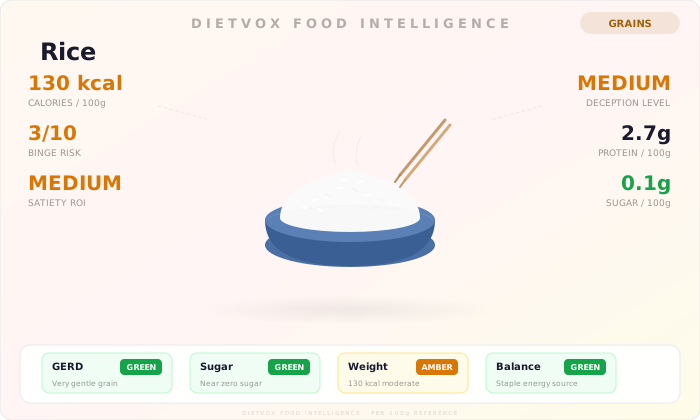
| Grain (100g cooked) | Sugars (g) | Fibre (g) | Protein (g) | Glycaemic Index (approx.) | |---------------------|------------|-----------|-------------|-----------------------------| | Quinoa | 0.9g | 2.8g | 4.4g | 53 | | White Rice | 0.1g | 0.4g | 2.7g | 73 | | Brown Rice | 0.3g | 1.8g | 2.6g | 68 | | Couscous | 0.1g | 1.4g | 3.8g | 65 |
Source: USDA FoodData Central, International glycemic index tables review
As the table shows, while other grains may have slightly less sugar, quinoa's combination of high protein, high fibre, and a lower GI makes it a superior overall choice for a low sugar diet. It provides a more balanced and sustained energy release.
The Verdict on Quinoa for a Low Sugar Diet
Quinoa is an exceptional food for a low sugar lifestyle. Its extremely low sugar content, combined with high levels of protein and fibre, helps to ensure a minimal and gradual impact on blood glucose. Its favourable glycaemic index and rich micronutrient profile further solidify its status as a GREEN-rated food on DietVox. When consumed in appropriate portions and prepared without added sugars, quinoa is a versatile, satisfying, and metabolically friendly addition to your diet.
Disclaimer: This article is for informational purposes only and does not constitute medical advice. Always consult a healthcare provider before making changes to your diet, especially if you have a medical condition.
Scan your foods with the DietVox app to get personalized ratings based on your specific dietary needs and health goals.
Last reviewed: June 2026
How It Works
Why Quinoa is Rated GREEN
DietVox's GREEN rating for quinoa on a low sugar diet is based on four key clinical factors:
- Extremely Low Sugar Content: Cooked quinoa contains less than 1 gram of sugar per 100g serving. This is a primary requirement for a top-rated food in this protocol. Source: USDA FoodData Central (FDC ID 168878).
- Blood Sugar Buffering Nutrients: The combination of 4.4g of protein and 2.8g of dietary fibre per 100g helps to slow down the digestion and absorption of carbohydrates. This blunts the post-meal blood sugar response, promoting glycaemic stability. Source: NHS.
- Favourable Glycaemic Index (GI): With a GI of approximately 53, quinoa is classified as a low-to-medium GI food. This means it causes a slower, more controlled rise in blood sugar compared to high-GI grains like white rice, which is a key goal of a low sugar diet. International glycemic index tables review.
- High Satiety and Nutrient Density: The protein and fibre contribute to a feeling of fullness, which can help manage appetite and reduce cravings for sugary foods. Its rich profile of minerals like magnesium further supports healthy metabolic function. MedlinePlus minerals overview.
Scan any food. Get an instant RED/AMBER/GREEN rating.
DietVox analyses every food across 4 diet protocols — no guesswork.
Try DietVox Free →Try These Instead
Safer alternatives that won't trigger your symptoms.
Frequently Asked Questions
Is quinoa better than rice for a low sugar diet?
Yes, for most people on a low sugar diet, quinoa is a better choice than both white and brown rice. While all are low in actual sugar, quinoa has a lower glycaemic index (around 53) compared to white rice (around 73) and brown rice (around 68). It also contains significantly more protein and fibre, which help to slow sugar absorption and increase satiety.
How much quinoa can I eat on a low sugar diet?
A typical serving size of cooked quinoa is between 1/2 cup and 1 cup (about 90-180g). While quinoa is a GREEN-rated food, portion control is still important as it is a source of carbohydrates. The ideal amount depends on your individual daily carbohydrate goals, activity level, and overall meal composition.
Will quinoa spike my blood sugar?
Quinoa is unlikely to cause a sharp spike in blood sugar for most individuals when eaten in reasonable portions. Its low-to-medium glycaemic index (GI ~53), combined with its fibre and protein content, leads to a more gradual and moderate rise in blood glucose compared to high-GI carbohydrates.
What's the difference between white, red, and black quinoa for a low sugar diet?
The nutritional differences between white, red, and black quinoa are minor. All are excellent choices for a low sugar diet. Red and black quinoa tend to have a slightly higher fibre and antioxidant content and may have a slightly firmer texture than white quinoa. However, their impact on blood sugar is very similar, so you can choose based on personal preference and availability.