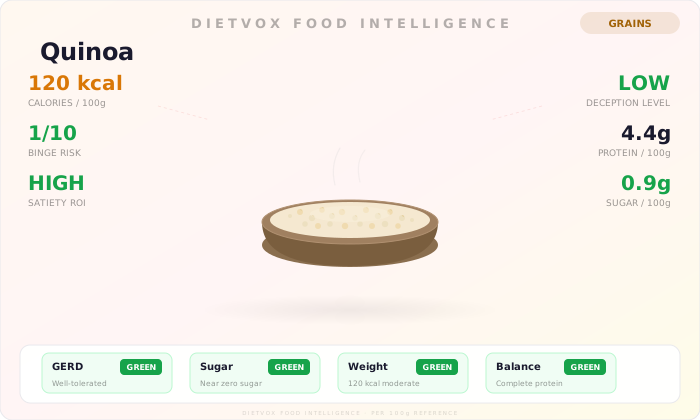
DietVox Rating: GREEN

For individuals navigating the complexities of a GERD-friendly diet, a frequent question arises: is quinoa good for gerd? Based on a thorough review of its nutritional profile and clinical dietary guidelines, DietVox assigns Quinoa a GREEN rating. This indicates that it is a safe and often beneficial food for most people managing Gastroesophageal Reflux Disease (GERD) or acid reflux. Quinoa's combination of low fat, high fibre, and non-acidic properties makes it an excellent foundation for meals designed to minimise reflux symptoms.

This article delves into the source support behind this rating, exploring the specific nutritional components of quinoa that make it suitable for a GERD diet and offering practical advice for incorporating it into your meals safely and effectively.

Quinoa's Nutritional Profile for GERD Management

Understanding the nutritional composition of quinoa is key to appreciating its role in a GERD diet. The data for cooked quinoa per 100g provides a clear picture of why it is a safe choice USDA FoodData Central (FDC ID 168874).

  • Calories: 120 kcal
  • Protein: 4.4g
  • Fat: 1.9g
  • Carbohydrates: 21.3g
  • Dietary Fibre: 2.8g
  • Sugars: 0.9g

The most critical factors for GERD management are the low fat and high fibre content. High-fat foods are known to relax the lower esophageal sphincter (LES), the muscular valve that keeps stomach acid from flowing back into the esophagus, and can also delay stomach emptying, increasing the risk of reflux American College of Gastroenterology acid reflux guidance. With only 1.9g of fat per 100g, quinoa comfortably avoids this common trigger.

Furthermore, its 2.8g of dietary fibre contributes positively to digestive health. Adequate fibre intake is associated with improved gastrointestinal motility. Some sources suggest a potential link between higher fibre intake and a reduced risk of GERD, possibly by promoting faster stomach emptying and reducing abdominal pressure PubMed.

The Science Behind Quinoa and Acid Reflux

Quinoa's suitability for a GERD diet is not based on a single factor but on the synergy of several properties. General dietary advice for GERD from health authorities like the NHS consistently recommends whole grains and high-fibre, low-fat foods as part of a symptom-management strategy.

  1. Low Acidity: Quinoa is a naturally non-acidic food. A primary strategy in a GERD diet is to avoid acidic foods (like citrus, tomatoes, and certain processed grains) that can directly irritate an already inflamed esophagus or potentially lower the pH of stomach contents. Quinoa provides a neutral base for meals, allowing you to build flavour with other GERD-friendly ingredients.
  1. Satiety and Portion Control: Overeating is a significant mechanical trigger for acid reflux. Large meals expand the stomach, placing physical pressure on the LES and making reflux more likely American College of Gastroenterology. Quinoa's combination of protein (4.4g) and fibre (2.8g) provides a moderate level of satiety, helping you feel full and satisfied with smaller, more manageable portions. This helps prevent the over-distension of the stomach.
  1. A Healthy Alternative: Quinoa serves as an excellent substitute for other grains or starches that may be less ideal for GERD. For example, it can replace refined pasta or white rice, offering more fibre and protein. It also provides a plant-based complete protein, making it a valuable alternative to high-fat meats which are often reflux triggers.

Practical Tips for Including Quinoa in Your GERD Diet

While quinoa itself is safe, how you prepare and serve it is crucial for preventing GERD symptoms.

  • Rinse Thoroughly: Quinoa is coated in a natural compound called saponin, which can taste bitter and cause digestive irritation in sensitive individuals. Rinsing quinoa under cold water for 30-60 seconds before cooking removes the saponins and improves its digestibility.
  • Focus on GERD-Friendly Toppings: The benefits of quinoa can be negated by adding high-fat, acidic, or spicy ingredients. Avoid heavy cream sauces, tomato-based sauces, excessive garlic and onion, spicy seasonings, and acidic vinaigrettes.
  • Safe and Delicious Pairings: Create balanced, reflux-friendly meals by pairing quinoa with: * Lean Proteins: Grilled chicken breast, baked fish, tofu, or lentils. * Non-Acidic Vegetables: Steamed broccoli, roasted carrots, green beans, asparagus, and leafy greens. * Healthy Fats (in moderation): A small amount of avocado or a drizzle of olive oil is generally well-tolerated. * Mild Herbs: Use herbs like basil, parsley, thyme, and rosemary for flavour instead of spices like chili powder or cayenne.
  • Mind Your Portions: Even with safe foods, large meals can trigger reflux. Start with a serving size of about one cup of cooked quinoa and monitor your symptoms.

The DietVox Verdict and Health Forensics

Our GREEN rating for quinoa is supported by its favourable Health Forensics scores within the context of a GERD diet:

  • Calorie Density: LOW (120 kcal/100g): This allows you to eat a satisfying volume of food without a high caloric load, helping to prevent the overfilling of the stomach that can trigger reflux.
  • Satiety ROI: MEDIUM: The combination of protein and fibre provides moderate fullness signals. This is ideal for GERD management as it helps control appetite and prevent overeating, a key lifestyle modification recommended by health guidance NICE.
  • Tracking Difficulty: LOW: Cooked quinoa has a consistent and predictable nutritional profile, making it easy to track portions and manage your overall dietary intake accurately.

Disclaimer: This article is for informational purposes only and does not constitute medical advice. Always consult a healthcare provider before making changes to your diet, especially if you have a medical condition.

Scan your foods with the DietVox app to get personalized ratings based on your specific dietary needs and health goals.

Last reviewed: June 2026

How It Works

Why Quinoa is Rated GREEN

Quinoa earns its GREEN rating for the GERD (Acid Reflux) Diet due to a combination of scientifically-backed nutritional properties that align perfectly with established dietary strategies for managing reflux. Its suitability is not based on a single attribute but on its overall gentle and supportive profile for the digestive system.

Low in Reflux-Triggering Fat

health guidance from sources like the American College of Gastroenterology acid reflux guidance identify high-fat foods as a primary dietary trigger for GERD. Fat slows down the rate at which the stomach empties its contents and can also decrease the pressure of the lower esophageal sphincter (LES). Both effects increase the likelihood of stomach acid refluxing into the esophagus. Quinoa contains only 1.9 grams of fat per 100g serving, making it an exceptionally low-fat choice that does not contribute to these reflux mechanisms.

A Good Source of Dietary Fibre

Dietary fibre plays a beneficial, albeit complex, role in digestive health. For GERD, fibre's main advantage is its ability to promote regular bowel movements and prevent constipation. Constipation can increase intra-abdominal pressure, which in turn can exert pressure on the stomach and the LES, potentially worsening reflux symptoms. The 2.8g of fibre in a 100g serving of quinoa contributes to daily fibre goals, supporting overall gut motility. Some sources suggest that diets higher in fibre are associated with fewer GERD symptoms PubMed.

Non-Acidic and Soothing Profile

A core principle of a GERD diet is to avoid foods that can irritate the sensitive lining of the esophagus. Quinoa is a naturally non-acidic (alkaline-forming) food. Unlike acidic foods such as tomatoes or citrus, it does not introduce additional acid into the digestive system. This makes it a soothing and safe base for meals, reducing the risk of direct irritation and discomfort.

Promotes Satiety to Prevent Overeating

Overeating is a major mechanical trigger for reflux. It causes the stomach to stretch, which can prevent the LES from closing properly. The protein (4.4g) and complex carbohydrates in quinoa are digested more slowly than simple sugars, leading to a sustained release of energy and a greater feeling of fullness, or satiety. This helps in managing portion sizes naturally, a key lifestyle intervention recommended by the American College of Gastroenterology for controlling GERD.

Scan any food. Get an instant RED/AMBER/GREEN rating.

DietVox analyses every food across 4 diet protocols — no guesswork.

Try DietVox Free →

Try These Instead

Safer alternatives that won't trigger your symptoms.

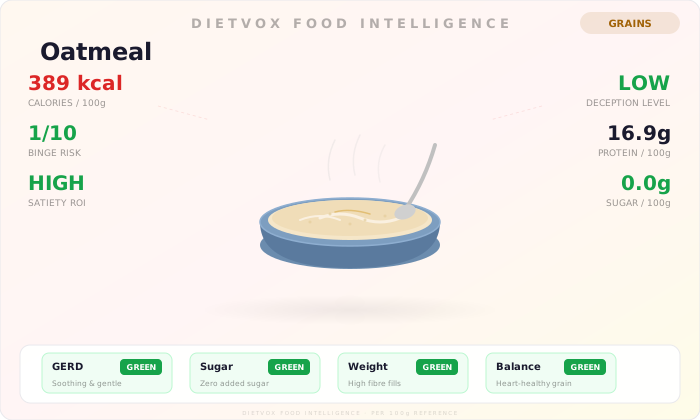
Oatmeal illustration

Oatmeal

389 kcal Grains
GREEN GERD
GREEN Sugar
GREEN Weight
GREEN Balance
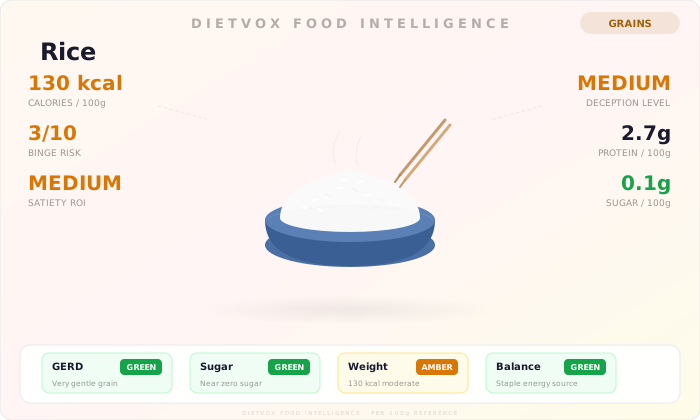
Rice illustration

Rice

130 kcal Grains
GREEN GERD
GREEN Sugar
AMBER Weight
AMBER Balance
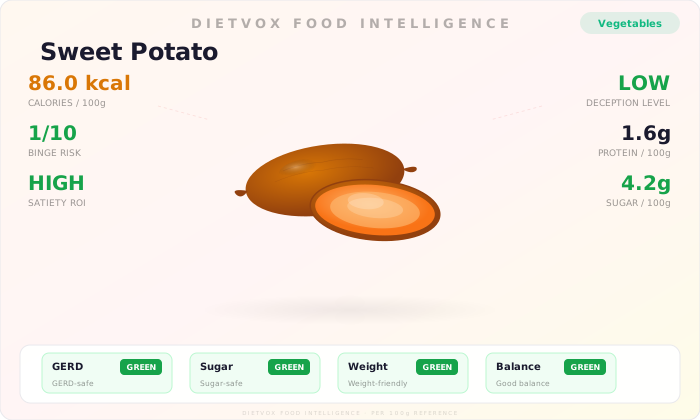
Sweet Potato illustration

Sweet Potato

86 kcal Vegetables
GREEN GERD
GREEN Sugar
AMBER Weight
GREEN Balance
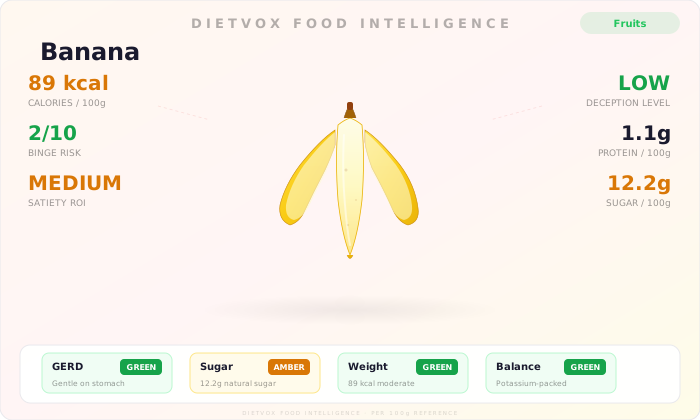
Banana illustration

Banana

89 kcal Fruits
GREEN GERD
AMBER Sugar
AMBER Weight
GREEN Balance

Frequently Asked Questions

How should I prepare quinoa to avoid GERD symptoms?

To make quinoa as GERD-friendly as possible, always rinse it under cold water before cooking to remove saponins. Cook it with water or a low-sodium, fat-free broth. Most importantly, avoid adding common reflux triggers like high-fat sauces, spicy seasonings, tomato-based products, garlic, or onion. Instead, season with mild herbs like parsley or basil and pair with lean proteins and non-acidic vegetables.

Can quinoa cause bloating or gas, which might worsen my reflux?

For some individuals, particularly those not accustomed to a high-fibre diet, quinoa can initially cause some bloating or gas. This is due to its fibre content. While this is a separate digestive issue from acid reflux, severe bloating can increase abdominal pressure and indirectly worsen symptoms. To minimise this, introduce quinoa into your diet gradually and ensure you are drinking enough water throughout the day.

Is red, white, or black quinoa better for acid reflux?

From a GERD perspective, there is no significant difference between the common varieties of quinoa (white, red, or black). Their core nutritional profiles—low fat, high fibre, and non-acidic nature—are very similar. You can choose based on your preference for taste and texture. White quinoa is the mildest and fluffiest, while red and black varieties are slightly chewier and have a more earthy flavour.

What are some GERD-friendly meal ideas using quinoa?

Quinoa is very versatile. For a GERD-friendly breakfast, try a quinoa porridge made with water or almond milk, topped with banana slices and a sprinkle of cinnamon. For lunch or dinner, a quinoa bowl with grilled chicken breast, steamed broccoli, roasted carrots, and a drizzle of olive oil is an excellent choice. You can also use cooled quinoa as a base for a mild salad with cucumber, melon, and a non-acidic dressing.

Related Reading