DietVox Rating: GREEN
For individuals managing Gastroesophageal Reflux Disease (GERD), a primary concern is identifying safe, non-triggering foods. A common question our users ask is, is lettuce good for gerd? Based on a thorough review of its nutritional properties and health guidance, DietVox assigns Lettuce a GREEN rating. This indicates that lettuce is a safe and often beneficial food for most people following a GERD management diet.
This article provides a comprehensive analysis of why lettuce is considered a GERD-friendly food, examines its nutritional profile through the lens of acid reflux, and offers practical advice for incorporating it into your meals without causing symptoms.
The Role of Diet in Managing GERD
GERD is a condition where stomach acid frequently flows back into the esophagus, the tube connecting your mouth and stomach. This backwash (acid reflux) can irritate the lining of your esophagus, causing symptoms like heartburn, regurgitation, and chest pain. Dietary management is a cornerstone of controlling GERD symptoms American College of Gastroenterology acid reflux guidance. The primary goal is to avoid foods and beverages that can trigger reflux by either relaxing the lower esophageal sphincter (LES), increasing stomach acid, or delaying stomach emptying.
Lettuce excels as a GERD-friendly food because it avoids all these common trigger mechanisms.
A Clinical Look at Lettuce's Nutritional Profile for GERD
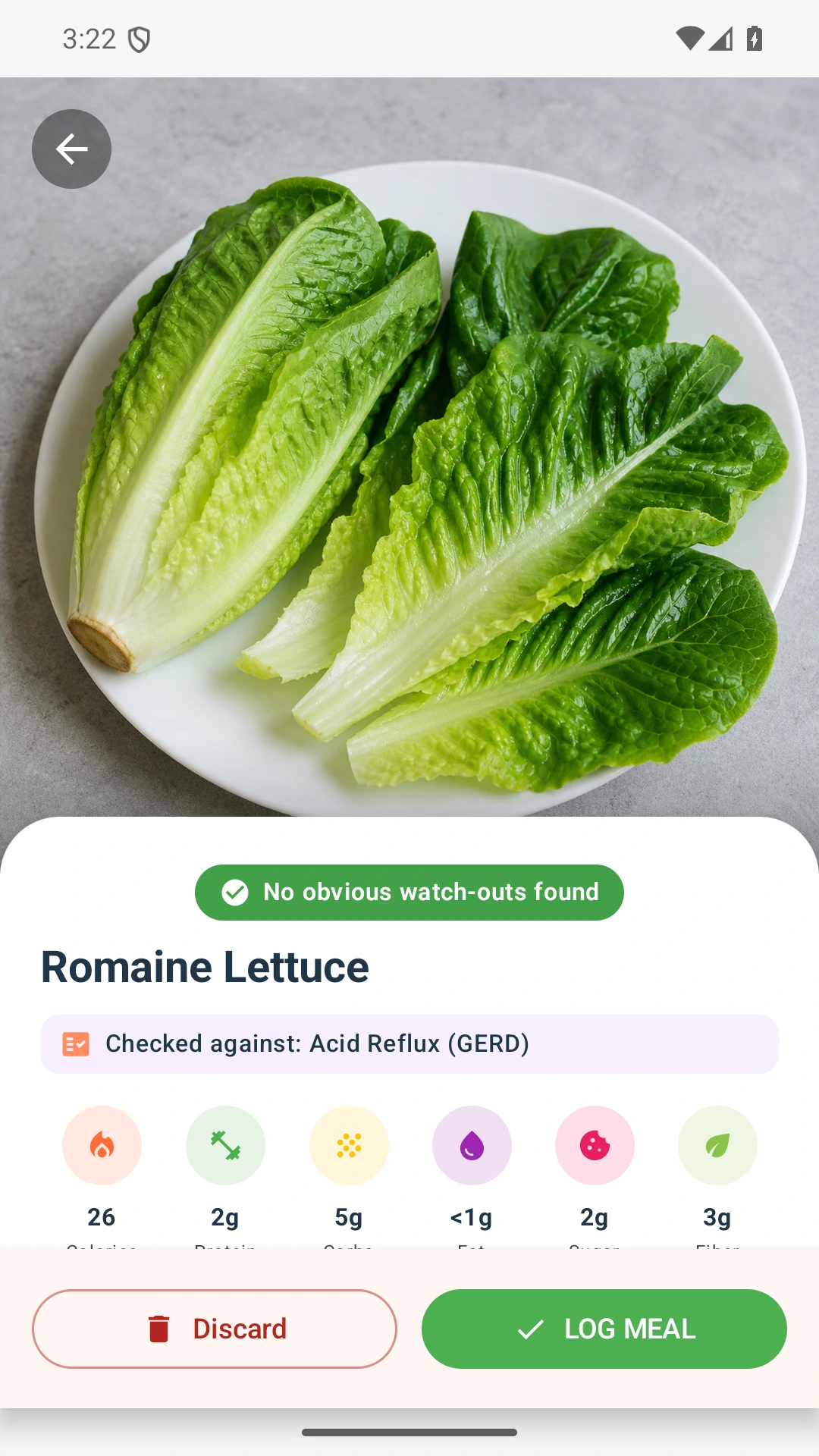
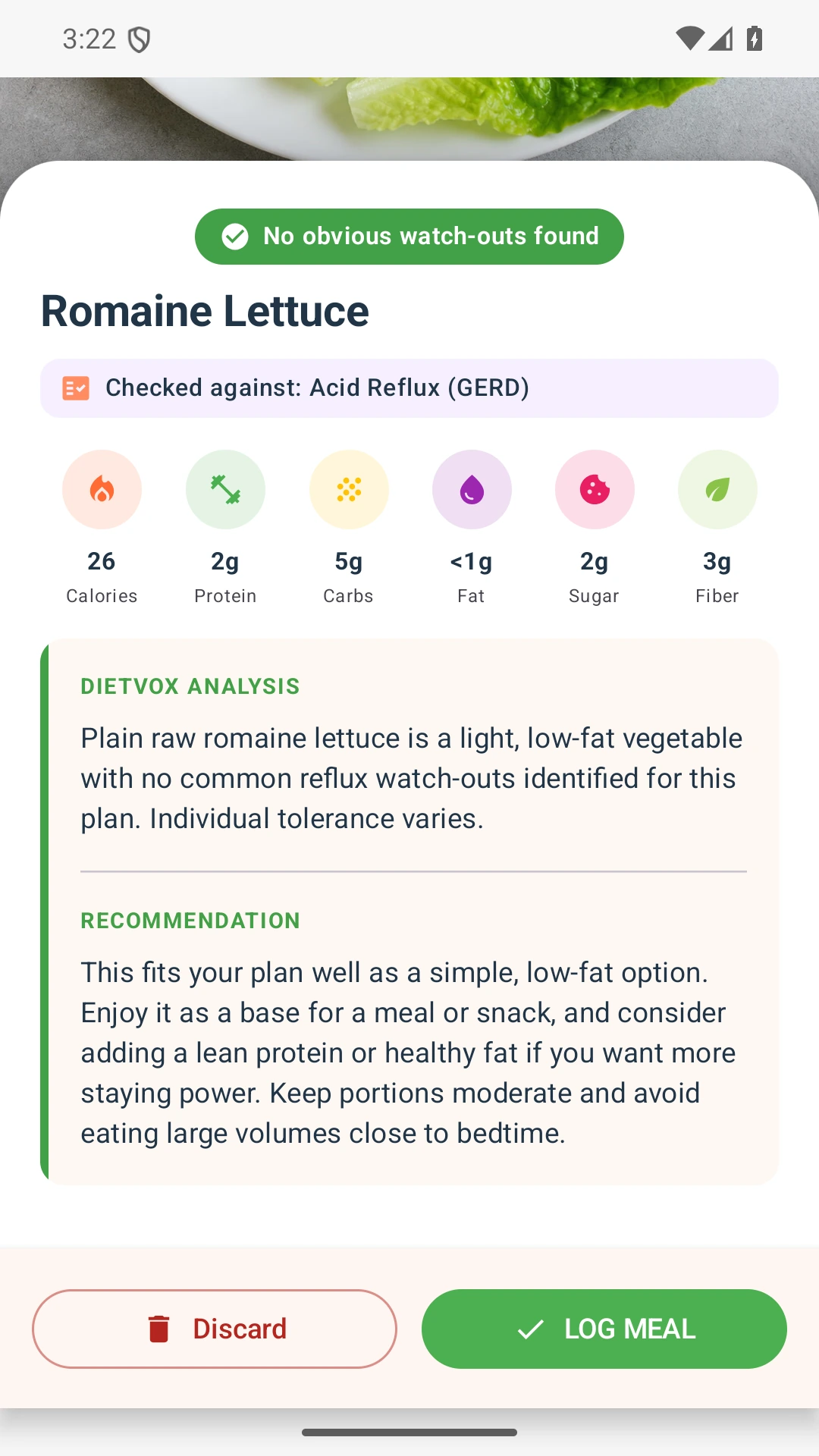
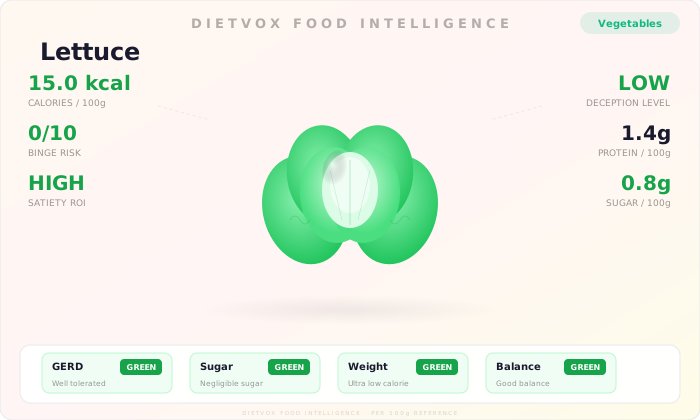
The nutritional composition of lettuce makes it uniquely suited for a GERD diet. Using data from the USDA, a 100g serving of romaine lettuce contains approximately 15 calories, 1.4g of protein, 0.2g of fat, and 2.9g of carbohydrates USDA FoodData Central (FDC ID 169968). Let's break down why these numbers are ideal for reflux sufferers.
Negligible Fat Content
With only 0.2g of fat per 100g, lettuce is virtually fat-free. This is critically important because high-fat meals are a well-documented trigger for GERD. Dietary fats can decrease the pressure of the lower esophageal sphincter (LES), the muscle that acts as a valve between the esophagus and stomach. A relaxed LES allows stomach contents to reflux more easily American College of Gastroenterology. Furthermore, fatty foods can delay gastric emptying, meaning food sits in the stomach longer, increasing the opportunity for reflux to occur PubMed. Lettuce's low-fat nature helps prevent both of these physiological triggers.
Alkaline and Non-Acidic
Foods with high acidity, such as citrus fruits, tomatoes, and vinegar, can directly irritate an already inflamed esophageal lining and may worsen heartburn symptoms. Lettuce is an alkaline food, meaning it is not acidic and will not contribute to the acid load in your stomach. Choosing non-acidic foods is a key strategy recommended by health authorities for managing reflux symptoms NHS.
High Water Content
Lettuce is composed of over 95% water. This high water content can be beneficial for GERD in two ways. First, it helps with hydration without introducing any problematic ingredients. Second, the water can help dilute stomach acid, which may provide a gentle, soothing effect and lessen the irritant potential of your stomach contents should reflux occur.
Gentle Fibre
Lettuce provides a modest amount of dietary fibre (around 1.3g per 100g). This level of fibre contributes to digestive health without being excessive. While very high-fibre meals can sometimes cause bloating and increase abdominal pressure in some individuals, the amount in a typical serving of lettuce is generally well-tolerated and considered beneficial for overall gut motility.
Health Forensics: Lettuce by the Numbers
Our Health Forensics analysis provides further context for how lettuce fits into a GERD dietary plan:
- Calorie Density: LOW: At just 15 kcal per 100g, lettuce allows you to add significant volume and crunch to your meals without a heavy caloric load. This is beneficial for weight management, which is a key recommendation for reducing pressure on the stomach and improving GERD symptoms American College of Gastroenterology acid reflux guidance.
- Satiety ROI: LOW: Lettuce on its own is not very filling due to its low protein and fibre content. However, it functions as an excellent, safe base or 'carrier' for other GERD-friendly, satiating foods like grilled chicken breast, turkey, or non-acidic root vegetables.
- Tracking Difficulty: LOW: Lettuce is easy to portion and track, making it simple to maintain control over your meal composition, a vital aspect of a successful GERD diet.
Practical Strategies: Adding Lettuce to Your GERD Diet Safely
While lettuce itself is safe, how you prepare it is crucial. A salad can quickly become a major GERD trigger if the wrong ingredients are added.
Choose Any Variety
All common types of lettuce—including romaine, iceberg, butter, and leaf lettuce—are considered safe for a GERD diet. Darker green varieties like romaine offer a higher concentration of micronutrients, such as Vitamin A and K, but all are equally gentle on the digestive system.
Beware of Trigger Toppings and Dressings
This is the most critical factor. The lettuce is the safe part; the additions are often the problem. Common salad ingredients that can trigger GERD include:
- Acidic Vegetables: Tomatoes, raw onions, and peppers.
- High-Fat Ingredients: Creamy dressings (Ranch, Caesar), full-fat cheese, bacon, and croutons fried in oil.
- Acidic Dressings: Nearly all vinaigrettes are vinegar- or citrus-based and should be avoided.
- Spicy Elements: Radishes, jalapeños, or spicy seasonings.
Build a GERD-Friendly Salad
To enjoy a salad without fear of reflux, build it with safe ingredients:
- Base: Any type of lettuce.
- Protein: Grilled chicken or turkey breast, chickpeas (in moderation).
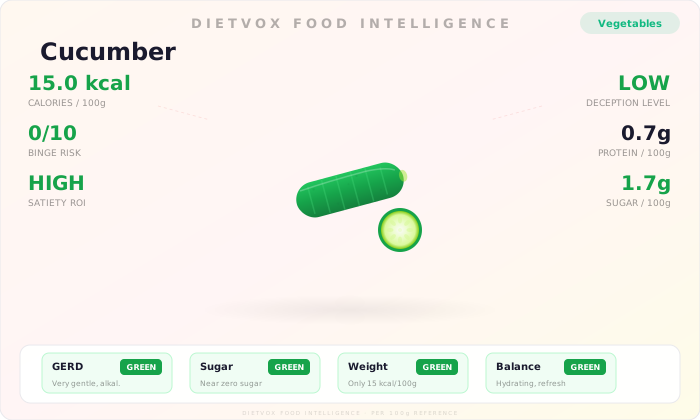
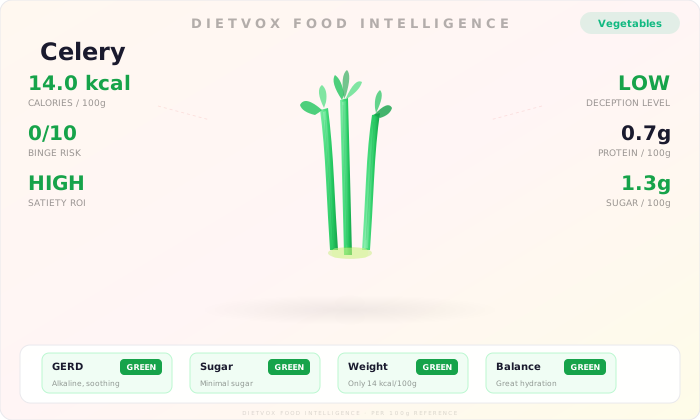
- Vegetables: Cucumber, celery, carrots, beets, fennel.
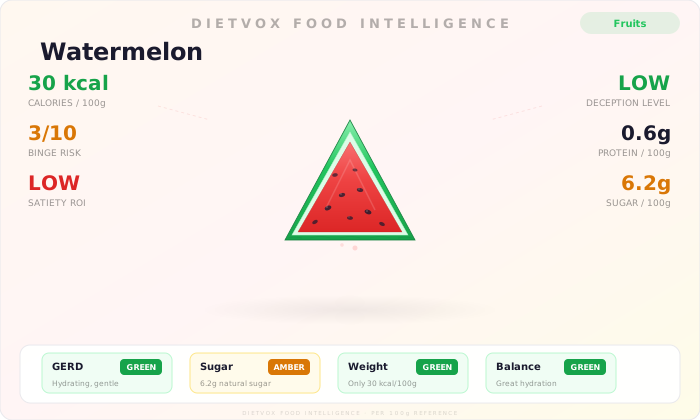
- Fruits: Melon, pear, or banana slices for sweetness.
- Healthy Fats (in moderation): A few slices of avocado or a small sprinkle of sunflower seeds.
- Dressing: A light drizzle of high-quality olive oil, or a dressing made from blended avocado or a small amount of plain, non-fat Greek yogurt (if dairy is tolerated).
The Verdict on Lettuce for GERD
Lettuce is an exemplary food for a GERD management diet. Its high water content, alkaline nature, and extremely low fat content make it one of the safest raw vegetables you can consume. It adds volume, texture, and nutrients to meals without posing a risk of triggering common reflux mechanisms. By being mindful of toppings and dressings, lettuce can be a staple in a healthy, comfortable, and symptom-free GERD diet.
Disclaimer: This article is for informational purposes only and does not constitute medical advice. Always consult a healthcare provider before making changes to your diet, especially if you have a medical condition.
Scan your foods with the DietVox app to get personalized ratings based on your specific dietary needs and health goals.
Last reviewed: June 2026
How It Works
Why Lettuce is Rated GREEN for GERD
Lettuce earns a GREEN rating from DietVox for its exceptional compatibility with a GERD (Acid Reflux) dietary protocol. Its beneficial properties are rooted in four key characteristics that align perfectly with the goals of reflux management:
- Extremely Low Acidity: Lettuce is an alkaline food. Unlike acidic triggers like tomatoes or citrus, it does not irritate the sensitive lining of the esophagus or increase the overall acidity of a meal. This makes it inherently gentle on the digestive system of a reflux sufferer.
- Virtually No Fat: With a fat content of only 0.2g per 100g, lettuce does not trigger the primary mechanism by which fatty foods cause reflux. It does not lower the pressure of the lower esophageal sphincter (LES) or delay stomach emptying, two major factors in GERD pathophysiology American College of Gastroenterology.
- High Water Content: Comprising over 95% water, lettuce helps to hydrate the body and can gently dilute the concentration of stomach acid USDA FoodData Central (FDC ID 169968). This dilution can reduce the irritant capacity of gastric contents, potentially easing symptoms of heartburn.
- Simple and Easy to Digest: The simple carbohydrate structure and modest fibre content of lettuce ensure that it is digested quickly and efficiently. It does not linger in the stomach, which helps prevent the buildup of pressure that can lead to reflux events.
Scan any food. Get an instant RED/AMBER/GREEN rating.
DietVox analyses every food across 4 diet protocols — no guesswork.
Try DietVox Free →Try These Instead
Safer alternatives that won't trigger your symptoms.
Frequently Asked Questions
Which type of lettuce is best for acid reflux?
All common types of lettuce, including romaine, iceberg, butter, and leaf lettuce, are considered excellent choices for an acid reflux diet. They are all low in acid, low in fat, and high in water. While darker greens like romaine offer more vitamins and minerals, none are known to trigger GERD symptoms.
Can a lettuce salad trigger my GERD?
Lettuce itself is highly unlikely to trigger GERD. However, a salad can become a major trigger depending on the other ingredients. Common culprits include acidic tomatoes, raw onions, high-fat cheeses, creamy dressings, and vinegar-based vinaigrettes. To keep your salad safe, stick to GERD-friendly additions like cucumber, grilled chicken, and a light olive oil dressing.
Does lettuce help neutralize stomach acid?
While lettuce is an alkaline food, it doesn't actively neutralize stomach acid in the way an antacid medication does. Its primary benefit comes from its high water content, which can help dilute stomach acid, and the fact that it doesn't add any acidity to your meal. It's beneficial because it's non-irritating, not because it's a powerful acid neutralizer.
I feel bloated after eating lettuce. Is this related to GERD?
Bloating after eating lettuce is typically related to its fibre content and is more associated with general digestion or a sensitive gut (like in IBS) rather than GERD itself. The gas produced is in the intestines, not the stomach, so it doesn't usually cause acid reflux. If you experience bloating, try a smaller portion or a more tender variety like butter lettuce.