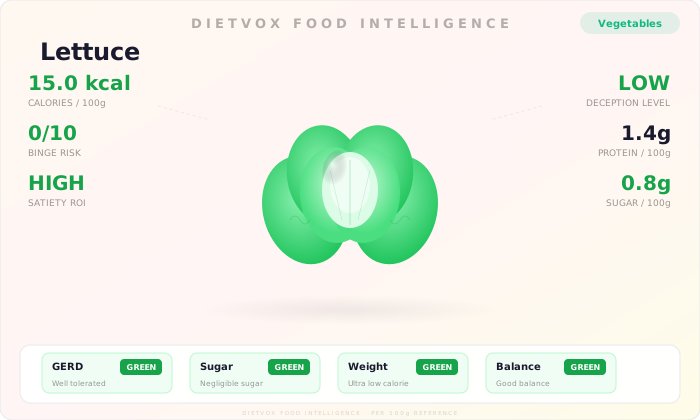
DietVox Rating: GREEN
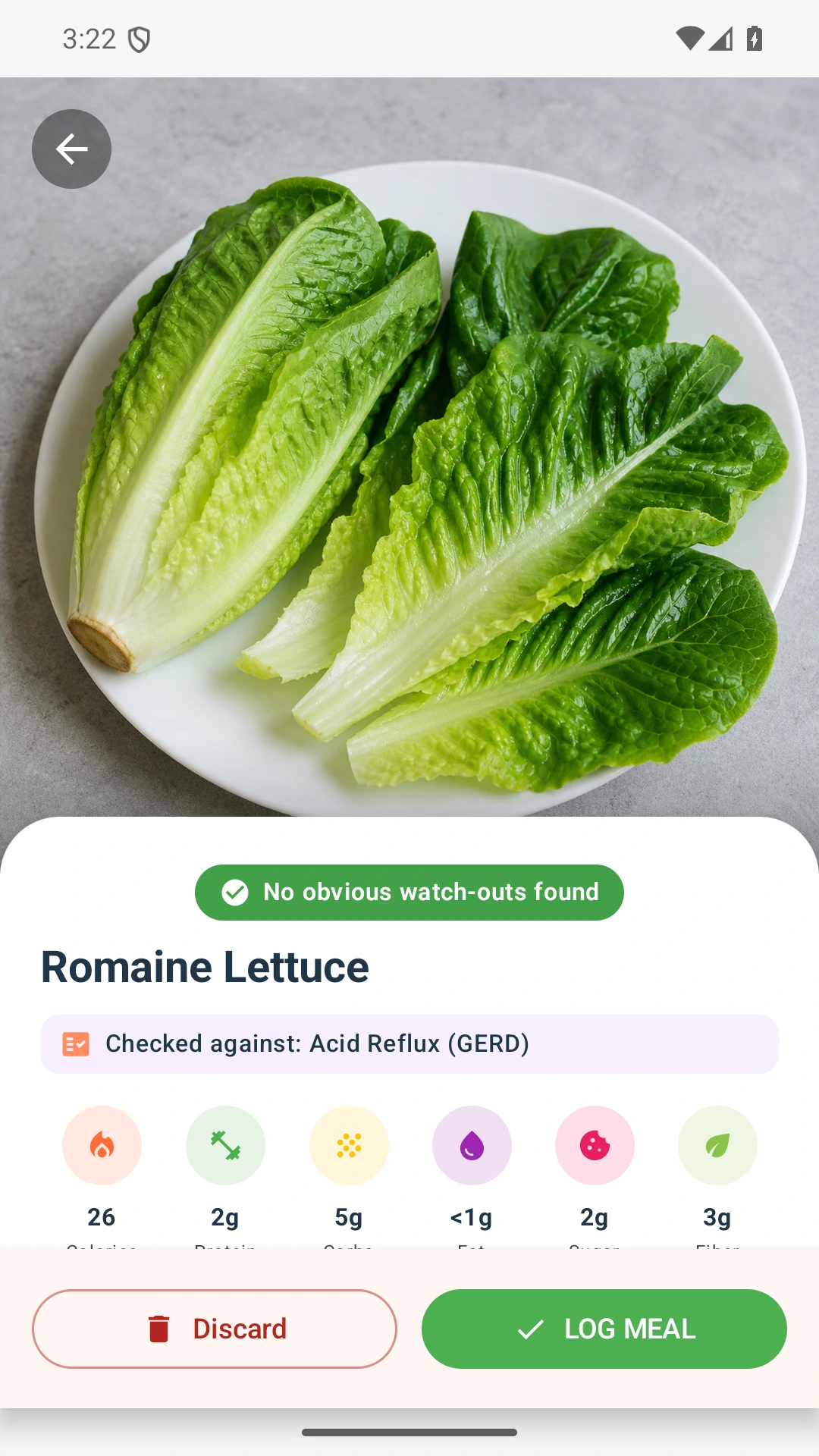
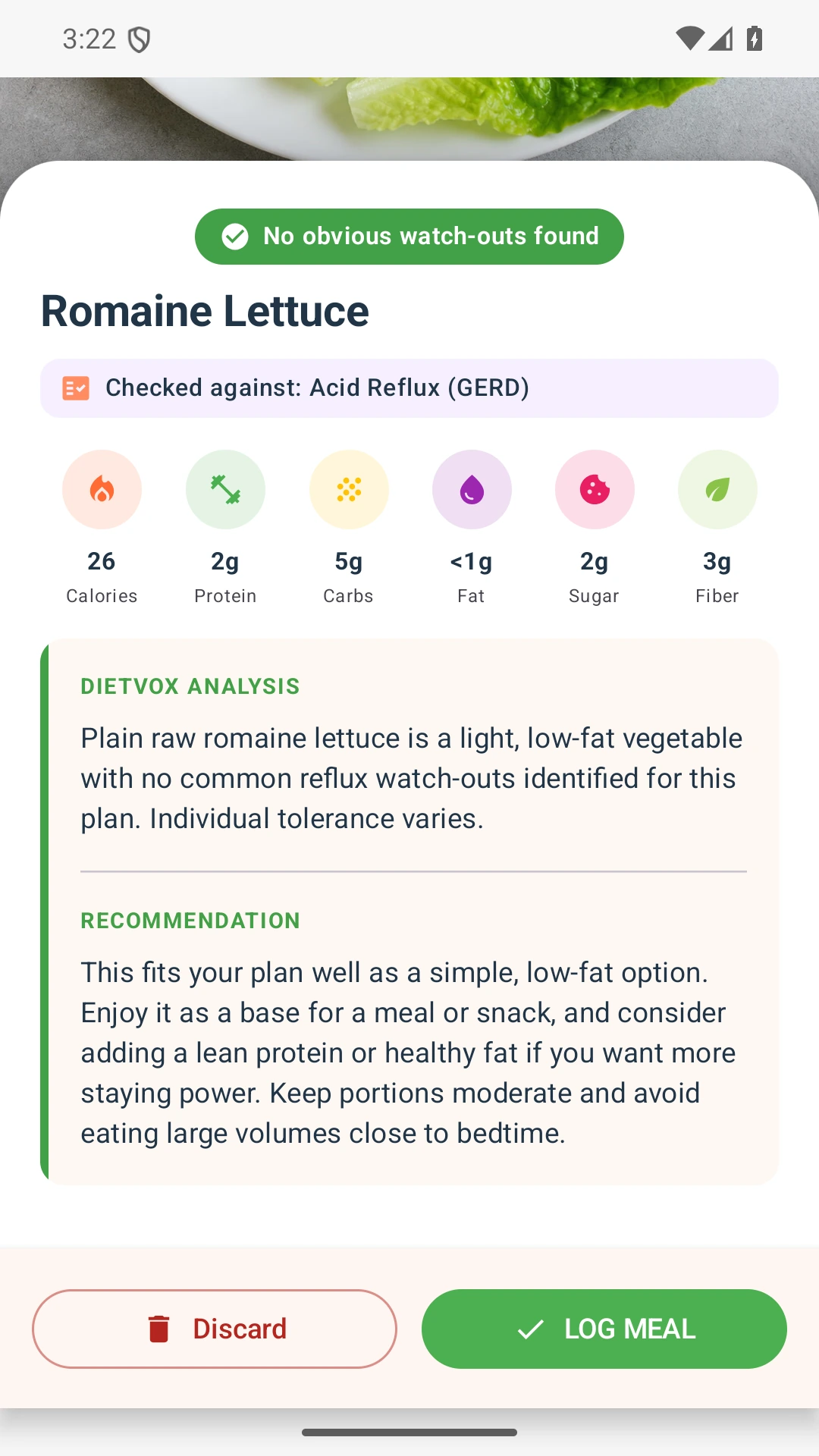
Lettuce is rated GREEN for a low-sugar diet, signifying it is an excellent and highly recommended food choice. This rating is based on its exceptionally low sugar and carbohydrate content. For anyone managing sugar intake, a common question is is lettuce low carb and low in sugar, and the answer is a definitive yes. Its minimal impact on blood glucose levels makes it a foundational ingredient for meals designed to support metabolic health.
In-Depth Nutritional Analysis for a Low-Sugar Diet
Understanding the nutritional composition of lettuce is key to appreciating its role in a low-sugar lifestyle. According to the USDA FoodData Central, a 100-gram serving of raw lettuce contains approximately:
- Total Sugars: 0.8g
- Total Carbohydrates: 2.9g
- Dietary Fibre: 1.3g
- Calories: 15 kcal
These figures highlight why lettuce is a staple for sugar-conscious eating. The 0.8 grams of sugar are intrinsic, meaning they are naturally occurring within the plant's cellular structure. This is distinct from "free sugars" (like those added to foods or found in honey and fruit juices), which health organizations like the World Health Organization (WHO) and the NHS recommend limiting WHO, FDA added sugars label guidance.
The total carbohydrate count of 2.9g is also remarkably low. When we subtract the dietary fibre (1.3g), we are left with just 1.6g of net carbohydrates. Net carbs are the carbohydrates that the body can digest and use for energy, and this low value is why lettuce has a negligible effect on blood sugar levels.
Health Forensics: A Low-Sugar Perspective
DietVox's Health Forensics model provides a deeper look at how lettuce functions within a dietary plan:
- Calorie Density: LOW With only 15 kcal per 100g, lettuce has a very low calorie density. This is primarily due to its high water content (over 95%) USDA FoodData Central (FDC ID 169960). This allows you to add significant volume and bulk to your meals, promoting a feeling of fullness without contributing meaningful calories or sugar. This is a valuable strategy for managing overall energy intake, which is often a parallel goal in low-sugar diets aimed at improving metabolic health.
- Satiety ROI: LOW It's important to be realistic about the satiating power of lettuce on its own. Its Satiety Return on Investment (ROI) is low due to minimal protein (1.4g) and fibre (1.3g). source review consistently shows that protein and fibre are the two main macronutrients that contribute to feelings of fullness PubMed. Therefore, lettuce should be viewed as a vehicle for other, more satiating low-sugar foods rather than a standalone solution for hunger.
- Tracking Difficulty: LOW For those who track their food intake, lettuce is simple to manage. Its nutritional values are consistent, and portioning is straightforward, whether by weight or volume (e.g., cups). This predictability makes it easy to incorporate into a structured low-sugar meal plan without complex calculations.
Practical Tips for Integrating Lettuce into a Low-Sugar Diet
Maximising the benefits of lettuce involves using it strategically to build satisfying, nutrient-dense, and low-sugar meals.
- Build a Better Salad Base: Use a generous amount of romaine, iceberg, or mixed greens as the foundation of your meal. To make it filling and balanced, add a source of lean protein like grilled chicken, fish, or tofu. Incorporate healthy fats from avocado or a simple olive oil and vinegar dressing. Add other non-starchy, low-sugar vegetables like cucumber, bell peppers, and broccoli for extra fibre and nutrients.
- Beware of High-Sugar Add-ins: The health benefits of a lettuce-based salad can be quickly negated by common additions. Be cautious with commercial salad dressings, which are often high in added sugars MedlinePlus vitamins overview. Also, avoid candied nuts, dried fruits, and crispy noodles, all of which add significant sugar and refined carbohydrates.
- Use as a Wrap or 'Boat': Large, crisp lettuce leaves (such as from iceberg or butter lettuce) make an excellent substitute for bread, tortillas, or buns. This simple swap dramatically reduces the sugar and refined carbohydrate content of meals like tacos, burgers, or sandwiches. Fill them with seasoned ground meat, tuna salad, or other low-sugar fillings for a crunchy, refreshing, and diet-compliant meal.
- Add to Soups and Smoothies: Shredded lettuce can be wilted into soups and stews to add extra nutrients and bulk without altering the flavour significantly. For a less conventional approach, a handful of mild lettuce like romaine can be added to a green smoothie to boost its vitamin K and A content without adding sugar.
Disclaimer: This article is for informational purposes only and does not constitute medical advice. Always consult a healthcare provider before making changes to your diet, especially if you have a medical condition.
Scan your foods with the DietVox app to get personalized ratings based on your specific dietary needs and health goals.
Last reviewed: June 2026
How It Works
Why Lettuce is Rated GREEN
Lettuce earns a GREEN rating for a low-sugar diet due to its exceptionally low sugar content and minimal glycemic impact. The primary mechanism is its macronutrient profile, which is overwhelmingly composed of water and fibre, with very few digestible carbohydrates.
- Extremely Low Sugar Content: At just 0.8 grams of sugar per 100g serving USDA FoodData Central (FDC ID 169960), lettuce is one of the lowest-sugar foods available. This amount is negligible and poses no risk to blood sugar control. The sugars present are intrinsic, bound within the plant's fibrous structure, which slows their release into the bloodstream compared to free sugars.
- Negligible Glycemic Impact: The Glycemic Index (GI) is a measure of how quickly a food containing carbohydrates raises blood glucose levels. Foods with very few carbohydrates, like lettuce, do not have a reliable GI value because they cannot be tested in a standard way; they simply do not contain enough carbohydrates to cause a significant blood sugar response American Diabetes Association food and nutrition guidance. Its 1.6g of net carbohydrates per 100g is insufficient to trigger a notable insulin release, making it an ideal food for maintaining stable blood sugar.
- High Water and Fibre Volume: Lettuce's structure—high in water and containing dietary fibre—helps to add bulk to the digestive system. This can contribute to a feeling of fullness and slow down the absorption of nutrients from the entire meal, further supporting stable energy levels and blood glucose management.
Scan any food. Get an instant RED/AMBER/GREEN rating.
DietVox analyses every food across 4 diet protocols — no guesswork.
Try DietVox Free →Try These Instead
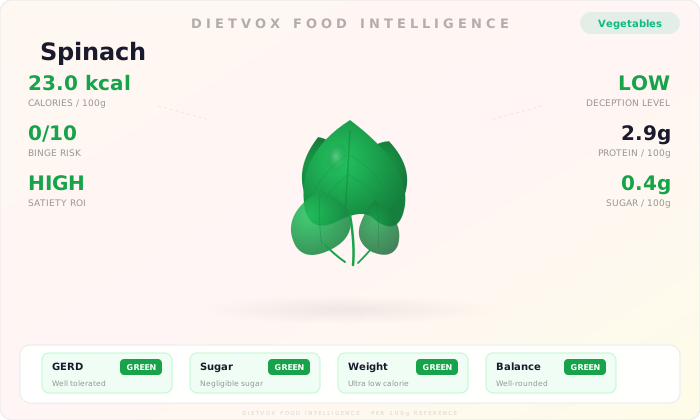
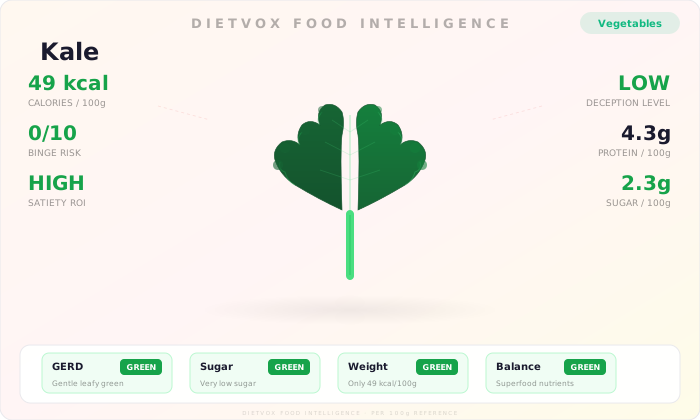
Safer alternatives that won't trigger your symptoms.
Frequently Asked Questions
Is lettuce low carb and keto-friendly?
Yes, lettuce is extremely low in carbohydrates and is considered very keto-friendly. With only 2.9g of total carbohydrates and 1.3g of fibre per 100g, its net carb count is just 1.6g. This makes it an excellent choice for both general low-carb diets and the more restrictive ketogenic diet.
What is the best type of lettuce for a low-sugar diet?
All common varieties of lettuce, including romaine, iceberg, butter lettuce, and leaf lettuce, are exceptionally low in sugar and are excellent for a low-sugar diet. While there are minor nutritional differences—for example, romaine is higher in Vitamin A and K than iceberg—their sugar and carbohydrate contents are all negligibly low. The best choice is often based on personal preference and culinary use.
Can the sugar in lettuce raise my blood sugar levels?
It is highly unlikely that the small amount of sugar in lettuce will have any noticeable effect on your blood sugar levels. With less than 1 gram of sugar and only 1.6 grams of net carbs per 100g, the glycemic impact is negligible. Foods with such low carbohydrate content do not typically cause a significant glucose response, as reported by health authorities like the NHS in their guidance on the glycemic index.
How can I make a filling low-sugar meal with lettuce?
Because lettuce itself has low satiety, the key is to use it as a base and add components that are high in protein and healthy fats. Create a large salad with a generous portion of grilled chicken, salmon, or hard-boiled eggs. Add healthy fats like avocado, a handful of nuts or seeds, and an olive oil-based vinaigrette. This combination provides the protein, fat, and fibre needed to create a satisfying and filling meal that keeps you full for hours.