DietVox Rating: GREEN
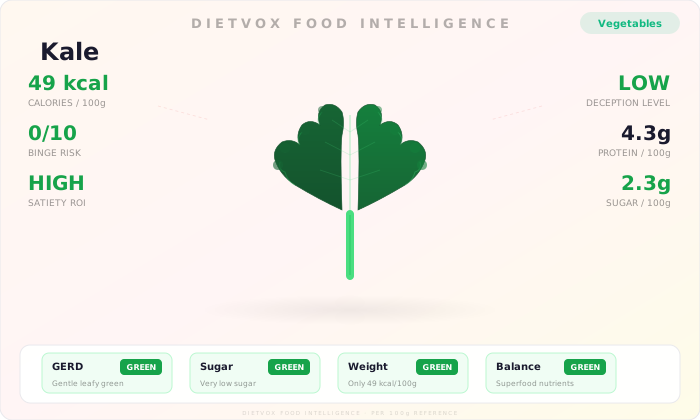
Kale is rated GREEN for a low-sugar diet. This rating signifies that it is an excellent choice, fully compatible with the goals of reducing sugar intake and managing blood glucose levels. Its nutritional profile is highly favourable, containing minimal sugar and a wealth of beneficial nutrients. For anyone asking is kale low carb and low in sugar, the answer is a definitive yes, making it a cornerstone vegetable for this dietary protocol.
In-Depth Nutritional Analysis for a Low Sugar Diet
A detailed look at kale's nutritional composition reveals why it earns our top rating. According to the USDA FoodData Central, 100g of raw kale contains approximately:
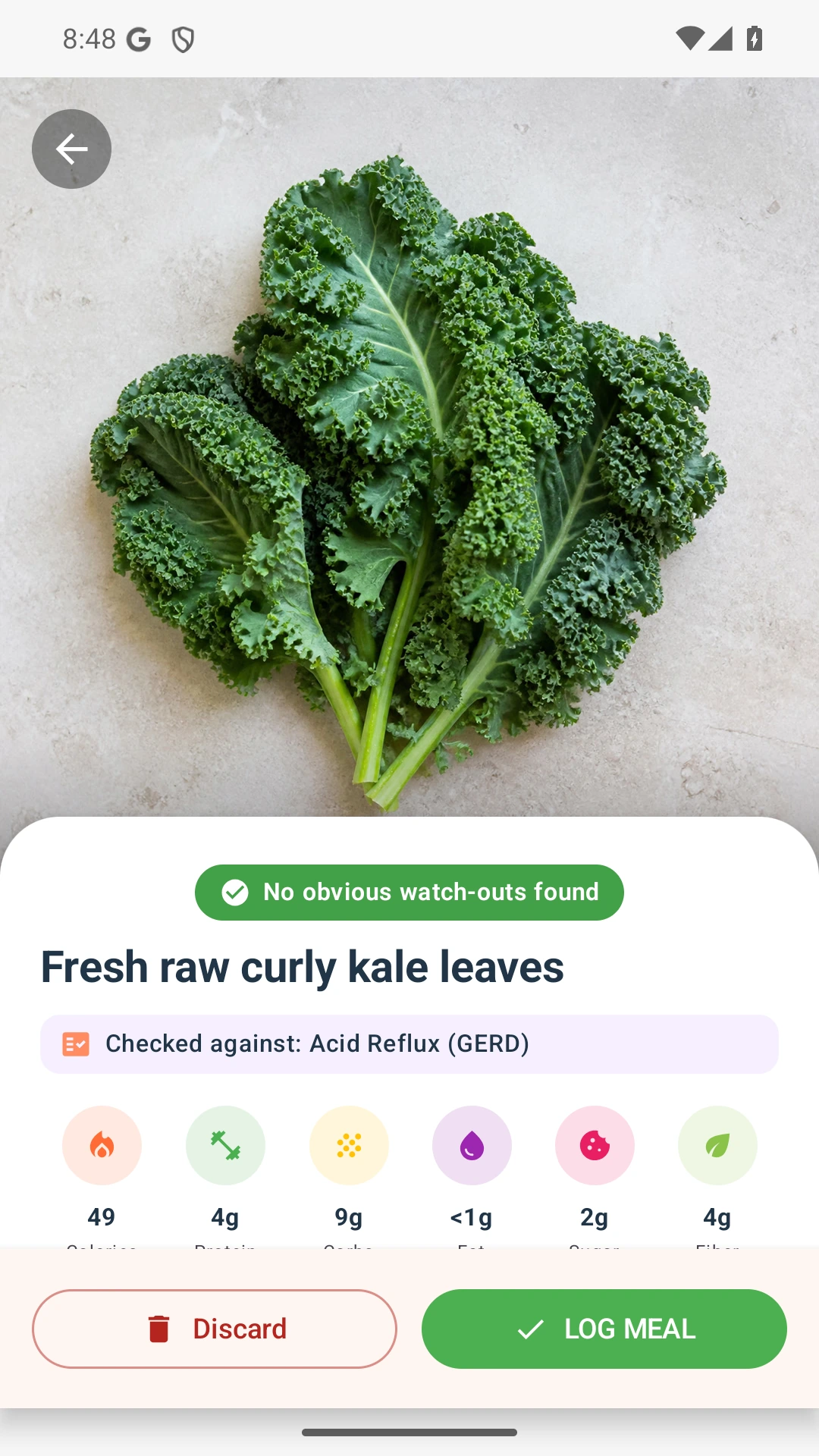
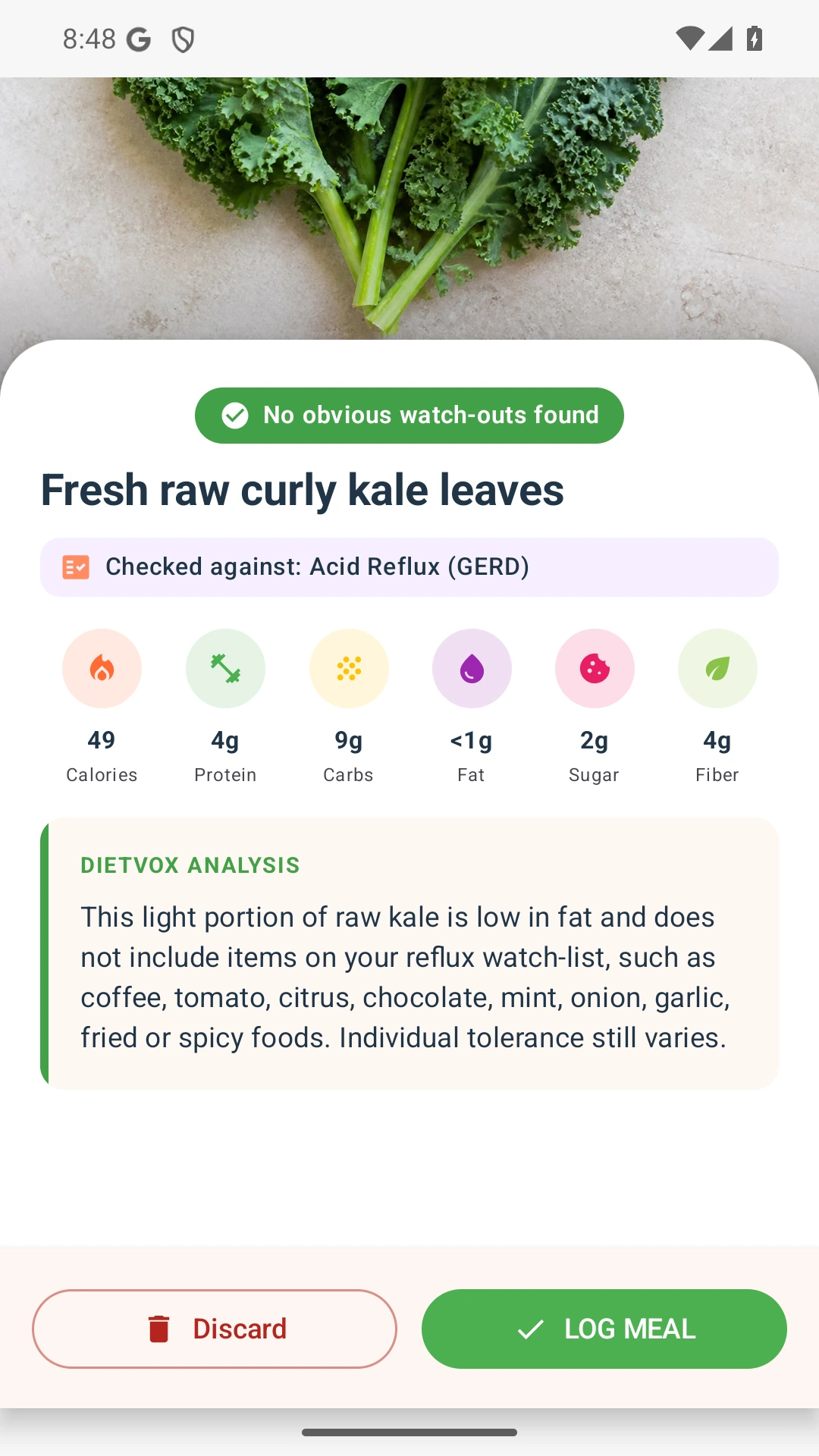
- Calories: 49 kcal
- Carbohydrates: 9.0g
- Dietary Fibre: 3.6g
- Sugars: 2.3g
- Protein: 4.3g
Source: USDA FoodData Central (FDC ID 168421)
The key takeaway for a low-sugar diet is the remarkably low sugar content of just 2.3g per 100g serving. Furthermore, its 3.6g of dietary fibre is crucial. Fibre is a type of carbohydrate that the body can't digest, so it doesn't raise blood sugar levels. When you subtract the fibre from the total carbohydrates (9.0g - 3.6g), you get a net carbohydrate value of 5.4g, confirming its suitability for both low-sugar and low-carbohydrate eating plans.
Kale's Role in Blood Sugar Management
The benefits of kale extend beyond its basic macronutrient profile. Its high fibre content plays a significant role in glycemic control. Dietary fibre, particularly soluble fibre, slows down the absorption of sugar into the bloodstream, which helps prevent sharp spikes in blood glucose and insulin after a meal Source: NHS. This stabilising effect is a primary goal of any low-sugar or diabetic-friendly diet.
Furthermore, kale is a member of the cruciferous vegetable family, which has been the subject of extensive source review. Some sources suggest that compounds found in these vegetables, such as sulforaphane, may help improve insulin sensitivity Source: PubMed. Kale also contains antioxidants like quercetin and kaempferol. source review indicates these flavonoids may have beneficial effects on glucose metabolism and cardiovascular health, which is particularly important for individuals managing metabolic conditions Source: PubMed.
Practical Tips for Integrating Kale into Your Low Sugar Diet
Incorporating kale into your routine is simple and versatile. Its low calorie density (49 kcal/100g) means you can enjoy generous portions, contributing to feelings of fullness without a significant caloric cost.
H3: Preparation and Serving Suggestions
- Salads: For raw salads, it's best to "massage" the kale leaves first. Drizzle with a small amount of olive oil and a pinch of salt, then gently rub the leaves together for a few minutes. This breaks down the tough cellulose structure, making the kale more tender and less bitter.
- Smoothies: Blend raw kale with low-sugar fruits like berries, a source of healthy fat like avocado or chia seeds, and a protein source like unsweetened Greek yogurt or protein powder. Avoid adding fruit juices or sweeteners.
- Sautéing: A quick sauté with garlic, olive oil, and a squeeze of lemon juice is a delicious and fast way to prepare kale as a side dish.
- Roasting (Kale Chips): Toss kale leaves with a light coating of olive oil and a sprinkle of salt, then bake at a low temperature until crisp. This creates a crunchy, satisfying snack that is far superior to processed, high-sugar alternatives.
- Soups and Stews: Add chopped kale to soups, stews, or chilis during the last 5-10 minutes of cooking. It wilts down and adds a substantial nutrient boost without altering the flavour profile significantly.
H3: Addressing Common Misconceptions
- "Kale is too bitter." The bitterness can be easily managed. Massaging raw kale, removing the tough central rib, or cooking it will significantly mellow its flavour. Pairing it with healthy fats like olive oil or avocado also helps balance the taste.
- "All green juices are healthy." Many commercially prepared green juices that feature kale are also packed with high-sugar fruit juices like apple or orange juice to improve the taste. This can result in a high-sugar beverage that undermines the goals of a low-sugar diet. Always check labels or, better yet, make your own at home to control the ingredients FDA added sugars label guidance.
- "Kale's oxalates are dangerous." Kale contains oxalates, natural compounds that can contribute to the formation of kidney stones in susceptible individuals. However, for the vast majority of the population, the amount consumed as part of a varied diet is not a concern. Cooking kale can also reduce its oxalate content. If you have a history of oxalate-related kidney stones, it's wise to consult a healthcare provider NIDDK kidney stone diet guidance.
Disclaimer: This article is for informational purposes only and does not constitute medical advice. Always consult a healthcare provider before making changes to your diet, especially if you have a medical condition.
Scan your foods with the DietVox app to get personalized ratings based on your specific dietary needs and health goals.
Last reviewed: June 2026
How It Works
Why Kale is Rated GREEN for a Low Sugar Diet
Kale's GREEN rating is based on a robust clinical assessment of its nutritional properties and their alignment with the core principles of a low-sugar lifestyle. The mechanism is threefold:
- Extremely Low Sugar and Net Carbohydrate Content: With only 2.3g of sugar and 5.4g of net carbs per 100g, kale has a negligible impact on blood glucose levels. This makes it an ideal vegetable for maintaining stable blood sugar, a primary objective of the diet Source: USDA FoodData Central (FDC ID 168421).
- High Dietary Fibre: Kale provides 3.6g of dietary fibre per 100g. This fibre is critical as it slows the digestive process, leading to a more gradual release of glucose into the bloodstream. This blunts the glycemic response of any meal it's part of, preventing the energy crashes associated with blood sugar spikes MedlinePlus fiber overview.
- High Nutrient Density and Satiety: On a diet that restricts certain foods, it's vital to get maximum nutritional value from what you do eat. Kale is packed with essential micronutrients like Vitamin C, Vitamin A, and Potassium. Its combination of fibre and moderate protein (4.3g) also contributes to satiety, helping you feel fuller for longer. This can reduce cravings for high-sugar snacks and support overall dietary adherence Source: WHO.
Scan any food. Get an instant RED/AMBER/GREEN rating.
DietVox analyses every food across 4 diet protocols — no guesswork.
Try DietVox Free →Try These Instead
Safer alternatives that won't trigger your symptoms.
Frequently Asked Questions
How does the fiber in kale help with a low-sugar diet?
The 3.6g of dietary fibre in every 100g of kale is highly beneficial. It slows down the absorption of sugars from your entire meal into the bloodstream, which helps prevent sharp blood sugar spikes. It also promotes a feeling of fullness, or satiety, which can help manage appetite and reduce the temptation to reach for sugary snacks. Source: NHS
Are homemade kale chips a good low-sugar snack?
Yes, homemade kale chips are an excellent low-sugar snack. By baking them at home with a small amount of olive oil and seasonings like salt or garlic powder, you control the ingredients completely. This allows you to create a crunchy, savoury snack without the added sugars, refined oils, and high sodium levels often found in commercially produced chips.
Can I eat kale every day on a low-sugar diet?
For most individuals, eating kale daily is perfectly safe and healthy. It's a fantastic way to ensure a consistent intake of essential vitamins and fibre. However, the foundation of a healthy diet is variety. Aim to include a wide range of different low-sugar vegetables to ensure you receive a broad spectrum of nutrients. Source: WHO
What's the difference in sugar content between raw and cooked kale?
The cooking process itself does not add sugar to kale. The sugar content of 100g of cooked kale will be very similar to 100g of raw kale. However, be mindful of what you add during cooking. Sauces, glazes (especially those containing honey or maple syrup), or dressings can add significant amounts of sugar, turning a healthy vegetable into a high-sugar dish.