DietVox Rating: GREEN
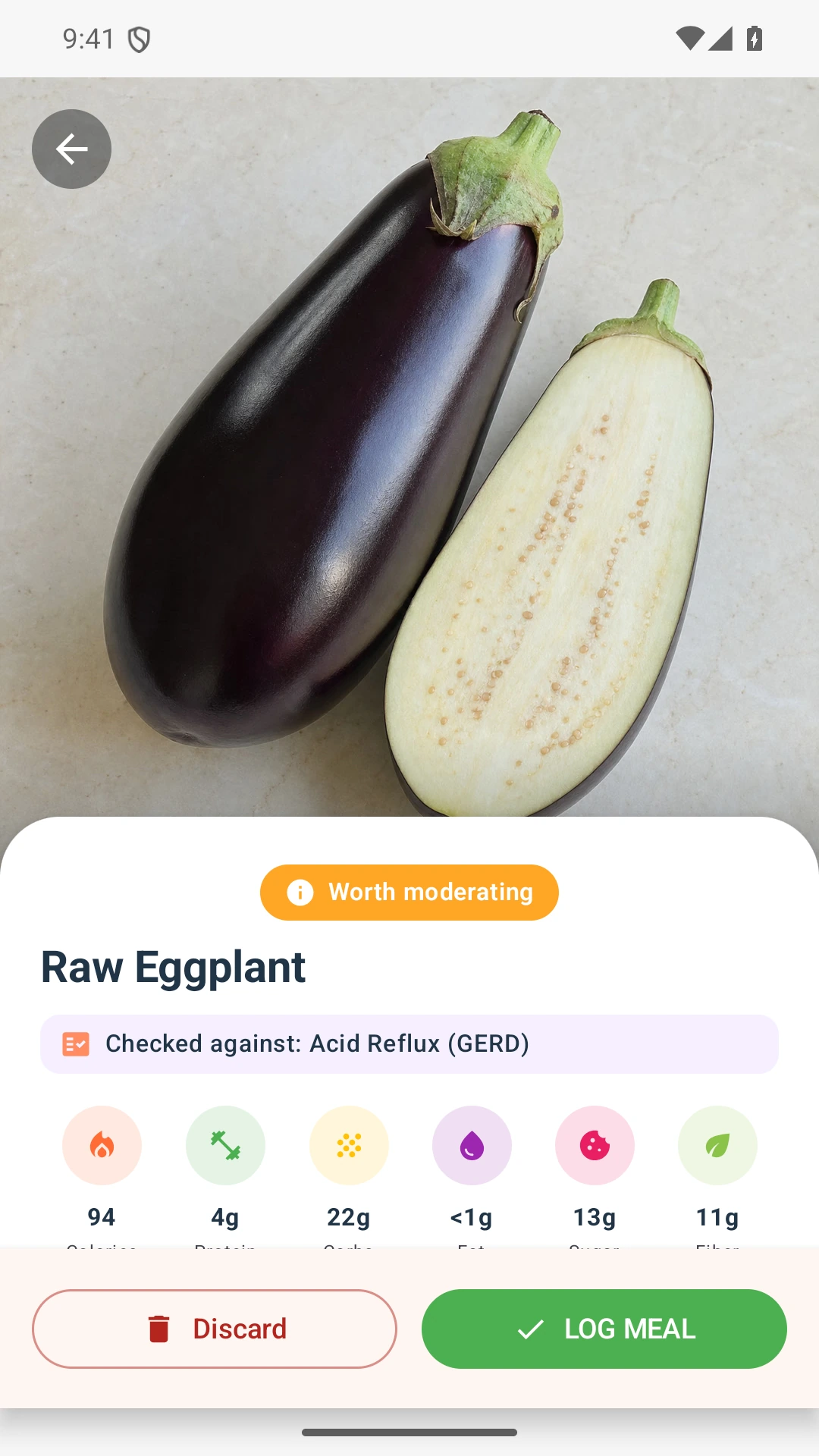
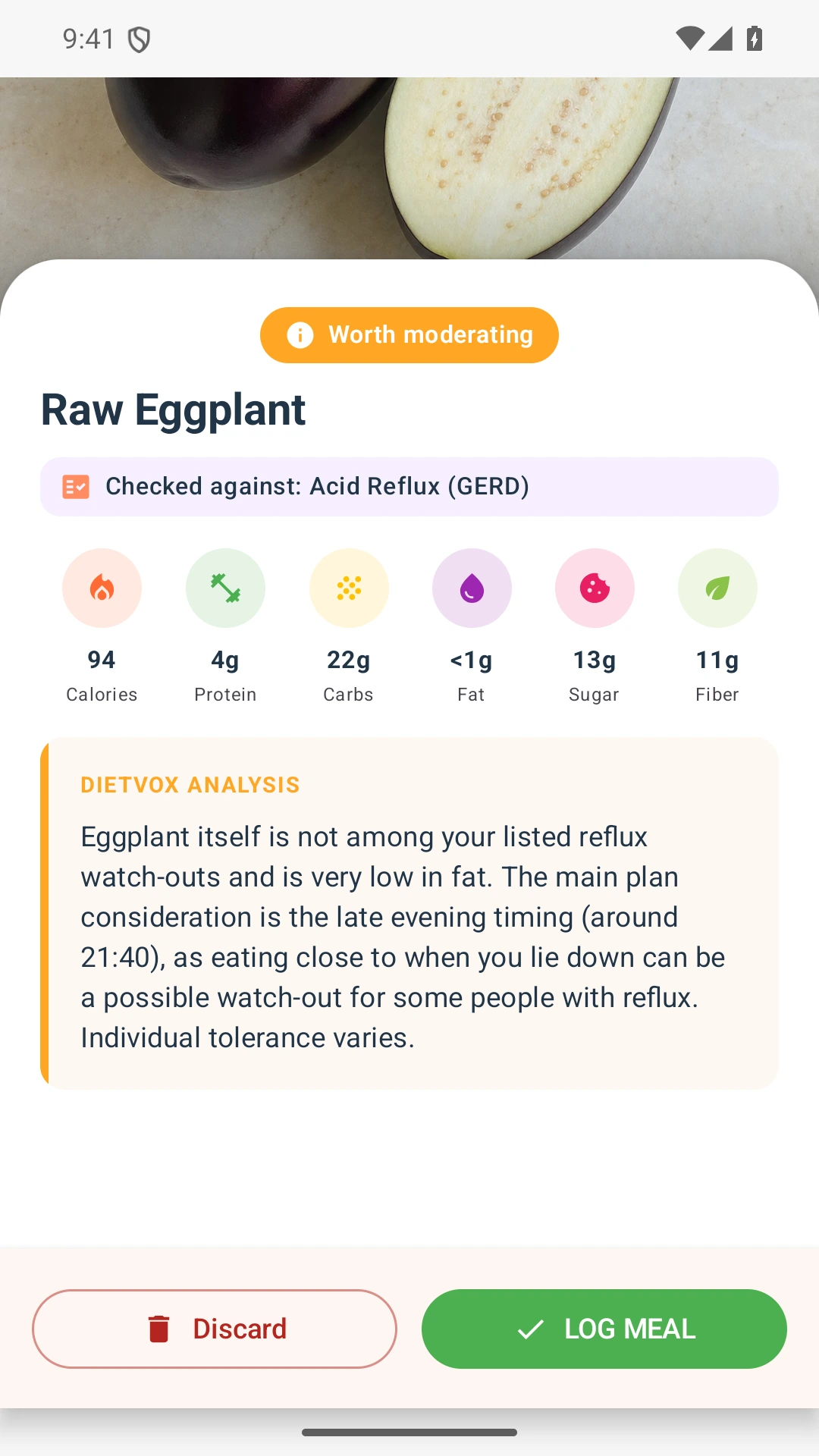
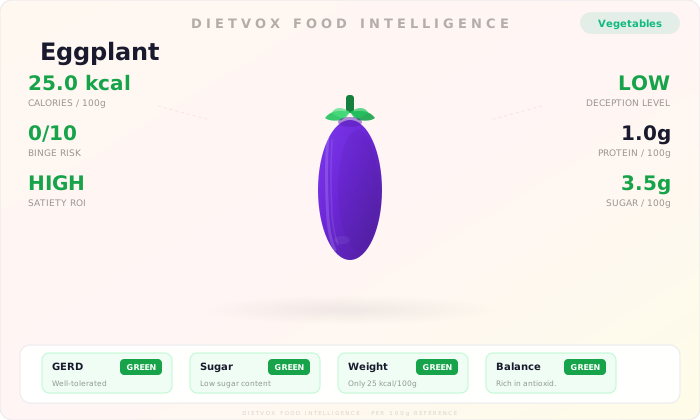
DietVox has assigned Eggplant a GREEN rating for a low-sugar diet. This rating signifies that eggplant is an excellent food choice, highly compatible with the goals of a low-sugar or sugar-restricted eating plan. Its nutritional profile supports stable blood sugar levels and can be consumed regularly. A common question we see is "is eggplant low carb," and the answer is a definitive yes, which is a key reason for its favourable rating.
Understanding Eggplant's Nutritional Profile for a Low Sugar Diet
A detailed analysis of eggplant's nutritional composition reveals why it is so well-suited for a low-sugar lifestyle. According to the USDA FoodData Central, a 100-gram serving of raw eggplant contains USDA FoodData Central (FDC ID 169228):
- Calories: 25 kcal
- Protein: 1.0 g
- Fat: 0.2 g
- Total Carbohydrates: 5.9 g
- Dietary Fibre: 3.0 g
- Total Sugars: 3.5 g
The most critical numbers for a low-sugar diet are the sugar and fibre content. At just 3.5 grams of sugar per 100g, eggplant is naturally low in the simple carbohydrates that can cause rapid blood sugar increases. To put this in perspective, the NHS recommends adults consume no more than 30g of free sugars per day FDA added sugars label guidance. While the sugar in eggplant is naturally occurring, its low quantity makes it a negligible contributor to this limit.
Furthermore, its total carbohydrate count of 5.9 grams is moderated by a significant 3.0 grams of dietary fibre. This gives eggplant a "net carb" count of only 2.9 grams, making it a staple in low-carb diets as well as low-sugar ones.
The Critical Role of Fibre in Blood Sugar Control
The 3.0 grams of dietary fibre in eggplant are not just for digestive health; they are a key player in managing blood sugar. Fibre is a type of carbohydrate that the body cannot digest. Instead of being broken down into sugar molecules, it passes through the body, providing several metabolic benefits.
Soluble fibre, which is present in eggplant, dissolves in water to form a gel-like substance in the digestive tract. This gel slows down the entire digestive process, including the absorption of sugar into the bloodstream MedlinePlus fiber overview. This results in a more gradual and lower rise in blood glucose after a meal, preventing the sharp "spikes" and subsequent "crashes" that can disrupt energy levels and long-term health. A diet rich in fibre is consistently linked to a lower risk of developing type 2 diabetes PubMed.
Glycaemic Index (GI) and Glycaemic Load (GL) of Eggplant
The Glycaemic Index (GI) is a scale that ranks carbohydrate-containing foods by how much they raise blood glucose levels compared to a standard food (like pure glucose). Foods with a high GI are digested and absorbed quickly, causing a rapid rise in blood sugar. Low-GI foods, on the other hand, produce a slower, more sustained release of glucose American Diabetes Association food and nutrition guidance.
Eggplant is a very low-GI food. Due to its low carbohydrate content and high fibre, its impact on blood sugar is minimal. This makes it an ideal vegetable for anyone following a low-sugar diet, especially individuals with insulin resistance or type 2 diabetes who need to maintain tight glycaemic control. The Glycaemic Load (GL) takes into account the portion size, and because eggplant has a low GI and is typically eaten in reasonable portions, its GL is also very low.
Practical Tips for a Low Sugar Diet with Eggplant
How you prepare eggplant is just as important as the vegetable itself. To keep it aligned with a low-sugar protocol, follow these tips:
- Choose Healthy Cooking Methods: Roasting, grilling, baking, and steaming are excellent methods. These techniques bring out eggplant's creamy texture and flavour without adding unnecessary fats or calories.
- Be Mindful of Oils and Sauces: Eggplant acts like a sponge, readily absorbing oils and sauces. Use healthy oils like olive oil sparingly. When choosing sauces, check labels carefully for added sugars. Tomato-based sauces are a good pairing, but many commercial brands contain high amounts of hidden sugar. Opt for no-sugar-added versions or make your own.
- Versatile Meal Ideas: * Eggplant "Steaks": Cut thick rounds of eggplant, brush with olive oil and herbs, and grill or roast until tender. * Baba Ghanoush: This classic dip is made from roasted eggplant, tahini, lemon juice, and garlic. It's a fantastic low-sugar, high-fibre snack when paired with other raw vegetables like bell peppers or cucumbers. * Stir-fries and Curries: Add cubed eggplant to stir-fries or curries. It absorbs the flavours of the dish beautifully and adds satisfying bulk. * Eggplant Lasagna: Use thinly sliced, roasted eggplant planks in place of pasta sheets for a low-carb, low-sugar version of the classic dish.
Addressing Common Misconceptions About Eggplant
Myth: Eggplant is a "Nightshade" and Causes Inflammation Eggplant belongs to the nightshade family of plants, which also includes tomatoes, peppers, and potatoes. A persistent myth claims that these vegetables are pro-inflammatory and should be avoided, particularly by those with arthritis. However, for the vast majority of people, there is no direct source support to support this claim. In fact, vegetables like eggplant are rich in antioxidants and polyphenols, such as nasunin (which gives it its purple colour), that have anti-inflammatory properties PubMed nightshade vegetables review. Only a very small subset of individuals with specific sensitivities may react to nightshades.
Myth: You Must Salt Eggplant Before Cooking The practice of salting eggplant and letting it sit (a process called "de-gorging") was traditionally done to draw out bitter compounds. While this can also help reduce oil absorption during frying, it is often unnecessary with modern eggplant varieties, which have been cultivated to be much less bitter. For roasting or grilling, skipping the salting step is perfectly fine and helps to keep sodium intake in check.
Disclaimer: This article is for informational purposes only and does not constitute medical advice. Always consult a healthcare provider before making changes to your diet, especially if you have a medical condition.
Scan your foods with the DietVox app to get personalized ratings based on your specific dietary needs and health goals.
Last reviewed: June 2026
How It Works
Why Eggplant is Rated GREEN
Eggplant earns a GREEN rating for a low-sugar diet based on four key nutritional principles. This rating indicates it is an excellent food to include regularly without significant concern for its impact on blood sugar levels.
1. Very Low Sugar Content Per 100 grams, eggplant contains only 3.5 grams of sugar USDA FoodData Central (FDC ID 169228). This amount is minimal and fits comfortably within the daily sugar intake recommendations set by health authorities like the World Health Organization WHO. Its naturally low sugar profile makes it a safe and reliable choice for those actively managing sugar consumption.
2. Significant Dietary Fibre With 3.0 grams of dietary fibre per 100g, eggplant provides a substantial amount of this crucial nutrient. Dietary fibre, particularly soluble fibre found in vegetables, plays a vital role in metabolic health. It slows down the digestion and absorption of carbohydrates, which helps to prevent rapid spikes in blood glucose after a meal MedlinePlus fiber overview. This buffering effect is a cornerstone of a successful low-sugar dietary strategy.
3. Low Overall Carbohydrate and Glycaemic Impact The question "is eggplant low carb" is central to its suitability. With just 5.9 grams of total carbohydrates and 3.0 grams of fibre, its net carbohydrate count is very low (2.9g per 100g). This low carbohydrate load, combined with its fibre content, means eggplant has a very low glycaemic index (GI) American Diabetes Association food and nutrition guidance. Foods with a low GI release glucose slowly and steadily, supporting stable blood sugar levels and better overall glycaemic control.
4. Low Calorie Density At only 25 kcal per 100g, eggplant is a low-calorie-density food. This allows for the inclusion of large, satisfying portions in meals without a significant caloric penalty. For individuals on a low-sugar diet, which often goes hand-in-hand with weight management, this characteristic is highly beneficial for promoting satiety and controlling overall energy intake.
Scan any food. Get an instant RED/AMBER/GREEN rating.
DietVox analyses every food across 4 diet protocols — no guesswork.
Try DietVox Free →Try These Instead
Safer alternatives that won't trigger your symptoms.
Frequently Asked Questions
Is eggplant keto-friendly?
Yes, eggplant is generally considered keto-friendly. With 5.9g of total carbs and 3.0g of fibre per 100g, its net carb count is only 2.9g. This low net carb value fits well within the strict carbohydrate limits of a ketogenic diet.
How does cooking affect the sugar and carb content of eggplant?
Cooking itself does not significantly change the amount of sugar or carbohydrates in eggplant. However, cooking methods can concentrate these nutrients by reducing water content. For example, 100g of roasted eggplant will have more carbs and sugar than 100g of raw eggplant because it's more nutritionally dense. The most important factor is what you add during cooking; sauces, glazes, and breadings can add substantial amounts of sugar and carbs.
Does eggplant's skin have any nutritional benefits for a low-sugar diet?
Absolutely. The deep purple skin of the eggplant is rich in an antioxidant called nasunin, a type of anthocyanin. While this doesn't directly impact sugar content, antioxidants are beneficial for overall metabolic health and may help combat oxidative stress, which is often a concern in conditions related to poor blood sugar control PubMed. The skin also contains additional dietary fibre.
What are the best low-sugar pairings for eggplant?
Eggplant pairs well with other non-starchy vegetables like zucchini, bell peppers, and mushrooms. For protein, lean sources like grilled chicken, fish, or legumes (e.g., lentils, chickpeas) are excellent choices. Healthy fats from olive oil, tahini (in baba ghanoush), or nuts can create a balanced, low-sugar meal that promotes satiety.