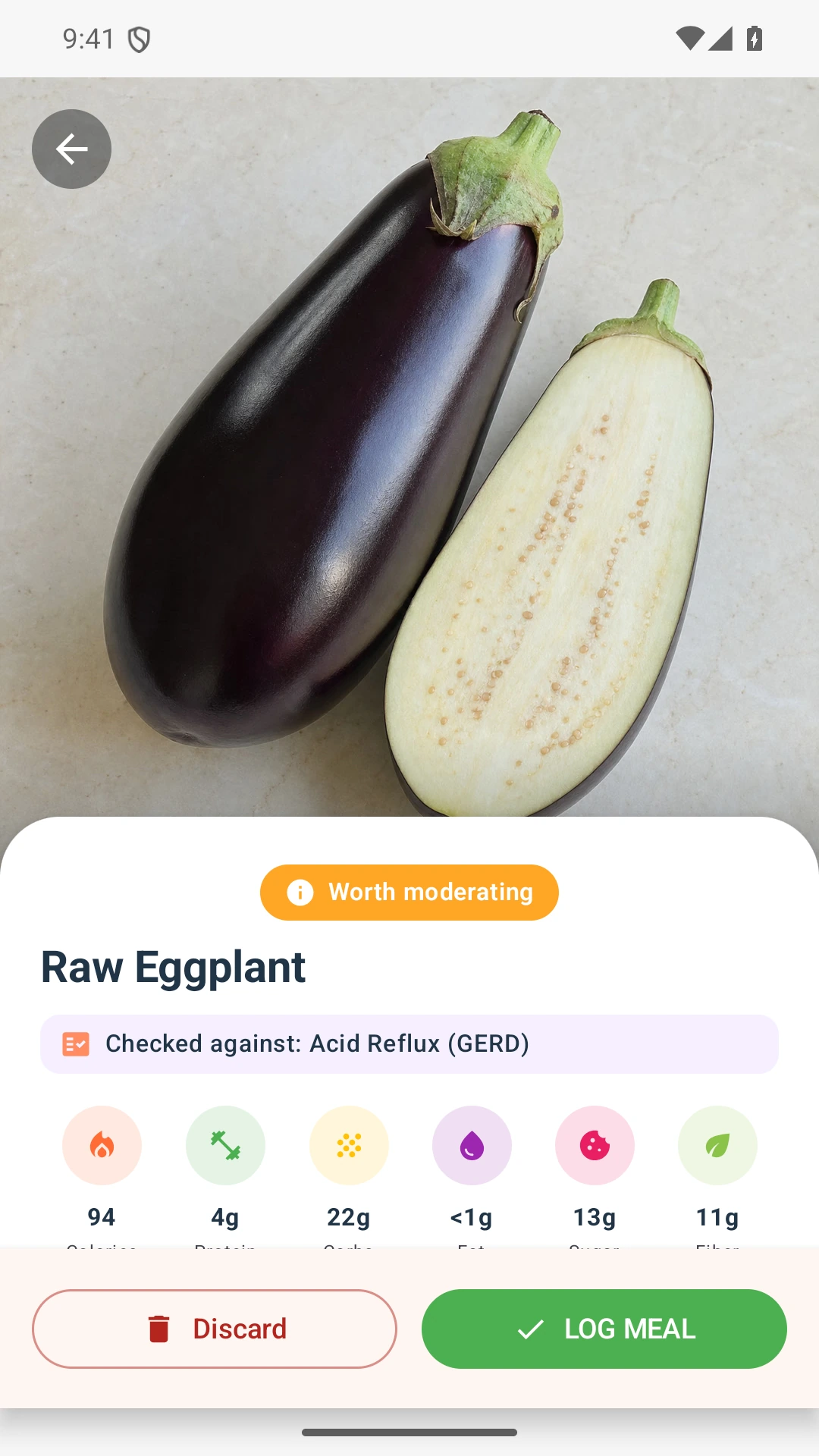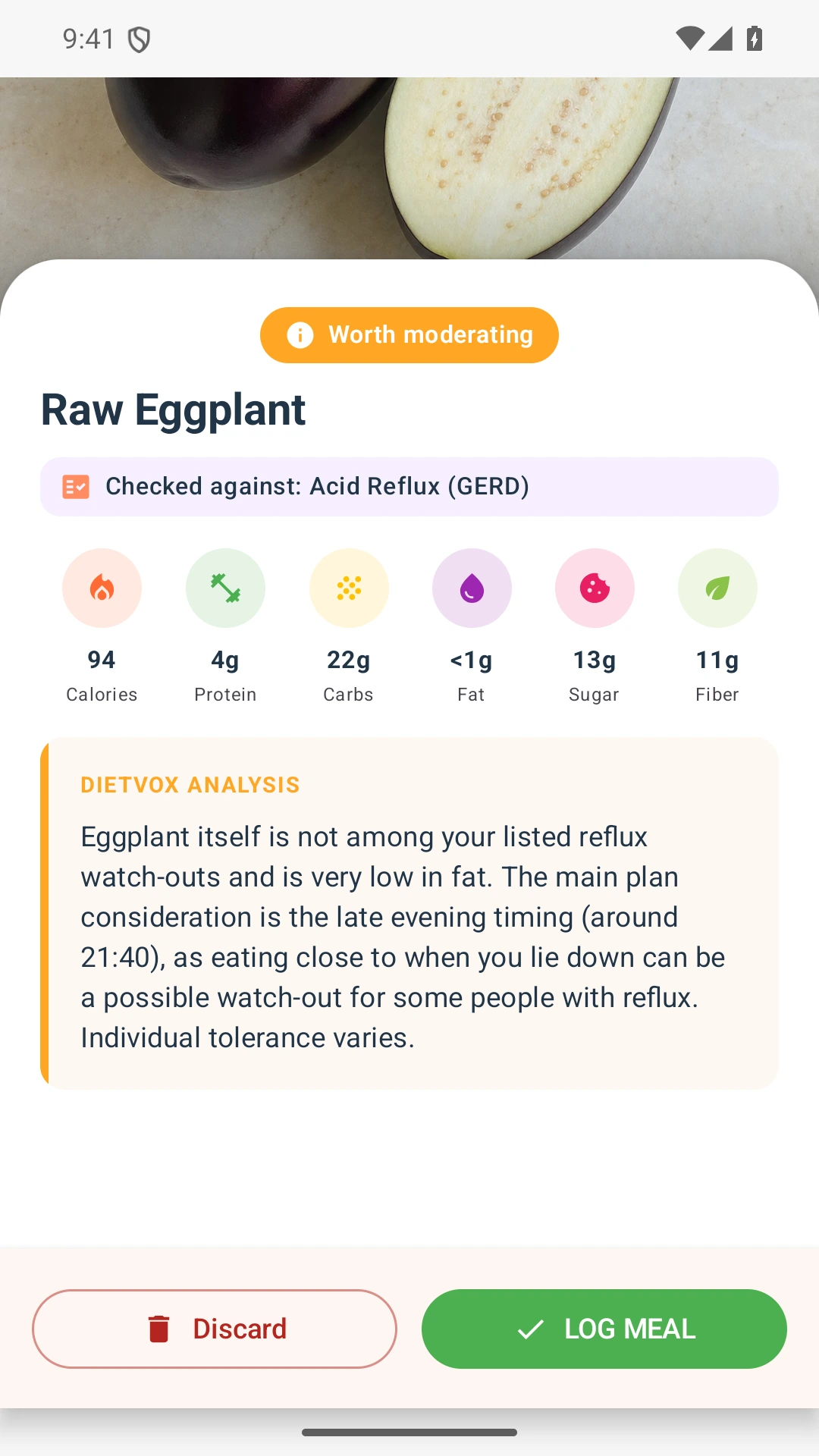
DietVox Rating: GREEN

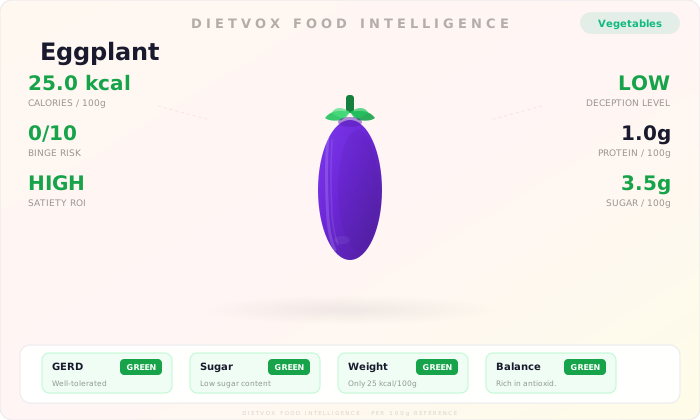
Verdict: Eggplant is rated GREEN for a Maintenance & Balance diet. This rating signifies that it is an excellent choice that can be consumed freely. Eggplant is a versatile and nutritious vegetable that aligns perfectly with the principles of long-term weight management and overall wellness. Its low calorie count, combined with a beneficial nutrient profile, makes it a strategic food for building satisfying meals without disrupting energy balance.

Eggplant's Role in a Maintenance & Balance Diet

Maintaining a stable weight requires a diet rich in foods that provide high nutritional value for a low caloric cost. Eggplant excels in this regard. According to the USDA, 100 grams of raw eggplant contains just 25 calories, making it a low-energy-density food USDA FoodData Central (FDC ID 169228). This allows you to include substantial portions in your meals, promoting feelings of fullness and satisfaction, which are crucial for preventing the overconsumption of calories that can lead to weight regain.

Macronutrient Profile for Weight Stability

A successful Maintenance & Balance diet focuses on a balanced intake of macronutrients. Eggplant's profile per 100g is highly supportive:

  • Carbohydrates: 5.9g
  • Protein: 1.0g
  • Fat: 0.2g

With minimal fat and a modest amount of carbohydrates, eggplant fits easily into a varied meal plan. The low protein content means it should be paired with a quality protein source—like chicken, fish, or legumes—to create a balanced meal that supports muscle maintenance and enhances satiety.

Micronutrients and Health-Protective Compounds

Beyond its macronutrient profile, eggplant delivers valuable micronutrients and bioactive compounds that support long-term health, a key goal of any maintenance phase.

  • Dietary Fibre: Eggplant provides 3.0g of dietary fibre per 100g. Fibre is essential for digestive health and plays a significant role in weight management. It slows digestion, which can help regulate blood sugar levels and prolong feelings of fullness after a meal MedlinePlus fiber overview. The NHS recommends a daily intake of 30g of fibre for adults to support overall health NHS.
  • Manganese: This essential mineral is involved in bone formation, metabolism, and protecting cells from oxidative damage NCBI Bookshelf manganese overview. A 100g serving of eggplant provides approximately 10% of the recommended daily value for manganese, contributing to your overall metabolic health.
  • Anthocyanins: The deep purple colour of eggplant skin comes from powerful antioxidant compounds called anthocyanins, particularly one named nasunin. Available sources suggest that anthocyanins have anti-inflammatory properties and may play a role in protecting the body's cells from damage caused by free radicals PubMed. Consuming the skin is therefore highly recommended to reap these benefits.

How to Incorporate Eggplant into Your Maintenance Plan

How you prepare eggplant is critical. Its spongy texture can absorb large amounts of oil, which can quickly turn a low-calorie vegetable into a high-calorie dish.

Healthy Cooking Methods

To keep eggplant aligned with your maintenance goals, focus on these cooking methods:

  • Roasting: Toss eggplant cubes or slices with a minimal amount of olive oil, herbs, and spices, then roast until tender and caramelised.
  • Grilling: Sliced eggplant planks are excellent on the grill, developing a smoky flavour with very little added fat.
  • Steaming: Steaming eggplant until soft is a traditional method in Asian cuisine, often served with a flavourful sauce made from soy, ginger, and garlic.
  • Baking: Use slices of baked eggplant in dishes like vegetable lasagne or moussaka as a substitute for pasta or higher-calorie ingredients.

Meal Ideas for a Balanced Plate

  • Baba Ghanoush: A creamy, flavourful dip made from roasted eggplant, tahini, lemon juice, and garlic. Serve with whole-grain crackers or raw vegetables.
  • Ratatouille: A classic vegetable stew featuring eggplant, zucchini, bell peppers, and tomatoes. It's a nutrient-dense dish that is both filling and low in calories.
  • Stir-fries and Curries: Add cubed eggplant to your favourite stir-fry or curry for extra bulk and nutrients. It absorbs flavours beautifully.

Common Questions and Considerations

The Nightshade Controversy: Inflammation and Eggplant

Eggplant belongs to the nightshade family of vegetables, which some people believe can trigger inflammation. However, for the vast majority of the population, there is no direct source support to support this claim. In fact, many nightshades are rich in anti-inflammatory compounds PubMed nightshade vegetables review. Unless you have a specific sensitivity or a condition like rheumatoid arthritis where you've noticed a personal link, there is no clinical reason to avoid nutritious vegetables like eggplant.

Health Forensics: A Closer Look at Eggplant

  • Calorie Density: LOW With only 25 kcal per 100g, eggplant's low calorie density is its greatest asset for weight maintenance. This allows for generous, visually satisfying portions that contribute to psychological and physiological fullness without overloading your daily energy budget. A diet based on low-energy-density foods is a core principle for sustainable weight management recommended by global health bodies WHO.
  • Satiety ROI: MEDIUM Eggplant offers a moderate return on investment for satiety. While its protein content is low, its combination of high water content and 3.0g of dietary fibre per 100g helps fill the stomach and slow down digestion. This sends fullness signals to the brain, helping to control appetite and prevent snacking between meals.
  • Tracking Difficulty: LOW For those who monitor their intake for maintenance, eggplant is easy to track. As a whole food, its caloric and macronutrient content is consistent and predictable. It can be easily weighed raw before cooking, allowing for accurate logging in food diaries or apps.

Disclaimer: This article is for informational purposes only and does not constitute medical advice. Always consult a healthcare provider before making changes to your diet, especially if you have a medical condition.

Scan your foods with the DietVox app to get personalized ratings based on your specific dietary needs and health goals.

Last reviewed: June 2026

How It Works

Why Eggplant is Rated GREEN

DietVox's GREEN rating for eggplant on a Maintenance & Balance diet is based on its strong alignment with the core principles of sustainable weight management and overall health. The source review points to three key factors:

  1. Extremely Low Calorie Density: At just 25 kcal per 100g, eggplant allows for the creation of large, satisfying meal portions with minimal caloric impact. This is fundamental to a maintenance strategy, as it helps manage overall energy intake without causing feelings of deprivation WHO. You can add significant bulk and texture to dishes, enhancing meal satisfaction and making it easier to adhere to your daily calorie targets.
  1. Beneficial Fibre Content: Each 100g serving contains 3.0g of dietary fibre. This fibre contributes to a moderate feeling of fullness (satiety), helps stabilize blood sugar levels, and supports a healthy digestive system MedlinePlus fiber overview. Consistent fibre intake is a key component of a diet that supports long-term health and weight stability.
  1. Rich in Micronutrients and Antioxidants: Beyond its low calorie count, eggplant is a source of important nutrients. It provides manganese, a mineral crucial for metabolism, and its vibrant purple skin is packed with anthocyanins. These compounds act as antioxidants, helping to protect the body's cells from oxidative stress, which is linked to chronic disease PubMed. This nutrient contribution makes eggplant a valuable addition to a diet focused not just on weight, but on overall wellness.

Scan any food. Get an instant RED/AMBER/GREEN rating.

DietVox analyses every food across 4 diet protocols — no guesswork.

Try DietVox Free →

Try These Instead

Safer alternatives that won't trigger your symptoms.

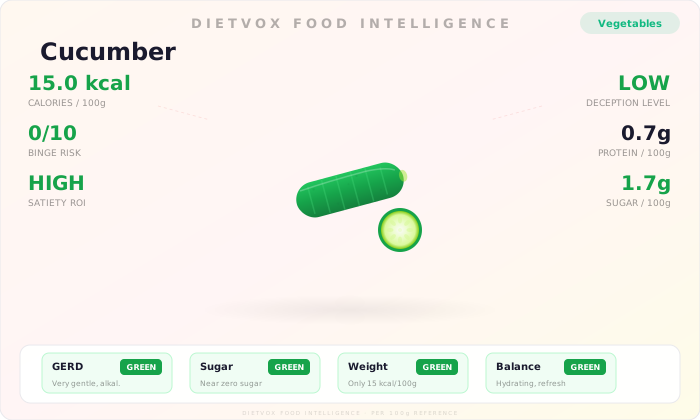
Cucumber illustration

Cucumber

15 kcal Vegetables
GREEN GERD
GREEN Sugar
GREEN Weight
GREEN Balance
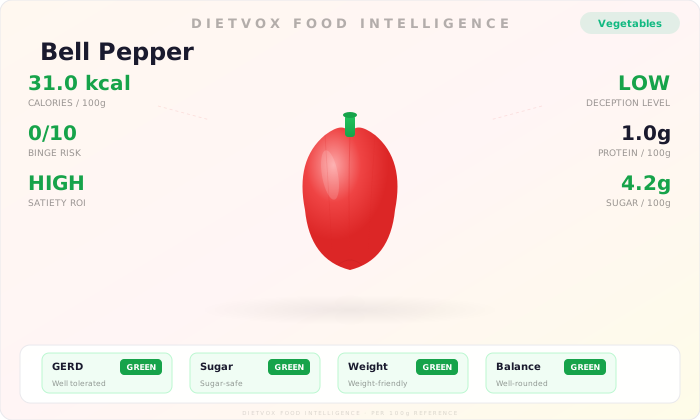
Bell Pepper illustration

Bell Pepper

31 kcal Vegetables
GREEN GERD
GREEN Sugar
GREEN Weight
GREEN Balance
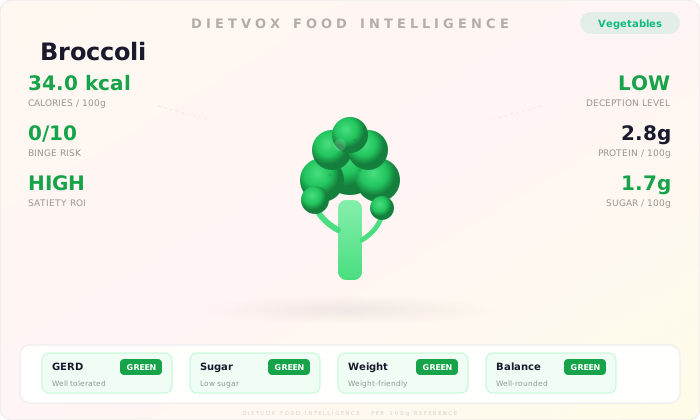
Broccoli illustration

Broccoli

34 kcal Vegetables
GREEN GERD
GREEN Sugar
GREEN Weight
GREEN Balance

Frequently Asked Questions

Is the skin of the eggplant nutritious?

Yes, the skin is highly nutritious and should be eaten. The deep purple skin of an eggplant is rich in an antioxidant called nasunin, a type of anthocyanin. Antioxidants help protect the body's cells from damage. The skin also contains a significant amount of the eggplant's total dietary fibre.

Does eggplant cause inflammation because it's a nightshade?

For most people, there is no direct source support that eggplant causes inflammation. While a small number of individuals with specific sensitivities or autoimmune conditions may find nightshades problematic, source review does not support avoiding them for the general population. In fact, eggplants contain anti-inflammatory compounds like anthocyanins PubMed nightshade vegetables review.

What are the healthiest ways to cook eggplant for a maintenance diet?

The healthiest methods are those that don't add significant amounts of fat or calories. Roasting, grilling, baking, and steaming are excellent choices. Avoid deep-frying, as eggplant's spongy texture absorbs a large quantity of oil, which can dramatically increase its calorie content and undermine your maintenance goals.

How does eggplant specifically support weight maintenance?

Eggplant supports weight maintenance primarily through its very low calorie density (25 kcal/100g) and moderate fibre content (3.0g/100g). This combination allows you to eat larger, more satisfying portions, which helps control hunger and overall calorie intake—a key strategy for preventing weight regain.

Related Reading