DietVox Rating: GREEN

Verdict: Spinach is rated GREEN for a Low Sugar Diet. This rating signifies that it is an excellent food choice, fully compatible with the goals of a diet focused on minimising sugar intake and managing blood glucose levels.

Many people adopting a health-conscious lifestyle, particularly those on ketogenic or low-sugar plans, frequently ask: is spinach low carb and low in sugar? The source-reviewed data provides a clear and resounding 'yes'. With a negligible sugar content and a wealth of micronutrients, spinach is a cornerstone vegetable for anyone looking to improve their metabolic health. A GREEN rating from DietVox means you can incorporate spinach generously into your meals without concern for its sugar impact.

Nutritional Profile: Spinach on a Low Sugar Diet

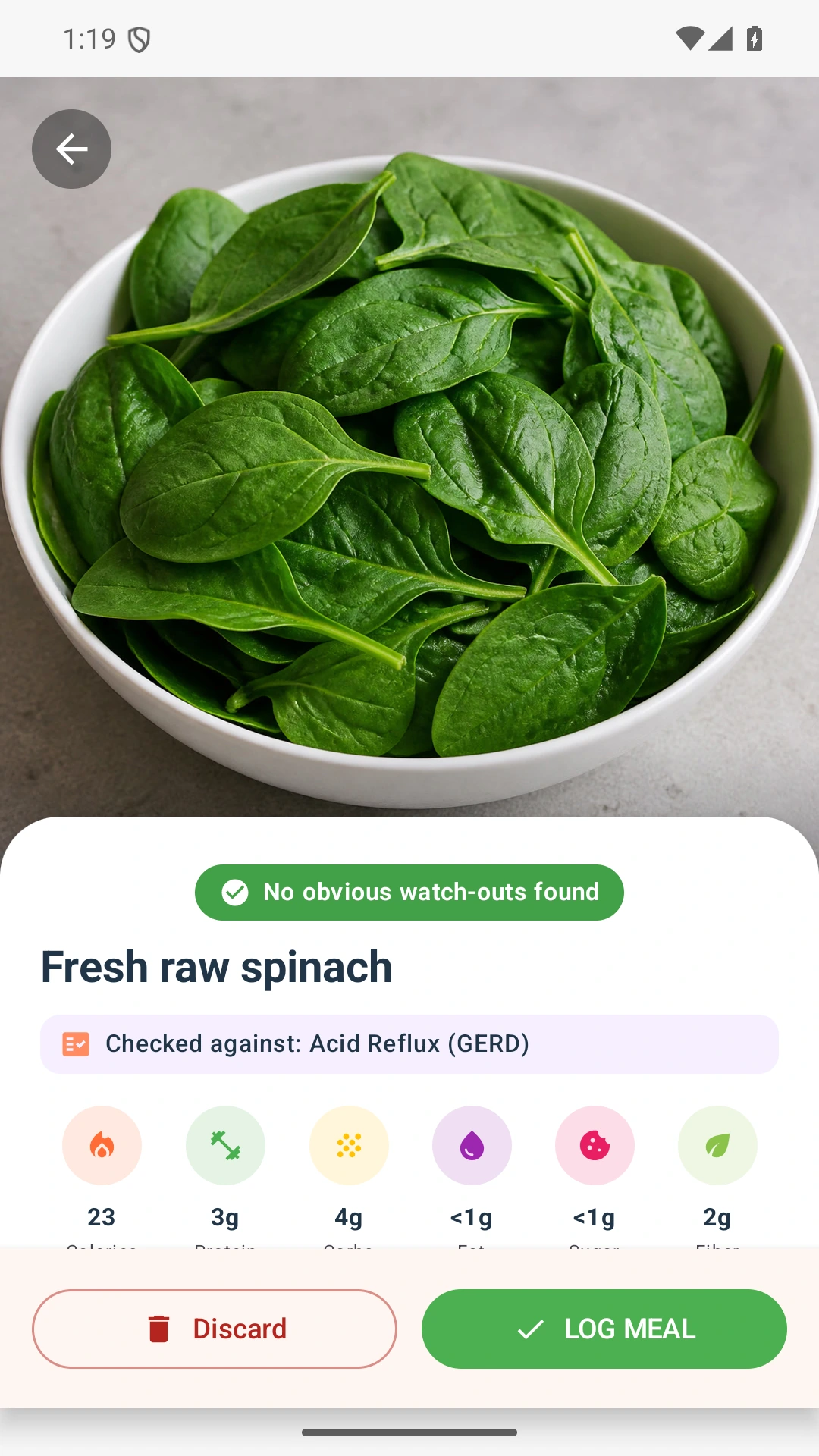
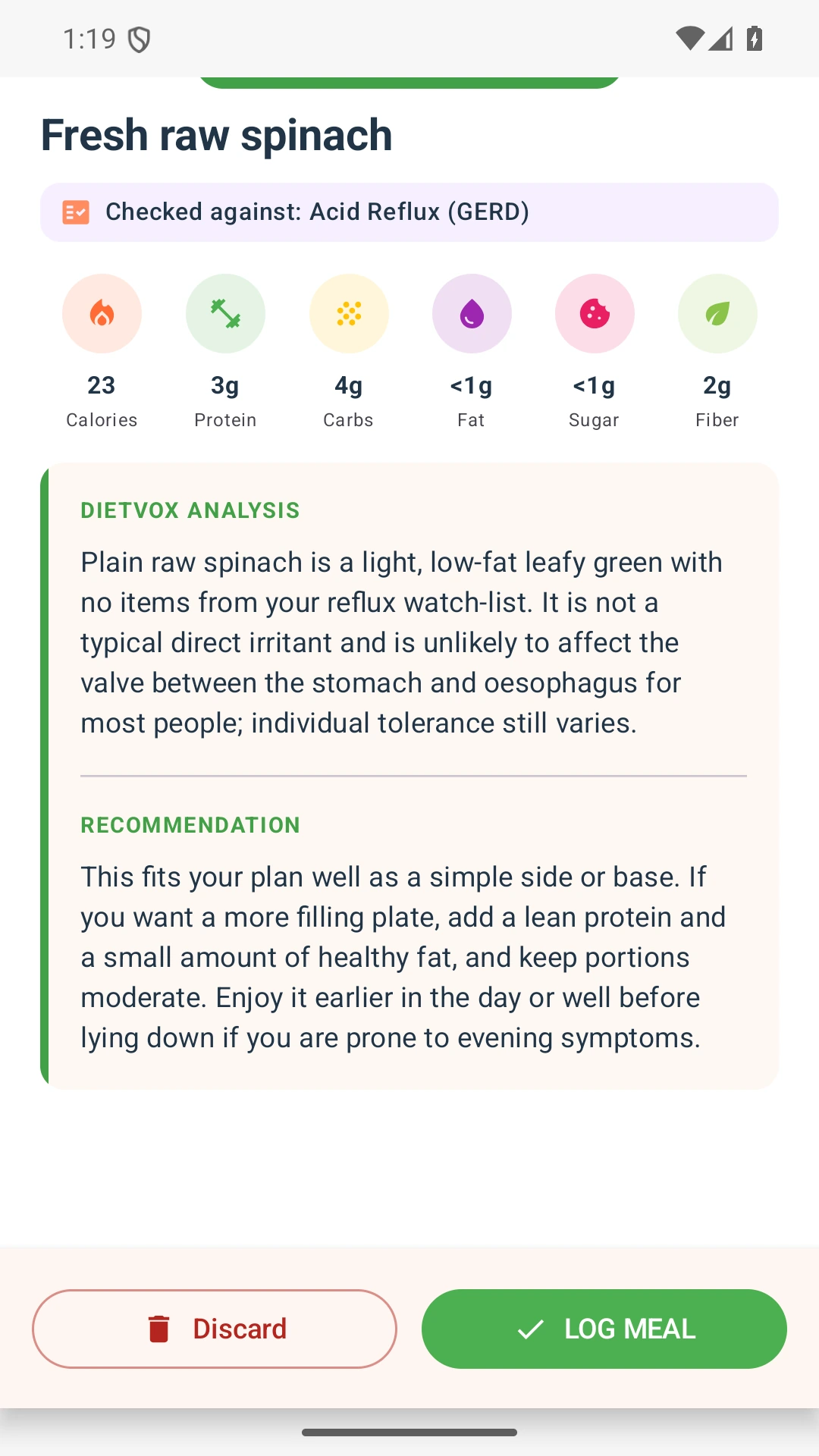
A detailed look at the nutritional composition of spinach reveals why it is so well-suited for a low-sugar eating plan. The data, primarily sourced from the USDA FoodData Central (FDC ID 168462), shows a profile that is low in calories, sugar, and fat, yet rich in essential nutrients.

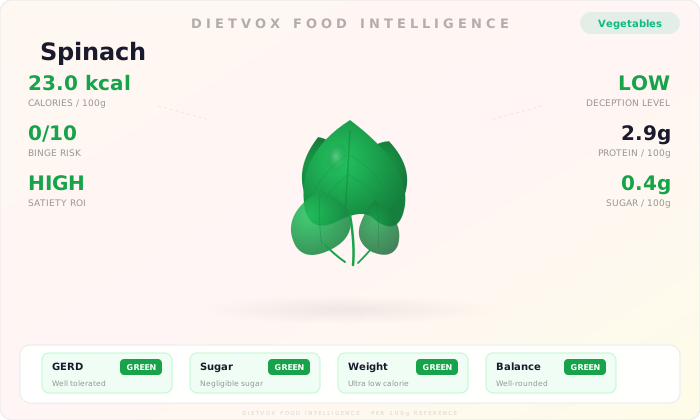
Macronutrient Breakdown (per 100g) * Total Carbohydrates: 3.6g * Sugars: 0.4g * Dietary Fibre: 2.2g * Protein: 2.9g * Fat: 0.4g

The most critical number for a Low Sugar Diet is, of course, the sugar content. At just 0.4 grams per 100g serving, spinach is one of the lowest-sugar vegetables available. This amount is trivial and poses no threat to blood sugar control. To put this in perspective, the World Health Organization (WHO) recommends limiting free sugar intake to less than 10% of total energy intake, which is about 50 grams for an average adult WHO. Spinach contributes virtually nothing to this limit.

Furthermore, of its 3.6 grams of total carbohydrates, 2.2 grams are dietary fibre. Fibre is a type of carbohydrate that the body cannot digest. It does not raise blood sugar levels and plays a crucial role in digestive health and blood sugar regulation. According to the MedlinePlus fiber overview, soluble fibre can slow the absorption of sugar, helping to improve blood glucose levels.

Key Micronutrients Beyond its excellent macronutrient profile, spinach is a powerhouse of vitamins and minerals that support overall health: * Vitamin K: Essential for blood clotting and bone health. * Vitamin A (from beta-carotene): Important for vision and immune function. * Vitamin C: A powerful antioxidant that supports the immune system. * Folate (Vitamin B9): Crucial for cell growth and metabolism MedlinePlus folic acid overview. * Iron: Necessary for creating haemoglobin, which carries oxygen in the blood. * Potassium: Helps to regulate fluid balance and blood pressure NHS.

This nutrient density makes spinach a valuable addition to any diet, ensuring you receive vital micronutrients without the metabolic cost of sugar.

Health Forensics: Spinach's Role in a Low Sugar Lifestyle Our Health Forensics analysis evaluates foods on practical metrics that matter for dietary success. Spinach scores exceptionally well.

  • Calorie Density: LOW With only 23 kcal per 100g, spinach has a very low calorie density. This means you can consume a large, satisfying volume of spinach, filling your plate and your stomach without a significant caloric impact. This is highly beneficial for weight management, a common goal for individuals on a Low Sugar Diet.
  • Satiety ROI: MEDIUM Satiety Return on Investment (ROI) measures how full a food makes you feel relative to its calories. Spinach provides a moderate level of satiety due to its 2.9g of protein and 2.2g of fibre. This combination helps to promote feelings of fullness, which can reduce overall calorie intake and prevent snacking on less healthy, higher-sugar foods.
  • Tracking Difficulty: LOW Whether fresh, frozen, or canned (without added sugar), spinach is easy to measure and track. Its nutritional information is consistent and widely available, making it simple to log in food diaries or apps, ensuring you maintain control over your dietary goals.

Why This Matters: Spinach, Blood Sugar, and Metabolic Health The benefits of including spinach and other leafy greens in a diet are well-supported by source review.

Spinach has a very low Glycemic Index (GI) and Glycemic Load (GL). The GI is a measure of how quickly a food causes our blood sugar levels to rise. Because spinach is so low in digestible carbohydrates, its GI is estimated to be near zero, meaning it has a negligible effect on blood glucose International glycemic index tables review. This makes it an ideal food for maintaining stable energy levels and for individuals managing conditions like insulin resistance or type 2 diabetes.

A systematic review and meta-analysis listed in the BMJ found that a higher intake of green leafy vegetables was associated with a significant reduction in the risk of type 2 diabetes PubMed. The authors suggested that the high concentration of antioxidants and magnesium in leafy greens may contribute to these protective effects.

Practical Tips for Incorporating Spinach into a Low Sugar Diet Integrating spinach into your daily meals is simple and versatile.

  • Breakfast: Add a handful of fresh spinach to omelettes, scrambles, or blend it into a green smoothie with a low-sugar protein powder and a small amount of berries.
  • Lunch: Use fresh baby spinach as the base for a large salad. Top it with a source of lean protein like grilled chicken or chickpeas, and use a simple vinaigrette made from olive oil and vinegar instead of a sugary store-bought dressing.
  • Dinner: Sauté spinach with garlic and a touch of olive oil for a quick and nutritious side dish. You can also wilt it into soups, stews, curries, and pasta sauces to boost their nutritional value without altering the flavour profile significantly.
  • Raw vs. Cooked: Both forms are excellent. Raw spinach is great for salads and retains more water-soluble Vitamin C. Cooking spinach can break down cell walls, potentially making some nutrients like iron and beta-carotene more bioavailable.

Potential Considerations and Misconceptions While spinach is overwhelmingly healthy, there are a few points to consider.

  • Misconception: "Frozen spinach is not as healthy as fresh." This is false. Spinach is typically flash-frozen shortly after harvesting, which locks in most of its nutrients. Frozen spinach is a convenient and cost-effective option that is nutritionally comparable to fresh USDA FoodData Central. Just be sure to choose plain frozen spinach without added sauces or salt.
  • Oxalates Content: Spinach is high in oxalates, natural compounds that can bind with calcium and may contribute to the formation of kidney stones in susceptible individuals. For the general population, this is not a concern. However, those with a history of oxalate kidney stones may need to moderate their intake and should consult a healthcare provider NIDDK kidney stone diet guidance.
  • Vitamin K and Blood Thinners: Spinach is a rich source of Vitamin K, which plays a key role in blood clotting. Individuals taking anticoagulant medications like warfarin need to maintain a consistent intake of Vitamin K to ensure their medication works effectively. It is crucial for these individuals to speak with their doctor or a registered dietitian about managing their intake of spinach and other leafy greens NHS.

Disclaimer: This article is for informational purposes only and does not constitute medical advice. Always consult a healthcare provider before making changes to your diet, especially if you have a medical condition.

Scan your foods with the DietVox app to get personalized ratings based on your specific dietary needs and health goals.

Last reviewed: June 2026

How It Works

Why Spinach is Rated GREEN

Spinach earns its GREEN rating for a Low Sugar Diet based on four key rating factors:

  1. Extremely Low Sugar Content: With only 0.4g of sugar per 100g, spinach is one of the lowest-sugar foods you can eat. This negligible amount has no meaningful impact on blood glucose levels.
  1. Low Net Carbohydrates: The total carbohydrate count is a low 3.6g per 100g. Crucially, over 60% of these carbs (2.2g) come from dietary fibre, which does not raise blood sugar. This results in a minimal 'net carb' load.
  1. Minimal Glycemic Impact: Due to its low digestible carbohydrate and high fibre content, spinach has a very low Glycemic Index (GI) and Glycemic Load (GL). It is digested slowly and does not cause the rapid blood sugar spikes that a Low Sugar Diet aims to prevent.
  1. High Nutrient Density: Spinach provides a wealth of essential vitamins and minerals, such as iron, potassium, and folate, without any associated sugar. This allows you to meet your micronutrient needs while strictly adhering to a low-sugar protocol, supporting overall health and well-being.

Scan any food. Get an instant RED/AMBER/GREEN rating.

DietVox analyses every food across 4 diet protocols — no guesswork.

Try DietVox Free →

Try These Instead

Safer alternatives that won't trigger your symptoms.

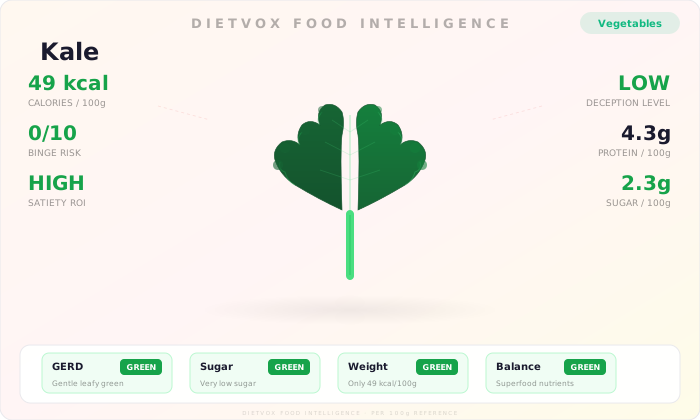
Kale illustration

Kale

49 kcal Vegetables
GREEN GERD
GREEN Sugar
GREEN Weight
GREEN Balance
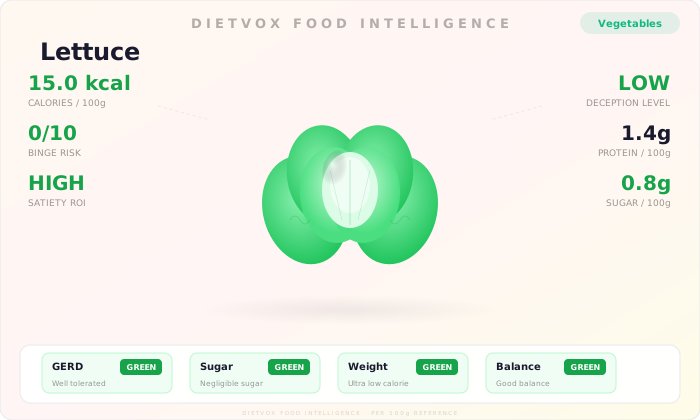
Lettuce illustration

Lettuce

15 kcal Vegetables
GREEN GERD
GREEN Sugar
GREEN Weight
GREEN Balance
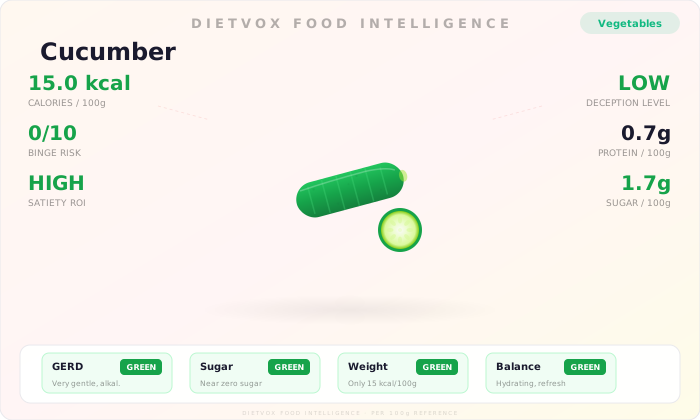
Cucumber illustration

Cucumber

15 kcal Vegetables
GREEN GERD
GREEN Sugar
GREEN Weight
GREEN Balance
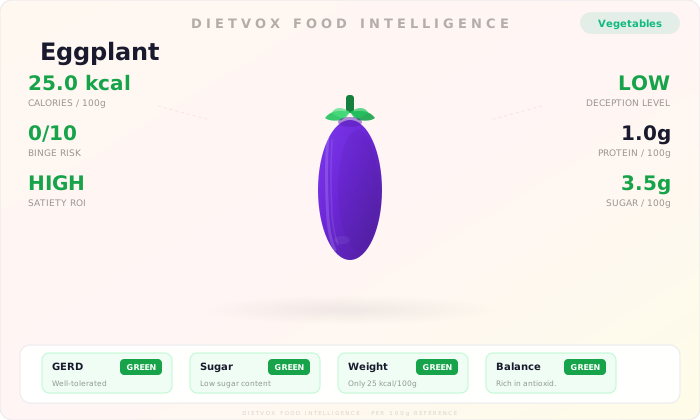
Eggplant illustration

Eggplant

25 kcal Vegetables
GREEN GERD
GREEN Sugar
GREEN Weight
GREEN Balance

Frequently Asked Questions

Does cooking spinach increase its sugar content?

No, cooking does not create or add sugar to spinach. The total amount of sugar remains the same. However, since cooking reduces the water content and volume of spinach, the concentration of all nutrients, including sugar, will be higher per gram in cooked spinach compared to raw spinach. The overall impact on a low-sugar diet remains negligible.

Is spinach keto-friendly?

Yes, spinach is extremely keto-friendly. The ketogenic diet is a very strict low-carbohydrate, low-sugar diet. With only 1.4g of net carbs (3.6g total carbs minus 2.2g fibre) per 100g, spinach fits easily into the daily carb limits of a ketogenic diet.

Can I eat spinach every day on a low-sugar diet?

For most people, eating spinach daily is a very healthy practice within a low-sugar diet. However, if you have a history of oxalate-based kidney stones or are taking blood-thinning medication like warfarin, you should consult your healthcare provider to determine a safe and consistent intake level, as spinach is high in both oxalates and Vitamin K.

What's the difference between baby spinach and regular spinach for a low-sugar diet?

From a low-sugar perspective, there is no significant difference. Both baby and mature spinach have virtually identical and negligible amounts of sugar and carbohydrates. The main differences are in taste and texture: baby spinach is more tender with a milder flavour, making it ideal for salads, while mature spinach has a more robust flavour and sturdier leaves, which hold up well to cooking.

Related Reading