DietVox Rating: GREEN

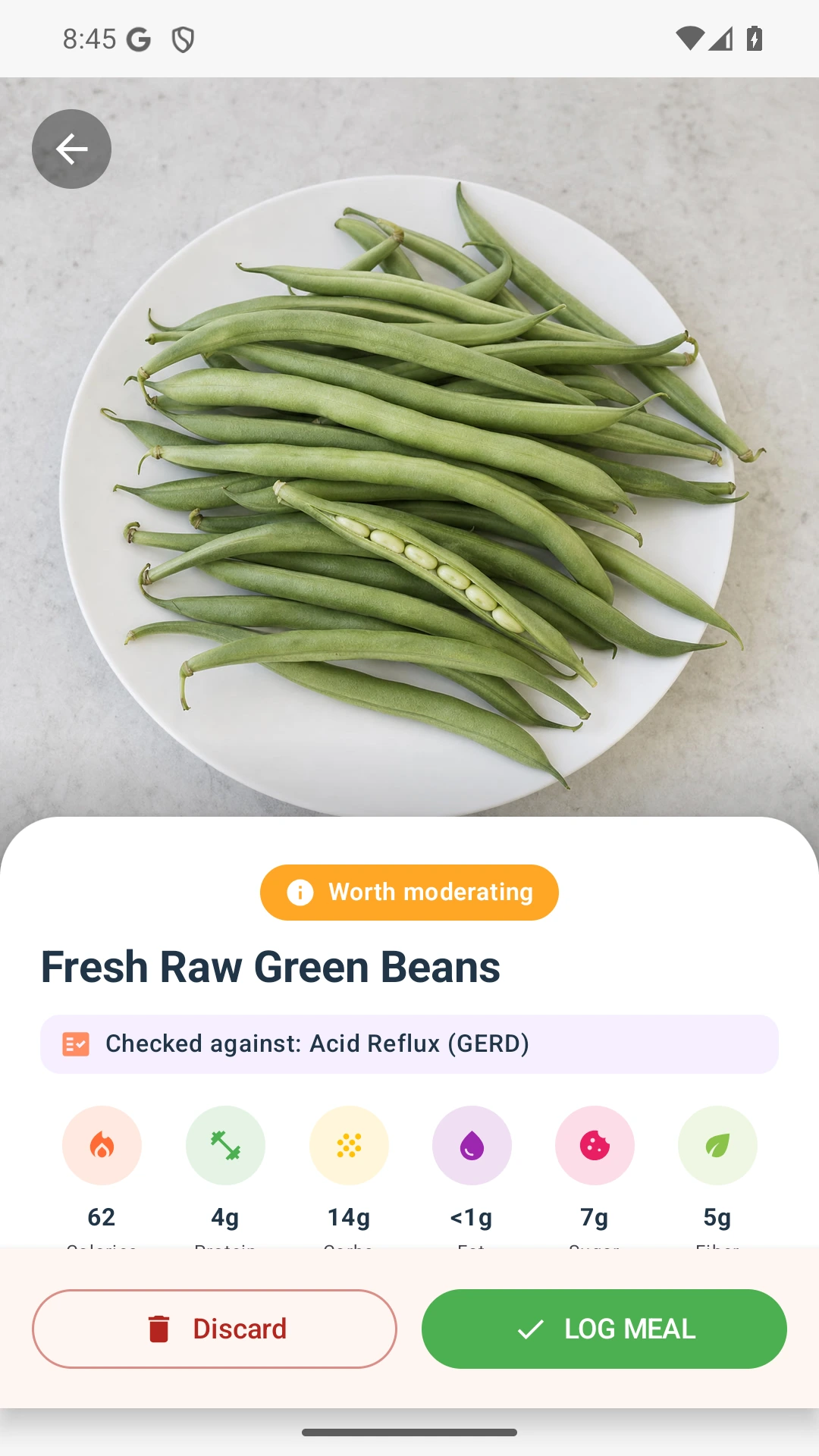
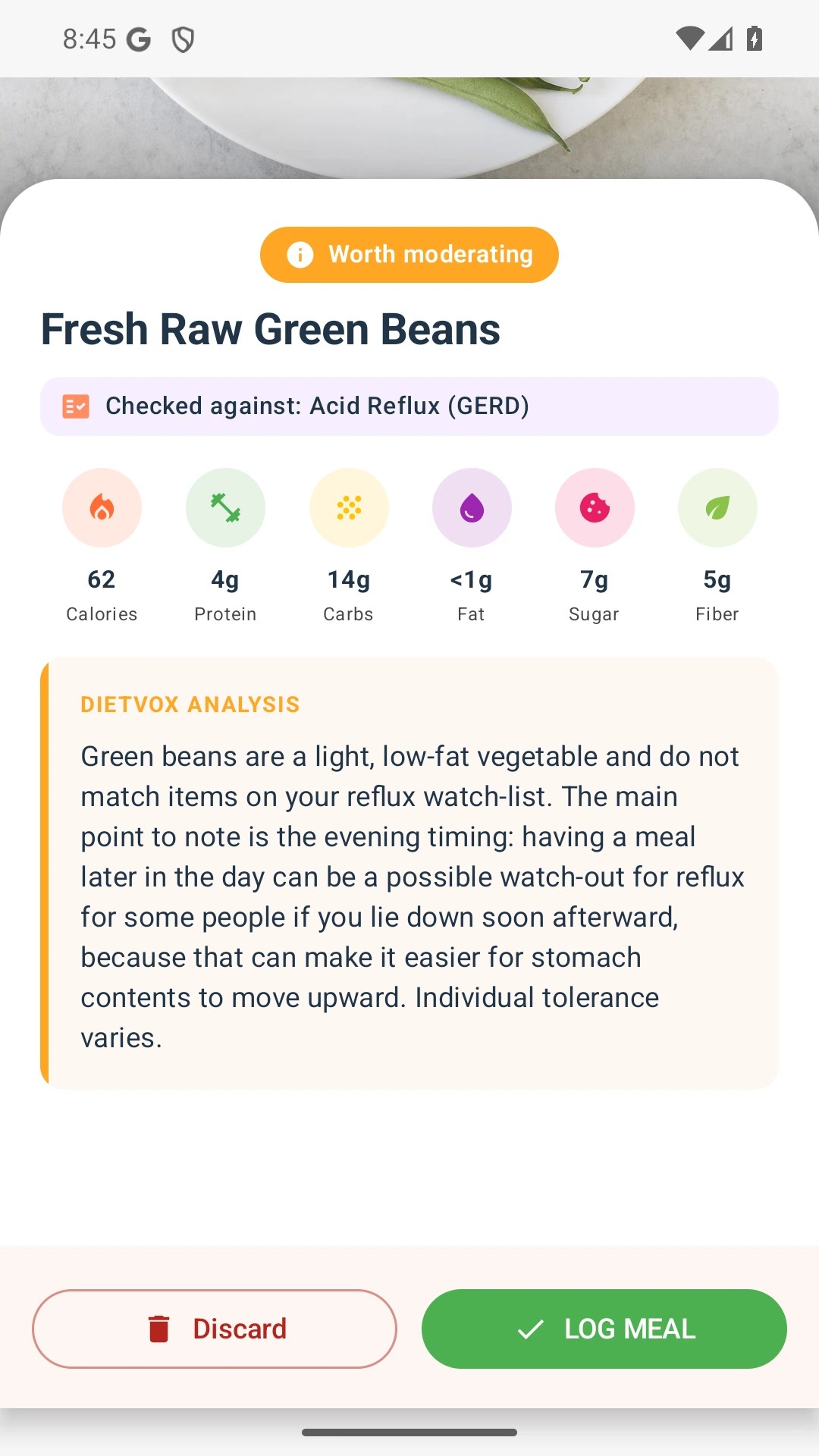
For individuals managing Gastroesophageal Reflux Disease (GERD), finding safe, nutritious, and satisfying foods is paramount. Our analysis concludes that Green Beans are a GREEN-rated food for a GERD diet. This rating signifies that they are highly unlikely to trigger reflux symptoms and can be safely incorporated into a regular eating plan. The source support surrounding green beans and acid reflux points to them being one of the most reliable vegetable choices, primarily due to their low acidity, low fat content, and beneficial fibre.

This article provides a comprehensive clinical breakdown of why green beans earn this rating. We will explore their nutritional profile in the context of GERD management, discuss the underlying mechanisms that make them a safe choice, and offer practical advice on how to prepare and enjoy them without aggravating your symptoms.

Health Forensics: Green Beans on the GERD Diet

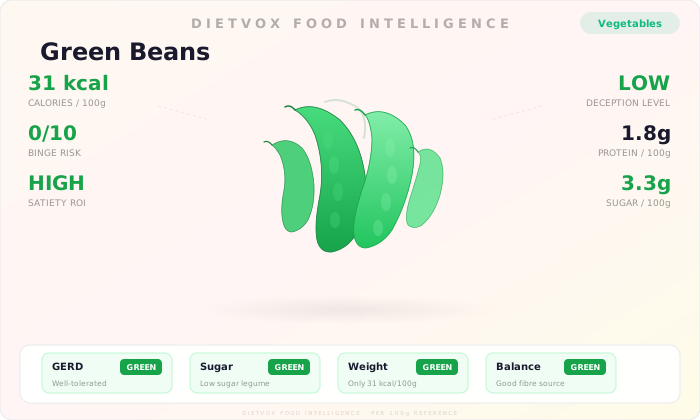
  • Calorie Density: LOW. At just 31 calories per 100g, green beans allow for generous, filling portions without a high caloric load USDA FoodData Central (FDC ID 170387). Maintaining a healthy weight is a key recommendation for managing GERD, as excess weight can increase pressure on the abdomen and the lower esophageal sphincter (LES) NHS.
  • Satiety ROI: MEDIUM. With 1.8g of protein and 3.4g of dietary fibre per 100g, green beans provide a moderate level of fullness. This helps prevent overeating, a common trigger for reflux episodes where a full stomach exerts pressure on the LES American College of Gastroenterology acid reflux guidance.
  • Tracking Difficulty: LOW. Green beans are simple to weigh and measure, whether fresh, frozen, or canned. Their consistent nutritional profile makes them easy to log accurately in a food diary, simplifying dietary management for GERD.

Why This Matters: Why Green Beans are Safe for GERD

The safety of green beans for individuals with acid reflux is supported by their fundamental nutritional and chemical properties. health guidance for GERD consistently advise a diet rich in vegetables and fibre while limiting acidic foods and fats. Green beans align perfectly with these recommendations.

Low Acidity Profile One of the primary dietary strategies for managing GERD is to avoid acidic foods that can irritate an already-inflamed esophagus or further lower the pH of stomach contents. Green beans are a non-acidic (alkaline-forming) vegetable. Unlike trigger foods such as tomatoes or citrus fruits, they do not contribute to the acidic load in the stomach, making them a gentle choice for the digestive system Harvard Health Publishing.

Extremely Low Fat Content Dietary fat is a well-documented trigger for GERD symptoms. High-fat meals can delay gastric emptying and relax the lower esophageal sphincter (LES), the muscular valve that prevents stomach acid from flowing back into the esophagus American College of Gastroenterology. Green beans contain a negligible amount of fat—just 0.1g per 100g, with no saturated fat USDA FoodData Central (FDC ID 170387). This makes them an ideal component of a low-fat meal plan designed to minimize reflux risk.

Rich in Dietary Fibre Dietary guidelines from organizations like the World Health Organization emphasize the importance of fibre for overall digestive health. source reviews have suggested a potential inverse relationship between fibre intake and GERD risk. A 2018 systematic review listed in the World Journal of Gastroenterology found that increased fibre intake may help reduce reflux symptoms PubMed / NIH. The 3.4g of fibre in a 100g serving of green beans contributes to regular bowel movements and promotes a healthy gut microbiome, which can indirectly support better digestive function and potentially reduce reflux episodes.

Practical Tips for Eating Green Beans with GERD

While green beans are inherently safe for a GERD diet, the method of preparation is critical. Adding high-fat or acidic ingredients can easily turn this safe food into a symptom trigger.

Best Cooking Methods - Steaming: This is arguably the best method. It preserves nutrients without adding any fat. Steamed green beans can be eaten plain or with a pinch of salt. - Boiling: Simple and effective. Be careful not to overcook, which can reduce their nutritional value. - Roasting: Use a minimal amount of a GERD-friendly oil, like olive oil (in moderation). Roast on a baking sheet until tender-crisp. - Sautéing (with care): Use a small amount of water, broth, or a tiny bit of suitable oil over medium heat. Avoid high heat and excessive oil.

Ingredients and Seasonings to Avoid Many common additions to green beans are known GERD triggers. Be mindful to avoid: - Garlic and Onions: Both are classic reflux triggers for many people. - Butter and Creamy Sauces: The high fat content can relax the LES. - Spicy Seasonings: Ingredients like black pepper, chili powder, or cayenne can irritate the esophagus. - Tomatoes or Tomato Sauce: These are highly acidic and a common cause of heartburn. - Vinegar or Lemon Juice: Adding acidic dressings will negate the low-acid benefit of the green beans.

GERD-Friendly Pairing Ideas - Serve alongside lean proteins like grilled chicken breast, baked fish, or turkey. - Pair with whole grains such as brown rice or quinoa. - Mix with other safe vegetables like carrots, broccoli, or asparagus. - For flavour, use fresh, non-triggering herbs like parsley, basil, or dill.

Summary: The DietVox Verdict

Green beans are unequivocally a GREEN food for the GERD (Acid Reflux) Diet. Their low-acid, low-fat, and moderate-fibre profile aligns perfectly with established dietary guidelines for managing reflux symptoms. They are versatile, nutritious, and easy to prepare in ways that support digestive comfort. By focusing on simple cooking methods and avoiding common trigger ingredients, green beans can be a safe and valuable staple in your GERD-friendly eating plan.


Disclaimer: This article is for informational purposes only and does not constitute medical advice. Always consult a healthcare provider before making changes to your diet, especially if you have a medical condition.

Scan your foods with the DietVox app to get personalized ratings based on your specific dietary needs and health goals.

Last reviewed: June 2026

How It Works

Why Green Beans are Rated GREEN

Green beans earn a GREEN rating for the GERD diet due to a combination of three key biochemical and nutritional properties that directly counteract common reflux triggers.

  1. Low Acidity: Green beans are a non-acidic vegetable. The pH of food is a critical factor in managing GERD. Acidic foods can lower the overall pH of the stomach's contents, making any potential reflux more corrosive and irritating to the esophageal lining Harvard Health Publishing. By choosing low-acid foods like green beans, you avoid introducing excess acid into your digestive system.
  1. Negligible Fat Content: High-fat foods are a primary trigger for GERD. Fat slows down the rate at which the stomach empties its contents into the small intestine. This prolonged stomach distension increases the likelihood of reflux. Furthermore, fat intake can decrease the pressure of the lower esophageal sphincter (LES), weakening the barrier that prevents acid from escaping the stomach American College of Gastroenterology acid reflux guidance. With only 0.1g of fat per 100g, green beans have virtually no impact on this mechanism.
  1. Beneficial Fibre Content: The 3.4g of dietary fibre per 100g serving promotes digestive regularity and efficiency USDA FoodData Central (FDC ID 170387). A well-functioning digestive system with regular motility is less prone to issues like bloating and delayed stomach emptying, both of which can contribute to reflux pressure. Some sources suggest that fibre may help protect against GERD, although the exact mechanism is still under investigation PubMed / NIH.

Scan any food. Get an instant RED/AMBER/GREEN rating.

DietVox analyses every food across 4 diet protocols — no guesswork.

Try DietVox Free →

Try These Instead

Safer alternatives that won't trigger your symptoms.

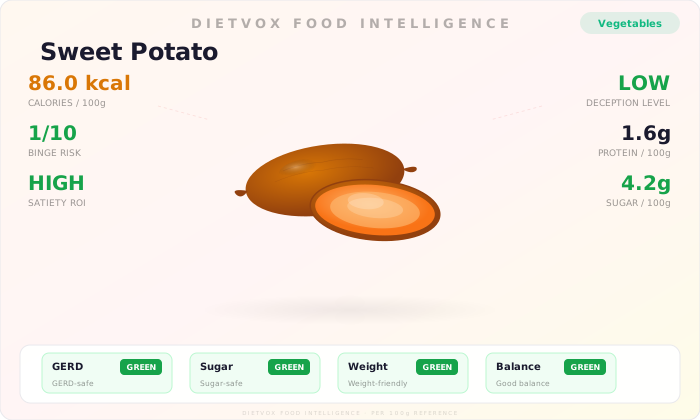
Sweet Potato illustration

Sweet Potato

86 kcal Vegetables
GREEN GERD
GREEN Sugar
AMBER Weight
GREEN Balance
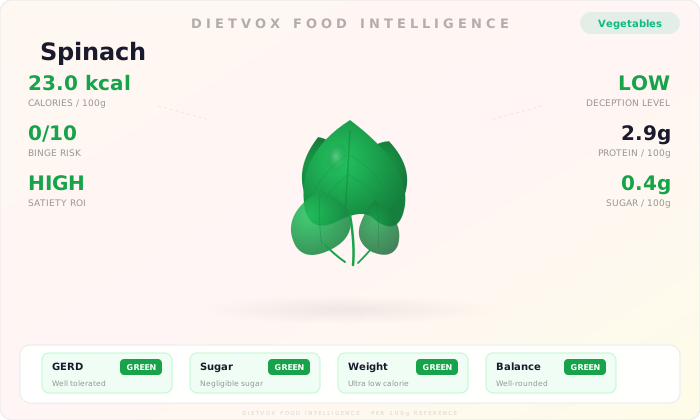
Spinach illustration

Spinach

23 kcal Vegetables
GREEN GERD
GREEN Sugar
GREEN Weight
GREEN Balance
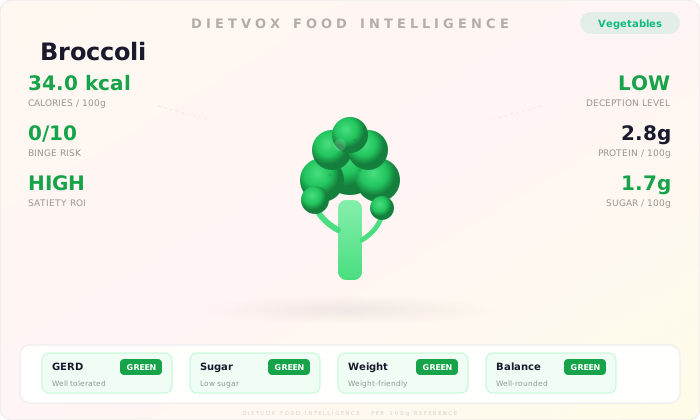
Broccoli illustration

Broccoli

34 kcal Vegetables
GREEN GERD
GREEN Sugar
GREEN Weight
GREEN Balance
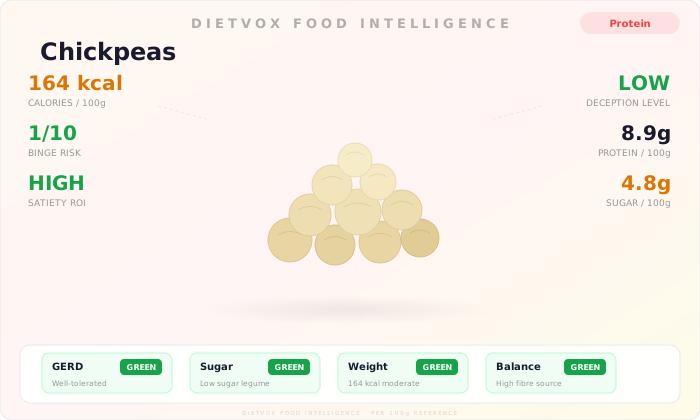
Chickpeas illustration

Chickpeas

164 kcal Protein
GREEN GERD
GREEN Sugar
GREEN Weight
GREEN Balance

Frequently Asked Questions

How should I cook green beans to avoid triggering my acid reflux?

The best cooking methods for green beans on a GERD diet are steaming, boiling, or roasting with minimal oil. These methods do not add fat, which is a known reflux trigger. Avoid frying or sautéing with large amounts of butter or oil, and steer clear of creamy or tomato-based sauces.

Are canned or frozen green beans as good as fresh for a GERD diet?

Yes, both frozen and canned green beans can be excellent choices. Frozen green beans are often nutritionally equivalent to fresh. For canned green beans, opt for varieties with 'no salt added' or 'low sodium,' as high sodium intake is not ideal for overall health. Always rinse canned beans to remove excess sodium before cooking.

What spices and seasonings are safe to use on green beans for acid reflux?

While green beans themselves are safe, many common seasonings are not. Avoid garlic, onion, black pepper, and chili powders. Instead, season your green beans with fresh, non-acidic herbs like basil, parsley, dill, or tarragon. A small pinch of salt is generally well-tolerated.

Can eating a lot of green beans cure my GERD?

No, while green beans are a safe and recommended food, no single food can cure GERD. GERD is a complex medical condition, and management typically involves a combination of dietary changes, lifestyle modifications, and sometimes medication, as advised by a healthcare professional. Incorporating safe foods like green beans is a key part of a comprehensive management strategy.

Related Reading