DietVox Rating: GREEN

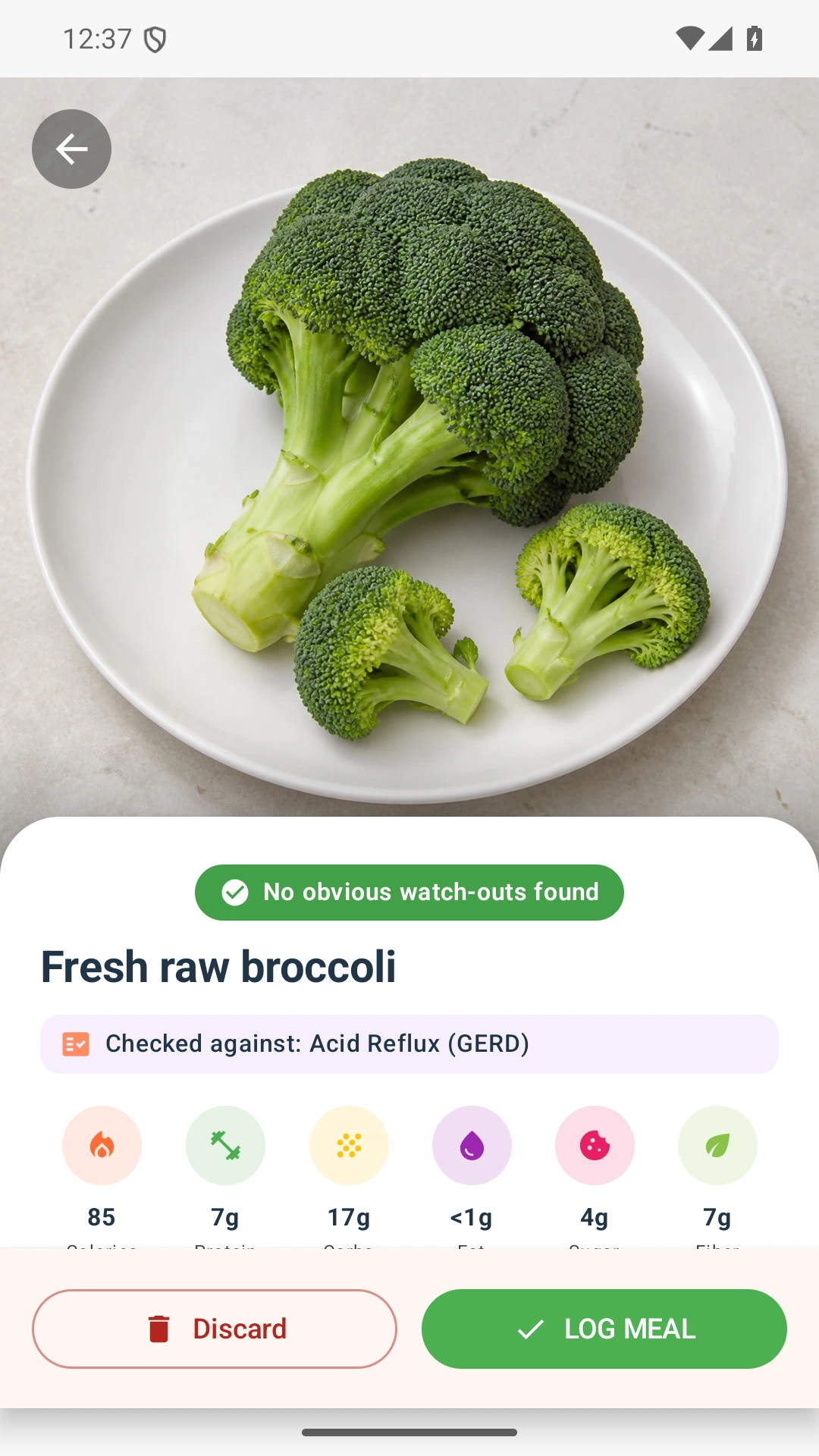
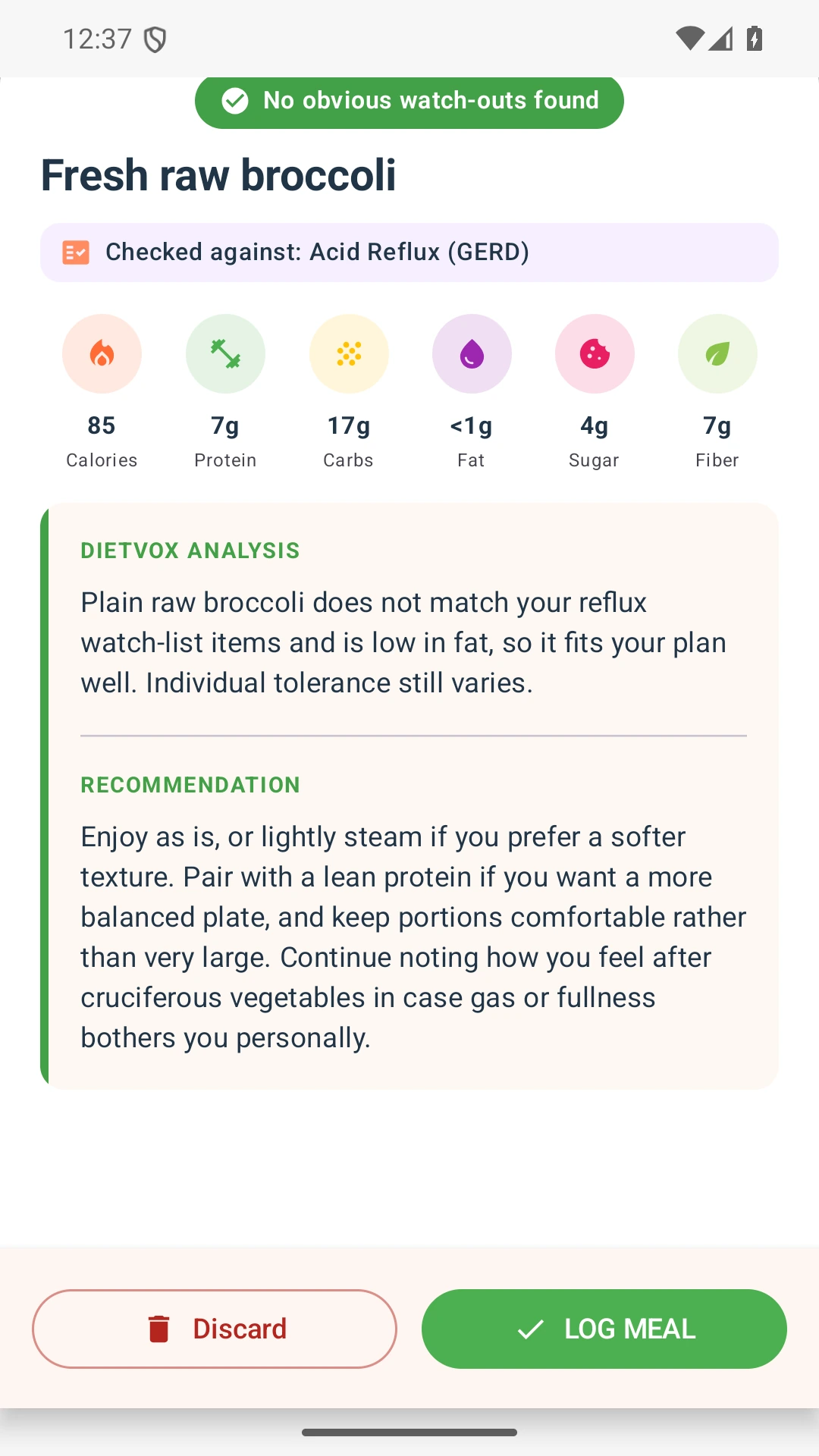
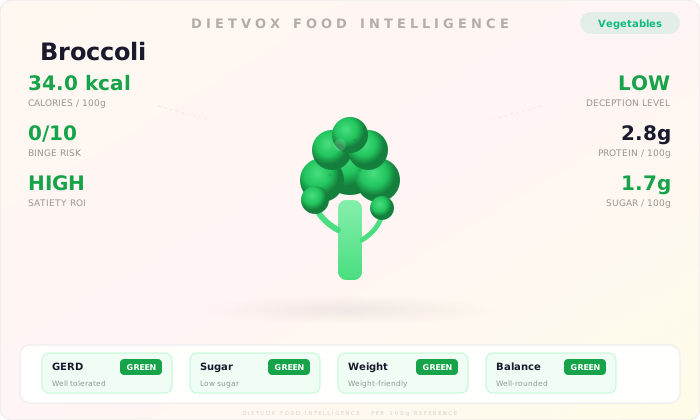
For individuals managing Gastroesophageal Reflux Disease (GERD), the question is broccoli good for gerd is a common and important one. DietVox rates broccoli as GREEN, indicating it is a safe and often beneficial food for a GERD (Acid Reflux) Diet. This rating is based on its favourable nutritional profile, low acidity, and other properties that align with established dietary guidelines for managing reflux symptoms.

Broccoli is a non-citrus, low-fat vegetable that can be easily incorporated into a GERD-friendly eating plan. Unlike common trigger foods that are acidic, fatty, or spicy, broccoli possesses characteristics that may help soothe, rather than aggravate, the digestive system. This article provides a comprehensive clinical analysis of why broccoli earns a GREEN rating and offers practical guidance for including it in your diet.

The Nutritional Profile of Broccoli in the Context of GERD

Understanding the nutritional composition of broccoli is key to appreciating its role in a GERD diet. Per 100 grams, broccoli contains approximately 34 calories, 2.8g of protein, 0.4g of fat, and 7.0g of carbohydrates USDA FoodData Central (FDC ID 170379).

Key aspects relevant to GERD management include:

  • Low Calorie Density: At just 34 kcal per 100g, broccoli has a low calorie density. This allows for generous portion sizes that promote satiety without contributing excessive calories. Maintaining a healthy weight is a primary lifestyle recommendation for reducing GERD symptoms, as excess weight can increase pressure on the abdomen and the lower esophageal sphincter (LES) NHS.
  • Extremely Low Fat Content: High-fat meals are a well-documented trigger for acid reflux. They can delay stomach emptying and relax the LES, allowing stomach acid to flow back into the esophagus American College of Gastroenterology acid reflux guidance. With only 0.4g of fat per 100g, broccoli is an excellent low-fat choice that avoids this common pitfall.
  • Moderate Fibre: Broccoli provides 2.6g of dietary fibre per 100g. A high-fibre diet is associated with improved digestive health and may reduce the risk of GERD symptoms. Fibre aids in regular bowel movements and promotes a feeling of fullness, which can help prevent overeating—another significant reflux trigger PubMed / NIH.

Practical Tips for Eating Broccoli on a GERD Diet

While broccoli is a GERD-friendly food, its preparation method is crucial. The wrong cooking techniques or additions can turn a safe food into a potential trigger.

Best Cooking Methods To keep broccoli GERD-friendly, focus on low-fat cooking methods:

  • Steaming: This is arguably the best method. It softens the fibres, making the broccoli easier to digest, and requires no added fats.
  • Boiling: Similar to steaming, boiling is a simple, fat-free way to prepare broccoli.
  • Roasting: Roasting can bring out a pleasant flavour, but it's important to use oil sparingly. A light toss in a small amount of olive oil is generally well-tolerated.
  • Sautéing: Use a minimal amount of oil or a splash of water or broth to prevent sticking.

Avoid frying broccoli or smothering it in high-fat sauces like cheese, hollandaise, or creamy dressings. These additions introduce significant amounts of fat, which can trigger reflux symptoms.

Portion Sizes and Potential for Bloating Broccoli is a cruciferous vegetable, and for some individuals, it can cause gas and bloating. This is due to its content of raffinose, a complex sugar that humans have difficulty digesting. Increased abdominal pressure from bloating can sometimes exacerbate reflux symptoms.

If you are sensitive, it is advisable to: 1. Start with small portions: Begin with a half-cup serving to see how your body tolerates it. 2. Cook it thoroughly: Well-cooked broccoli is easier to digest than raw or lightly cooked broccoli. 3. Stay hydrated: Drinking plenty of water can help manage the effects of dietary fibre.

Common Misconceptions about Vegetables and GERD

Myth: All vegetables are safe for GERD. Fact: While many vegetables are excellent choices, some are common triggers. Tomatoes and tomato-based products are highly acidic. Onions and garlic, particularly when raw, can relax the LES and trigger heartburn in many people American College of Gastroenterology. It's essential to identify your personal triggers.

Myth: Raw broccoli is healthier, so it must be better for GERD. Fact: While raw broccoli retains slightly more of certain heat-sensitive nutrients like Vitamin C, it can be much harder to digest. The tough fibres can lead to gas and bloating, which may worsen GERD symptoms for some. For the purpose of managing GERD, cooked broccoli is often the safer and better-tolerated option.


Disclaimer: This article is for informational purposes only and does not constitute medical advice. Always consult a healthcare provider before making changes to your diet, especially if you have a medical condition.

Scan your foods with the DietVox app to get personalized ratings based on your specific dietary needs and health goals.

Last reviewed: June 2026

How It Works

Why Broccoli is Rated GREEN

Broccoli's GREEN rating for the GERD (Acid Reflux) Diet is supported by several key biochemical and nutritional properties that align with clinical dietary recommendations for managing reflux.

1. Low Acidity and Alkaline Nature Foods are often categorised by their potential to produce acid. Broccoli is a low-acid vegetable with a pH typically ranging from 6.3 to 6.85. Diets for GERD management strongly advise avoiding highly acidic foods (those with a pH of 4 or below), such as citrus fruits and tomatoes, as they can directly irritate an already inflamed esophagus and worsen heartburn American College of Gastroenterology acid reflux guidance. Broccoli's near-neutral pH makes it a non-irritating choice. Furthermore, it is considered an "alkaline-forming" food, which means its mineral content may help to buffer stomach acid, although the primary benefit comes from not introducing additional acid into the system.

2. High in Fibre for Digestive Health Dietary fibre plays a crucial role in digestive function. The 2.6g of fibre in a 100g serving of broccoli contributes to satiety and digestive regularity. Available sources suggest a possible link between higher fibre intake and a reduced risk of GERD. One proposed mechanism is that fibre helps promote gastric emptying and reduces the likelihood of overeating, thereby decreasing pressure on the lower esophageal sphincter (LES) PubMed / NIH. By helping you feel full, broccoli can prevent the consumption of large meals that distend the stomach and push acid upward.

3. Negligible Fat Content Guidance from organisations like the American College of Gastroenterology consistently identify high-fat meals as a major contributor to GERD symptoms ACG. Fat slows down the rate at which the stomach empties its contents into the small intestine. This prolonged stomach distension increases the chances of reflux. Fat also appears to decrease the resting pressure of the LES, making it easier for acid to splash back. At just 0.4g of fat per 100g, broccoli is virtually fat-free, making it an ideal component of a low-fat dietary strategy for GERD management.

Scan any food. Get an instant RED/AMBER/GREEN rating.

DietVox analyses every food across 4 diet protocols — no guesswork.

Try DietVox Free →

Try These Instead

Safer alternatives that won't trigger your symptoms.

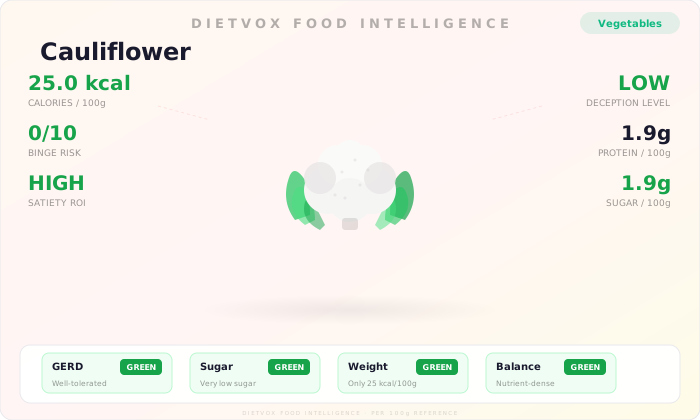
Cauliflower illustration

Cauliflower

25 kcal Vegetables
GREEN GERD
GREEN Sugar
GREEN Weight
GREEN Balance
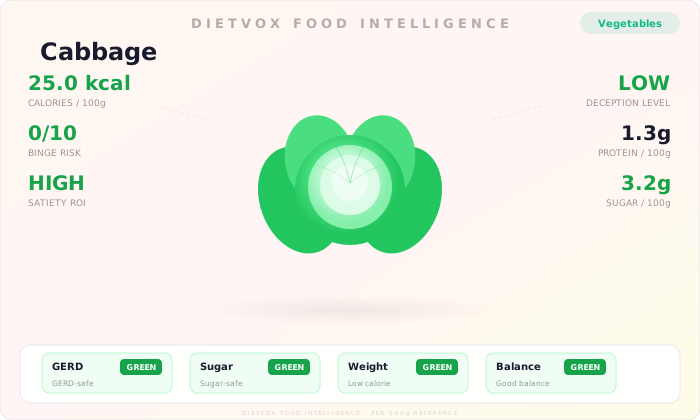
Cabbage illustration

Cabbage

25 kcal Vegetables
GREEN GERD
GREEN Sugar
GREEN Weight
GREEN Balance
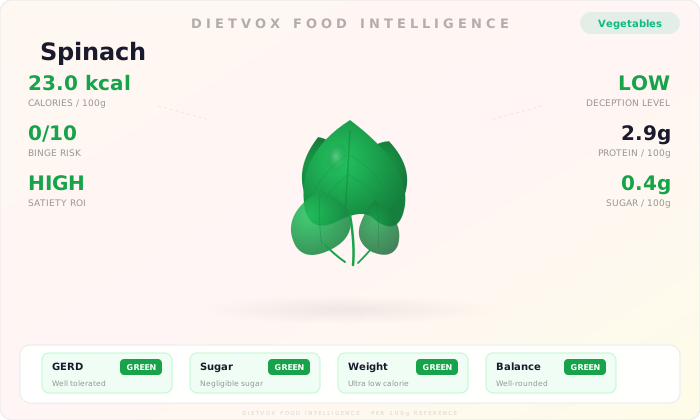
Spinach illustration

Spinach

23 kcal Vegetables
GREEN GERD
GREEN Sugar
GREEN Weight
GREEN Balance
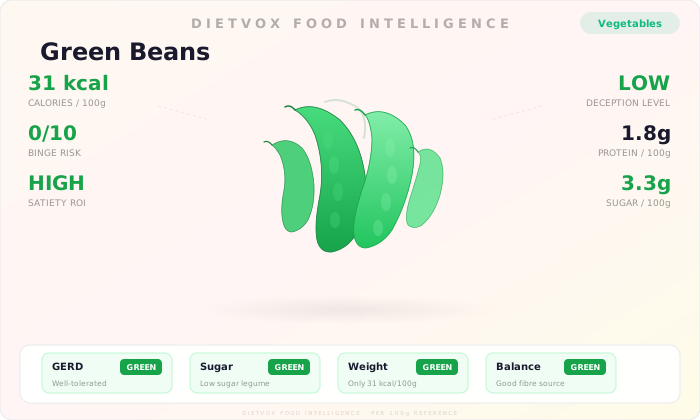
Green Beans illustration

Green Beans

31 kcal Vegetables
GREEN GERD
GREEN Sugar
GREEN Weight
GREEN Balance

Frequently Asked Questions

How should I cook broccoli to avoid triggering acid reflux?

The best cooking methods for broccoli on a GERD diet are low-fat techniques like steaming, boiling, or roasting with minimal oil. These methods soften the broccoli, making it easier to digest, without adding fat, which is a known reflux trigger. Avoid frying or using high-fat sauces like cheese or cream.

Can broccoli cause gas or bloating that makes GERD worse?

Yes, for some individuals, broccoli can cause gas and bloating because it is a cruciferous vegetable. This can increase abdominal pressure and potentially worsen reflux. To minimise this risk, start with small portions, cook the broccoli thoroughly until it is tender, and ensure you are drinking enough water throughout the day.

Is broccoli acidic?

No, broccoli is a low-acid, alkaline-forming vegetable. Its pH is near neutral (typically 6.3-6.85), which makes it a safe food for a GERD diet. Unlike acidic foods such as citrus or tomatoes, broccoli will not irritate the esophagus.

What are some GERD-friendly ways to season broccoli?

To season broccoli without triggering GERD, use fresh or dried herbs that are not spicy, such as parsley, basil, dill, or oregano. A small amount of salt is generally well-tolerated. Avoid common triggers like garlic powder, onion powder, and spicy seasonings such as cayenne pepper or chilli flakes.

Related Reading