DietVox Rating: GREEN
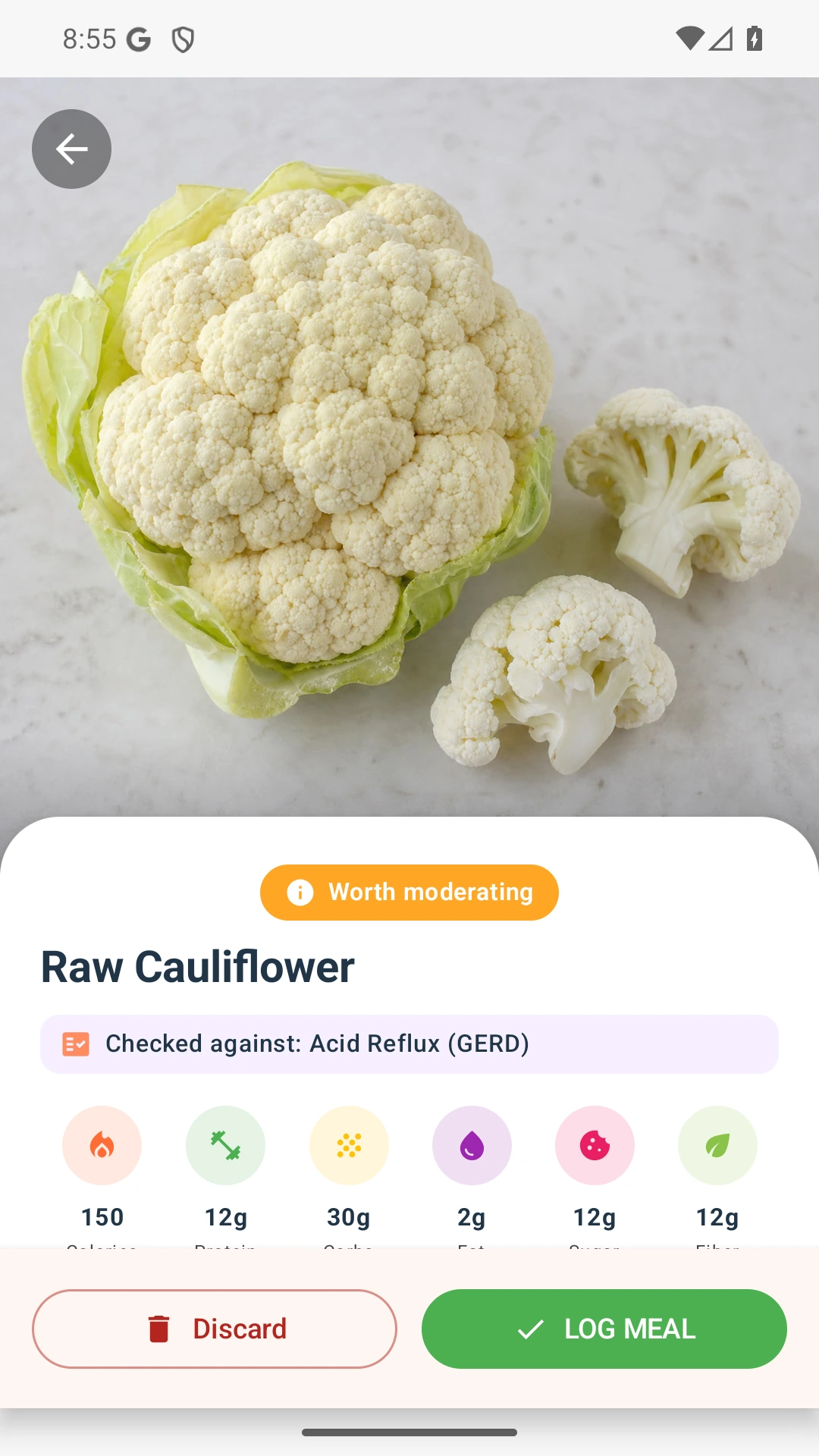
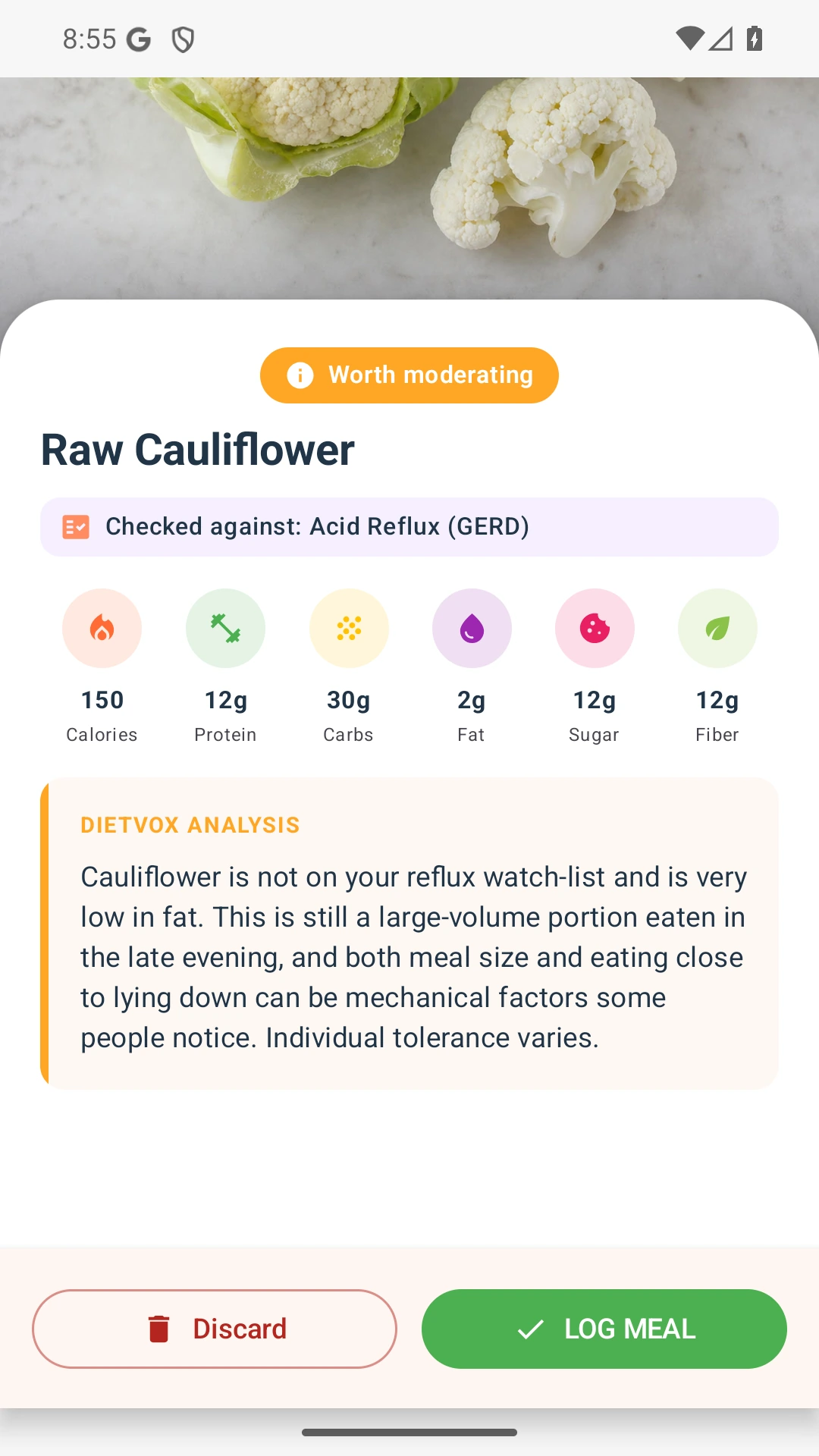
DietVox rates cauliflower as GREEN for a GERD (Acid Reflux) diet. This rating signifies that cauliflower is generally well-tolerated and unlikely to trigger or worsen symptoms of acid reflux. For individuals managing this condition and asking is cauliflower good for gerd, our source-reviewed review confirms it is a safe and highly recommended dietary choice. A GREEN rating means the food can be incorporated regularly into a balanced eating plan designed to manage reflux.
Understanding the GREEN Rating for Cauliflower
- Low Trigger Potential: Cauliflower lacks the common characteristics of trigger foods. It is not acidic, fatty, or spicy.
- Nutrient Profile: Its nutritional composition is supportive of digestive health and overall wellness, which is crucial for managing chronic conditions like GERD.
- Versatility: As a versatile vegetable, it can be easily prepared in GERD-friendly ways and used as a substitute for potentially problematic foods.
Nutritional Profile of Cauliflower in a GERD Context
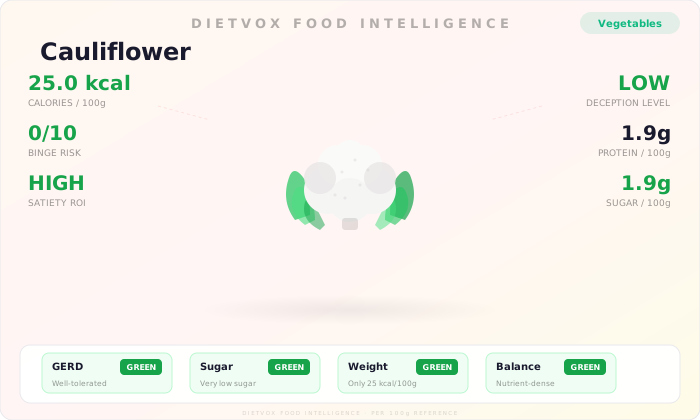
Understanding the nutritional data is key to seeing why cauliflower is a suitable food for a GERD diet. Per 100g, cauliflower contains USDA FoodData Central (FDC ID 169986):
- Calories: 25 kcal
- Fat: 0.3g
- Carbohydrates: 5.0g
- Dietary Fibre: 2.0g
- Sugars: 1.9g
- Protein: 1.9g
From a GERD management perspective, the most critical value here is the extremely low fat content. High-fat meals are a well-documented trigger for acid reflux as they can delay stomach emptying and relax the lower esophageal sphincter (LES), the muscular valve that keeps stomach acid from flowing back into the esophagus American College of Gastroenterology acid reflux guidance. With only 0.3g of fat per 100g, cauliflower poses no risk in this regard.
Furthermore, the 2.0g of dietary fibre is beneficial. Available sources suggest that an adequate intake of dietary fibre may be protective against GERD. A source review listed in PubMed found that higher fibre intake was associated with a reduced risk of GERD, possibly by improving gastric motility and reducing the frequency of LES relaxations PubMed / NIH.
Practical Tips for Including Cauliflower in Your GERD Diet
While cauliflower itself is safe, its preparation method is critical for preventing GERD symptoms. Adding high-fat ingredients can turn a GREEN-rated food into a potential trigger.
Recommended Cooking Methods
- Steaming: This is one of the best methods. It softens the cauliflower, making it easier to digest, without adding any fat or irritants.
- Roasting: Roasting with a minimal amount of a safe oil (like olive oil) and non-trigger seasonings (like herbs) is another excellent option. Avoid spicy additions like chili powder or black pepper if they are personal triggers.
- Boiling and Mashing: Mashed cauliflower is a fantastic, low-calorie substitute for mashed potatoes. Prepare it by boiling until tender and mashing with a splash of skim milk or a non-dairy alternative, avoiding butter and heavy cream.
- Puréeing: Puréed cauliflower can form the base of a creamy, GERD-friendly soup. Thicken with potatoes instead of cream for a safer option.
Foods to Pair with Cauliflower
To build a complete, reflux-friendly meal, pair cauliflower with other GREEN-rated foods:
- Lean Proteins: Grilled chicken breast, turkey, or fish.
- Whole Grains: Brown rice, quinoa, or oatmeal.
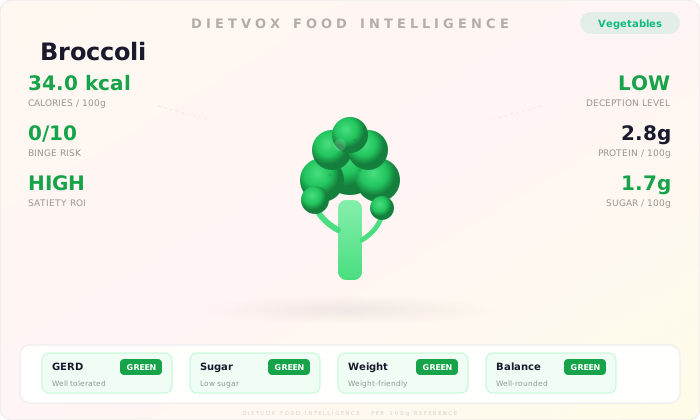
- Other Non-Acidic Vegetables: Broccoli, carrots, green beans, and asparagus.
Cauliflower as a Healthy Substitute
Its versatility makes cauliflower a powerful tool in a GERD diet, especially as it can support weight management—a key lifestyle factor in reducing reflux pressure NHS.
- Cauliflower Rice: A low-carb, low-calorie alternative to white rice.
- Cauliflower Pizza Crust: A way to enjoy pizza without the heavy, refined-flour crust. Ensure the tomato sauce is low-acid or use a non-tomato base like a white bean purée or pesto made without garlic.
Common Misconceptions about Cauliflower and Digestive Health
Misconception: "All cruciferous vegetables cause gas and bloating, which worsens reflux."
The Facts: Cauliflower is a cruciferous vegetable, and for some people, the type of fibre it contains (raffinose) can lead to gas and bloating. While this is not a direct GERD mechanism like LES relaxation, severe bloating can increase intra-abdominal pressure and potentially push stomach contents upward. However, this is highly individual. For most, thoroughly cooked cauliflower in moderate portions does not cause significant issues. If you are sensitive, introduce it slowly into your diet to assess your tolerance.
Misconception: "Any white-colored food is 'bland' and safe for GERD."
The Facts: Food color is not an indicator of its effect on GERD. While cauliflower is safe, other white foods may not be. For example, mashed potatoes are often prepared with large amounts of butter and cream (high fat), and dairy products can be a trigger for some. Onions and garlic, also light in color, are very common reflux triggers Harvard Health Publishing. It's the chemical composition, not the color, that matters.
The Verdict: Cauliflower's Role in a GERD-Friendly Diet
Based on health guidance for GERD dietary management and its nutritional profile, cauliflower is an excellent addition to a reflux-conscious diet. Its low acidity, negligible fat content, and beneficial fibre make it a safe, non-irritating choice that supports overall digestive health.
By focusing on GERD-friendly preparation methods and pairing it with other suitable ingredients, cauliflower can be a versatile and reliable staple. It aligns perfectly with dietary strategies recommended by health authorities like the NHS and Mayo Clinic for managing acid reflux symptoms through lifestyle and diet modification. Its inclusion can help add variety and nutrients to your meals without posing a risk of triggering discomfort.
Disclaimer: This article is for informational purposes only and does not constitute medical advice. Always consult a healthcare provider before making changes to your diet, especially if you have a medical condition.
Scan your foods with the DietVox app to get personalized ratings based on your specific dietary needs and health goals.
Last reviewed: June 2026
How It Works
Why Cauliflower is Rated GREEN for GERD
Cauliflower earns its GREEN rating due to a combination of physiological and nutritional factors that make it inherently compatible with a GERD management plan. The primary mechanisms are its low acidity, negligible fat content, and lack of compounds known to weaken the lower esophageal sphincter (LES).
1. Low Acidity and Alkaline-Forming Nature
Dietary acid is a primary concern for GERD sufferers, as acidic foods can irritate an already-inflamed esophagus and may worsen symptoms. Foods are generally considered acidic if their pH is below 4.6. Cauliflower is a non-citrus vegetable with a pH well into the non-acidic range (typically 6.40 - 6.85). It does not contribute to the acid load in the stomach. In fact, like many vegetables, it is considered 'alkaline-forming,' meaning its metabolic byproducts can help buffer acidity, creating a more favorable environment for managing reflux.
2. No Negative Impact on Lower Esophageal Sphincter (LES) Pressure
The lower esophageal sphincter is the muscular ring that prevents stomach acid from flowing back into the esophagus. Certain foods and compounds can cause this sphincter to relax, a primary cause of reflux events. Common triggers include high-fat foods, caffeine, chocolate, and alcohol American College of Gastroenterology (ACG). Cauliflower is exceptionally low in fat (0.3g per 100g) and contains none of the known compounds that decrease LES pressure. Therefore, it does not mechanically or chemically contribute to the failure of this critical barrier.
3. Supports Healthy Digestion and Weight Management
Weight management is a cornerstone of GERD treatment, as excess body weight increases abdominal pressure, which in turn promotes reflux NICE. Cauliflower's very low calorie density (25 kcal per 100g) allows for generous, satisfying portions without a significant caloric impact, making it ideal for a weight management plan. Furthermore, its fibre content aids in satiety and promotes regular bowel movements, contributing to overall digestive wellness which can be beneficial in managing GERD symptoms.
Scan any food. Get an instant RED/AMBER/GREEN rating.
DietVox analyses every food across 4 diet protocols — no guesswork.
Try DietVox Free →Try These Instead
Safer alternatives that won't trigger your symptoms.
Frequently Asked Questions
Can I eat Cauliflower on a gerd (acid reflux) diet?
Yes. DietVox rates Cauliflower GREEN for a GERD (acid reflux) diet. Cauliflower is a low-acid, low-fat, and non-irritating vegetable. It does not negatively affect stomach acid production or the lower esophageal sphincter (LES) and is generally very well-tolerated by individuals with reflux.
Does the way I cook cauliflower affect my GERD symptoms?
Absolutely. While cauliflower itself is safe, the preparation method is crucial. Frying it or adding high-fat ingredients like cheese, butter, or heavy cream can introduce common GERD triggers. The safest cooking methods for a GERD diet are steaming, boiling, or roasting with minimal oil American College of Gastroenterology acid reflux guidance.
Can raw cauliflower trigger acid reflux?
It is unlikely to be a direct trigger. Raw cauliflower is still low-acid and low-fat. However, for some individuals, the high amount of raw fibre can be harder to digest and may cause gas or bloating. Significant bloating can increase abdominal pressure, which may indirectly worsen reflux. If you wish to eat it raw, start with a small portion to see how you tolerate it. Cooked cauliflower is generally a safer choice.
Is cauliflower rice a good choice for a GERD diet?
Cauliflower rice is an excellent choice for a GERD-friendly diet. It is a low-calorie, low-fat, and high-fibre alternative to traditional rice. This can help with weight management, which is a key strategy for reducing GERD symptoms according to health guidance NHS. It provides volume and nutrients without the heavy carbohydrate load of white rice.
Can eating cauliflower cure GERD?
No single food can cure GERD, which is a chronic medical condition. However, dietary management is a fundamental part of controlling symptoms. Including safe, non-triggering foods like cauliflower is a key component of a comprehensive management plan that helps reduce the frequency and severity of acid reflux episodes, as recommended by health organizations worldwide.