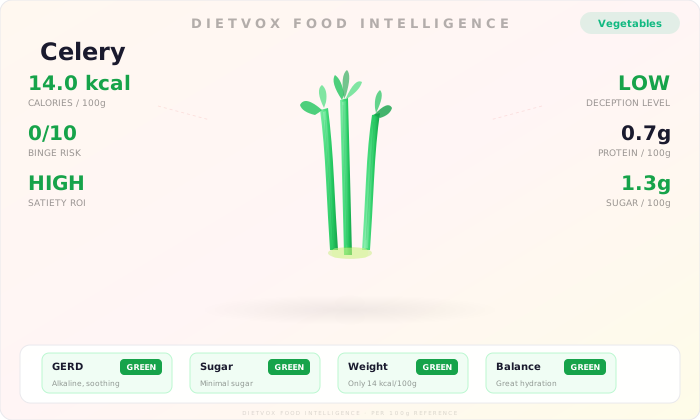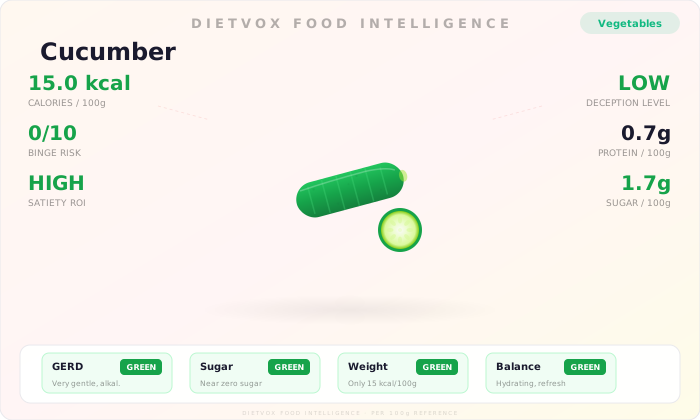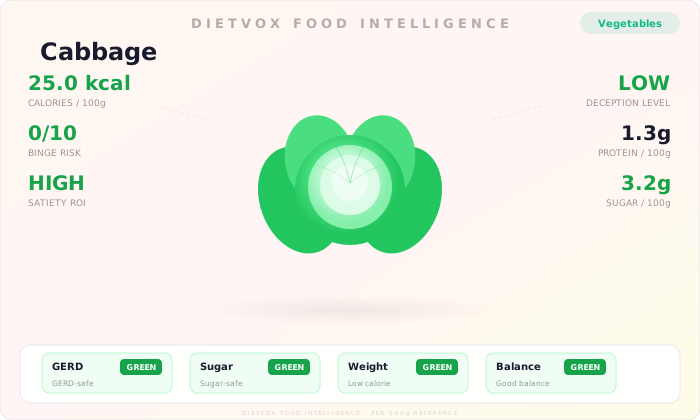
DietVox Rating: GREEN
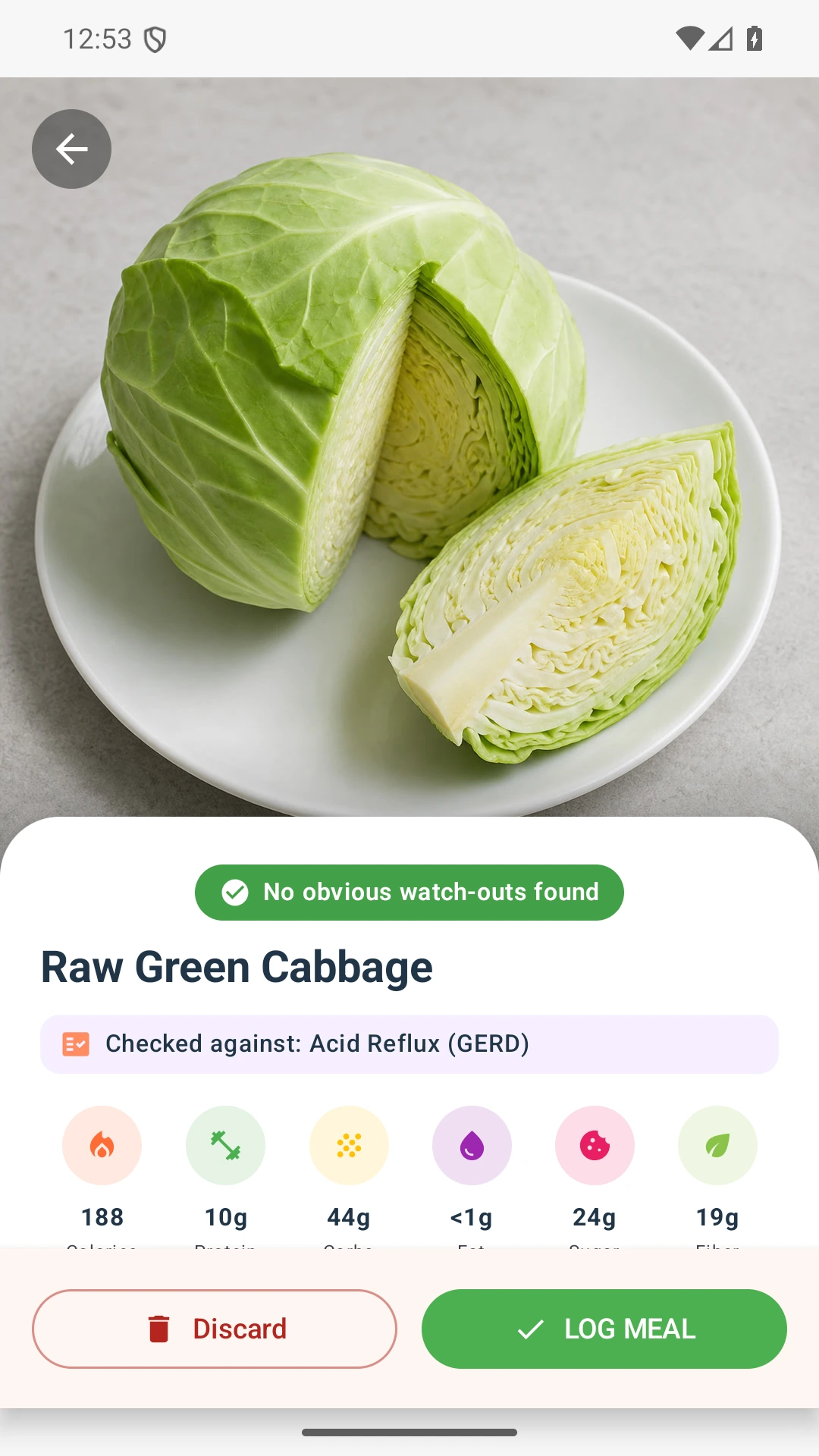
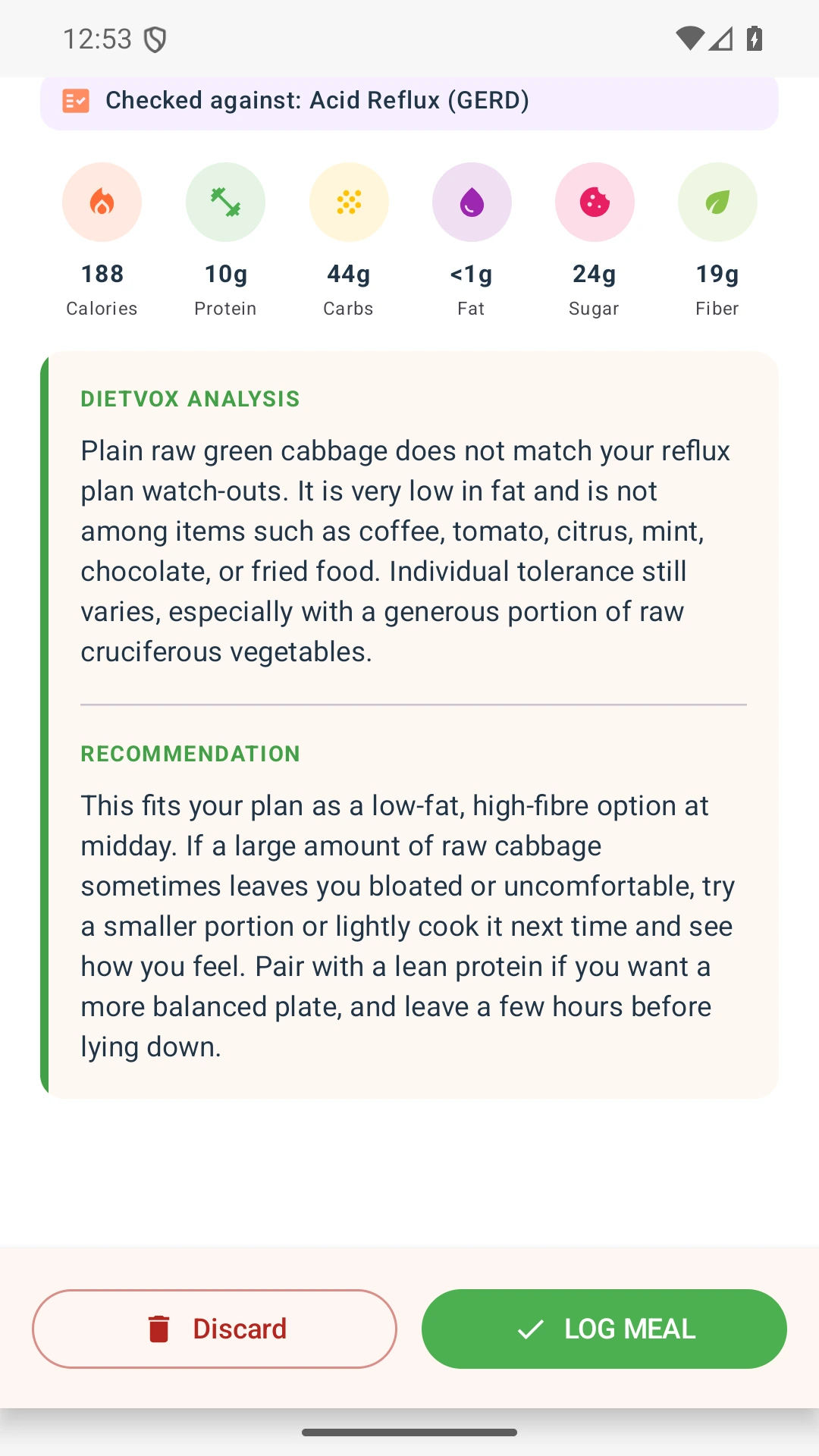
For individuals navigating the complexities of a diet for Gastroesophageal Reflux Disease (GERD), a primary question for many vegetables is, is cabbage good for GERD? Based on a thorough review of nutrition data and relevant guidance, DietVox assigns cabbage a GREEN rating. This indicates that it is generally well-tolerated and can be a beneficial component of a GERD-friendly eating plan.
Cabbage is a low-fat, low-acid vegetable that provides valuable fibre and nutrients without typically triggering acid reflux symptoms. However, individual tolerance can vary, particularly concerning its potential to cause gas. This article will delve into the nutrition profile behind our rating, explore the source support, and provide practical guidance for incorporating cabbage into your diet safely.
Understanding Cabbage's Role in a GERD Diet
Managing GERD effectively often involves dietary and lifestyle modifications aimed at reducing the frequency and severity of acid reflux episodes. According to leading health authorities, a key strategy is to avoid foods that can relax the lower esophageal sphincter (LES)—the muscular valve between the esophagus and stomach—or increase stomach acid production American College of Gastroenterology acid reflux guidance. Common culprits include high-fat, spicy, fried, and highly acidic foods.
Cabbage fits well within these guidelines. As a cruciferous vegetable, it is naturally low in fat and is not considered acidic, making it a safe choice for those looking to avoid common triggers. Its nutritional profile supports digestive health, which can be indirectly beneficial for managing GERD symptoms.
Nutritional Profile of Cabbage for Acid Reflux
An analysis of cabbage's nutritional composition reveals why it is suitable for a GERD diet. Per 100 grams, raw cabbage contains USDA FoodData Central (FDC ID 169975):
- Calories: 25 kcal
- Fat: 0.1g
- Protein: 1.3g
- Carbohydrates: 5.8g
- Dietary Fibre: 2.5g
- Sugars: 3.2g
Low in Fat and Acidity
The extremely low fat content (0.1g per 100g) is a significant advantage. High-fat meals can delay stomach emptying and decrease pressure on the LES, allowing stomach acid to flow back into the esophagus American College of Gastroenterology. By choosing low-fat foods like cabbage, you can help maintain proper LES function. Furthermore, cabbage is a non-acidic vegetable, unlike known triggers such as tomatoes or citrus fruits, making it gentle on the esophageal lining.
A Good Source of Fibre
With 2.5g of dietary fibre per 100g, cabbage contributes to digestive regularity. Available source reviews suggests a link between fibre intake and GERD. A 2018 systematic review listed in the World Journal of Gastroenterology found a potential inverse relationship between dietary fibre and the risk of GERD, suggesting that adequate fibre may have a protective effect PubMed. Fibre helps promote healthy digestion and gut motility, which can reduce factors that contribute to reflux, such as bloating and delayed gastric emptying.
Cabbage and the Stomach Lining: Exploring the source support
Historically, cabbage juice has been used in folk medicine as a remedy for peptic ulcers. While modern, large-scale direct trials are lacking, some older source review pointed to potential protective benefits for the gastric mucosa. A notable historical source review from 1949 suggested that a compound later identified as S-Methylmethionine (sometimes called 'Vitamin U') present in cabbage juice could aid in the healing of peptic ulcers PubMed.
While this historical context is interesting, it is crucial to note that this is not a substitute for source-reviewed medical treatment for GERD or related conditions. The primary benefits of cabbage for a modern GERD diet lie in its established nutritional properties: being low in fat, low in acid, and a source of dietary fibre.
Potential Downsides and How to Mitigate Them
The main consideration when adding cabbage to a GERD diet is its potential to cause gas and bloating. Cabbage is a cruciferous vegetable and contains raffinose, a complex sugar that the human small intestine cannot fully break down. When it reaches the large intestine, bacteria ferment it, producing gas NHS. For some individuals with GERD, significant bloating can increase intra-abdominal pressure, potentially worsening reflux symptoms.
To enjoy the benefits of cabbage while minimizing this risk, consider the following strategies:
- Start with Small Portions: If you are not used to eating cabbage, introduce a small amount into your diet and monitor your body's response before increasing the portion size.
- Cook it Thoroughly: Cooking cabbage helps break down some of the indigestible carbohydrates, making it easier on the digestive system. Steaming, boiling, or roasting are gentler methods than eating it raw.
- Stay Hydrated: Drinking plenty of water can help fibre move through your digestive system smoothly, which may help reduce bloating.
- Be Cautious with Fermented Cabbage: Fermented products like sauerkraut and kimchi, while derived from cabbage, are highly acidic. This acidity is a common GERD trigger, so it is best to avoid them or test your tolerance with a very small amount only when your symptoms are well-managed.
Practical Tips for Including Cabbage in Your GERD Diet
Integrating cabbage into your meals can be simple and delicious. The key is to use GERD-friendly preparation methods.
Best Preparation Methods
- Steaming: Steaming cabbage until tender-crisp preserves nutrients and makes it easy to digest. Serve with a sprinkle of salt and a tiny amount of olive oil if tolerated.
- Boiling: Boiled cabbage is very soft and gentle. It can be added to soups, stews, or served as a simple side dish.
- Roasting: Roasting cabbage wedges with a light coating of a high-smoke-point oil (like avocado oil) at a moderate temperature can bring out a mild, sweet flavour. Avoid high heat that can cause charring, which may be irritating.
- Sautéing: A light sauté in a minimal amount of oil with other GERD-friendly vegetables (like carrots or zucchini) and lean protein (like chicken or turkey) works well.
Foods to Combine with Cabbage
Pair cabbage with other GREEN-rated foods for a balanced, GERD-friendly meal:
- Lean Proteins: Chicken breast, turkey, fish, tofu.
- Whole Grains: Brown rice, quinoa, oatmeal.
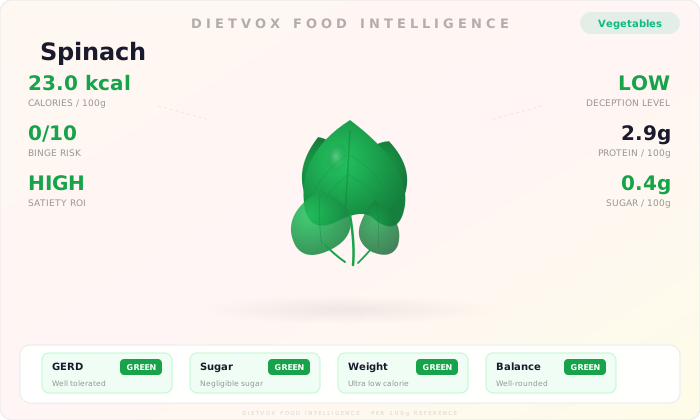
- Other Vegetables: Carrots, green beans, spinach, sweet potatoes.
Avoid cooking cabbage with common trigger ingredients such as garlic, onions, tomatoes, vinegar, heavy cream, or excessive butter and spices.
Disclaimer: This article is for informational purposes only and does not constitute medical advice. Always consult a healthcare provider before making changes to your diet, especially if you have a medical condition.
Scan your foods with the DietVox app to get personalized ratings based on your specific dietary needs and health goals.
Last reviewed: June 2026
How It Works
Why Cabbage is Rated GREEN
DietVox rates cabbage as GREEN for a GERD diet based on its favourable biochemical and nutritional properties, which align with established dietary strategies for managing acid reflux.
- Extremely Low Fat Content: Cabbage contains only 0.1g of fat per 100g. According to the American College of Gastroenterology, high-fat foods can delay stomach emptying and relax the lower esophageal sphincter (LES), a primary mechanism of acid reflux ACG. Cabbage's low-fat profile helps avoid this common trigger.
- Non-Acidic Nature: Unlike common fruit and vegetable triggers like tomatoes, citrus, or pineapple, cabbage is a non-acidic food. Consuming low-acid foods is a cornerstone of a GERD diet, as it helps prevent direct irritation of the esophageal lining and avoids contributing to the overall acidic load in the stomach American College of Gastroenterology acid reflux guidance.
- Source of Dietary Fibre: With 2.5g of fibre per 100g, cabbage supports overall digestive health. Available sources suggest that diets higher in fibre are associated with a reduced risk of GERD PubMed. Fibre aids in gastric motility, which can help prevent the build-up of pressure in the stomach that may lead to reflux.
- Low Calorie Density: At just 25 kcal per 100g, cabbage allows for satisfying, high-volume meals without contributing to weight gain. Maintaining a healthy weight is a key recommendation for reducing GERD symptoms, as excess weight can increase abdominal pressure NHS.
While cabbage has the potential to cause gas in sensitive individuals, its fundamental properties make it a safe and beneficial choice for most people following a GERD management plan, particularly when cooked properly.
Scan any food. Get an instant RED/AMBER/GREEN rating.
DietVox analyses every food across 4 diet protocols — no guesswork.
Try DietVox Free →Try These Instead
Safer alternatives that won't trigger your symptoms.
Frequently Asked Questions
Is raw cabbage or cooked cabbage better for acid reflux?
Cooked cabbage is generally better tolerated for those with GERD. The cooking process helps break down the complex carbohydrates (like raffinose) that can cause gas and bloating. Since significant bloating can increase abdominal pressure and potentially worsen reflux, opting for steamed, boiled, or roasted cabbage is a safer choice than eating it raw, especially when you are first introducing it into your diet.
Can I eat sauerkraut or kimchi if I have GERD?
It is best to be cautious. While these foods are made from cabbage, the fermentation process makes them highly acidic. Acidic foods are a common trigger for GERD symptoms. We recommend avoiding sauerkraut and kimchi, particularly during the initial phases of a GERD diet. If your symptoms are well-controlled, you could try a very small amount to test your personal tolerance, but it remains a high-risk food for many.
Does cabbage cause gas, and can that make GERD worse?
Yes, cabbage can cause gas in some individuals due to its fibre and raffinose content. For some people with GERD, the resulting bloating can increase pressure on the stomach and the lower esophageal sphincter (LES), which may trigger or worsen reflux. To minimize this, introduce cabbage into your diet slowly, start with small portions, and choose cooked preparations over raw.
What are the best types of cabbage for a GERD diet?
Green, red, savoy, and napa cabbage are all nutritionally similar and considered safe for a GERD diet. The most important factor is not the type of cabbage, but how it is prepared. All types should be cooked using low-fat methods (steaming, boiling) and without common trigger ingredients like garlic, onion, spicy seasonings, or acidic sauces like tomato or vinegar.