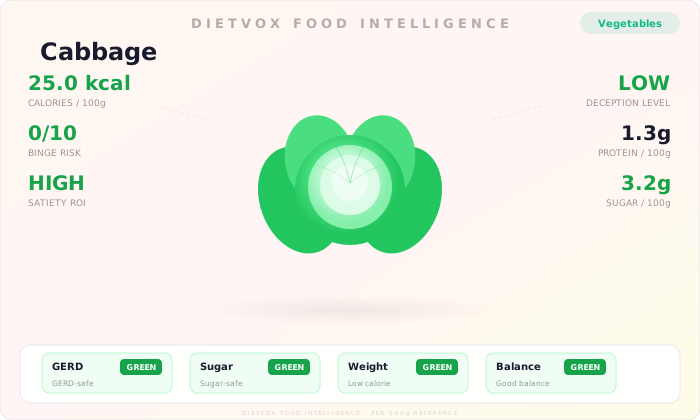
DietVox Rating: GREEN
For individuals following a Maintenance & Balance Diet, Cabbage receives a GREEN rating from DietVox. This rating signifies that it is an excellent choice for supporting long-term health and stable weight management. The source support shows that cabbage is nutritious, affordable, and versatile, making it a valuable staple in a balanced eating plan. Its low calorie count, combined with a solid profile of essential vitamins and dietary fibre, aligns perfectly with the core principles of a maintenance diet: nutrient density without excess energy.
This article delves into the direct source support behind our rating, exploring the nutritional composition of cabbage, its role in satiety and overall health, and practical ways to incorporate it into your daily meals for sustained well-being.
A Closer Look at Cabbage's Nutritional Profile
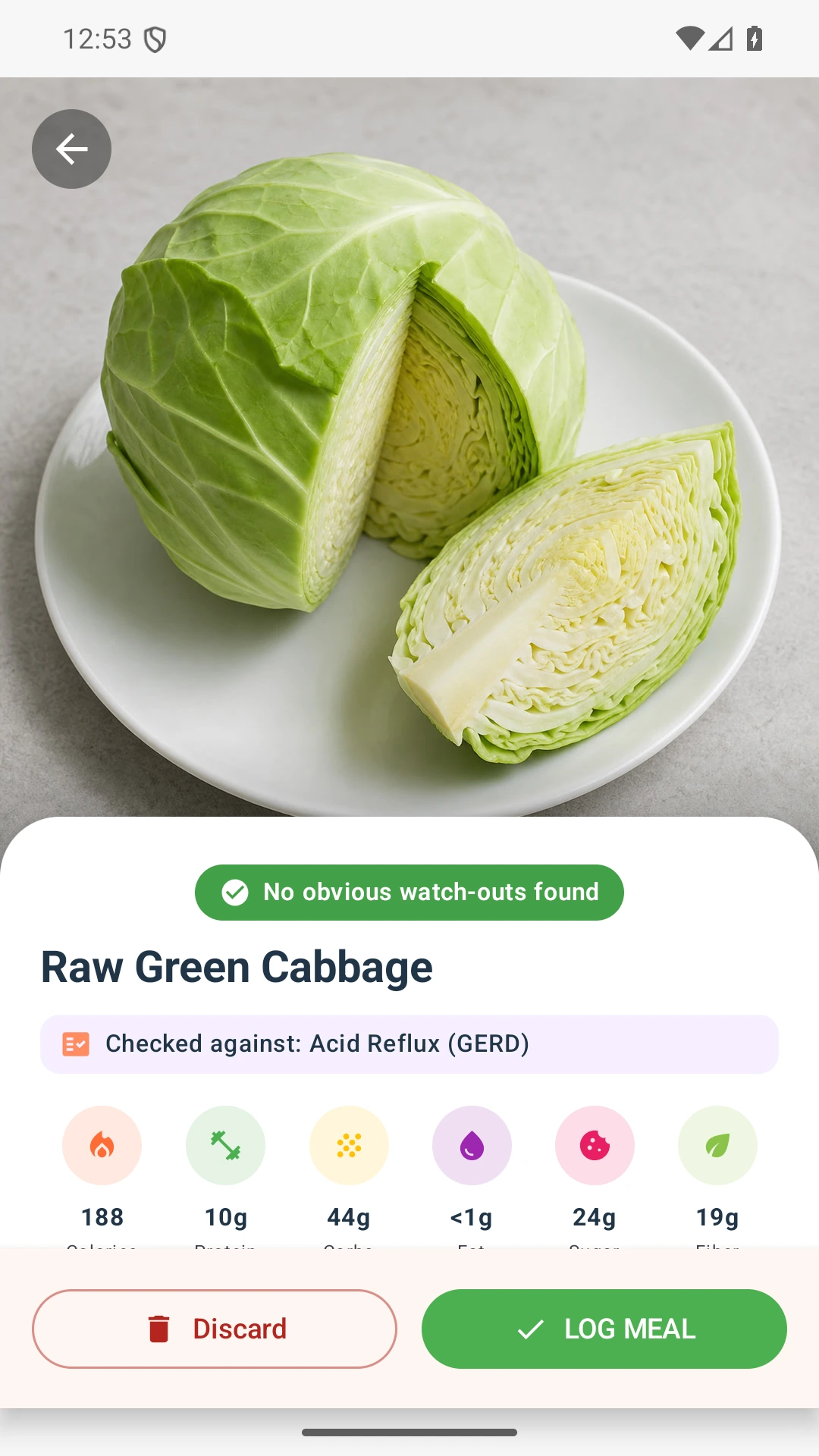
A Maintenance & Balance Diet prioritises foods that deliver significant nutritional value relative to their calorie content. Cabbage excels in this regard. According to the USDA FoodData Central (FDC ID 169975), a 100-gram serving of raw cabbage contains:
- Calories: 25 kcal
- Protein: 1.3 g
- Fat: 0.1 g
- Carbohydrates: 5.8 g
- Dietary Fibre: 2.5 g
- Sugars: 3.2 g
Beyond these macronutrients, cabbage is a powerhouse of essential micronutrients that are crucial for maintaining bodily functions:
- Vitamin C (Ascorbic Acid): With 36.6 mg per 100g, cabbage provides over 40% of the daily recommended intake for adults. Vitamin C is a potent antioxidant that supports the immune system, aids in collagen production for healthy skin, and enhances iron absorption NHS.
- Vitamin K: A 100g serving delivers 76 µg of Vitamin K, which is vital for blood clotting and plays a key role in bone metabolism and health MedlinePlus vitamins overview.
- Folate (Vitamin B9): Cabbage also provides a good source of folate, which is essential for forming red blood cells and for healthy cell growth and function MedlinePlus folic acid overview.
Furthermore, cabbage, particularly red cabbage, is rich in powerful plant compounds. Red cabbage contains anthocyanins, a type of flavonoid that has antioxidant properties and is responsible for its vibrant colour. Cruciferous vegetables like cabbage also contain glucosinolates, compounds that have been studied for their potential health-protective effects PubMed.
Integrating Cabbage into Your Maintenance & Balance Diet
The key to a successful maintenance diet is sustainability, which requires foods that are both healthy and easy to incorporate into everyday life. Cabbage's versatility and low tracking difficulty make it an ideal candidate.
Portion Sizes and Calorie Management
Due to its low calorie density (25 kcal per 100g), you can enjoy generous portions of cabbage without significantly impacting your daily energy budget. This is a major advantage for weight maintenance, as it allows for filling, satisfying meals that prevent feelings of deprivation.
- A cup of shredded cabbage (about 70g): Contains approximately 17 calories.
- A large wedge (about 200g): Contains about 50 calories.
This makes it simple to add bulk and nutrients to any meal, from salads to stir-fries, helping you stay within your maintenance calorie range as recommended by health authorities like the World Health Organization (WHO).
Versatile Culinary Uses
Cabbage can be prepared in numerous ways, preventing dietary boredom and ensuring it remains an enjoyable part of your routine.
- Raw: Shredded finely for coleslaws (use a light, yoghurt-based dressing), added to salads for crunch, or used as a wrap instead of tortillas.
- Steamed or Boiled: A simple, quick side dish. Steaming helps retain more of the water-soluble vitamins like Vitamin C compared to boiling for long periods.
- Roasted: Roasting cabbage wedges with a little olive oil and seasoning brings out a sweet, nutty flavour.
- Sautéed or Stir-fried: Quickly cooking shredded cabbage with other vegetables and a lean protein makes for a fast, balanced meal.
- Fermented: Sauerkraut and kimchi are fermented forms of cabbage that provide probiotics, which are beneficial for gut health PubMed.
Pairing for a Balanced Meal
For a complete meal that aligns with Maintenance & Balance principles, pair cabbage with other nutrient-dense food groups:
- Lean Protein: Grilled chicken breast, fish, tofu, or lentils.
- Healthy Fats: Avocado, nuts, seeds, or a drizzle of olive oil.
- Complex Carbohydrates: Quinoa, brown rice, or whole-wheat bread on the side.
This combination ensures you get a balanced mix of macronutrients, promoting stable energy levels and sustained fullness.
Common Questions and Misconceptions
Does cabbage cause bloating?
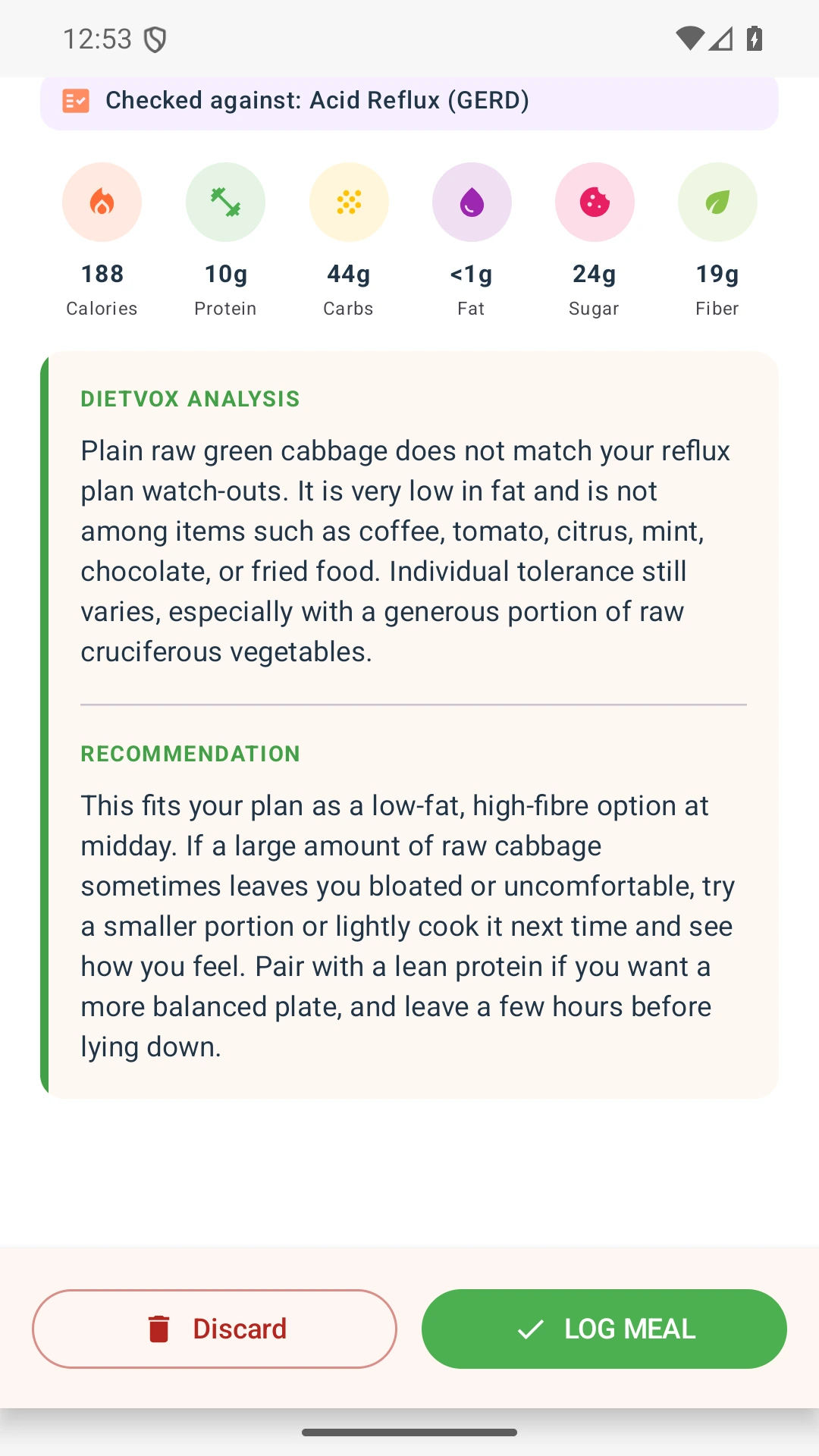
Cabbage contains both dietary fibre and raffinose, a complex sugar that can be difficult for some people to digest. This can lead to gas and bloating, particularly if you are not used to a high-fibre diet. To minimise this, the NHS suggests introducing high-fibre foods gradually and ensuring you drink plenty of water. Cooking cabbage thoroughly can also make it easier to digest.
Are the goitrogens in cabbage a risk for thyroid health?
Cabbage is a cruciferous vegetable, which contains compounds called goitrogens that can, in very high amounts, interfere with thyroid function. However, for individuals with normal thyroid function and adequate iodine intake, the amount of goitrogens in typical servings of cabbage is not a concern and does not outweigh the health benefits CDC healthy eating guidance. If you have a pre-existing thyroid condition, it is always best to consult your healthcare provider for personalised advice.
The Bottom Line: Cabbage on a Maintenance & Balance Diet
DietVox rates cabbage as GREEN for a Maintenance & Balance Diet because it is a nutritional and practical powerhouse. Its low calorie density, high concentration of essential vitamins like C and K, and beneficial fibre content make it an exemplary food for maintaining a healthy weight and supporting overall wellness. Its affordability and culinary flexibility ensure it can be a sustainable and enjoyable part of your long-term eating strategy.
Disclaimer: This article is for informational purposes only and does not constitute medical advice. Always consult a healthcare provider before making changes to your diet, especially if you have a medical condition.
Scan your foods with the DietVox app to get personalized ratings based on your specific dietary needs and health goals.
Last reviewed: June 2026
How It Works
Why Cabbage is Rated GREEN
Cabbage earns a GREEN rating for a Maintenance & Balance Diet based on three key rating factors: its favourable energy density, its rich micronutrient profile, and its contribution to satiety.
1. Low Calorie Density for Weight Management
Maintaining a stable weight requires balancing energy intake with energy expenditure WHO. With only 25 kcal per 100g, cabbage has a very low calorie density. This allows you to consume a large, visually satisfying volume of food for very few calories, which helps manage hunger and control overall energy intake without restrictive portioning. This characteristic is fundamental to building sustainable eating habits for long-term weight maintenance.
2. High Nutrient Density
A balanced diet is not just about calories; it's about the nutrients those calories deliver. Cabbage is a nutrient-dense food, providing high levels of essential vitamins relative to its low calorie count. It is an excellent source of Vitamin C, which is crucial for immune function, and Vitamin K, which is vital for bone health and blood coagulation NHS. This ensures that while you manage your calorie intake, your body is still receiving the micronutrients it needs to function optimally.
3. Moderate Satiety and Digestive Support
Cabbage provides 2.5g of dietary fibre per 100g USDA FoodData Central (FDC ID 169975). Dietary fibre adds bulk to meals and slows down digestion, which can increase feelings of fullness (satiety) and help regulate appetite. A diet rich in fibre is consistently linked to better weight management and overall health. Furthermore, fibre is essential for maintaining a healthy digestive system by promoting regular bowel movements and feeding beneficial gut bacteria MedlinePlus fiber overview.
Scan any food. Get an instant RED/AMBER/GREEN rating.
DietVox analyses every food across 4 diet protocols — no guesswork.
Try DietVox Free →Try These Instead
Safer alternatives that won't trigger your symptoms.
Frequently Asked Questions
Is red cabbage more nutritious than green cabbage?
Both red and green cabbage are highly nutritious, but they have slightly different profiles. Red cabbage is particularly rich in anthocyanins, powerful antioxidants that give it its purple-red colour and have been linked to various health benefits. It also tends to have a slightly higher Vitamin C content. Green cabbage, while lower in anthocyanins, is still an excellent source of Vitamin K and other nutrients. Including a variety of both in your diet is an excellent strategy.
Can eating cabbage help support my immune system?
Yes, cabbage can be a valuable part of a diet that supports immune function. It is an excellent source of Vitamin C, a key micronutrient known to contribute to the normal function of the immune system. According to the NHS, Vitamin C helps protect cells and keeps them healthy. A balanced diet with a variety of fruits and vegetables, including cabbage, is essential for robust immune health.
How does cabbage support long-term weight maintenance?
Cabbage supports weight maintenance through two primary mechanisms. First, its very low calorie density (25 kcal/100g) allows you to eat larger, more satisfying portions without consuming excess calories. Second, its dietary fibre content helps promote satiety, or a feeling of fullness, which can help regulate appetite and prevent overeating between meals. This combination makes it easier to maintain energy balance over the long term.
Are there any health concerns with eating cabbage every day?
For the vast majority of people, eating cabbage daily as part of a balanced diet is perfectly safe and healthy. Some individuals may experience gas or bloating due to its fibre and raffinose content, especially when first increasing intake. It also contains goitrogens, but consumption levels in a normal diet are not considered a risk for those with healthy thyroid function. As with any food, variety is key to a balanced diet.