DietVox Rating: GREEN

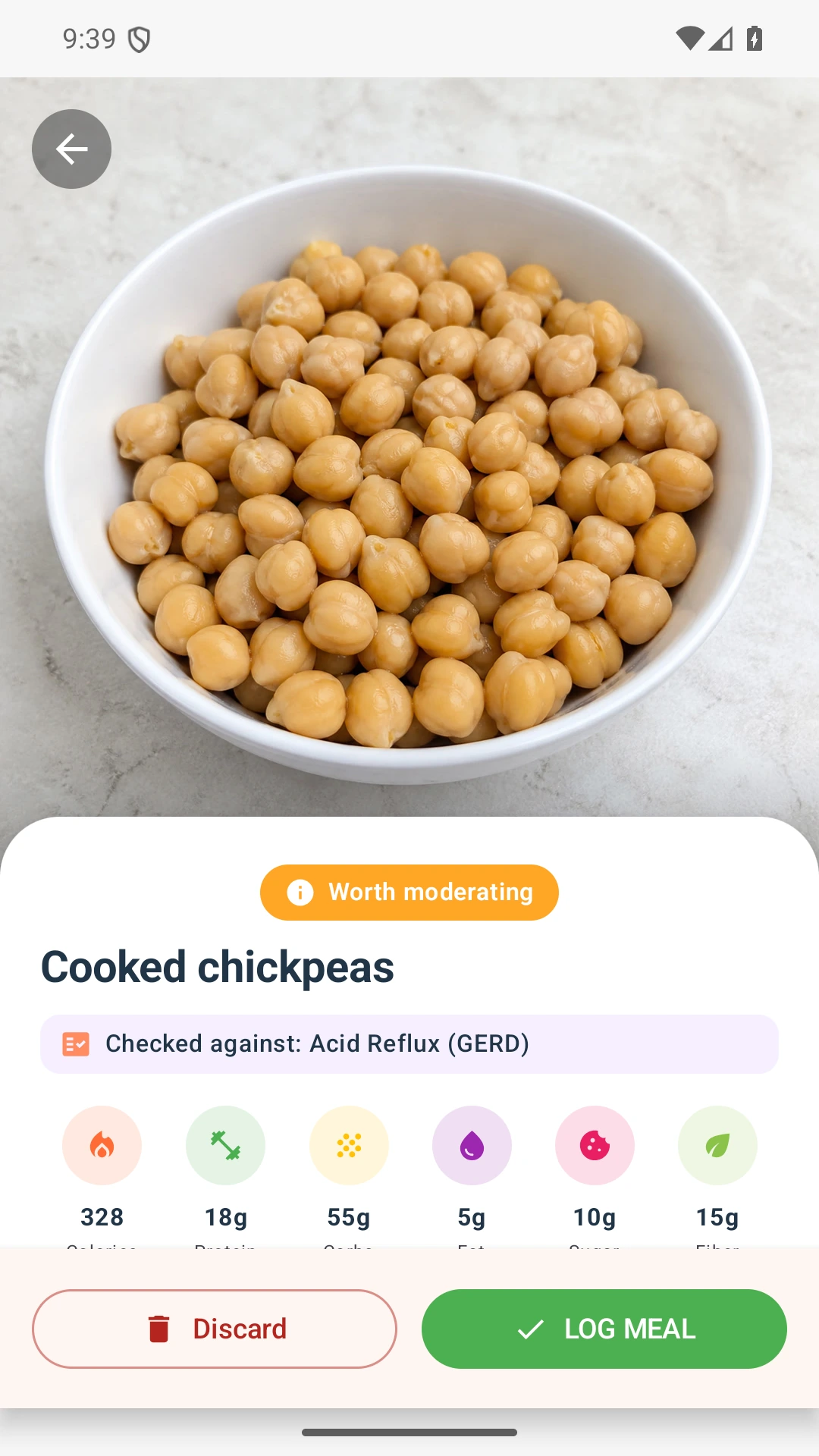
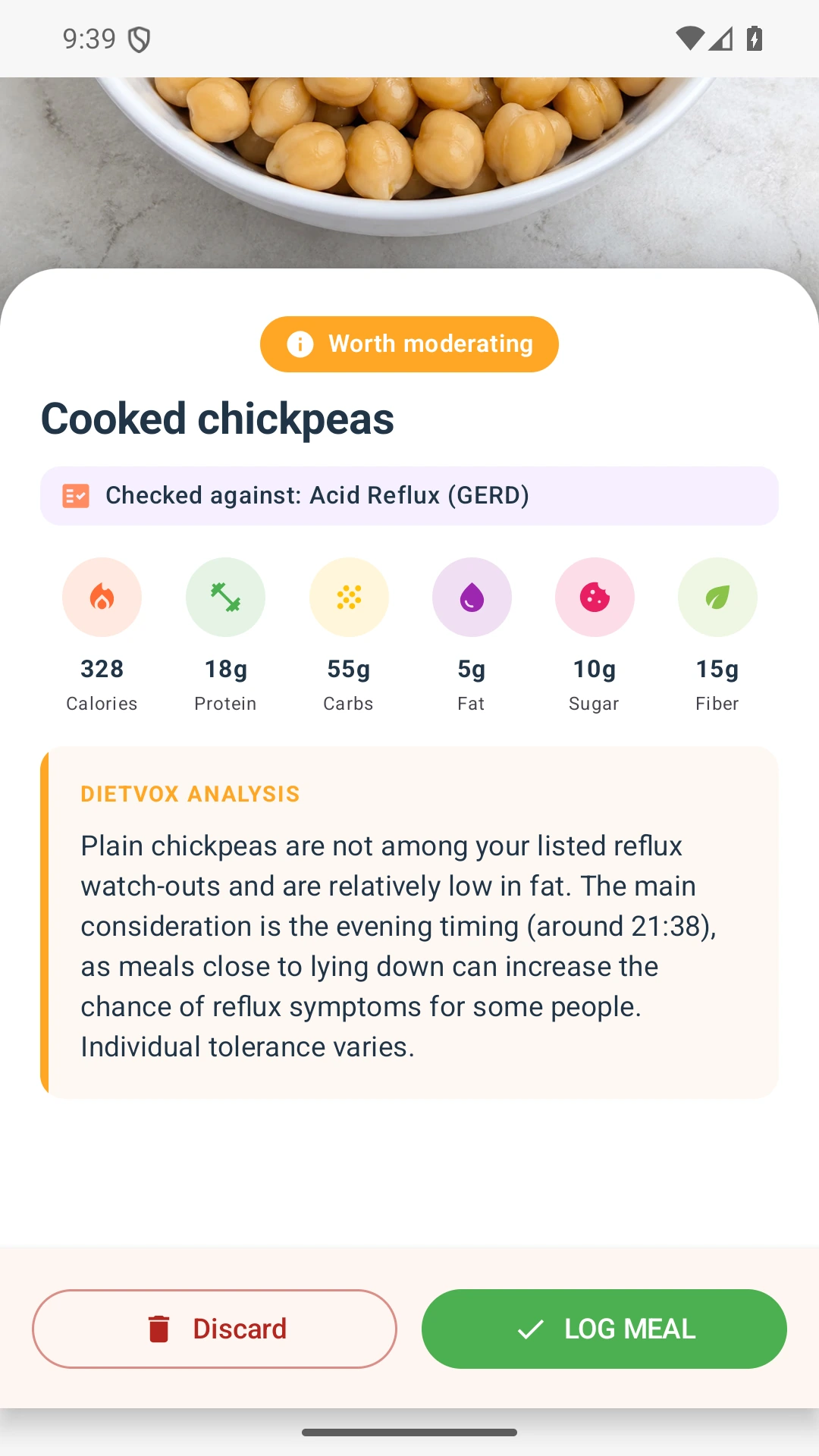
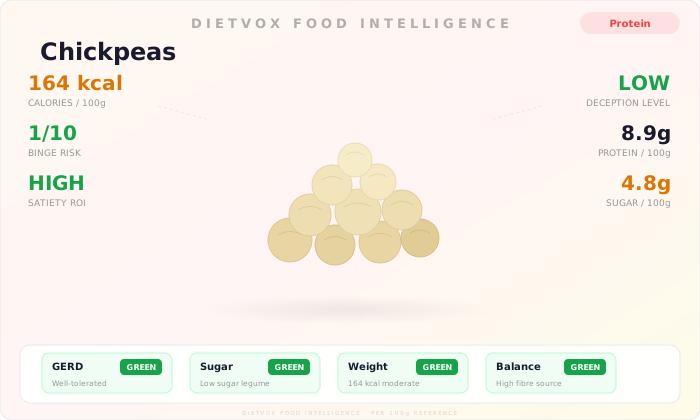
For individuals navigating the complexities of a GERD-friendly diet, finding satisfying, nutrient-dense foods that don't trigger symptoms is paramount. When it comes to chickpeas and acid reflux, the risk profile is clear and reassuring. DietVox assigns Chickpeas a GREEN rating, signifying they are a safe and beneficial food for most people managing Gastroesophageal Reflux Disease (GERD).

This rating is based on their favourable nutritional profile, which is low in common reflux triggers like fat and acid, and high in beneficial components like dietary fibre and protein. When prepared correctly, chickpeas can be a versatile staple in a diet designed to minimise acid reflux symptoms.

A Nutritional Deep-Dive for the GERD Diet

Understanding the nutritional composition of chickpeas is key to appreciating their GREEN rating. Per a 100-gram serving, cooked chickpeas contain approximately:

  • Calories: 164 kcal
  • Fat: 2.6g
  • Protein: 8.9g
  • Carbohydrates: 27.4g
  • Dietary Fibre: 7.6g

Source: USDA FoodData Central (FDC ID 173756)

The most critical data points for GERD management are the low fat and high fibre content. High-fat foods are known to delay stomach emptying and relax the lower esophageal sphincter (LES), the muscle that prevents stomach acid from flowing back into the esophagus American College of Gastroenterology acid reflux guidance. At just 2.6 grams of fat per 100g, chickpeas fall well within the recommended low-fat category for GERD-friendly foods.

Furthermore, the substantial 7.6 grams of dietary fibre play a supportive role. A diet rich in fibre has been associated with improved digestive health and, in some source reviews, a reduction in GERD symptoms. Fibre aids in gut motility, which can help prevent the kind of pressure build-up in the abdomen that might exacerbate reflux PubMed.

Practical Tips for Incorporating Chickpeas into Your GERD Diet

While chickpeas themselves are safe, their preparation method is crucial for preventing acid reflux symptoms. High-fat cooking methods or the addition of common trigger ingredients can turn this GREEN-rated food into a problematic meal.

1. Prioritise Safe Cooking Methods: - Boiling/Steaming: Add cooked chickpeas to salads, soups, or grain bowls. - Roasting: Create a crunchy, satisfying snack by roasting chickpeas with a minimal amount of olive oil (a teaspoon is often enough) and non-triggering herbs like parsley, basil, or thyme. Avoid spicy seasonings like cayenne pepper or chilli powder. - Mashing: Mash chickpeas as a base for sandwiches or wraps in place of high-fat fillings.

2. Navigating Hummus and Other Dips: Hummus is a popular chickpea-based dish, but it can be a hidden source of GERD triggers. Traditional recipes are high in tahini (sesame paste, high in fat) and lemon juice (acidic). Many people with GERD find that store-bought or restaurant hummus can cause symptoms. Consider these modifications: - Make it at home: This gives you full control over the ingredients. - Reduce triggers: Use significantly less tahini and lemon juice. You can substitute some of the liquid with water or a little olive oil. - Skip the garlic: Garlic is a common trigger for many individuals with GERD. Omit it or use a very small amount to test your tolerance.

3. Portion Control Matters: Chickpeas have a high Satiety ROI, meaning their combination of protein and fibre helps you feel full and satisfied on fewer calories. This is beneficial for GERD management, as overeating and distending the stomach is a primary mechanical trigger for reflux Harvard Health Publishing. A standard portion of 1/2 to 1 cup (around 80-160g) is a good starting point.

4. Canned vs. Dried Chickpeas: Both canned and dried chickpeas are excellent choices. If using canned, opt for those with no salt added and rinse them thoroughly under running water before use. This removes excess sodium and the liquid in the can, which can sometimes cause digestive discomfort for sensitive individuals.

Debunking a Common Myth: Do Chickpeas Cause Bloating That Worsens Reflux?

A common concern with legumes is their potential to cause gas and bloating. The worry is that this increased abdominal pressure could worsen reflux.

The Reality: The gas-producing effect is primarily due to complex carbohydrates (oligosaccharides) that our bodies have difficulty digesting. This is a separate digestive process from the mechanisms that trigger acid reflux (i.e., LES relaxation from fat or direct irritation from acid). While severe bloating can theoretically increase intra-abdominal pressure, for most people, the benefits of the fibre in chickpeas outweigh this risk. The CDC healthy eating guidance recommends increasing fibre intake gradually to allow your digestive system to adapt, which can minimise gas and bloating. Soaking dried chickpeas overnight and cooking them thoroughly can also significantly reduce these effects.


Disclaimer: This article is for informational purposes only and does not constitute medical advice. Always consult a healthcare provider before making changes to your diet, especially if you have a medical condition.

Scan your foods with the DietVox app to get personalized ratings based on your specific dietary needs and health goals.

Last reviewed: June 2026

How It Works

Why Chickpeas are Rated GREEN

Chickpeas earn their GREEN rating for the GERD (Acid Reflux) Diet due to a combination of three key nutritional characteristics that align perfectly with dietary strategies for managing reflux symptoms. The protocol rationale is based on avoiding known triggers and promoting healthy digestive function.

1. Low in Fat Content Dietary fat is a primary antagonist in GERD management. High-fat meals delay gastric emptying, meaning food sits in the stomach longer. This increases the window of opportunity for reflux to occur. Furthermore, fat intake can trigger the release of the hormone cholecystokinin, which has been shown to relax the lower esophageal sphincter (LES) American College of Gastroenterology. With only 2.6g of fat per 100g, chickpeas are a decidedly low-fat food. This minimal fat content does not exert pressure on the LES, making them a safe choice.

2. High in Dietary Fibre Chickpeas are an excellent source of dietary fibre, providing 7.6g per 100g. Fibre contributes to digestive health in several ways that indirectly benefit those with GERD. It adds bulk to stool and promotes regular bowel movements, which helps to reduce overall intra-abdominal pressure. Elevated pressure in the abdomen can physically push stomach contents upward against the LES, increasing the likelihood of a reflux event. While direct source support linking high-fibre diets to GERD symptom resolution is still developing, the foundational role of fibre in a healthy digestive system is well-established and recommended as part of a balanced diet by global health authorities like the WHO.

3. Non-Acidic and Soothing Unlike common trigger foods such as citrus fruits, tomatoes, or vinegar-based dressings, chickpeas are not acidic. They have a neutral to slightly alkaline pH, meaning they do not contribute to the acid load in the stomach. Consuming non-acidic, whole foods is a cornerstone of a GERD-friendly diet, as it avoids direct irritation of the esophageal lining, which can already be sensitive and inflamed from acid exposure American College of Gastroenterology acid reflux guidance. Their soft, cooked texture is also gentle on the digestive tract.

Scan any food. Get an instant RED/AMBER/GREEN rating.

DietVox analyses every food across 4 diet protocols — no guesswork.

Try DietVox Free →

Try These Instead

Safer alternatives that won't trigger your symptoms.

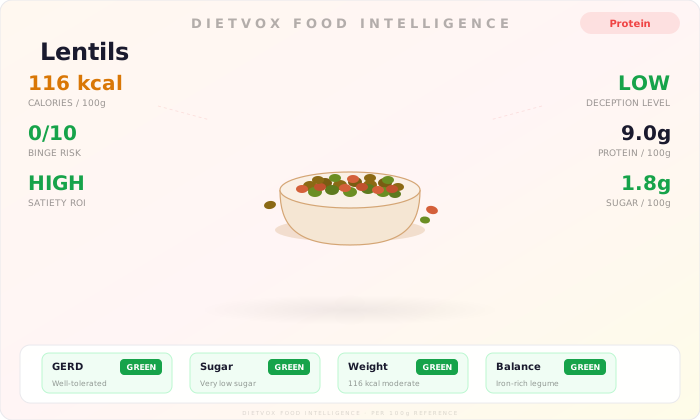
Lentils illustration

Lentils

116 kcal Protein
GREEN GERD
GREEN Sugar
GREEN Weight
GREEN Balance
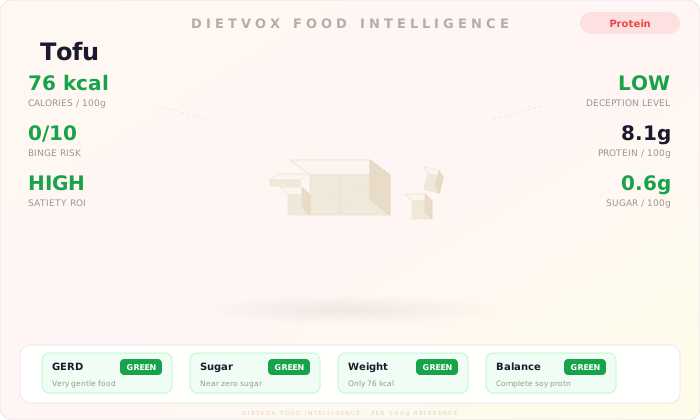
Tofu illustration

Tofu

76 kcal Protein
GREEN GERD
GREEN Sugar
GREEN Weight
GREEN Balance
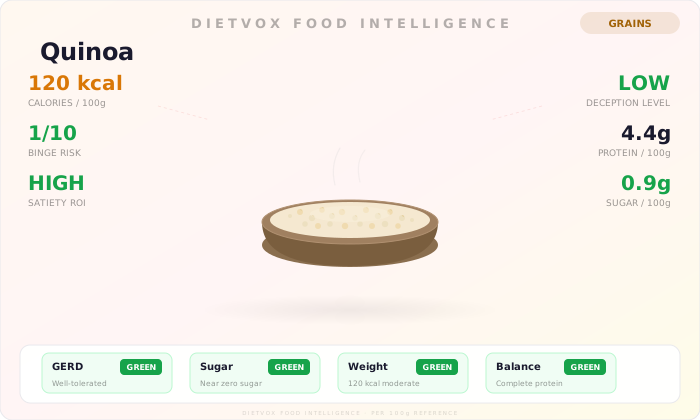
Quinoa illustration

Quinoa

120 kcal Grains
GREEN GERD
GREEN Sugar
AMBER Weight
GREEN Balance
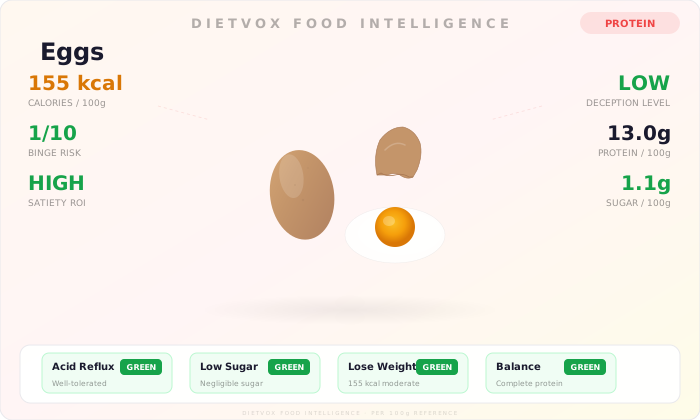
Eggs illustration

Eggs

155 kcal Protein
GREEN GERD
GREEN Sugar
GREEN Weight
GREEN Balance

Frequently Asked Questions

Is hummus safe to eat with acid reflux?

It depends. While the main ingredient, chickpeas, are GERD-friendly, traditional hummus also contains tahini (high in fat) and lemon juice (acidic), which are common reflux triggers. A safer option is to make a modified version at home with minimal tahini and lemon juice, or to mash plain chickpeas with herbs for a simple, safe dip.

Can canned chickpeas trigger GERD symptoms?

Canned chickpeas are generally safe and convenient for a GERD diet. To minimise any potential for irritation, it is best to choose varieties with no added salt. We also recommend rinsing them thoroughly in a colander before use to wash away excess sodium and preservatives.

Does roasting chickpeas make them worse for acid reflux?

Roasting can be an excellent way to prepare chickpeas for a GERD-friendly diet. The key is to use a very small amount of oil and to avoid trigger spices like chilli or black pepper. Lightly tossing them in a teaspoon of olive oil and roasting until crisp creates a high-fibre snack that is much safer than deep-fried alternatives like falafel, which contain significant amounts of fat.

How does the fibre in chickpeas help with GERD?

The high dietary fibre in chickpeas supports a healthy digestive system by promoting regular bowel movements. This helps prevent constipation, which can increase pressure within the abdomen. According to source review, elevated intra-abdominal pressure is a mechanical factor that can contribute to acid reflux by pushing stomach acid past the lower esophageal sphincter (LES). Therefore, a high-fibre diet can be a supportive strategy in managing GERD symptoms. PubMed

Are chickpeas better than other beans for an acid reflux diet?

Most beans and legumes, including chickpeas, are great choices for a GERD diet due to their high-fibre and low-fat profile. Chickpeas are often particularly well-tolerated. The main consideration is not the bean itself, but the preparation. Dishes like chilli or baked beans, which typically include acidic tomatoes, onions, and spices, are likely to cause symptoms regardless of the bean used.

Related Reading