DietVox Rating: GREEN
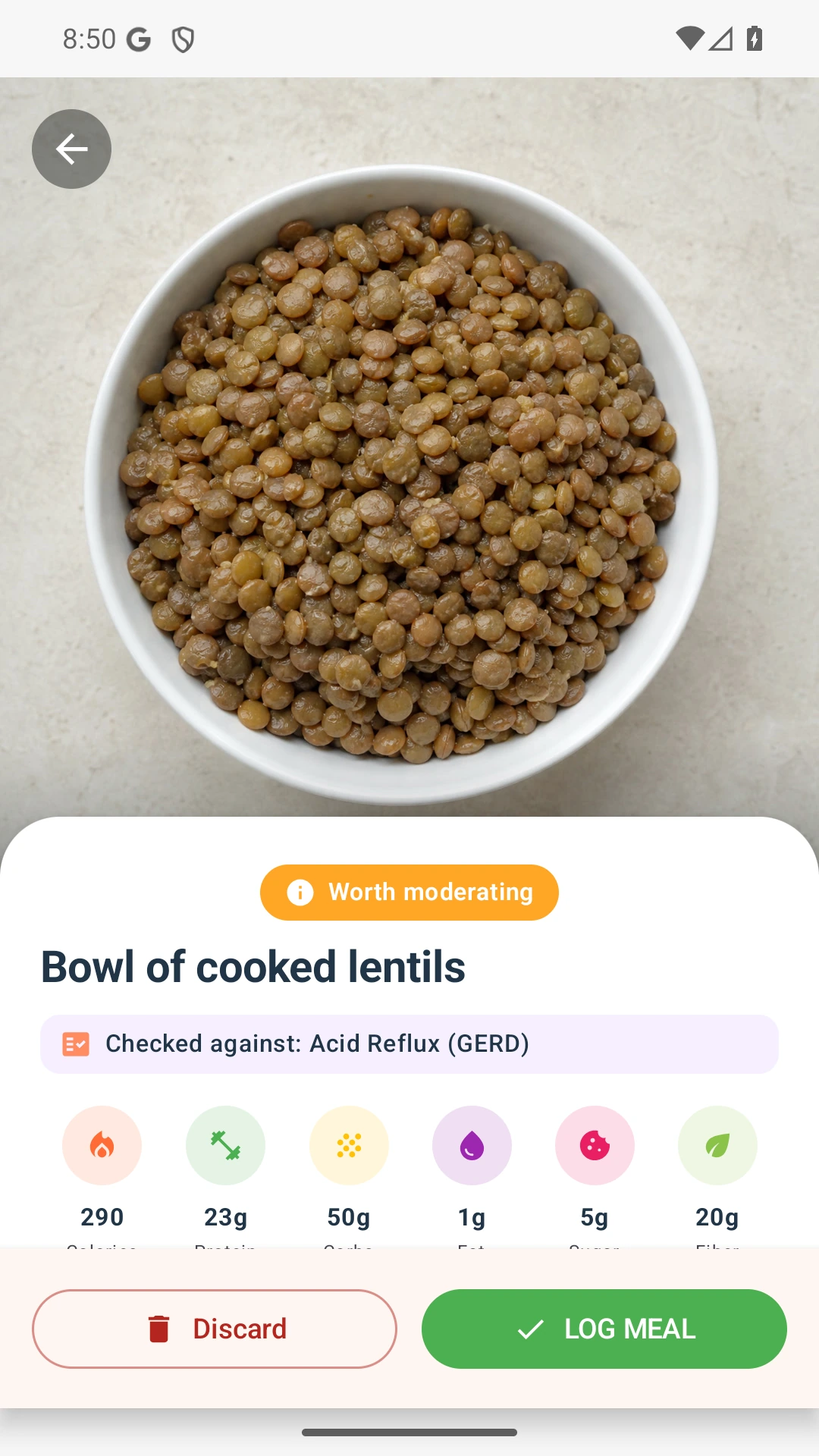
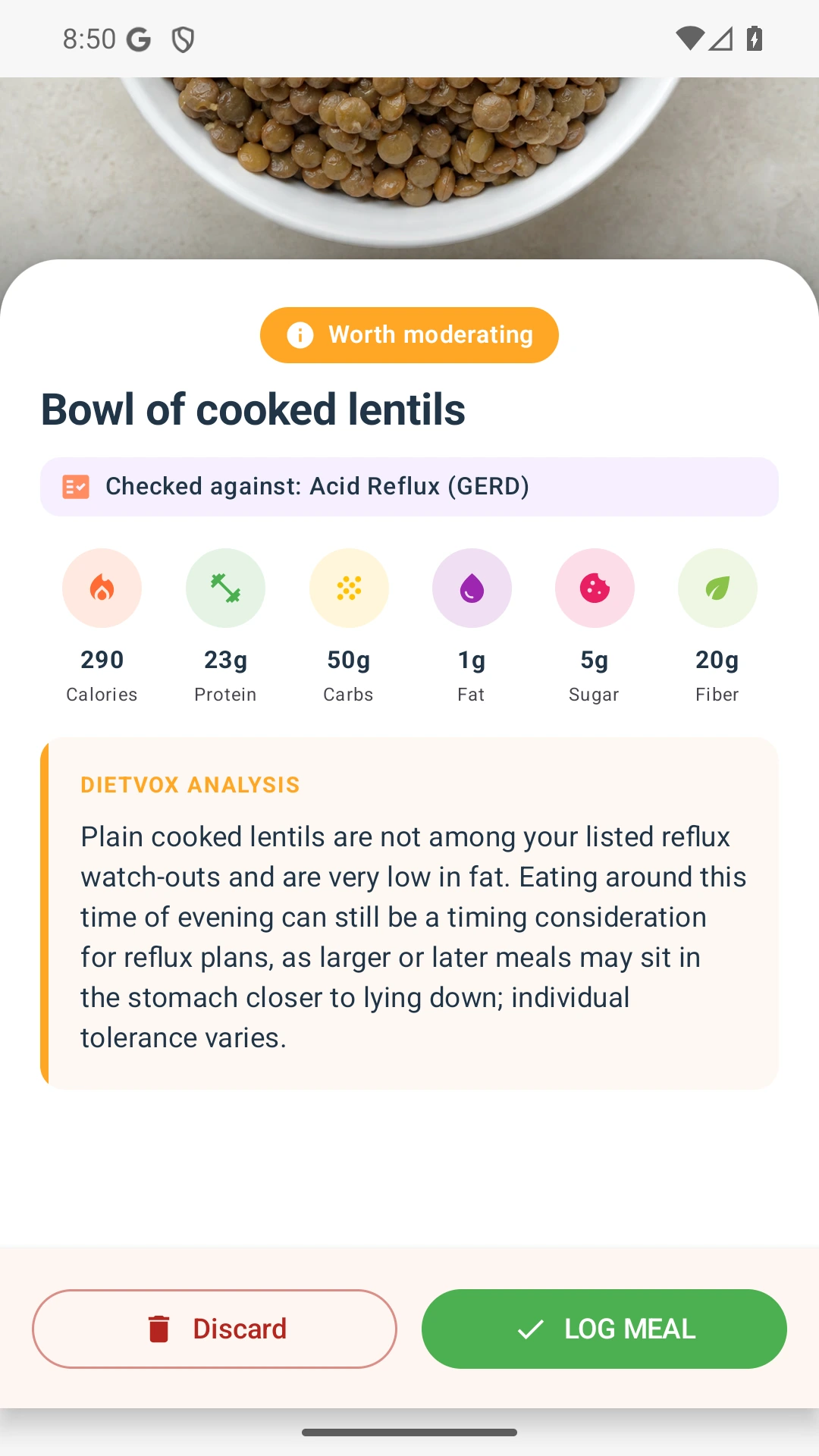
For individuals managing Gastroesophageal Reflux Disease (GERD), finding safe, nutritious, and satisfying foods is paramount. Based on a review of nutrition data and relevant guidance, DietVox rates lentils as GREEN for a GERD (Acid Reflux) diet. This rating signifies that lentils are generally well-tolerated, unlikely to trigger reflux symptoms, and can be a beneficial component of a GERD-friendly eating plan. This article explores the relationship between lentils acid reflux, breaking down the nutrition profile and providing practical guidance for incorporating them into your diet safely.
Lentils are a nutrient-dense legume celebrated for their high fibre, plant-based protein, and extremely low fat content. These characteristics make them an excellent choice for promoting digestive health without aggravating the common mechanisms behind acid reflux. While some individuals may experience gas or bloating, this is a separate digestive response and not a trigger for GERD itself.
A Nutritional Profile for GERD Management
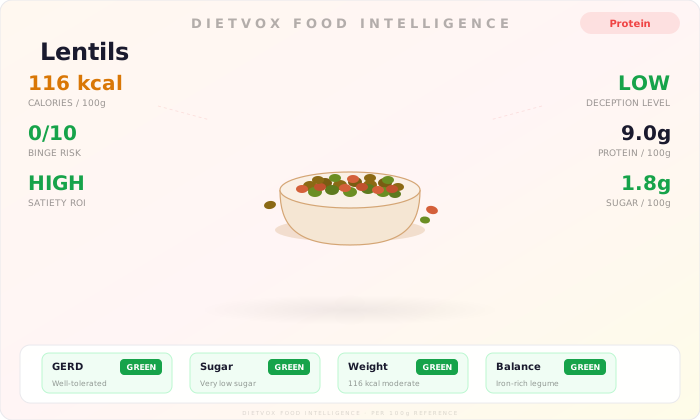
Understanding the nutritional composition of lentils is key to appreciating their GREEN rating. Per a 100-gram cooked portion, lentils provide a balanced profile that aligns well with dietary recommendations for GERD USDA FoodData Central (FDC ID 172421).
- Calories: 116 kcal
- Protein: 9.0 g
- Fat: 0.4 g
- Carbohydrates: 20.1 g
- Dietary Fibre: 7.9 g
- Sugars: 1.8 g
The most critical value for GERD management here is the fat content. At just 0.4 grams per 100g, lentils are exceptionally lean. High-fat foods are a well-documented trigger for acid reflux as they can relax the lower esophageal sphincter (LES) and delay stomach emptying, increasing the opportunity for stomach acid to splash back into the esophagus American College of Gastroenterology acid reflux guidance.
Furthermore, the substantial 7.9 grams of dietary fibre support overall digestive regularity. Available sources suggest that diets rich in fibre may be associated with a reduced risk of GERD symptoms. A source review listed in PubMed found that increased dietary fibre intake could decrease the frequency of heartburn and regurgitation PubMed / NIH.
Practical Tips for Including Lentils in a GERD Diet
While lentils are rated GREEN, their preparation and the foods they are paired with are crucial for preventing symptoms. Common GERD triggers like tomatoes, onions, garlic, and excessive spice are often cooked with lentils, which can lead to the mistaken belief that lentils themselves are the problem.
GERD-Friendly Preparation Methods * Simple Soups and Stews: Prepare lentil soup using a low-acid vegetable or chicken broth. Use herbs like parsley, basil, and thyme for flavour instead of hot spices or large amounts of onion and garlic. * Salads: Cooked and cooled lentils are an excellent addition to salads. Combine them with leafy greens, cucumber, and a light, non-vinegar-based dressing made with a touch of lemon juice (if tolerated) and olive oil. * Side Dishes: Serve plain, cooked lentils as a high-fibre, high-protein side dish to accompany lean proteins like grilled chicken or fish. * Purees and Dips: Blend cooked lentils with herbs and a little water or broth to create a GERD-friendly dip for vegetables like carrots and celery.
What to Avoid To keep your lentil dishes GERD-friendly, avoid cooking them with: * High-fat ingredients: Cream, excessive oil, butter, or fatty meats. * Acidic ingredients: Tomatoes, tomato paste, and vinegar. * Common triggers: Large quantities of onion, garlic, peppermint, and spicy seasonings like chilli powder or cayenne pepper NHS.
Managing Potential Bloating and Gas
The high fibre content in lentils can sometimes cause gas and bloating, especially for those not accustomed to a high-fibre diet. This discomfort is due to the fermentation of indigestible carbohydrates by gut bacteria and is not related to acid reflux.
To minimise this effect: 1. Introduce Gradually: Start with a small portion (e.g., a quarter cup) and slowly increase your intake over several weeks. 2. Rinse Thoroughly: Rinse canned or dried lentils well before cooking to wash away some of the gas-producing compounds. 3. Soak Dried Lentils: Soaking dried lentils for a few hours and discarding the soaking water before cooking can help make them easier to digest.
By following these tips, you can enjoy the many health benefits of lentils without digestive discomfort, making them a valuable and reliable staple in your GERD management plan.
Disclaimer: This article is for informational purposes only and does not constitute medical advice. Always consult a healthcare provider before making changes to your diet, especially if you have a medical condition.
Scan your foods with the DietVox app to get personalized ratings based on your specific dietary needs and health goals.
Last reviewed: June 2026
How It Works
Why Lentils are Rated GREEN
Lentils earn a GREEN rating for the GERD (Acid Reflux) Diet due to a combination of three key nutritional factors that align with clinical dietary guidelines for managing reflux symptoms.
- Extremely Low Fat Content: The primary reason for their favourable rating is their minimal fat content. With only 0.4g of fat per 100g, lentils do not trigger the two main fat-related GERD mechanisms: relaxation of the lower esophageal sphincter (LES) and delayed gastric emptying. The American College of Gastroenterology (ACG) guidelines identify fatty foods as a common lifestyle factor that can worsen reflux ACG. By choosing low-fat foods like lentils, you reduce the likelihood of these physiological responses, helping to keep the barrier between the stomach and esophagus secure.
- High in Beneficial Dietary Fibre: Lentils are a rich source of dietary fibre, providing nearly 8g per 100g serving. High-fibre foods contribute to a healthy digestive system by promoting satiety and regular bowel movements. This can help prevent constipation and excess pressure on the stomach, which might otherwise exacerbate reflux. source support suggests a diet rich in fibre can have a protective effect against GERD Harvard Health Publishing. The fibre in lentils adds bulk to meals, promoting a feeling of fullness (high satiety) which can help prevent overeating—another common trigger for heartburn.
- A Good Source of Lean, Plant-Based Protein: Providing 9g of protein per 100g, lentils are an excellent non-animal protein source. Unlike fatty cuts of meat, which can trigger reflux, lentils offer protein without the associated fat. This makes them an ideal food for building satisfying, GERD-friendly meals that support overall health without compromising symptom management.
Scan any food. Get an instant RED/AMBER/GREEN rating.
DietVox analyses every food across 4 diet protocols — no guesswork.
Try DietVox Free →Try These Instead
Safer alternatives that won't trigger your symptoms.
Frequently Asked Questions
Can lentil soup trigger my acid reflux?
Lentil soup itself is not a trigger, but the ingredients it's made with can be. To keep it GERD-friendly, avoid common triggers like tomatoes, large amounts of onion or garlic, and spicy seasonings. Opt for a simple broth base with non-acidic vegetables and mild herbs for flavour.
Do different types of lentils (red, brown, green) affect GERD differently?
No, the nutritional differences between common lentil varieties are minor in the context of GERD. All types are very low in fat and high in fibre, making them equally suitable for a GERD diet. The most important factor is how you prepare them and what you serve them with.
Lentils give me gas. Does this mean they are bad for my GERD?
Gas and bloating are common side effects of increasing fibre intake and are not the same as acid reflux. While the discomfort can be unpleasant, it does not typically worsen GERD symptoms. To minimise gas, introduce lentils into your diet slowly, rinse them well, and consider soaking them before cooking.
Are lentils considered an acidic food?
No, lentils are not considered an acidic food and do not contribute to the acid load in the stomach. They are a neutral to slightly alkaline-forming food, making them a safe choice for a GERD diet, which often recommends avoiding highly acidic foods like citrus and tomatoes American College of Gastroenterology acid reflux guidance.