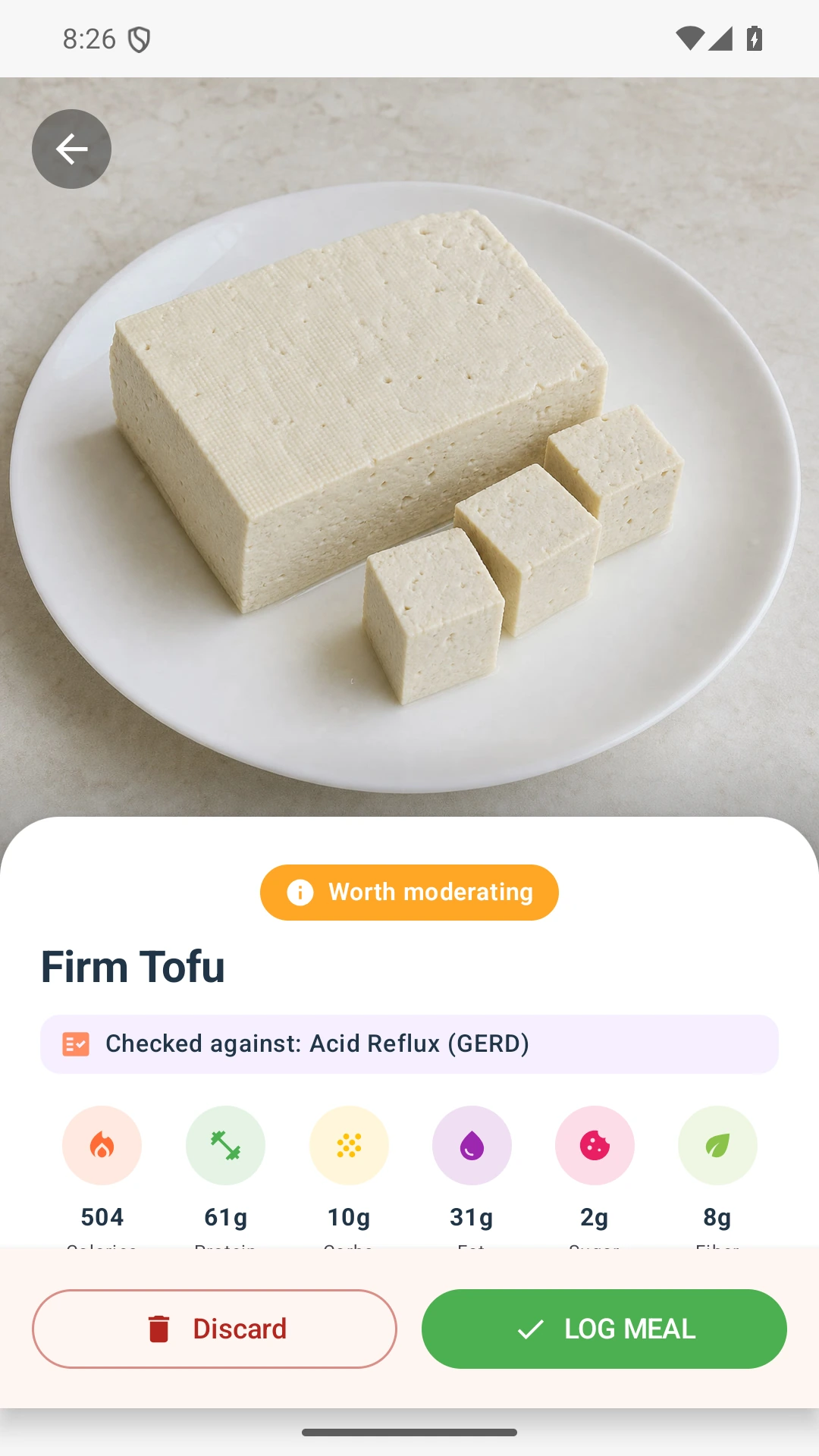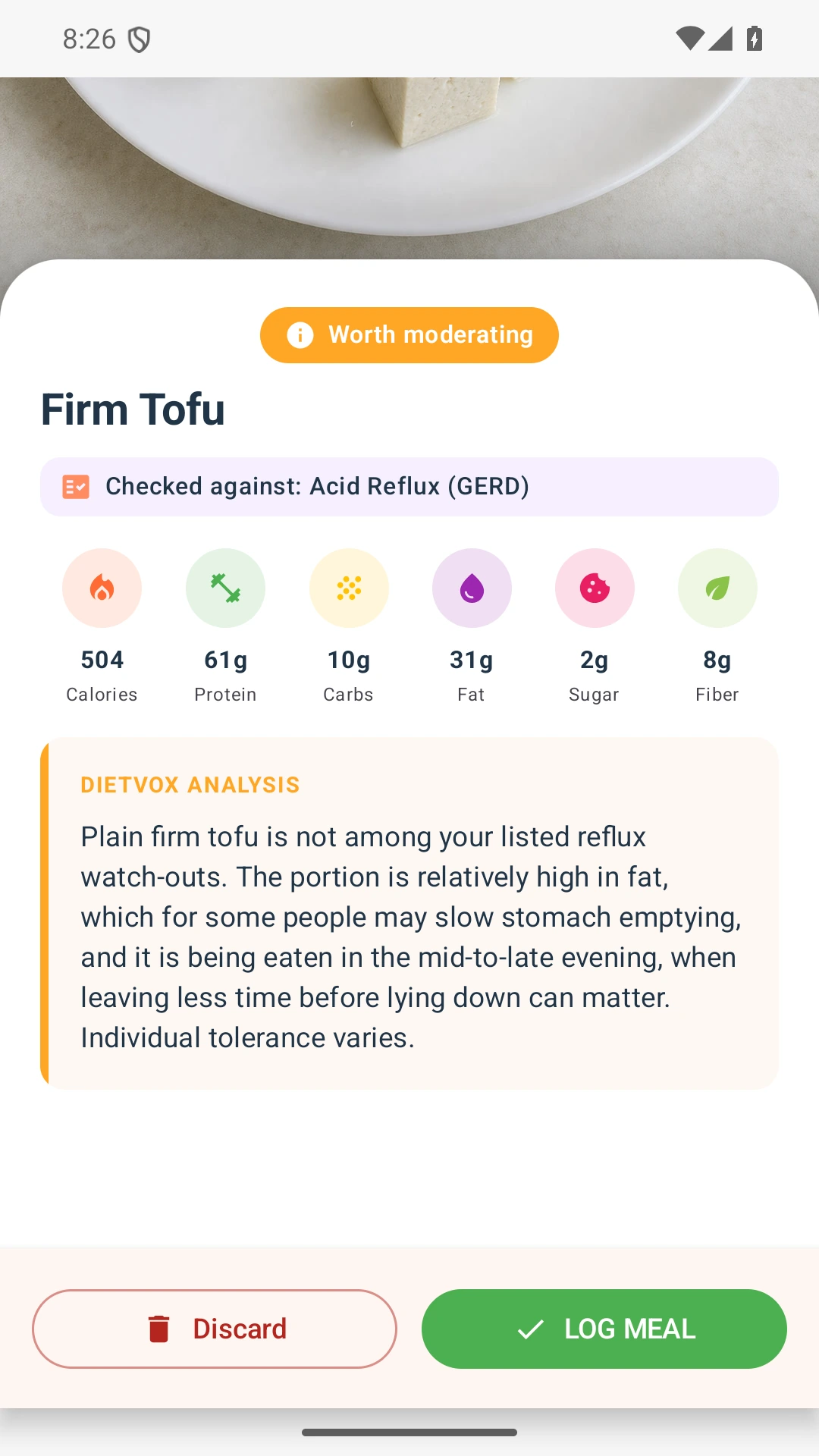
DietVox Rating: GREEN
For individuals managing Gastroesophageal Reflux Disease (GERD), a common question is tofu good for gerd? The answer, based on clinical dietary principles, is a definitive yes. DietVox rates tofu as GREEN for a GERD (Acid Reflux) diet, indicating it is a safe and recommended food that is highly unlikely to trigger reflux symptoms when prepared correctly.
Our GREEN rating signifies that tofu's nutritional profile aligns perfectly with established dietary strategies for managing GERD. It is a lean, low-fat, low-acid protein source with a soft texture, making it an ideal component of a reflux-friendly eating plan. This article reviews why tofu is an excellent choice for your GERD diet, how to incorporate it safely, and what the source-reviewed data reveals.
A Clinical Look at Tofu's Nutrition for GERD
Understanding the nutritional composition of tofu is key to appreciating its suitability for a GERD diet. The primary goal of a GERD diet is to avoid foods that trigger symptoms, such as those that are high in fat, acid, or spice NHS. Tofu's profile excels in these areas.
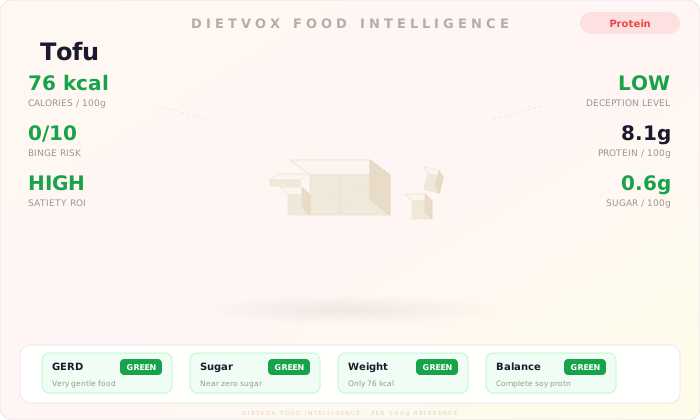
Based on data from the USDA FoodData Central, a 100-gram serving of firm tofu contains:
- Calories: 76 kcal
- Protein: 8.1 g
- Fat: 4.8 g (of which only 0.7 g is saturated)
- Carbohydrates: 1.9 g
- Dietary Fibre: 0.3 g
Low Fat Content
The most critical factor for GERD management is fat intake. High-fat meals can delay stomach emptying and relax the lower esophageal sphincter (LES), the muscle that prevents stomach acid from flowing back into the esophagus American College of Gastroenterology acid reflux guidance. Tofu contains only 4.8 grams of fat per 100g, making it a lean choice. This is significantly lower than many animal proteins like fatty cuts of beef or pork, which are often advised against in GERD protocols.
High-Quality Lean Protein
Dietary guidelines for acid reflux consistently recommend choosing lean protein sources. Tofu provides 8.1 grams of high-quality, plant-based protein. This helps promote satiety (the feeling of fullness) without the high fat load that can exacerbate reflux. Adequate protein is essential for overall health, and tofu provides a safe way to meet these needs without risking discomfort.
Low-Acid Profile
While tofu's exact pH can vary, it is considered a low-acid or neutral food. Diets for GERD management strongly advise limiting highly acidic foods like citrus fruits, tomatoes, and vinegar, as they can irritate an already-inflamed esophagus and potentially worsen symptoms NHS. Tofu's gentle, non-acidic nature ensures it does not contribute to the acid load in the stomach.
Easy Digestibility
With only 0.3g of dietary fibre and a soft texture, tofu is very easy to digest. Foods that are difficult to digest can sit in the stomach for longer periods, increasing the pressure on the LES and the likelihood of a reflux event. Tofu's simple composition allows for quicker gastric emptying, reducing this risk.
Practical Tips for Incorporating Tofu into a GERD Diet
While tofu itself is GERD-friendly, the preparation method and accompanying ingredients are crucial. A safe food can easily become a trigger if cooked or seasoned improperly.
The Best Cooking Methods
To keep the fat content low, avoid frying tofu in large amounts of oil. Frying can turn this lean protein into a high-fat trigger food. Instead, opt for these reflux-friendly methods:
- Baking or Roasting: Press firm or extra-firm tofu to remove excess water, cut it into cubes, and bake on a parchment-lined sheet until golden. You can use a minimal amount of a high-smoke point oil spray if needed.
- Steaming: Steaming is an excellent fat-free method that preserves tofu's soft texture. It works well for soft or silken tofu.
- Grilling: Marinate tofu in GERD-friendly ingredients and grill it. This adds a smoky flavour without adding fat.
- Scrambling: A tofu scramble is a great alternative to eggs. Crumble firm tofu and cook it in a non-stick pan with a tiny amount of oil or water.
Safe Seasonings and Sauces
Many common sauces and seasonings are major GERD triggers. Avoid the following:
- Spicy: Chilli powder, cayenne pepper, hot sauce.
- Acidic: Tomato-based sauces, lemon juice, vinegar.
- High-Fat: Creamy sauces, cheese sauces, peanut sauce.
- Irritants: Large amounts of garlic, onion, or black pepper can be problematic for some individuals American College of Gastroenterology acid reflux guidance.
Instead, flavour your tofu with these gentle options:
- Fresh Herbs: Basil, parsley, cilantro, dill, and rosemary add flavour without irritation.
- Mild Spices: Turmeric, coriander, and a small amount of ginger are generally well-tolerated.
- Low-Acid Sauces: A sauce made from blended roasted carrots and nutritional yeast can create a savoury, cheese-like flavour. A light, low-sodium tamari or coconut aminos can be used in moderation.
Addressing Common Concerns
Is Soy Inflammatory?
This is a common misconception. For the vast majority of people, soy is not inflammatory. In fact, numerous source reviews suggest that soy foods may have anti-inflammatory properties due to their high concentration of isoflavones. According to NCCIH soy overview, whole soy foods like tofu are a healthy part of a balanced diet and are not linked to negative health outcomes in most individuals.
Does Tofu Cause Gas and Bloating?
For some people, particularly those not accustomed to eating soy, tofu may cause mild gas or bloating initially. This is often temporary as your digestive system adjusts. If you are new to tofu, it is best to start with a small portion and see how you feel. Gas and bloating can also put pressure on the stomach and potentially worsen reflux, so it's wise to introduce it gradually into your GERD diet.
Disclaimer: This article is for informational purposes only and does not constitute medical advice. Always consult a healthcare provider before making changes to your diet, especially if you have a medical condition.
Scan your foods with the DietVox app to get personalized ratings based on your specific dietary needs and health goals.
Last reviewed: June 2026
How It Works
Why Tofu is Rated GREEN
Tofu's GREEN rating for the GERD (Acid Reflux) Diet is based on four key biomechanical and nutritional properties that align with clinical dietary guidelines for managing reflux.
- Low Fat Content Prevents LES Relaxation: The primary mechanism by which many foods trigger GERD is by relaxing the lower esophageal sphincter (LES). High-fat foods are a major culprit in this process, delaying stomach emptying and reducing LES pressure American College of Gastroenterology acid reflux guidance. Tofu is exceptionally low in fat (4.8g per 100g), which helps maintain normal LES function and prevents acid from backing up into the esophagus.
- Low-Acid Nature Avoids Irritation: Acidic foods can directly irritate the sensitive lining of the esophagus and may worsen heartburn symptoms NHS. Tofu is a neutral, non-acidic food. It does not contribute to the stomach's acid load, making it a soothing and safe choice, especially during a reflux flare-up.
- Soft Texture Promotes Rapid Gastric Emptying: Foods that are difficult to break down can linger in the stomach, increasing intragastric pressure and the risk of reflux. Tofu's soft, uniform texture requires minimal digestive effort. This facilitates faster gastric emptying, reducing the time window during which reflux can occur.
- Provides Lean, Non-Triggering Protein: health guidance from bodies like the American College of Gastroenterology (ACG) emphasize lifestyle modifications, including dietary choices. Sourcing protein from lean foods is a cornerstone of this advice. Tofu provides high-quality protein without the associated high saturated fat found in red and processed meats, which are known to aggravate GERD symptoms.
Scan any food. Get an instant RED/AMBER/GREEN rating.
DietVox analyses every food across 4 diet protocols — no guesswork.
Try DietVox Free →Try These Instead
Safer alternatives that won't trigger your symptoms.
Frequently Asked Questions
How should I cook tofu to avoid acid reflux?
The best cooking methods for tofu on a GERD diet are those that do not add significant fat. Opt for baking, steaming, grilling, or air-frying with minimal oil. Avoid deep-frying or pan-frying in a lot of oil, as high-fat preparations are a common reflux trigger, according to clinical advice from sources like the American College of Gastroenterology acid reflux guidance.
Can I eat fried tofu if I have GERD?
It is generally not recommended. While tofu itself is GERD-friendly, the act of frying adds a large amount of fat. High-fat foods are known to relax the lower esophageal sphincter (LES), which can directly cause or worsen acid reflux symptoms. A baked or steamed tofu dish is a much safer alternative.
Which type of tofu is best for a GERD diet: firm or silken?
Both firm and silken tofu are excellent choices for a GERD diet. Silken tofu is exceptionally soft and smooth, making it very easy to digest and ideal for smoothies, puddings, or gentle, creamy sauces. Firm and extra-firm tofu are more versatile for baking and grilling but should be prepared using low-fat methods. The best choice depends on your intended recipe.
Is tofu better than chicken for GERD?
Both tofu and skinless chicken breast are rated GREEN and are considered excellent lean protein sources for a GERD diet. Neither is inherently 'better'; the choice depends on personal preference and dietary variety. Tofu has the advantage of being a plant-based protein with zero cholesterol and very low saturated fat. Both are safe options when prepared without high-fat or acidic ingredients.