DietVox Rating: GREEN
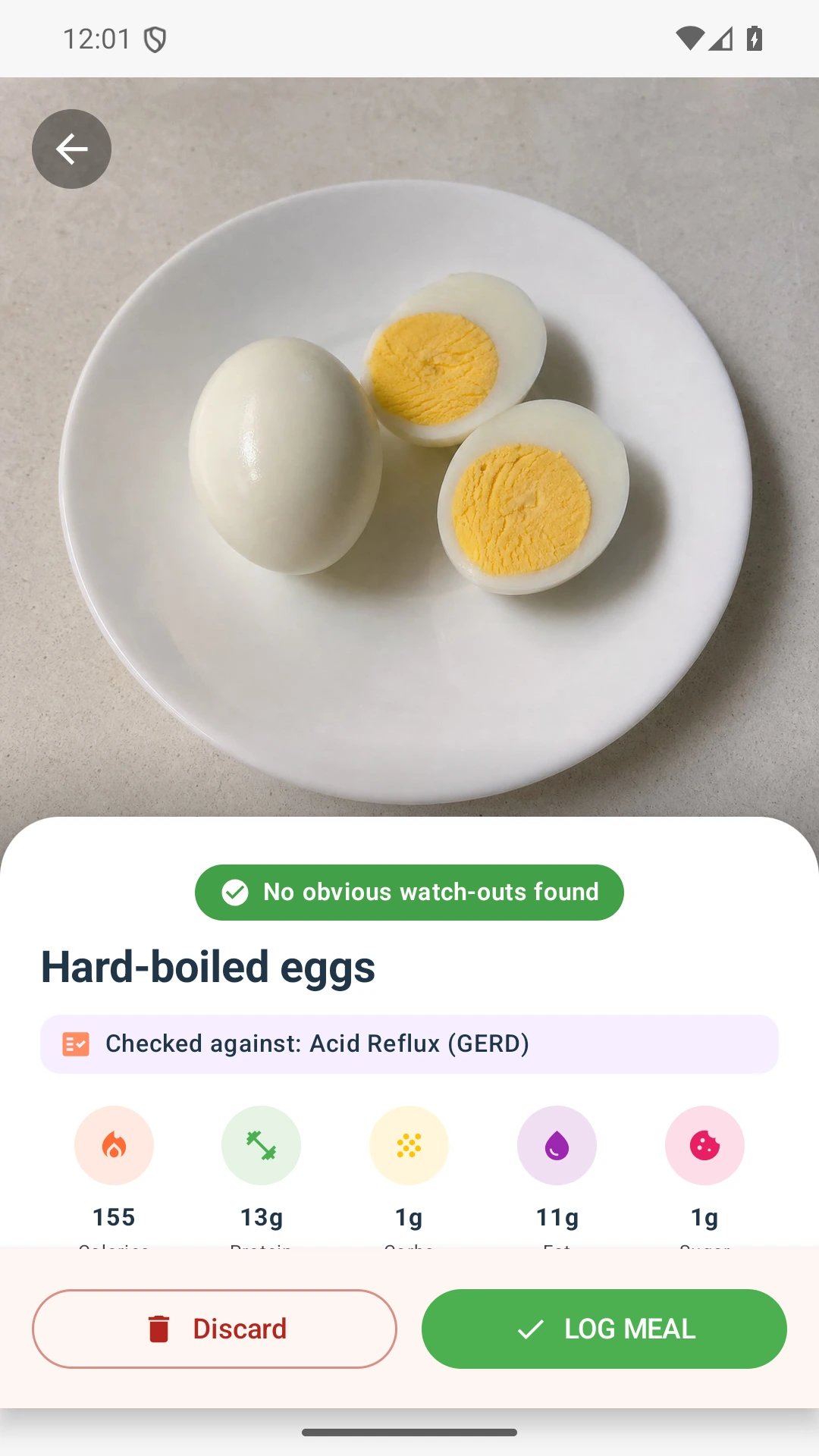
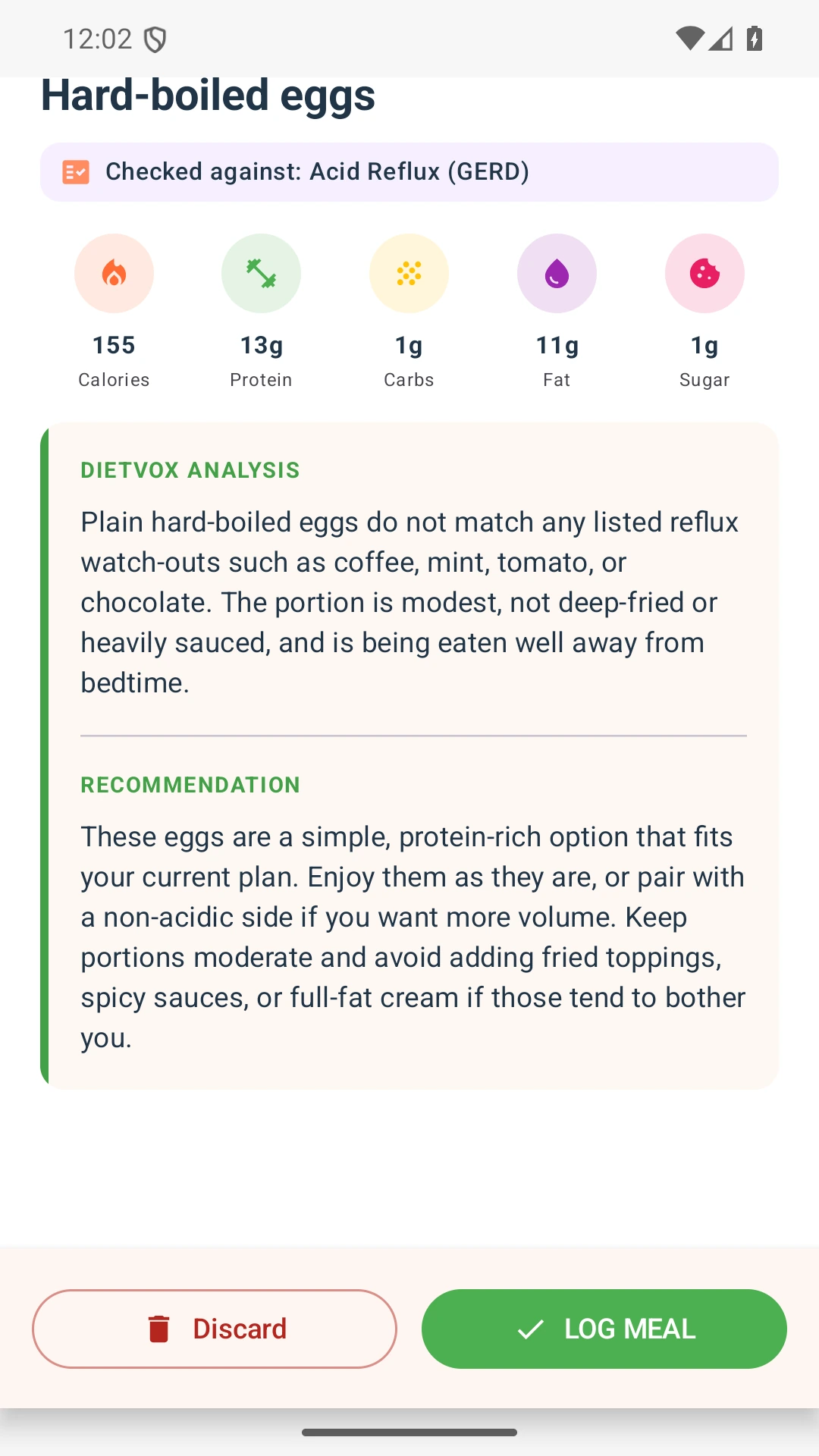
Eggs are rated GREEN for a GERD (Acid Reflux) diet, signifying they are generally well-tolerated and unlikely to trigger symptoms for most individuals. The question of eggs gerd compatibility is common, and the cited review suggests they can be a safe and nutritious part of a reflux-friendly eating plan, provided one crucial factor is considered: preparation method. While eggs themselves are not inherently problematic, the way they are cooked and what they are served with can significantly alter their impact on GERD symptoms.
This article reviews why eggs receive a GREEN rating, how their nutritional profile interacts with GERD mechanisms, and practical strategies for incorporating them into your diet without causing discomfort.
The Nutritional Profile of Eggs for GERD
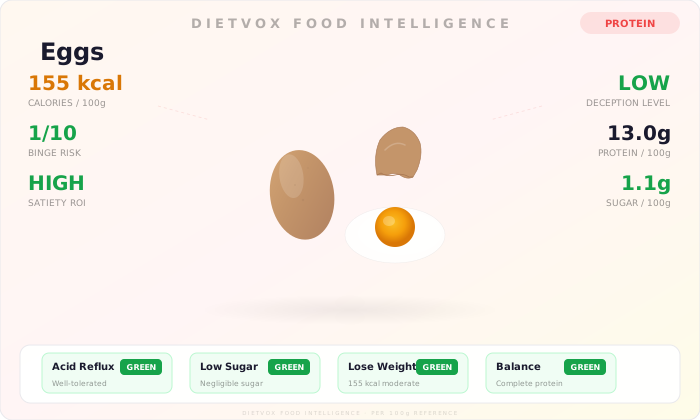
To understand the role of eggs in a GERD diet, we must first examine their nutritional composition. Per 100g (approximately two large eggs), they contain:
- Calories: 155 kcal
- Protein: 13.0 g
- Fat: 11.0 g
- Carbohydrates: 1.1 g
This data is based on the standard reference from the USDA FoodData Central. For GERD management, the key component to focus on is the fat content.
High-fat foods are known triggers for acid reflux. They can delay gastric emptying, meaning food sits in the stomach longer, increasing the opportunity for reflux to occur. Furthermore, dietary fat can relax the lower esophageal sphincter (LES), the muscular valve that prevents stomach acid from flowing back into the esophagus American College of Gastroenterology acid reflux guidance. The 11.0g of fat in 100g of whole eggs places them in a moderate-fat category. However, this fat is almost entirely contained within the yolk.
Egg Whites vs. Whole Eggs: A Crucial Distinction
The primary reason eggs are considered safe for GERD is the distinction between the white and the yolk:
- Egg Whites: Are a powerhouse of protein with virtually no fat or carbohydrates. This makes them an exceptionally safe choice for individuals with GERD, as they provide high-quality protein without the primary reflux-triggering macronutrient.
- Egg Yolks: Contain all the fat found in an egg, along with essential fat-soluble vitamins (like Vitamin A and D) and minerals. While nutritious, the fat content is what may cause issues for highly sensitive individuals.
For many, whole eggs prepared using low-fat methods are perfectly tolerable. For those who are more sensitive to dietary fat, sticking to egg whites is a guaranteed way to avoid potential symptoms.
The Critical Role of Preparation
The GREEN rating for eggs is heavily dependent on how they are cooked. Adding fat during the cooking process can transform a GERD-friendly food into a significant trigger.
GERD-Friendly Cooking Methods * Boiled (Hard or Soft): This method adds no extra fat, making it one of the safest ways to consume eggs. * Poached: Similar to boiling, poaching uses water to cook the egg, preserving its low-fat profile. * Scrambled (Dry or with Water/Skim Milk): Scrambling eggs in a non-stick pan without butter or oil, or with a splash of water, keeps them GERD-friendly. Avoid using large amounts of butter, cream, or whole milk.
Cooking Methods to Avoid or Limit * Fried: Frying eggs in butter, margarine, or oil significantly increases the overall fat content of the meal. The NHS and other health authorities consistently recommend avoiding or limiting fried and greasy foods to manage reflux symptoms. * Omelettes with High-Fat Fillings: An omelette made with egg whites and vegetables can be a great choice. However, an omelette made with whole eggs and filled with cheese, bacon, or sausage becomes a high-fat meal that is very likely to trigger reflux.
Practical Tips for Eating Eggs on a GERD Diet
- Start with Low-Fat Methods: Begin by incorporating boiled or poached eggs into your diet to see how you tolerate them.
- Mind Your Pairings: What you eat with your eggs matters. Serve them with whole-grain toast (with minimal to no butter), a side of oatmeal, or steamed spinach. Avoid common high-fat pairings like bacon, sausage, and home fries.
- Consider Egg Whites: If you find whole eggs cause discomfort, switch to egg whites. You can buy liquid egg whites for convenience.
- Listen to Your Body: GERD triggers are highly individual. Keeping a food diary can help you identify whether whole eggs, or specific preparation methods, are problematic for you personally American College of Gastroenterology.
- Watch Portion Sizes: Even a safe food can cause issues in large quantities. A serving of one or two eggs is a reasonable amount for a meal.
By focusing on low-fat preparation and mindful pairings, eggs can be a valuable, satisfying, and symptom-free component of a well-managed GERD diet.
Disclaimer: This article is for informational purposes only and does not constitute medical advice. Always consult a healthcare provider before making changes to your diet, especially if you have a medical condition.
Scan your foods with the DietVox app to get personalized ratings based on your specific dietary needs and health goals.
Last reviewed: June 2026
How It Works
Why Eggs are Rated GREEN
Eggs earn a GREEN rating for the GERD (Acid Reflux) Diet due to a combination of their nutritional profile and the high degree of control over preparation. The rating is conditional on choosing low-fat cooking methods.
- Low Acidity: Eggs are a low-acid food. They do not contribute to the acidic load in the stomach and are unlikely to cause chemical irritation to an already-sensitive esophagus, a common issue with foods like citrus and tomatoes.
- High-Quality Protein Source: With 13.0g of protein per 100g, eggs are an excellent source of this highly satiating macronutrient. Protein can help you feel full, which may prevent overeating—a known risk factor for reflux. Egg whites, in particular, are almost pure protein and are exceptionally well-tolerated.
- Containment of Fat: The primary GERD trigger in food is often high fat content, which can delay stomach emptying and relax the lower esophageal sphincter (LES) American College of Gastroenterology acid reflux guidance. In eggs, the fat is conveniently isolated in the yolk. This allows individuals to easily modulate their fat intake by choosing egg whites over whole eggs if they are particularly sensitive.
- Preparation Method is Key: The GREEN rating is contingent on avoiding high-fat cooking methods. When eggs are boiled, poached, or scrambled without added fats, they remain a low-to-moderate fat food. This contrasts with foods that are inherently high in fat regardless of preparation. This control over the final macronutrient profile makes eggs a versatile and safe option for GERD management.
Scan any food. Get an instant RED/AMBER/GREEN rating.
DietVox analyses every food across 4 diet protocols — no guesswork.
Try DietVox Free →Try These Instead
Safer alternatives that won't trigger your symptoms.
Frequently Asked Questions
Are fried eggs bad for acid reflux?
Yes, fried eggs are often a trigger for acid reflux. The issue isn't the egg itself, but the high amount of fat (from butter, oil, or ghee) used for frying. High-fat foods can relax the lower esophageal sphincter (LES) and delay stomach emptying, both of which promote reflux. The NHS advises limiting fried foods for GERD management. Opt for boiled, poached, or dry-scrambled eggs instead.
Are egg yolks okay for GERD, or should I only eat egg whites?
Egg whites are an extremely safe option for GERD as they are high in protein and contain virtually no fat. The yolk contains all of the egg's fat, which can be a trigger for some people. Many individuals with GERD can tolerate whole eggs without issue, especially when boiled or poached. If you are highly sensitive to dietary fat or are unsure, it's best to start with egg whites and see how your body responds.
What can I eat with eggs on a GERD-friendly diet?
To keep your meal GERD-friendly, pair eggs with other low-acid, low-fat foods. Excellent choices include oatmeal, whole-grain toast (with a thin layer of non-citrus jam or a small amount of avocado instead of butter), steamed spinach, or melon. Avoid pairing eggs with common trigger foods like bacon, sausage, cheese, home fries, or acidic tomato-based salsas.
Can deviled eggs trigger GERD symptoms?
Deviled eggs can potentially trigger GERD symptoms because they are typically made with mayonnaise, which is high in fat and can be acidic. The high fat content from the mayonnaise combined with the egg yolk can be a trigger for some. To make a more GERD-friendly version, consider using a small amount of Greek yogurt or a low-fat, low-acid mayonnaise substitute.