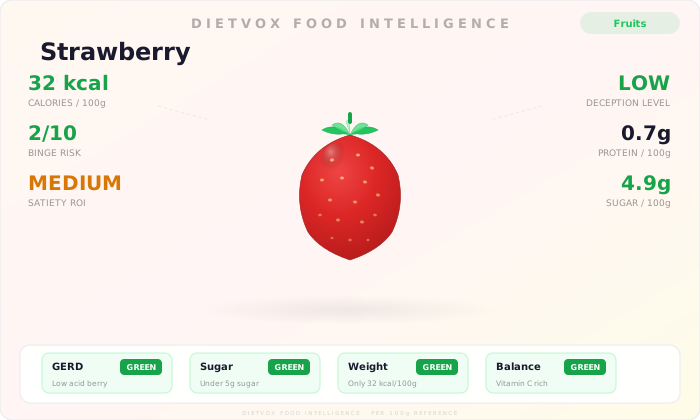
DietVox Rating: GREEN
For individuals following a Low Sugar Diet, Strawberry is rated GREEN, indicating it is an excellent and highly recommended food choice. This rating is based on its low sugar content, the nature of its sugars, and its favourable impact on blood glucose levels. For those asking is strawberry low carb and suitable for a sugar-conscious lifestyle, the source support strongly supports its inclusion. This article provides a detailed clinical breakdown of why strawberry is a superior fruit option for managing sugar intake.
A Deeper Look at Strawberry's Sugar and Carbohydrate Content
Understanding the nutritional profile of strawberry is key to appreciating its role in a low-sugar diet. Per 100 grams (about 2/3 of a cup), raw strawberry contains:
- Total Carbohydrates: 7.7g
- Dietary Fibre: 2.0g
- Total Sugars: 4.9g
Source: USDA FoodData Central (FDC ID 167762)
With only 4.9g of sugar per 100g, strawberry is one of the lowest-sugar fruits commonly available. Critically, these are not the 'free sugars' that health authorities advise limiting.
Intrinsic vs. Free Sugars: A Crucial Distinction
The World Health Organization (WHO) and the UK's National Health Service (NHS) differentiate between 'intrinsic' and 'free' sugars.
- Intrinsic sugars are naturally present within the cellular structure of whole foods, such as fruits and vegetables.
- Free sugars include all sugars added to foods by the manufacturer, cook, or consumer, plus sugars naturally present in honey, syrups, and unsweetened fruit juices WHO.
Dietary guidelines recommend reducing the intake of free sugars. The 4.9g of sugar in whole strawberries is intrinsic. It comes packaged with fibre, water, vitamins, and minerals, which fundamentally changes how the body processes it. The fibre slows down the absorption of sugar into the bloodstream, preventing the sharp spikes in blood glucose associated with free sugars.
Glycemic Index and Blood Sugar Impact
Beyond the raw sugar count, the Glycemic Index (GI) is a vital metric for a low-sugar diet. The GI ranks carbohydrate-containing foods based on how quickly they raise blood glucose levels. Strawberry has a low GI of approximately 40 International glycemic index tables review.
Foods with a low GI (55 or less) are digested and absorbed more slowly, leading to a gradual and smaller rise in blood sugar and insulin levels. This is highly beneficial for metabolic health, helping to improve blood glucose control and reduce the risk of type 2 diabetes American Diabetes Association food and nutrition guidance. The 2.0g of dietary fibre in every 100g of strawberries plays a significant role in achieving this low GI score.
Comprehensive Nutritional Profile
While low in sugar, strawberry is dense in valuable micronutrients, making it a functional food that supports overall health.
Calorie Density and Satiety
At just 32 calories per 100g, strawberry has a very low calorie density. This allows for generous portion sizes without a significant caloric impact, which is advantageous for weight management. However, our Health Forensics analysis notes a Low Satiety ROI. With only 0.7g of protein and 2.0g of fibre, strawberry on its own may not provide lasting fullness. To counteract this, it is best paired with sources of protein or healthy fat.
Vitamins and Antioxidants
Strawberry is an exceptional source of Vitamin C, providing 58.8mg per 100g — over 65% of the recommended daily intake for an adult USDA FoodData Central (FDC ID 167762). It is also rich in antioxidants, particularly polyphenols like anthocyanins, which give strawberries their red colour. Available sources suggest these compounds may play a role in improving insulin resistance and protecting against cardiovascular and metabolic diseases. A systematic review listed in PubMed highlights the potential benefits of berries in preventing metabolic syndrome PubMed.
Practical Tips for a Low-Sugar Diet
To maximize the benefits of strawberry while adhering to a low-sugar protocol, consider the following strategies:
- Prioritize Whole Fruit: Always choose fresh or unsweetened frozen strawberries over juices, jams, or dried versions. Processing often adds free sugars and removes beneficial fibre.
- Manage Portions: A typical serving is about one cup of whole strawberries (approx. 150g), which contains around 7.4g of sugar and 3g of fibre. This is a reasonable amount for most low-sugar and even some low-carb diet plans.
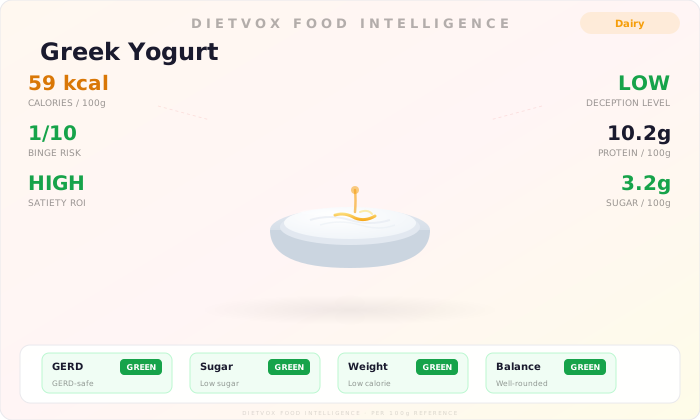
- Pair for Satiety: Combine strawberry with protein and fat to create a more satisfying snack or meal. Excellent pairings include full-fat Greek yogurt, a handful of almonds, or blending into a smoothie with protein powder and avocado.
- Avoid Sweetened Additions: Do not add sugar, honey, or syrup. If you need extra sweetness, consider a non-nutritive sweetener. Be mindful of what you serve it with, avoiding sweetened whipped creams or sugary desserts.
Addressing Common Misconceptions
Myth: All fruits are too high in sugar for a low-sugar diet. This is incorrect. Fruits vary dramatically in their sugar content. While a banana contains around 12g of sugar per 100g and a mango contains about 14g, strawberry's 4.9g is significantly lower. The fibre and nutrient package in whole fruits like strawberries make them a valuable part of a healthy, sugar-conscious diet.
Myth: Frozen strawberries are less nutritious than fresh. Unsweetened frozen strawberries are a fantastic option. They are typically flash-frozen at peak ripeness, which preserves their nutrient content, including Vitamin C USDA FoodData Central (FDC ID 167762). Always check the packaging to ensure there are no added sugars or syrups.
Disclaimer: This article is for informational purposes only and does not constitute medical advice. Always consult a healthcare provider before making changes to your diet, especially if you have a medical condition.
Scan your foods with the DietVox app to get personalized ratings based on your specific dietary needs and health goals.
Last reviewed: June 2026
How It Works
Why Strawberry is Rated GREEN
DietVox assigns Strawberry a GREEN rating for a Low Sugar Diet based on three key clinical factors:
- Low Absolute Sugar Content: With just 4.9g of sugar per 100g, strawberry is one of the lowest-sugar fruits available. This low quantity makes it easy to fit into a daily sugar budget without causing significant metabolic impact.
- Intrinsic, Not Free, Sugars: The sugar in whole strawberries is classified as 'intrinsic'. It is contained within the fruit's fibrous cellular walls. This structure means the sugar is released slowly during digestion, a stark contrast to 'free sugars' (like table sugar or juice concentrate) which are rapidly absorbed. This distinction is a cornerstone of modern dietary guidelines from bodies like the World Health Organization WHO.
- Low Glycemic Index (GI): Strawberry has a low GI of approximately 40. This means it does not cause a rapid spike in blood glucose levels after consumption. The presence of dietary fibre (2.0g per 100g) is instrumental in this effect, promoting stable blood sugar, which is a primary goal of any low-sugar or low-glycemic diet plan International glycemic index tables review.
Scan any food. Get an instant RED/AMBER/GREEN rating.
DietVox analyses every food across 4 diet protocols — no guesswork.
Try DietVox Free →Try These Instead
Safer alternatives that won't trigger your symptoms.
Frequently Asked Questions
How does the sugar in strawberry differ from the sugar in a candy bar?
The sugar in a whole strawberry is 'intrinsic,' meaning it's naturally bound within the fruit's fibrous cell structure. This fibre slows down digestion and the release of sugar into your bloodstream. The sugar in a candy bar is 'free sugar,' which is rapidly absorbed, causing a sharp spike in blood glucose. Health bodies like the NHS recommend limiting free sugars, not the intrinsic sugars found in whole fruits. FDA added sugars label guidance
Is strawberry low enough in carbs for a keto diet?
Strawberry can fit into a ketogenic diet, but portion control is essential. A 100g serving contains 7.7g of total carbs and 2.0g of fibre, resulting in 5.7g of net carbs. For a strict keto diet (under 20-25g net carbs per day), a smaller portion of 50-75g is more manageable. It is considered one of the most keto-friendly fruits available.
Are dried strawberries a good low-sugar option?
No, dried strawberries are not a good low-sugar option. The dehydration process removes water and concentrates the sugar, dramatically increasing its density. A small handful of dried strawberries can contain as much sugar as a large bowl of fresh ones, making it very easy to overconsume sugar and calories.
What is the glycemic index (GI) of strawberry and why does it matter?
The glycemic index (GI) of strawberry is low, around 40. This matters for a low-sugar diet because low-GI foods cause a slower, smaller rise in blood sugar levels after eating. This helps with appetite control, sustained energy, and long-term metabolic health, which are key goals of managing sugar intake. International glycemic index tables review