DietVox Rating: GREEN

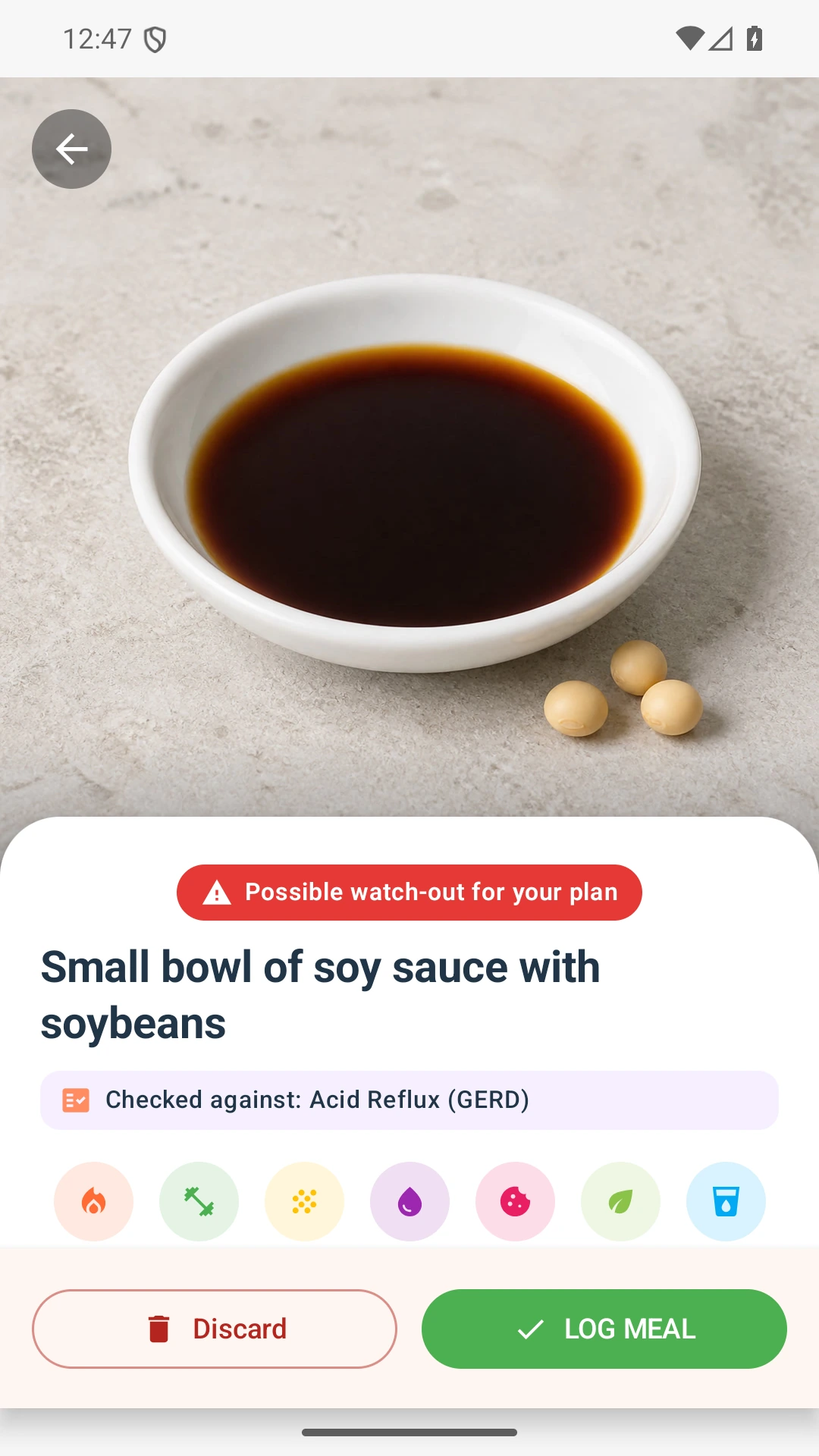
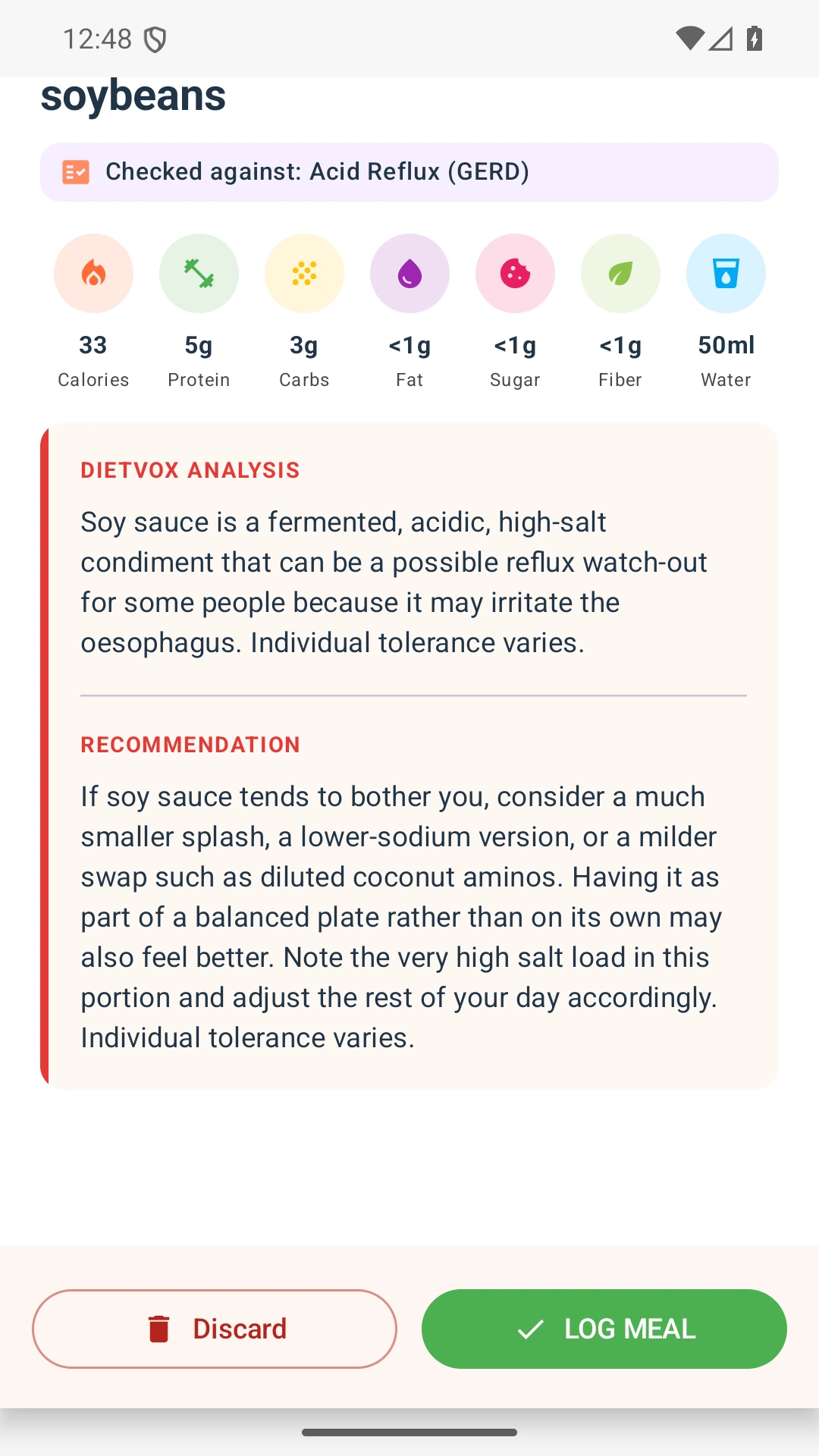
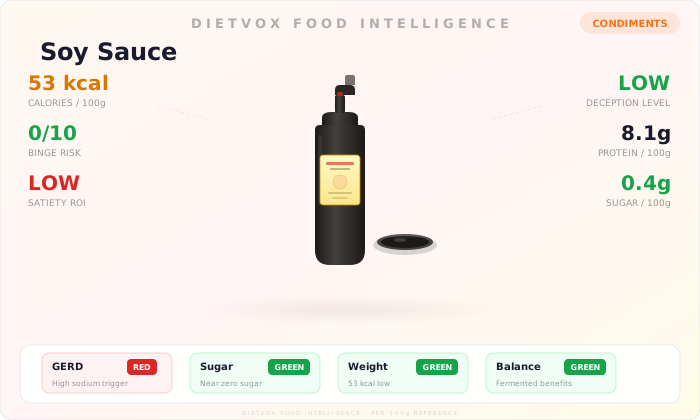
DietVox rates soy sauce as GREEN for a low sugar diet. This rating signifies that soy sauce is highly compatible with a dietary approach focused on minimising sugar intake. For individuals managing their health, a primary question is often is soy sauce low carb and low in sugar? Our analysis confirms that traditionally brewed soy sauce contains a negligible amount of sugar, making it a suitable choice for adding flavour without compromising your dietary goals.

Nutritional Profile: A Low Sugar Perspective

To understand why soy sauce earns a GREEN rating, a look at its nutritional composition is essential. According to data from the USDA FoodData Central (FDC ID 173444), 100ml of standard soy sauce contains:

  • Carbohydrates: 4.9g
  • Sugars: 0.4g

While these numbers provide a baseline, they don't reflect typical consumption. A standard serving size is about one tablespoon (15ml). In this portion, the sugar content is approximately 0.06g, an amount that is nutritionally insignificant. This extremely low sugar level means soy sauce has a minimal impact on overall daily sugar intake and is unlikely to affect blood glucose levels.

When following a low sugar diet, the focus is on reducing 'free sugars'—sugars added to foods and drinks, and sugars found naturally in honey, syrups, and fruit juices FDA added sugars label guidance. Traditional soy sauce fits well within this framework, as its minimal sugar content is a natural byproduct of fermentation, not an added ingredient.

Navigating Soy Sauce Varieties: Reading the Label is Key

Not all soy sauces are created equal, and this is a critical point for anyone on a low sugar diet. The GREEN rating applies specifically to traditional, unadulterated soy sauce.

Traditional Soy Sauce (Shoyu/Tamari): Traditionally brewed soy sauce is made from a simple list of ingredients: soybeans, wheat (in the case of shoyu), salt, and water. The mixture undergoes a lengthy fermentation process where microorganisms break down the proteins and starches. The trace amount of sugar is a natural result of this process.

Commercial and Flavoured Varieties: Many modern, commercially produced soy sauces can contain added sweeteners to enhance flavour and reduce production time. Be wary of:

  • Sweet Soy Sauce (Kecap Manis): This is a thick, sweetened version popular in Indonesian cuisine, often containing palm sugar.
  • Teriyaki Sauce: While it uses soy sauce as a base, it includes significant amounts of added sugar, mirin (sweet rice wine), and sometimes corn syrup.
  • General-Purpose Soy Sauces: Some brands add caramel colouring, corn syrup, or other sugars.

Actionable Advice: Always check the nutrition facts panel and the ingredients list. For a low sugar diet, the ideal soy sauce will list no added sugars (like sugar, corn syrup, molasses, or fructose) and will show close to 0g of sugar per serving on the label. This diligence is a cornerstone of successfully managing dietary sugar, a practice supported by health organisations like the World Health Organization (WHO).

Health Considerations Beyond Sugar: The Sodium Factor

While soy sauce is an excellent choice from a sugar perspective, its high sodium content requires careful management. The USDA reports that 100ml of soy sauce contains a very high 5637mg of sodium. A single tablespoon contains approximately 845mg, which is over 35% of the 2,300mg daily recommended limit for adults advised by many health authorities CDC sodium guidance.

Consistently high sodium intake is strongly linked to elevated blood pressure (hypertension), which increases the risk of heart disease and stroke CDC sodium guidance.

To mitigate this risk while still enjoying the flavour of soy sauce:

  • Choose Reduced-Sodium Versions: Many brands offer 'low-sodium' or 'less-sodium' varieties, which can cut sodium content by 25-40%.
  • Practice Portion Control: Use a measuring spoon rather than pouring directly from the bottle. A little goes a long way in terms of flavour.
  • Dilute It: Mix soy sauce with water, broth, or rice vinegar to lower the sodium concentration per serving without sacrificing too much taste.

Practical Tips for Using Soy Sauce on a Low Sugar Diet

Incorporating soy sauce into your low sugar eating plan can enhance meal satisfaction and help you adhere to your diet. Here's how to do it wisely:

  1. Be a Label Detective: Prioritise traditionally brewed soy sauce or tamari. Scrutinise the ingredient list to ensure there are no added sugars.
  2. Measure Your Portions: Use soy sauce as a condiment, not a primary liquid. A teaspoon or tablespoon is usually sufficient to flavour an entire dish.
  3. Enhance Healthy Foods: Use it to make nutrient-dense, low sugar foods more appealing. It's an excellent addition to marinades for lean proteins like chicken or fish, a base for vinaigrettes, or a seasoning for steamed or stir-fried vegetables.
  4. Balance with Potassium: A diet rich in potassium from fruits, vegetables, and legumes can help counteract some of the effects of sodium on blood pressure CDC sodium guidance.

Disclaimer: This article is for informational purposes only and does not constitute medical advice. Always consult a healthcare provider before making changes to your diet, especially if you have a medical condition.

Scan your foods with the DietVox app to get personalized ratings based on your specific dietary needs and health goals.

Last reviewed: June 2026

How It Works

Why Soy Sauce is Rated GREEN

Soy sauce is rated GREEN for a low sugar diet based on two primary factors: its intrinsic nutritional profile and its typical usage pattern.

  1. Extremely Low Sugar Content: Per 100ml, traditionally brewed soy sauce contains only 0.4g of sugar USDA FoodData Central (FDC ID 173444). This minimal sugar is a natural byproduct of the fermentation of soybeans and wheat, not an added sweetener. For a diet focused on limiting sugar, this composition is ideal.
  1. Small Serving Sizes: Soy sauce is used as a condiment for flavour, not consumed in large volumes. A typical serving of one tablespoon (15ml) contributes only about 0.06g of sugar to a meal. This amount is metabolically insignificant and has a negligible impact on both total daily sugar intake and blood glucose levels.

In summary, the combination of exceptionally low intrinsic sugar and small, controlled portion sizes means that soy sauce does not contribute meaningful amounts of sugar to the diet, making it a safe and effective flavouring agent for those following a low sugar protocol.

Scan any food. Get an instant RED/AMBER/GREEN rating.

DietVox analyses every food across 4 diet protocols — no guesswork.

Try DietVox Free →

Try These Instead

Safer alternatives that won't trigger your symptoms.

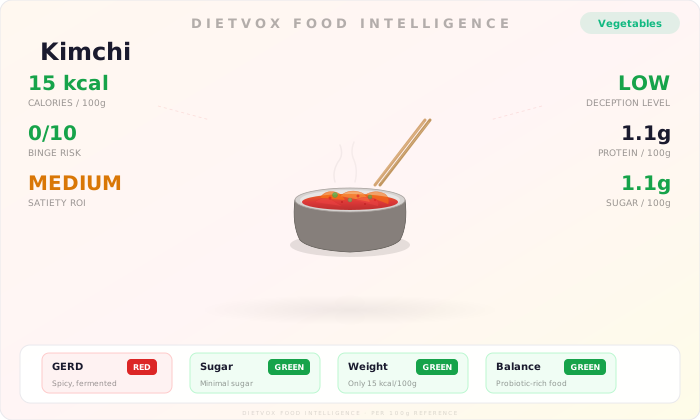
Kimchi illustration

Kimchi

15 kcal Vegetables
RED GERD
GREEN Sugar
GREEN Weight
GREEN Balance
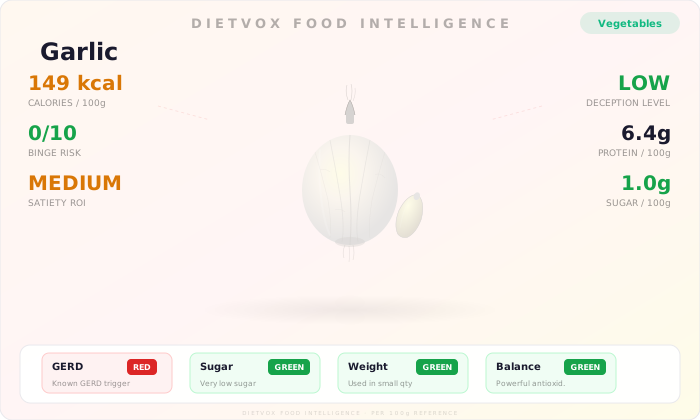
Garlic illustration

Garlic

149 kcal Vegetables
RED GERD
GREEN Sugar
GREEN Weight
GREEN Balance
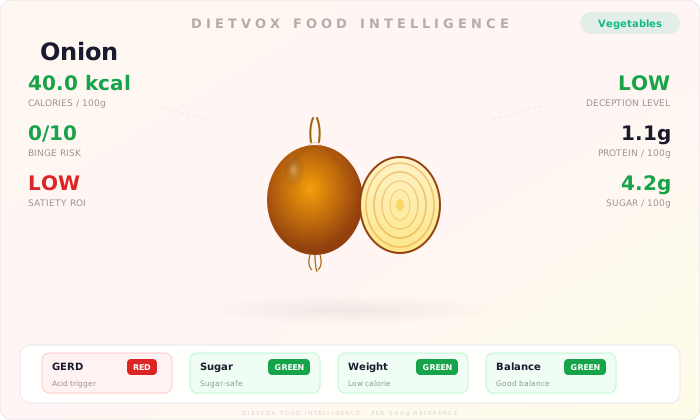
Onion illustration

Onion

40 kcal Vegetables
RED GERD
GREEN Sugar
GREEN Weight
GREEN Balance
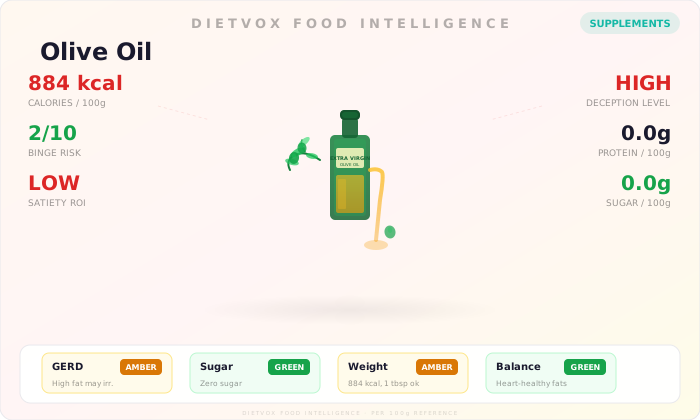
Olive Oil illustration

Olive Oil

884 kcal Supplements
AMBER GERD
GREEN Sugar
AMBER Weight
AMBER Balance

Frequently Asked Questions

Does soy sauce have hidden sugars?

Yes, some commercially produced or flavoured soy sauces, such as teriyaki or sweet soy sauce (kecap manis), can contain significant added sugars like corn syrup or molasses. It is crucial to read the ingredients list to choose a traditionally brewed soy sauce with no added sugars for a low sugar diet.

Is tamari better than regular soy sauce for a low sugar diet?

Both tamari and traditional soy sauce (shoyu) are excellent low-sugar options. Tamari is made with little to no wheat and has a slightly richer flavour, while shoyu contains wheat. From a sugar perspective, their nutritional profiles are very similar, provided you choose a variety without added sweeteners. The choice often comes down to taste preference or managing a gluten sensitivity.

Will soy sauce spike my blood sugar?

Due to its extremely low carbohydrate and sugar content per serving, soy sauce is highly unlikely to cause a significant spike in blood sugar levels. A standard tablespoon (15ml) contains less than 1 gram of carbohydrates, making its glycemic impact negligible for most individuals.

What's a good low-sugar alternative to soy sauce if I need to avoid sodium?

For a low-sugar, low-sodium alternative that provides a similar umami flavour, consider coconut aminos. They are naturally sweeter than soy sauce but contain significantly less sodium. Other options include liquid aminos (check sodium levels) or a homemade blend of balsamic vinegar, nutritional yeast, and spices.

Related Reading