DietVox Rating: GREEN

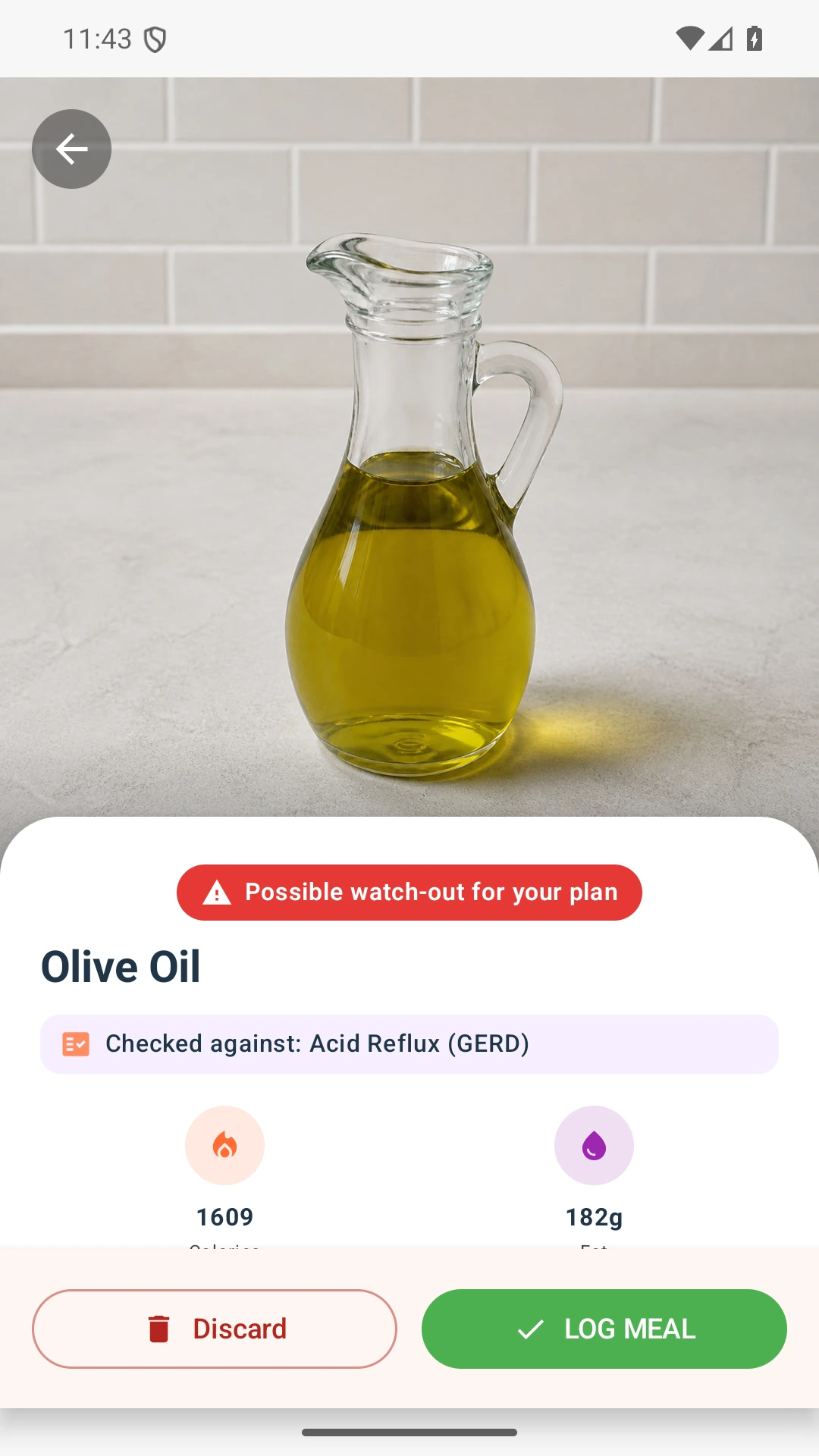
Olive Oil receives a GREEN rating for a Low Sugar Diet. This rating signifies that it is fully compatible with the principles of a diet focused on minimising sugar intake and managing blood glucose levels. For those asking is olive oil low carb, the answer is a definitive yes. As a pure fat source, it contains zero carbohydrates and zero sugar, making it an excellent dietary staple for anyone following a low sugar lifestyle.

However, its GREEN rating comes with a critical caveat related to its high caloric density. While beneficial for blood sugar control, portion management is essential to align its consumption with overall energy and weight management goals. This article provides a comprehensive clinical breakdown of why olive oil is suitable for a low sugar diet and how to incorporate it effectively.

Clinical Nutrition Profile: A Low Sugar Perspective

Understanding the nutritional composition of olive oil is key to appreciating its role in a low sugar diet. It is unique in that it is composed entirely of fat, with no protein or carbohydrates to influence blood sugar.

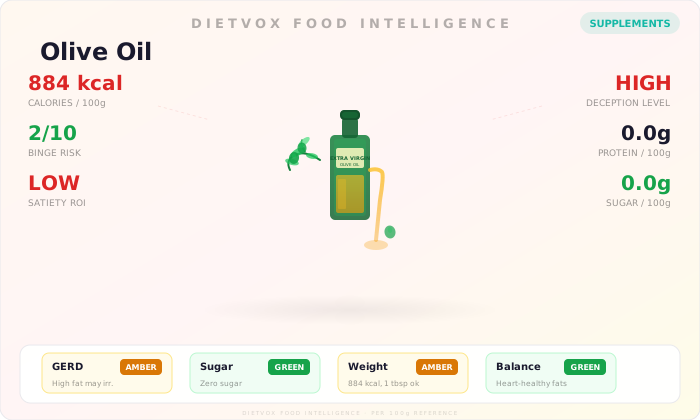
Macronutrient Breakdown (per 100g): - Carbohydrates: 0.0g - Sugars: 0.0g - Fat: 100.0g - Protein: 0.0g

This profile, verified by the USDA FoodData Central (FDC ID 171413), is the primary reason for its GREEN rating. The absence of carbohydrates means it does not require insulin for metabolism and will not cause a spike in blood glucose.

Fat Composition and Health Implications: The type of fat is as important as the quantity. Olive oil is predominantly composed of monounsaturated fats, particularly oleic acid. A typical breakdown per 100g is: - Monounsaturated Fat: ~73g - Saturated Fat: ~13.8g - Polyunsaturated Fat: ~10.5g

Dietary guidelines from organisations like the World Health Organization (WHO) and NHS fat facts recommend replacing saturated and trans fats with unsaturated fats. The high concentration of monounsaturated fat in olive oil is associated with improved cardiovascular health markers, which is often a parallel goal for individuals managing their metabolic health on a low sugar diet.

Practical Guidance for a Low Sugar Lifestyle

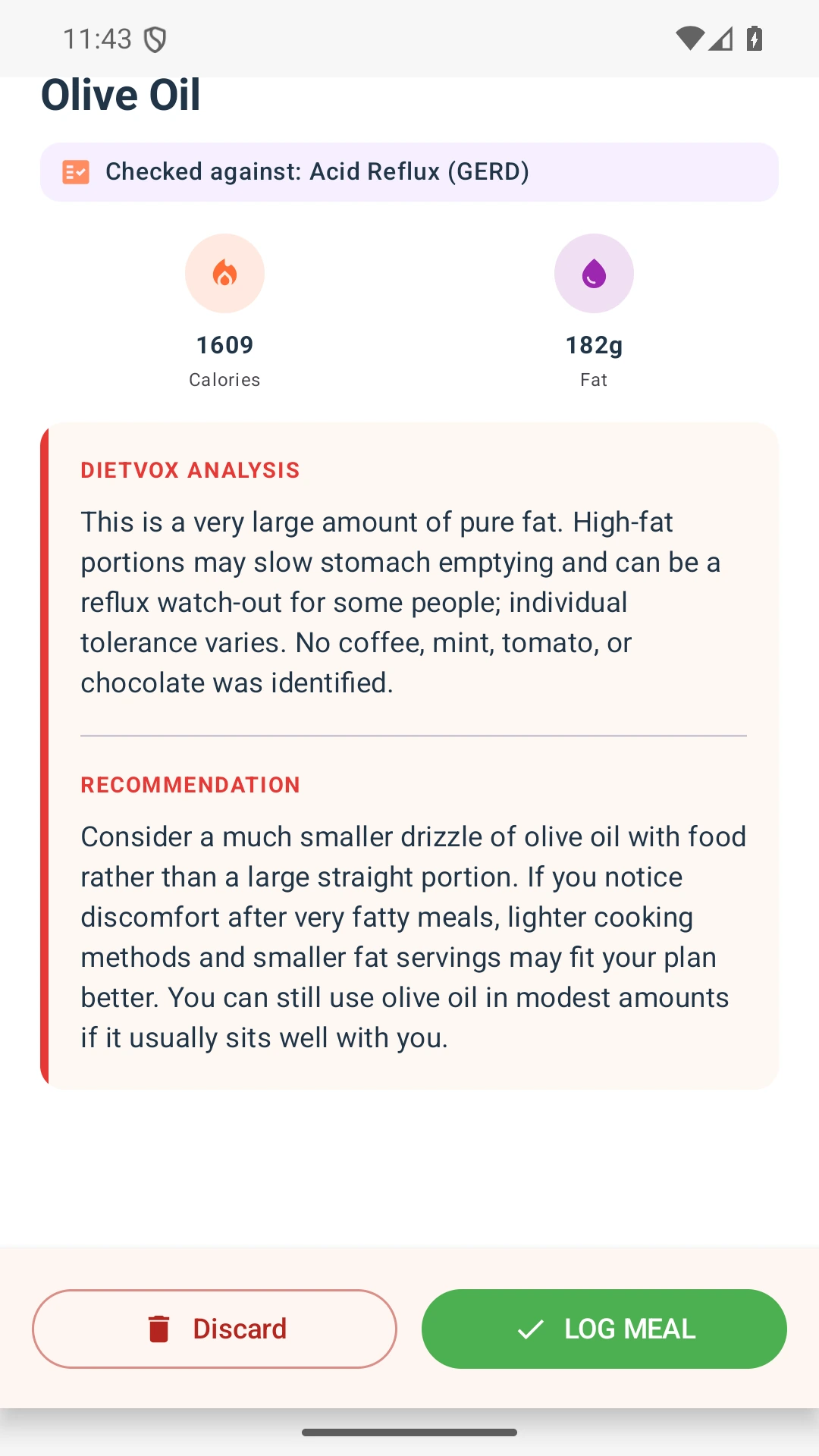
While olive oil is a cornerstone of healthy eating patterns like the Mediterranean diet, its high energy density (884 kcal per 100g) necessitates mindful usage.

1. Prioritise Extra Virgin Olive Oil (EVOO): For maximum health benefits, choose EVOO. It is the least processed form, extracted using natural methods, which preserves its rich content of phenols and antioxidants. These compounds, such as oleocanthal and oleuropein, have been studied for their anti-inflammatory properties and potential to improve insulin sensitivity PubMed.

2. Master Portion Control: Due to its high caloric value, free-pouring olive oil can quickly add hundreds of calories to a meal. This can be counterproductive if weight management is part of your low sugar diet plan. - Use Measuring Spoons: One tablespoon (approx. 14g) contains about 124 calories. - Utilise an Oil Mister: A spray bottle provides a light, even coating on salads or pans with minimal volume. - Think as a 'Finishing' Oil: Drizzle a small amount over cooked vegetables, fish, or salads for flavour rather than using it as a high-volume frying medium.

3. Smart Cooking Applications: A common misconception is that EVOO is unsuitable for cooking due to a low smoke point. In reality, its smoke point is typically around 190-207°C (375-405°F), which is safe for most household cooking methods like sautéing and baking MedlinePlus dietary fats overview. For very high-heat searing or deep-frying, a more refined oil might be preferable, but for everyday low sugar cooking, EVOO is an excellent choice.

Health Forensics: A Deeper Analysis

  • Calorie Density: HIGH At 884 kcal/100g, olive oil is one of the most energy-dense foods available. While this energy comes from healthy fats, it must be accounted for within your daily caloric budget.
  • Satiety ROI: LOW Satiety, or the feeling of fullness, is primarily driven by protein and fibre. Since olive oil contains 0g of both, it provides very little satiety for its caloric cost. This is why it's best paired with high-satiety foods like lean proteins (chicken, fish) and high-fibre vegetables (leafy greens, broccoli) in a low sugar diet.
  • Tracking Difficulty: HIGH Its liquid form and high caloric value make it deceptively easy to over-consume. Without precise measurement using a digital food scale or measuring spoons, it is challenging to track intake accurately. This high deception level requires diligence for anyone monitoring their energy intake.

Disclaimer: This article is for informational purposes only and does not constitute medical advice. Always consult a healthcare provider before making changes to your diet, especially if you have a medical condition.

Scan your foods with the DietVox app to get personalized ratings based on your specific dietary needs and health goals.

Last reviewed: June 2026

How It Works

Why Olive Oil is Rated GREEN for a Low Sugar Diet

Olive Oil's GREEN rating is based on its fundamental biochemical interaction with the body's metabolic processes, specifically its lack of impact on blood glucose and insulin.

  1. Zero Glycemic Impact: The primary goal of a low sugar diet is to maintain stable blood sugar levels. Foods are evaluated based on their glycemic index (GI) and glycemic load (GL)—measures of how they affect blood glucose. Olive oil, containing 0g of carbohydrates, has a GI and GL of zero USDA FoodData Central (FDC ID 171413). It does not trigger the release of insulin from the pancreas, which is the hormonal response to carbohydrate ingestion. This makes it an ideal ingredient for preventing the blood sugar spikes and crashes that a low sugar diet aims to eliminate.
  1. Composition of Healthy Fats: The oil is a pure fat, composed mainly of monounsaturated fatty acids (MUFAs). Unlike carbohydrates, fats are metabolised differently and do not directly convert to glucose in the bloodstream. The NHS advises that replacing saturated fats with unsaturated fats can help lower cholesterol and support cardiovascular health. This is particularly relevant as metabolic conditions like type 2 diabetes often coexist with cardiovascular risk factors.
  1. Beneficial Polyphenols: Extra virgin olive oil is rich in bioactive compounds called polyphenols. Available sources suggest these compounds may offer metabolic benefits. A systematic review and meta-analysis listed in PubMed concluded that olive oil consumption could significantly improve markers of glycemic control, such as fasting glucose and HbA1c, and reduce insulin resistance PubMed. These effects are attributed to the antioxidant and anti-inflammatory properties of its polyphenols, which may protect pancreatic beta-cells (which produce insulin) and enhance insulin action in tissues.

Scan any food. Get an instant RED/AMBER/GREEN rating.

DietVox analyses every food across 4 diet protocols — no guesswork.

Try DietVox Free →

Try These Instead

Safer alternatives that won't trigger your symptoms.

Cream Cheese illustration

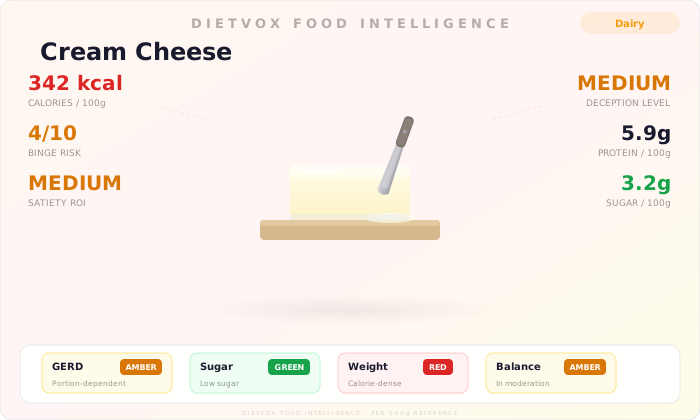
Cream Cheese

342 kcal Dairy
AMBER GERD
GREEN Sugar
RED Weight
AMBER Balance
Greek Yogurt illustration

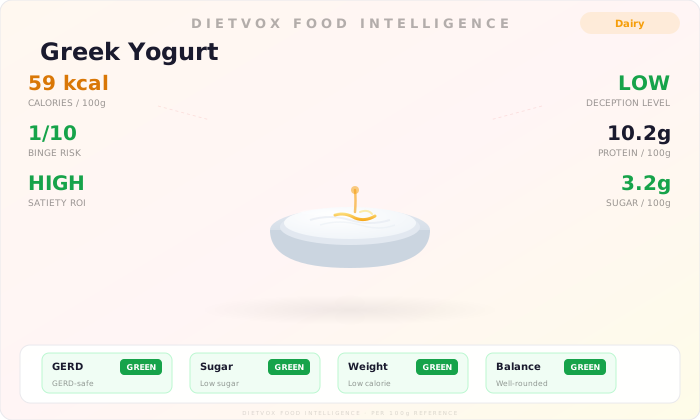
Greek Yogurt

59 kcal Dairy
GREEN GERD
GREEN Sugar
GREEN Weight
GREEN Balance
Hummus illustration

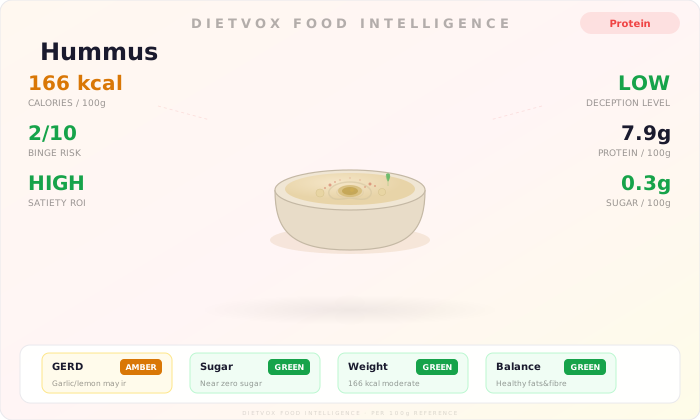
Hummus

166 kcal Protein
AMBER GERD
GREEN Sugar
GREEN Weight
AMBER Balance

Frequently Asked Questions

Does olive oil raise blood sugar or insulin?

No. As a pure fat containing 0g of carbohydrates, olive oil has a glycemic index of zero. It does not raise blood glucose levels or trigger a significant insulin response, making it highly suitable for a low sugar or ketogenic diet.

What is the best type of olive oil for a low sugar diet?

Extra Virgin Olive Oil (EVOO) is the recommended choice. While all pure olive oils are free of sugar and carbs, EVOO is the least processed and retains the highest concentration of beneficial polyphenols. These antioxidant compounds may offer additional metabolic health benefits, according to source review PubMed.

How much olive oil can I have per day on a low sugar diet?

There is no strict limit, but moderation is crucial due to its high calorie content (about 124 calories per tablespoon). For most people, incorporating 1-2 tablespoons per day as part of a balanced diet is a reasonable amount. This should be factored into your total daily targets for calories and fat, as recommended by health authorities like the NHS.

Is olive oil keto-friendly?

Yes, olive oil is exceptionally keto-friendly. The ketogenic diet focuses on high fat, moderate protein, and very low carbohydrate intake. As a pure source of healthy fats with zero carbs, olive oil helps meet daily fat macros without impacting ketosis.

Does 'light' olive oil have fewer calories or carbs?

No. The term 'light' on an olive oil label refers to a lighter flavour, colour, and aroma, not a lower calorie or fat content. All olive oils, including 'light' varieties, contain the same amount of calories and fat (approximately 124 kcal per tablespoon) and have 0g of carbohydrates.

Related Reading