DietVox Rating: GREEN
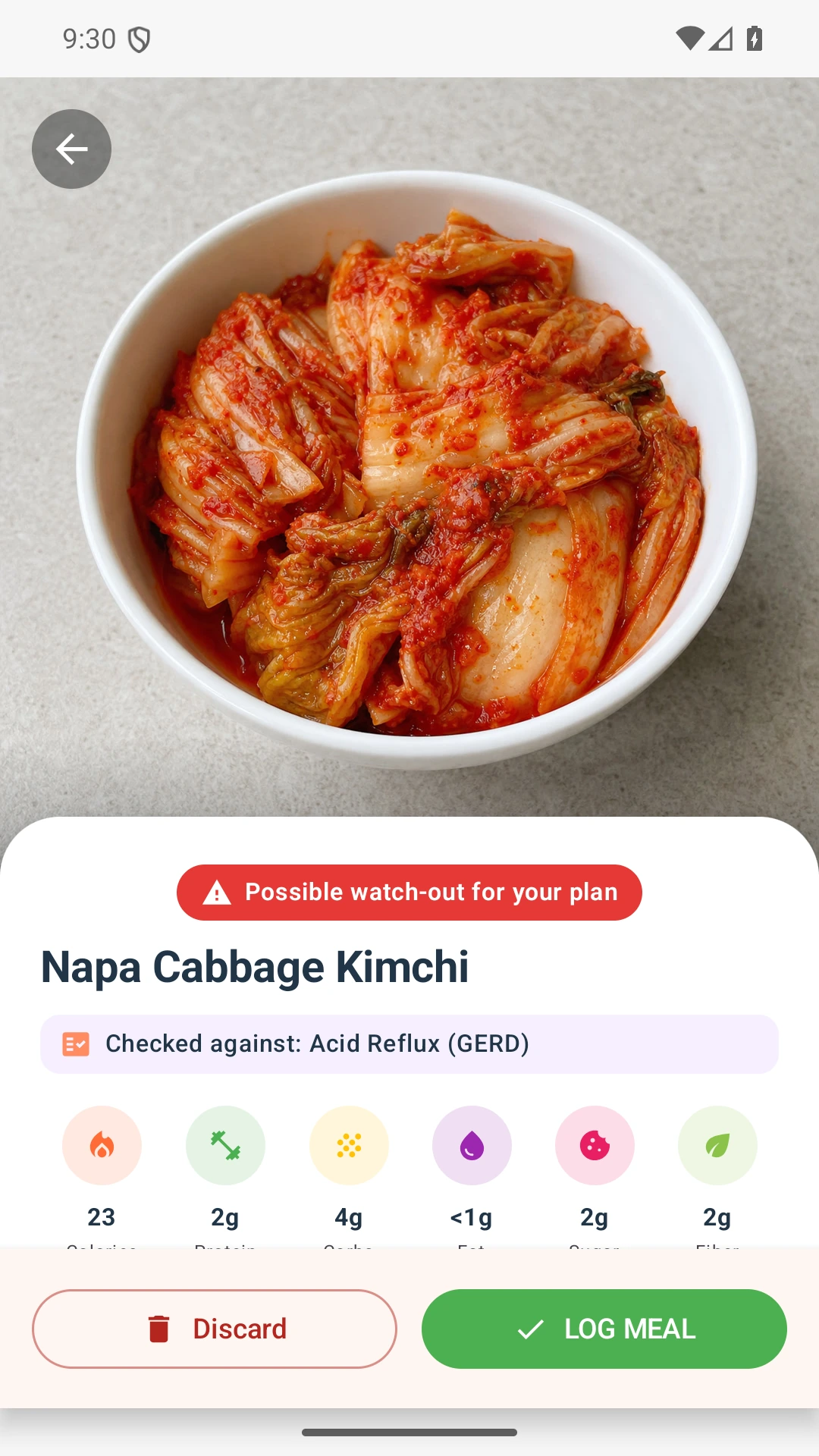
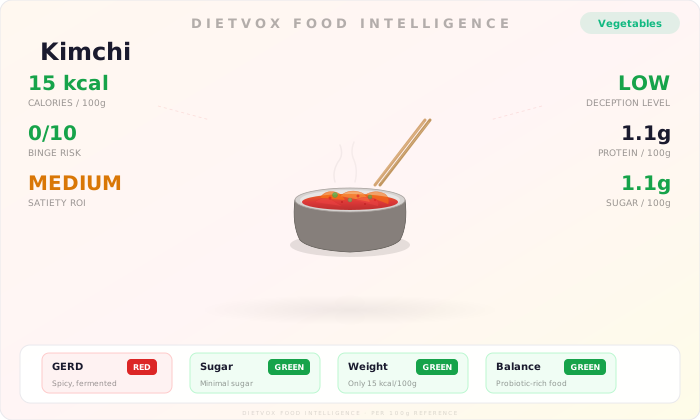
Kimchi is rated GREEN for a low sugar diet. This rating indicates that it is an excellent and highly compatible choice for individuals aiming to minimise their sugar intake. With just 1.1 grams of sugar per 100g serving, kimchi aligns perfectly with the principles of a low sugar lifestyle. Many people following this protocol also ask, is kimchi low carb? The answer is a definitive yes. Its low total carbohydrate content, combined with its minimal sugar, makes it a powerful addition to a health-conscious eating plan focused on metabolic health.
Kimchi's Nutritional Profile: A Low Sugar Perspective
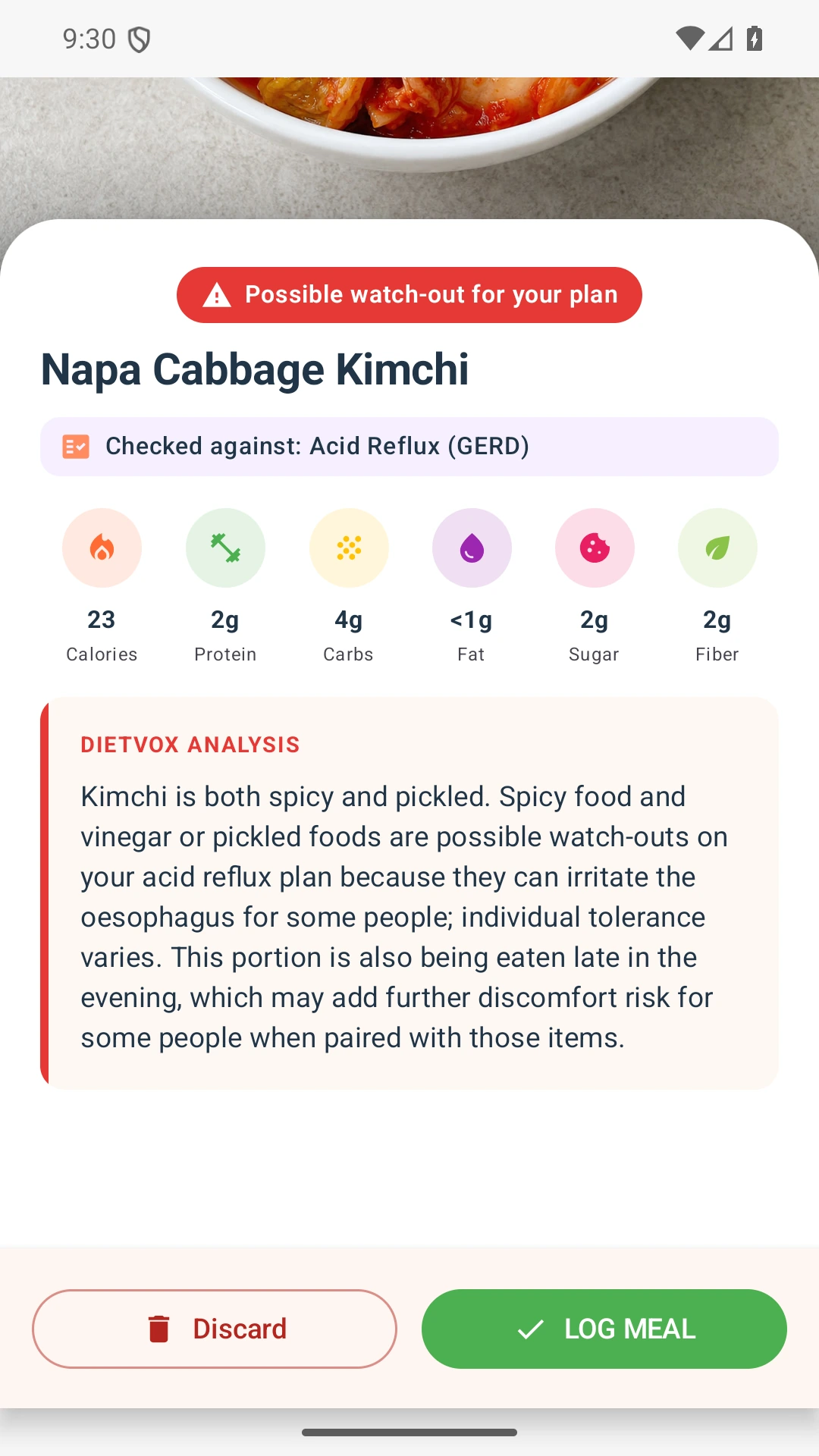
To understand why kimchi earns our top rating, a detailed look at its nutritional composition is essential. According to data from the USDA FoodData Central, a standard 100-gram serving of kimchi contains:
- Calories: 15 kcal
- Total Carbohydrates: 2.4 g
- Sugars: 1.1 g
- Dietary Fibre: 1.6 g
- Protein: 1.1 g
- Fat: 0.5 g
- Sodium: 498 mg
The most critical value for a low sugar diet is, of course, the sugar content. At just 1.1 grams, kimchi's sugar level is naturally very low. This is primarily due to the fermentation process, which consumes the inherent sugars in the raw vegetables. Furthermore, its total carbohydrate count of 2.4 grams is exceptionally low, positioning it as a ketogenic-friendly food as well.
The caloric density is also remarkably low at 15 kcal per 100g. This allows for generous portion sizes without a significant caloric penalty, a feature that supports overall weight management goals often associated with a low sugar diet, as recommended by health authorities like the CDC healthy weight guidance.
One important factor to monitor is the sodium content. At 498 mg per 100g, it contributes a notable amount to the daily recommended limit. The World Health Organization (WHO) advises adults to consume less than 2,000 mg of sodium per day, so it's wise to consume kimchi in moderation and account for its sodium in your daily tracking.
Beyond Sugar: The Health Co-Benefits of Kimchi
Kimchi's suitability for a low sugar diet extends beyond its macronutrient profile. As a fermented food, it offers several additional health benefits that align with the goals of improving metabolic wellness.
Probiotics and Gut Health Kimchi is a rich source of probiotics, particularly strains of Lactobacillus bacteria. These live microorganisms are created during fermentation and are known to support a healthy gut microbiome. A robust body of source review, including numerous source reviews on PubMed, highlights the role of fermented foods like kimchi in promoting gut health. A balanced gut microbiome is increasingly linked to improved immune function, better digestion, and even enhanced metabolic health, including better insulin sensitivity.
Rich in Vitamins and Antioxidants Kimchi is made from nutrient-dense vegetables like napa cabbage, radish, and scallions, along with spices like garlic, ginger, and chili. This combination provides a good source of several micronutrients:
- Vitamin K: Essential for blood clotting and bone health.
- Vitamin C: A powerful antioxidant that supports the immune system.
- Beta-carotene: An antioxidant that the body converts into Vitamin A.
The ingredients, especially the chili powder (gochugaru), garlic, and ginger, are also rich in antioxidants that help combat oxidative stress in the body. source review from institutions like NCCIH probiotics overview often discusses how a diet rich in a variety of plant-based foods and fermented products can contribute to long-term health.
Integrating Kimchi into Your Low Sugar Plan
While kimchi is an excellent choice, how you incorporate it matters. Here are some practical tips for enjoying kimchi on a low sugar diet:
- Read the Label Carefully: This is the most crucial step. While traditional kimchi has no added sugar, some commercial brands may add sugar, high-fructose corn syrup, or fruit purees to speed up fermentation or alter the taste. Always check the ingredients list and the nutrition facts panel for "Added Sugars."
- Mind Your Portions: Due to its high sodium content, it's best to treat kimchi as a condiment or a side dish rather than a main course. A daily serving of 50-100g (about a half cup) is a reasonable amount for most people.
- Get Creative in the Kitchen: - As a Side (Banchan): The traditional way. Serve a small dish of kimchi alongside your main protein and vegetables. - With Eggs: Add chopped kimchi to scrambled eggs or an omelette for a flavourful, low-carb breakfast. - In Soups and Stews: A base for the classic Korean stew, kimchi-jjigae. Ensure the other ingredients in the stew are also low in sugar. - As a Topping: Use it to top salads, low-carb grain bowls, or even grilled meats to add a spicy, acidic kick.
- Consider Making Your Own: For complete control over the ingredients, making kimchi at home is a rewarding option. This allows you to eliminate sugar entirely and manage the salt content according to your dietary needs.
Common Misconceptions About Kimchi
- "All fermented foods are low in sugar." This is false. While fermentation consumes sugar, many commercial fermented products like kombucha or certain yogurts have significant amounts of sugar added after fermentation. Kimchi's low sugar status is specific to its traditional preparation.
- "The spiciness of kimchi burns fat." The active compound in chili peppers, capsaicin, has been studied for its potential to slightly increase metabolism. However, as detailed in clinical reviews on PubMed, the effect is modest and should not be considered a primary mechanism for weight loss or blood sugar control. The main benefits come from kimchi's low-calorie, low-sugar, and high-nutrient profile.
- "Kimchi is a 'free food' on a diet." While very low in calories and sugar, it is not a 'free food' because its sodium content must be tracked. Mindful consumption is key to reaping its benefits without exceeding daily sodium limits.
Disclaimer: This article is for informational purposes only and does not constitute medical advice. Always consult a healthcare provider before making changes to your diet, especially if you have a medical condition.
Scan your foods with the DietVox app to get personalized ratings based on your specific dietary needs and health goals.
Last reviewed: June 2026
How It Works
Why Kimchi is Rated GREEN
Kimchi's GREEN rating for a low sugar diet is rooted in the biochemical process of lactic acid fermentation. Here's a breakdown of the mechanism:
- Low Initial Sugar: The primary ingredient, napa cabbage, is naturally low in sugar. Other vegetables like daikon radish and carrots contribute minimal amounts of natural sugars.
- Fermentation Consumes Sugars: When kimchi is prepared, salt is added to draw water out of the vegetables, creating a brine. In this anaerobic (oxygen-free) environment, naturally present lactic acid bacteria (LAB), such as Lactobacillus species, begin to multiply. These beneficial bacteria use the natural sugars from the vegetables as their primary energy source.
- Conversion to Lactic Acid: The bacteria metabolize these sugars and convert them into lactic acid, acetic acid, and carbon dioxide. This process is what gives kimchi its characteristic sour taste and preserves it. Crucially, it effectively reduces the final sugar content of the product to a minimal level. The final 1.1g of sugar per 100g, as documented by the USDA, represents the small residual amount left after the fermentation is complete.
Therefore, the very process that creates kimchi is what makes it exceptionally low in sugar, earning it a GREEN rating for a low sugar dietary protocol.
Scan any food. Get an instant RED/AMBER/GREEN rating.
DietVox analyses every food across 4 diet protocols — no guesswork.
Try DietVox Free →Try These Instead
Safer alternatives that won't trigger your symptoms.
Frequently Asked Questions
Does the type of kimchi affect its sugar content?
Generally, most traditional kimchi varieties, whether made from cabbage, radish (kkakdugi), or cucumber, will be very low in sugar due to the fermentation process. However, the marinade can differ. Some sweeter styles might include small amounts of fruit like pear. The most reliable approach is to always check the nutrition label of the specific product you are buying.
How can I be sure my store-bought kimchi has no added sugar?
The best method is to become a diligent label reader. First, check the 'Nutrition Facts' panel for 'Added Sugars' – ideally, this should be 0g. Second, read the ingredients list. Avoid products that list sugar, corn syrup, fruit juice, or any other form of sweetener.
Is kimchi keto-friendly as well as low-sugar?
Yes, kimchi is highly compatible with a ketogenic diet. With 2.4g of total carbohydrates and 1.6g of dietary fibre per 100g, the net carbohydrate count is only 0.8g. This extremely low net carb value makes it an excellent choice for those following a keto protocol.
Can the probiotics in kimchi help with blood sugar regulation?
Emerging sources suggest a strong link between gut health and metabolic function. Probiotics, like those found in kimchi, help foster a healthy gut microbiome. Some direct source reviews, including systematic reviews available on PubMed, indicate that a balanced gut microbiota may play a role in improving insulin sensitivity and supporting overall blood sugar management. While not a direct treatment, it is a supportive dietary component.