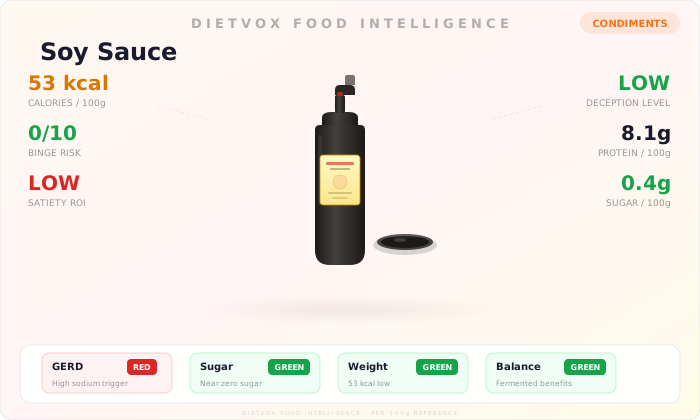
DietVox Rating: RED

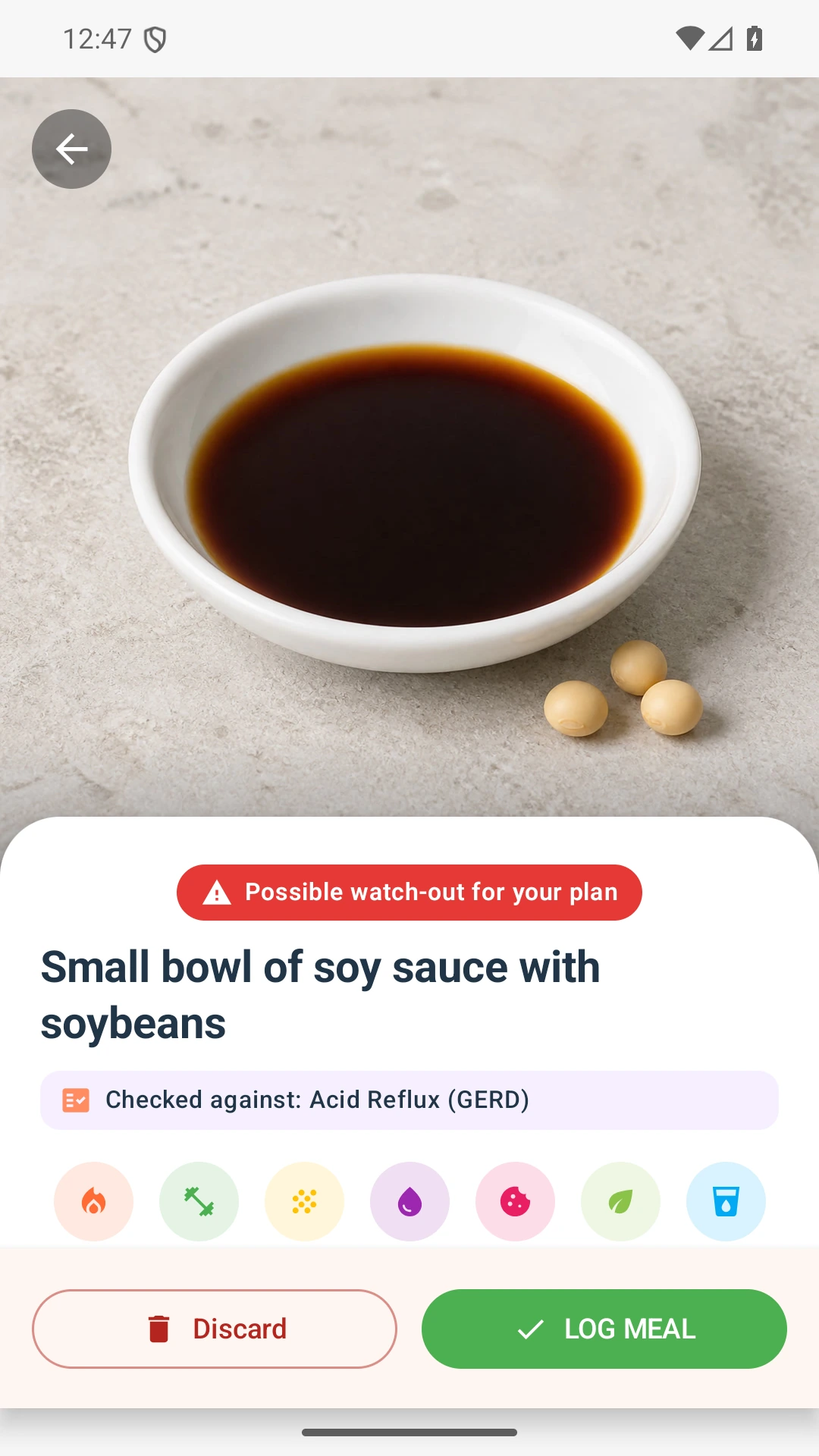
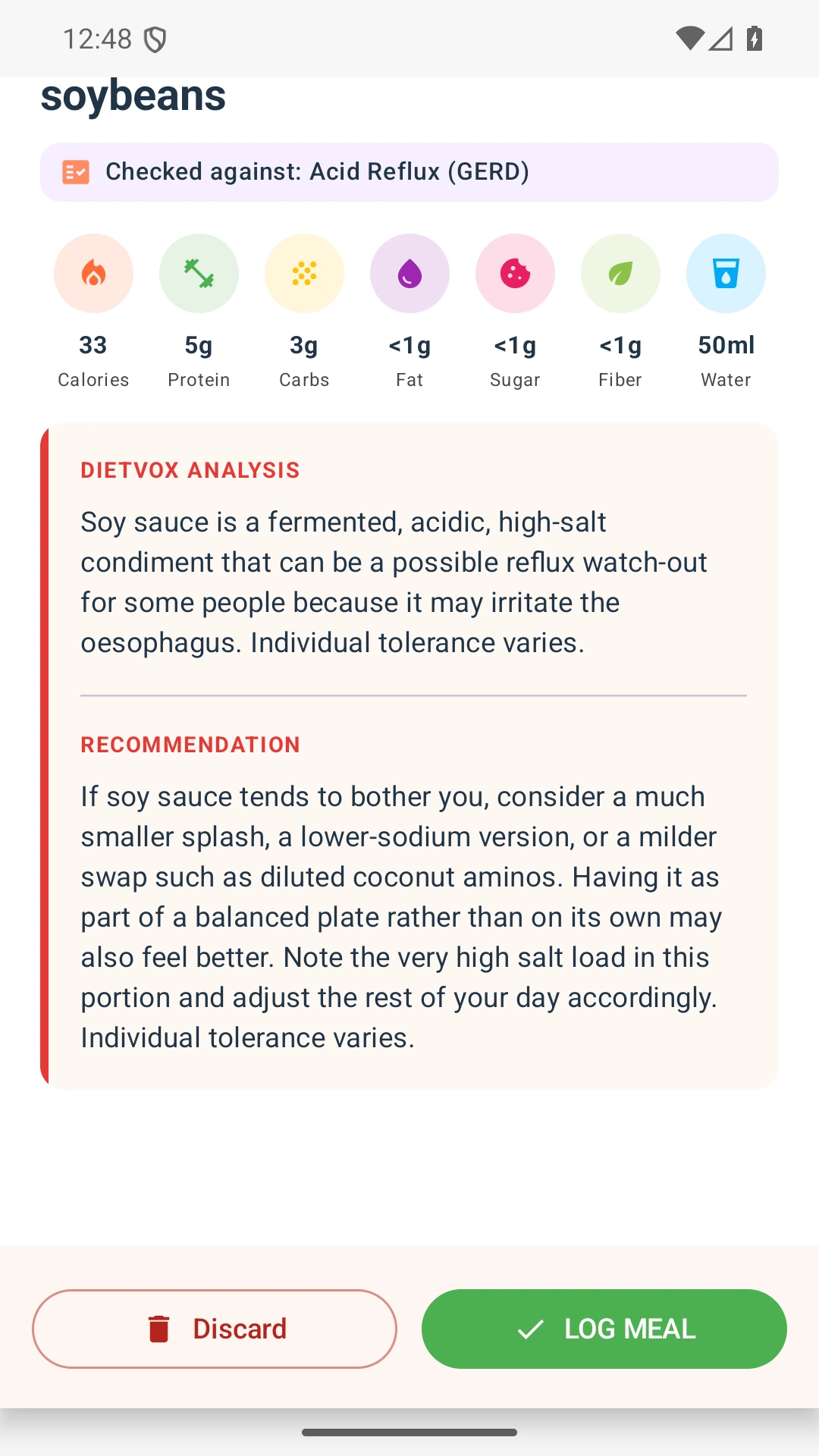
Verdict: Soy sauce is rated RED for individuals following a GERD (Acid Reflux) Diet, indicating it is a high-risk food that should be avoided. For those managing Gastroesophageal Reflux Disease, a common question is is soy sauce bad for gerd, and the direct source support strongly suggests it is. The combination of its fermentation process and exceptionally high sodium content makes it a potent trigger for heartburn, regurgitation, and other reflux symptoms.

This rating is based on established dietary guidelines for managing GERD, which advise avoiding foods that can irritate the esophageal lining or relax the lower esophageal sphincter (LES), the muscle that prevents stomach acid from flowing back up. Soy sauce poses a risk on both fronts.

Nutritional Context for GERD

While soy sauce is low in calories (53 kcal per 100g) and fat (0.6g per 100g), these attributes are overshadowed by its problematic components in the context of acid reflux USDA FoodData Central (FDC ID 173426). A low-fat diet is generally recommended for GERD management because high-fat meals can delay stomach emptying and decrease LES pressure American College of Gastroenterology acid reflux guidance. However, the benefits of soy sauce's low-fat profile do not outweigh the significant risks posed by its sodium and fermentation byproducts.

direct source support on Soy Sauce and GERD

health guidance for GERD from organisations like the American College of Gastroenterology (ACG) and the UK's National Institute for Health and Care Excellence (NICE) focus on lifestyle and dietary modifications as a primary treatment strategy ACG. This involves identifying and eliminating personal trigger foods. While soy sauce is not always explicitly named, it falls squarely into several high-risk categories.

The Impact of High-Salt Foods

source review listed in peer-reviewed journals has established a link between high salt intake and an increased risk of GERD. A population-based source review found that regular consumption of high-salt foods was a significant risk factor for reflux esophagitis, an inflammation of the esophagus caused by acid reflux PubMed. The proposed mechanisms include salt-induced damage to the gastric mucosa (stomach lining) and potential effects on LES function. Given that a single tablespoon of soy sauce can contain over 800mg of sodium — more than 40% of the World Health Organization's recommended daily limit of 2,000mg — its potential to trigger symptoms is substantial WHO.

Irritation from Fermented Products

Fermentation, the process used to create soy sauce, produces various organic acids and biogenic amines, such as histamine. For individuals with a sensitised esophagus, these compounds can act as direct irritants, causing a burning sensation and discomfort independent of acid reflux itself NHS. While fermented foods offer health benefits for some, they are often cautioned against during the acute management phase of GERD.

Practical Tips for Your GERD Diet

Managing a GERD diet often means finding new ways to add flavour to food without relying on common triggers like soy sauce.

  1. Strict Avoidance: During an elimination diet or when symptoms are active, it is best to completely avoid soy sauce and any products containing it, such as marinades, salad dressings, and pre-packaged meals. Always check ingredient labels.
  1. Explore GERD-Friendly Alternatives: To replicate the savoury, umami flavour of soy sauce, consider these safer options: * Coconut Aminos: This is a popular soy-free, gluten-free alternative made from fermented coconut sap. It is significantly lower in sodium (around 90-130mg per teaspoon, compared to soy sauce's ~280mg) and is generally better tolerated. * Mushroom Powder: Dried, powdered mushrooms (like shiitake or porcini) provide a deep, earthy umami flavour without sodium or acid. It can be added to soups, stews, and rubs. * Nutritional Yeast: This deactivated yeast has a cheesy, nutty flavour and is another excellent way to add savoury notes to dishes.
  1. Focus on Herbs and Spices: Build flavour with GERD-friendly herbs such as basil, oregano, thyme, and parsley. Spices like ginger, in moderation, can also be beneficial for digestion Harvard Health Publishing. Avoid irritants like chilli powder, black pepper, and garlic powder, which can trigger reflux for many.

The DietVox Bottom Line

Soy sauce is rated RED for a GERD diet due to a powerful combination of extremely high sodium content and irritating compounds from fermentation. sources suggest a strong link between high-salt diets and reflux symptoms. To effectively manage GERD, we recommend eliminating soy sauce and opting for lower-sodium, non-fermented alternatives to achieve a savoury flavour profile in your meals.


Disclaimer: This article is for informational purposes only and does not constitute medical advice. Always consult a healthcare provider before making changes to your diet, especially if you have a medical condition.

Scan your foods with the DietVox app to get personalized ratings based on your specific dietary needs and health goals.

Last reviewed: June 2026

How It Works

Why Soy Sauce is Rated RED

Soy sauce's RED rating for the GERD (Acid Reflux) Diet protocol stems from two primary, source-reviewed mechanisms: its extreme sodium concentration and the irritating nature of its fermented compounds.

1. Extremely High Sodium Content

Soy sauce contains approximately 5,637mg of sodium per 100g USDA FoodData Central (FDC ID 173426). This exceptionally high concentration is a major concern for GERD management. source review has demonstrated that high dietary salt intake can exacerbate acid reflux symptoms. The potential mechanisms are twofold:

  • Direct Mucosal Irritation: A high concentration of salt can directly irritate the sensitive lining of the esophagus and stomach. For individuals with existing inflammation (esophagitis), this can cause a painful burning sensation, much like applying salt to a wound PubMed.
  • Increased Reflux Events: source reviews suggest a high-salt diet may increase the frequency of transient lower esophageal sphincter relaxations (TLESRs), which are the primary cause of reflux events. It may also increase gastric acid production, adding more fuel to the fire PubMed.

2. Fermentation Byproducts and Acidity

Soy sauce is produced by fermenting soybeans and wheat. This process, while creating its signature umami flavour, also generates compounds that can be problematic for GERD.

  • Organic Acids: Fermentation produces organic acids. While the overall pH of soy sauce is not extremely low, these acids can contribute to the irritation of a pre-inflamed esophageal lining, a common condition in chronic GERD sufferers NHS.
  • Biogenic Amines (e.g., Histamine): Fermented foods can be high in biogenic amines like histamine. In sensitive individuals, histamine can stimulate gastric acid secretion, potentially worsening reflux symptoms. While not a trigger for everyone, it represents another potential risk factor associated with fermented products like soy sauce.

Scan any food. Get an instant RED/AMBER/GREEN rating.

DietVox analyses every food across 4 diet protocols — no guesswork.

Try DietVox Free →

Try These Instead

Safer alternatives that won't trigger your symptoms.

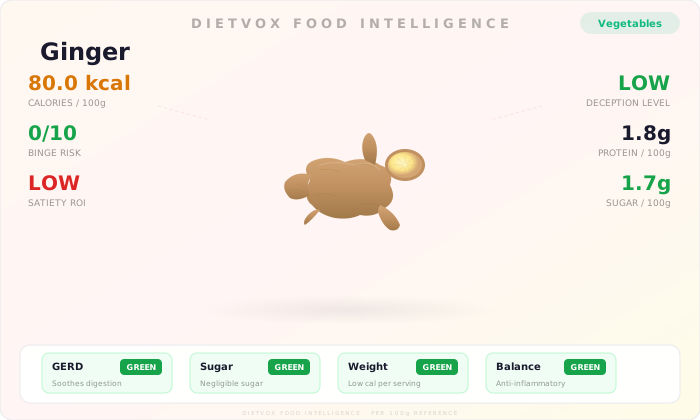
Ginger illustration

Ginger

80 kcal Vegetables
GREEN GERD
GREEN Sugar
GREEN Weight
GREEN Balance
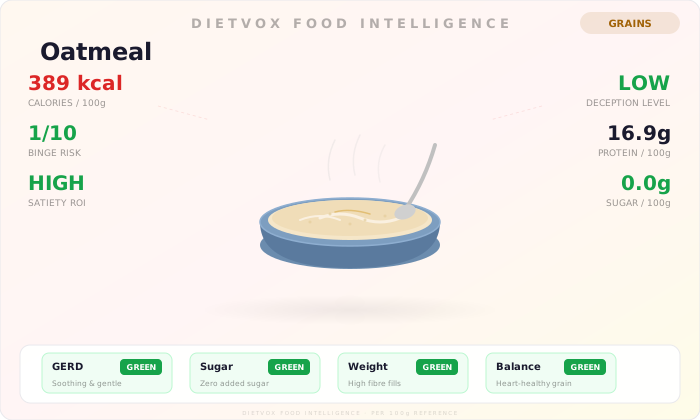
Oatmeal illustration

Oatmeal

389 kcal Grains
GREEN GERD
GREEN Sugar
GREEN Weight
GREEN Balance
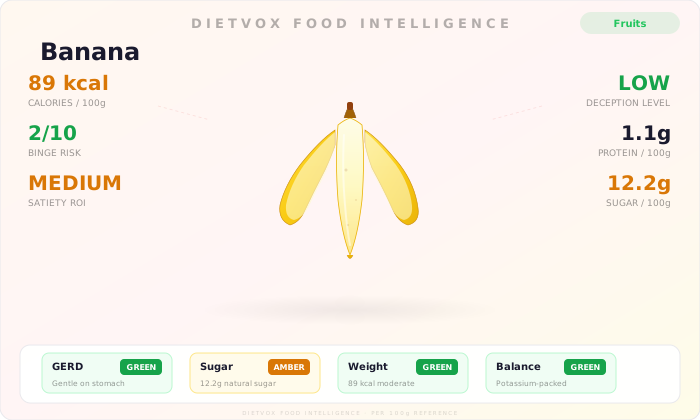
Banana illustration

Banana

89 kcal Fruits
GREEN GERD
AMBER Sugar
AMBER Weight
GREEN Balance

Frequently Asked Questions

Can I eat Soy Sauce on a gerd (acid reflux) diet?

DietVox rates Soy Sauce RED for a GERD (acid reflux) diet. It is strongly advised to avoid it. Soy sauce is fermented and extremely high in sodium (~5,600mg per 100g). The fermentation acids and intense salt concentration can irritate the stomach lining, potentially weaken the lower esophageal sphincter (LES), and exacerbate reflux symptoms.

Is low-sodium soy sauce okay for acid reflux?

While lower in sodium, 'low-sodium' soy sauce is still a high-risk food for GERD and should be avoided. A typical low-sodium version still contains over 3,000mg of sodium per 100g. Furthermore, it is still a fermented product containing acids and other compounds that can irritate the esophagus. It is a 'better' choice but not a 'good' choice for a GERD diet.

What about tamari or coconut aminos for a GERD diet?

Coconut aminos are generally considered the safest alternative. They are much lower in sodium and are not made from soy. Tamari is a type of soy sauce, often gluten-free, but it is still fermented and very high in sodium, carrying the same risks for GERD. Always check labels, but coconut aminos are the recommended substitute.

Can soy sauce directly cause a burning feeling in my chest?

Yes. For individuals with GERD, the lining of the esophagus is often inflamed and sensitive (a condition called esophagitis). The extremely high salt concentration in soy sauce can act as a direct irritant on this tissue, causing a painful burning sensation upon contact, which can be mistaken for or occur alongside heartburn from acid reflux.

Does the umami flavor in soy sauce trigger GERD?

No, the umami flavor itself, which comes from glutamates, is not a known trigger for GERD. The problem with soy sauce is the package that delivers the umami: extremely high levels of sodium and irritating byproducts from the fermentation process. You can get GERD-friendly umami from sources like mushroom powder or nutritional yeast.

Related Reading