DietVox Rating: GREEN

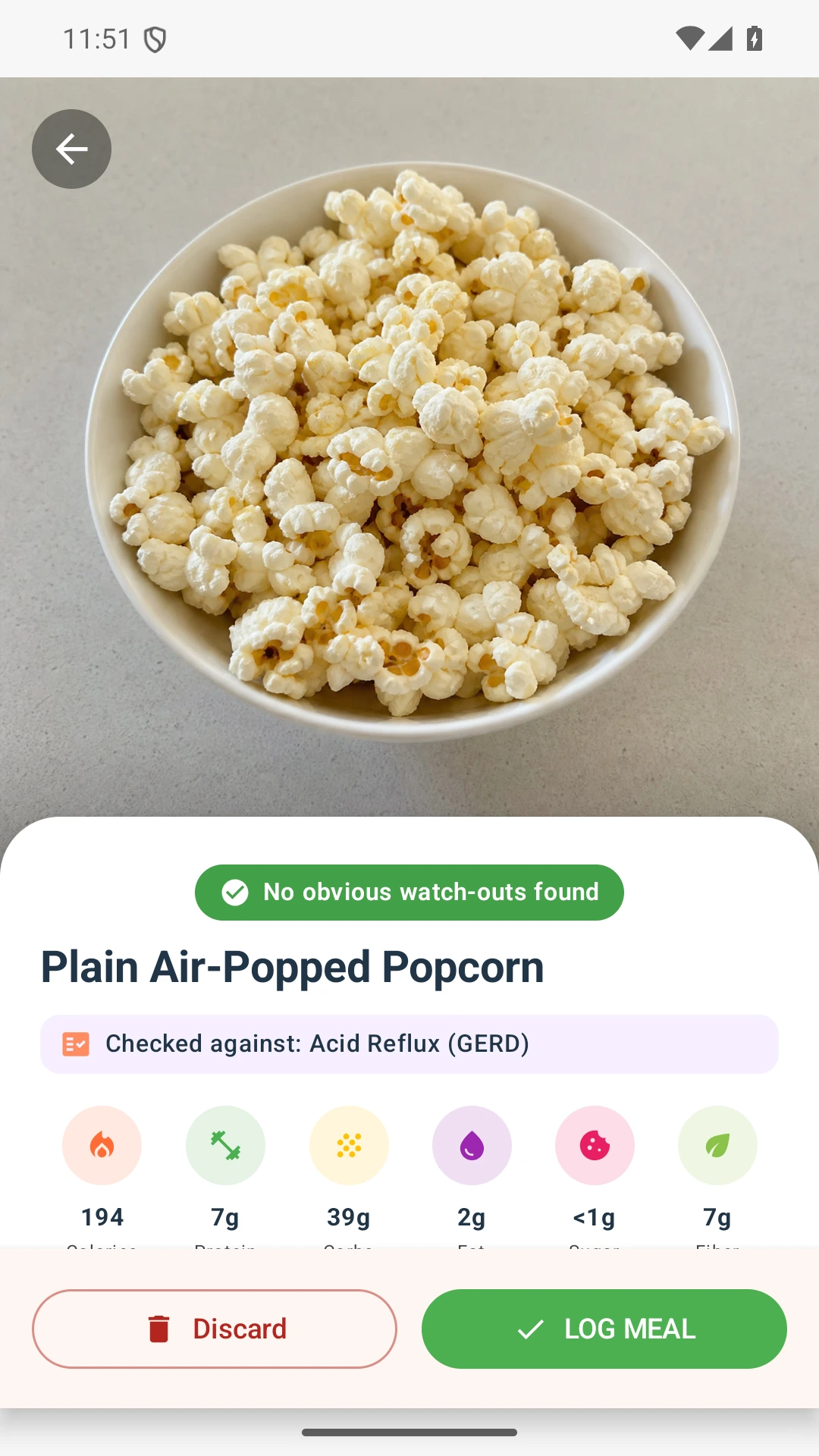
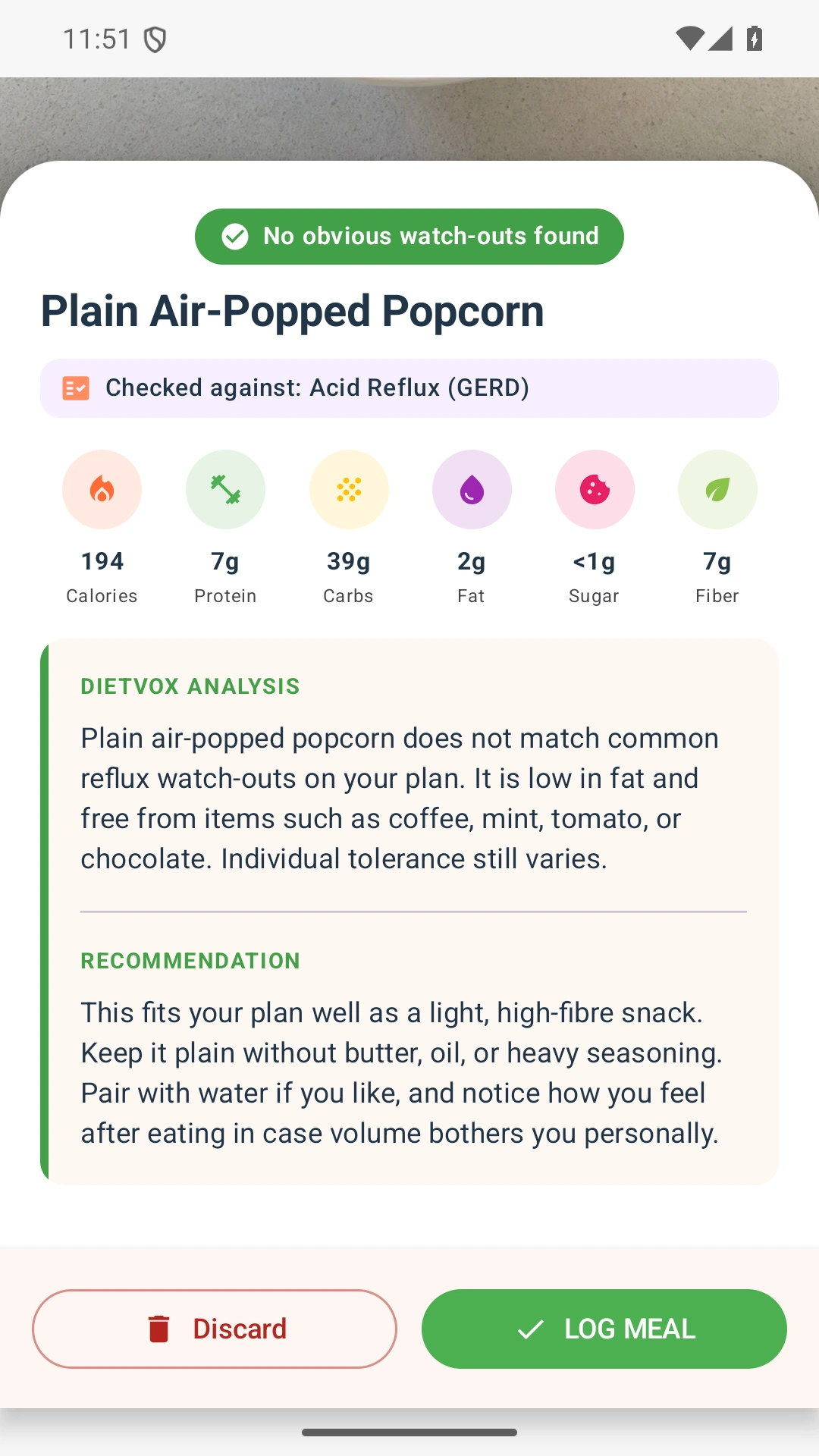
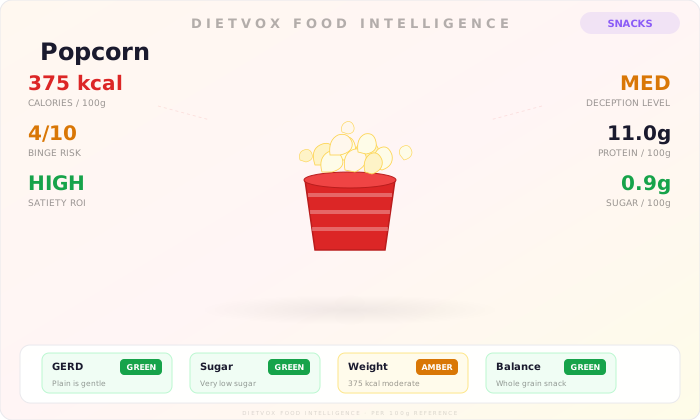
Verdict: Plain, air-popped popcorn is an excellent choice for a Low Sugar Diet, earning a GREEN rating from DietVox. With a remarkably low sugar content of just 0.9g per 100g, it stands out as a superior snack option. While many people ask, is popcorn low carb, the answer is no; it is a high-carbohydrate food. However, for a diet focused specifically on minimising sugar intake, its nutritional profile is highly favourable. The key to its GREEN rating lies in its preparation—unadulterated and free from the high-sugar, high-fat additions common in commercial varieties.

This analysis will explore the nutrition profile behind popcorn's suitability for a low-sugar lifestyle, differentiate between healthy and unhealthy preparations, and provide practical guidance for incorporating this whole-grain snack into your diet without compromising your health goals.

Nutritional Analysis: A Low Sugar Perspective

Understanding the macronutrient and micronutrient composition of popcorn is essential to appreciate its role in a Low Sugar Diet. The data for plain, air-popped popcorn is compelling.

According to the USDA FoodData Central (FDC ID 168725), a 100-gram serving of air-popped popcorn contains:

  • Sugars: 0.9g
  • Total Carbohydrates: 74.0g
  • Dietary Fibre: 15.0g
  • Protein: 11.0g
  • Calories: 375 kcal

The most critical figure for this protocol is the sugar content. At less than one gram per 100g, popcorn is exceptionally low in sugar. To put this in perspective, the World Health Organization (WHO) recommends reducing free sugar intake to less than 10% of total daily energy intake. A standard 30g serving of air-popped popcorn contributes a negligible amount to this limit.

The Role of Fibre and Whole Grains

While its total carbohydrate count of 74.0g is high, the type of carbohydrate is what matters for a low-sugar regimen. Popcorn is a whole grain, a food group consistently recommended for its health benefits. Whole grains, unlike refined grains, contain the entire grain kernel—the bran, germ, and endosperm.

This structure is rich in dietary fibre, with popcorn providing an impressive 15.0g per 100g. Dietary fibre plays a crucial role in metabolic health. As noted by MedlinePlus fiber overview, high-fibre foods slow the absorption of sugar into the bloodstream, helping to prevent sharp spikes in blood glucose and insulin levels. This makes popcorn a high-satiety snack, meaning it helps you feel full and satisfied for longer, which can aid in overall calorie management.

The Popcorn Paradox: Preparation is Everything

Our GREEN rating is strictly conditional on preparation. The nutritional profile of popcorn can change dramatically based on how it is cooked and what is added to it. The healthy, low-sugar snack can quickly become a vehicle for excess sugar, unhealthy fats, and sodium.

  • Cinema Popcorn: Often popped in coconut oil or other fats and served with buttery toppings, its calorie and fat content can be significantly higher. A large portion can contain over 1,000 calories.
  • Microwave Popcorn: Many commercial microwave popcorn brands contain added butter, trans fats (partially hydrogenated oils), and high levels of sodium. "Kettle corn" or other sweet varieties also contain significant amounts of added sugar.
  • Caramel or Toffee Popcorn: These are confectionery items, not health snacks. Data from the USDA (FDC ID 168723) shows that caramel-coated popcorn can contain over 50g of sugar per 100g, transforming a GREEN-rated food into one that is entirely unsuitable for a Low Sugar Diet.

To keep popcorn in the GREEN zone, it must be prepared with minimal additions. Air-popping is the ideal method as it requires no oil. Stovetop popping with a minimal amount of a healthy oil like olive or avocado oil is also a good option.

Practical Tips for a Low Sugar Diet

Integrating popcorn into your Low Sugar Diet is simple with the right approach.

  1. Choose the Right Kernels: Start with plain, organic popcorn kernels. This gives you complete control over the final product.
  2. Master Air-Popping: Invest in an air popper for the healthiest, oil-free preparation. Alternatively, you can use a microwave-safe bowl with a vented lid to pop plain kernels in the microwave.
  3. Control Your Portions: While healthy, popcorn is still calorie-dense. A typical serving is about 3-4 cups of popped corn, which comes from approximately 30g (about 2 tablespoons) of un-popped kernels. Using a food scale can help improve tracking accuracy.
  4. Flavour Wisely: Skip the sugar and butter. Experiment with healthy, savoury toppings: * A light sprinkle of sea salt. * Nutritional yeast for a cheesy, umami flavour. * Smoked paprika, cumin, or chili powder for a spicy kick. * Cinnamon for a hint of sweetness without the sugar. * A very light drizzle of extra-virgin olive oil to help seasonings stick.

By following these guidelines, popcorn can be a delicious, high-fibre, and satisfying snack that fully aligns with the principles of a Low Sugar Diet.


Disclaimer: This article is for informational purposes only and does not constitute medical advice. Always consult a healthcare provider before making changes to your diet, especially if you have a medical condition.

Scan your foods with the DietVox app to get personalized ratings based on your specific dietary needs and health goals.

Last reviewed: June 2026

How It Works

Why Popcorn is Rated GREEN

DietVox's GREEN rating for popcorn on a Low Sugar Diet is based on four key rating factors, applicable only to the plain, air-popped version:

  1. Extremely Low Sugar Content: With only 0.9g of sugar per 100g, popcorn is one of the lowest-sugar snack foods available. This aligns perfectly with the primary goal of a low-sugar protocol, which is to minimise the intake of free and added sugars WHO.
  1. High in Dietary Fibre: Popcorn delivers 15.0g of dietary fibre per 100g. High-fibre foods are known to slow digestion and the absorption of carbohydrates, which helps moderate blood sugar responses after a meal. This is a significant benefit for metabolic health NHS.
  1. It is a Whole Grain: As an unprocessed whole grain, popcorn provides more nutrients and fibre than refined grain snacks like crackers or pretzels. Diets rich in whole grains are associated with a lower risk of chronic diseases, including type 2 diabetes MedlinePlus dietary guidelines overview.
  1. High Satiety Value: The combination of high fibre (15.0g) and moderate protein (11.0g) gives popcorn a high Satiety ROI (Return on Investment). It provides a large volume and significant fullness for its calorie count, helping to prevent overeating and cravings for sugary snacks.

Scan any food. Get an instant RED/AMBER/GREEN rating.

DietVox analyses every food across 4 diet protocols — no guesswork.

Try DietVox Free →

Try These Instead

Safer alternatives that won't trigger your symptoms.

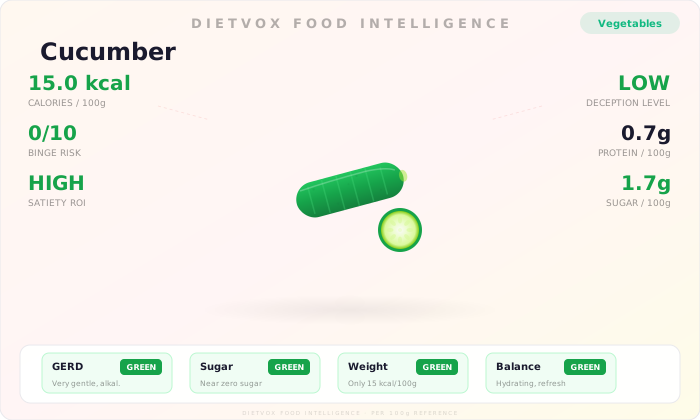
Cucumber illustration

Cucumber

15 kcal Vegetables
GREEN GERD
GREEN Sugar
GREEN Weight
GREEN Balance
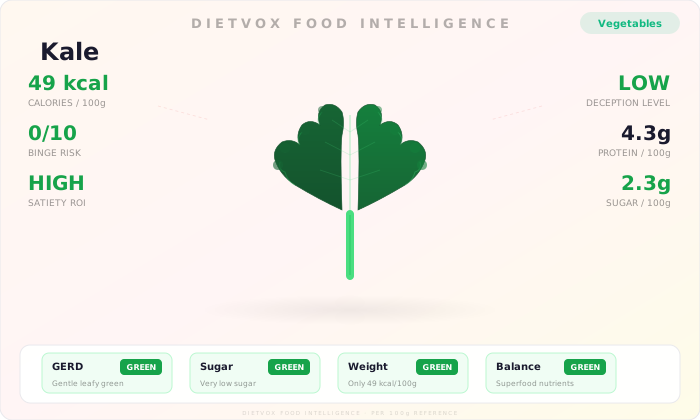
Kale illustration

Kale

49 kcal Vegetables
GREEN GERD
GREEN Sugar
GREEN Weight
GREEN Balance
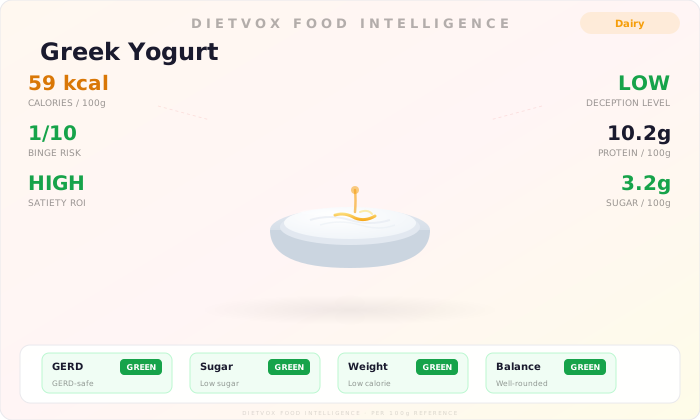
Greek Yogurt illustration

Greek Yogurt

59 kcal Dairy
GREEN GERD
GREEN Sugar
GREEN Weight
GREEN Balance
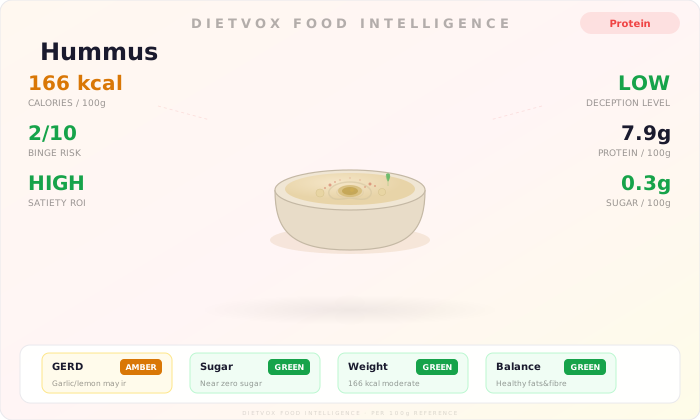
Hummus illustration

Hummus

166 kcal Protein
AMBER GERD
GREEN Sugar
GREEN Weight
AMBER Balance

Frequently Asked Questions

How does popcorn affect blood sugar?

Plain, air-popped popcorn has a moderate glycemic index (GI) of around 55-65. However, due to its very high fibre content, its glycemic load (GL), which accounts for portion size, is relatively low. The fibre helps slow down the absorption of carbohydrates, leading to a more gradual rise in blood sugar compared to low-fibre, high-carb snacks. This makes it a suitable option for many individuals managing blood sugar levels when eaten in moderation International glycemic index tables review.

What's the difference between air-popped and microwave popcorn for a low sugar diet?

Air-popped popcorn is the ideal choice as it contains no added ingredients—just pure popcorn. Most commercial microwave popcorn bags contain added oils (sometimes including unhealthy trans fats), excessive sodium, and flavourings. Sweet varieties like 'kettle corn' also contain significant amounts of added sugar, making them unsuitable for a low sugar diet. Always check the nutrition label on microwave popcorn before consuming.

Can I eat popcorn if I have diabetes?

For many people with diabetes, plain, air-popped popcorn can be a healthy snack choice in moderation. Its high fibre content is beneficial for blood sugar management. However, portion control is critical. It's important to account for the carbohydrates in your meal plan. The American Diabetes Association food and nutrition guidance recommends that individuals with diabetes consult with their doctor or a registered dietitian to determine how specific foods fit into their personal dietary plan.

What are the best low-sugar toppings for popcorn?

To keep your snack aligned with a low sugar diet, choose savoury or spicy toppings. Great options include nutritional yeast for a cheesy flavour, smoked paprika, chili powder, garlic powder, onion powder, or a mix of dried herbs like rosemary and thyme. A very light drizzle of olive oil can help the seasonings stick. Avoid caramel, chocolate, or any sugar-based sauces.

Related Reading