DietVox Rating: GREEN
Verdict: Pizza is rated GREEN for a Low Sugar Diet, indicating it can be consumed regularly without significantly undermining the protocol's goals, provided attention is paid to toppings and portion size.
Many people following a low-sugar lifestyle often wonder, is pizza low carb? The answer reveals a critical distinction for this diet: while pizza is high in total carbohydrates, it is typically low in sugar. This is why it earns a GREEN rating. A Low Sugar Diet primarily focuses on limiting 'free' or 'added' sugars, not necessarily total carbohydrates. The carbohydrate content in pizza predominantly comes from starch in the dough, which the body metabolises differently from simple sugars.
This rating assumes a standard cheese or vegetable-topped pizza. The sugar content can increase dramatically with certain sauces and toppings, which is why mindful selection is crucial for anyone on a Low Sugar Diet.
Nutritional Profile: A Low Sugar Perspective
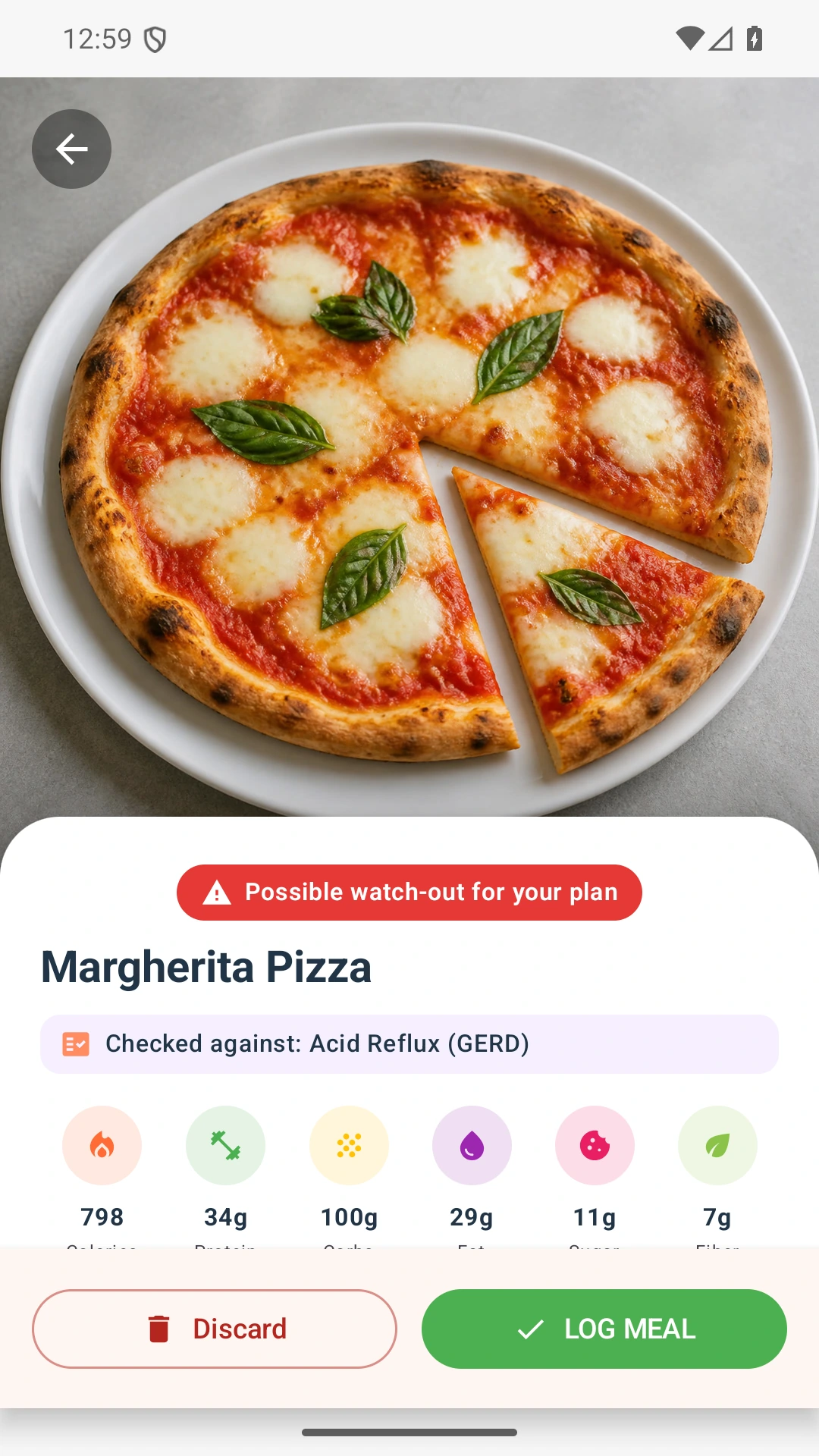
To understand why pizza is suitable for a Low Sugar Diet, we must analyse its specific nutritional components. The data below is based on a standard cheese pizza.
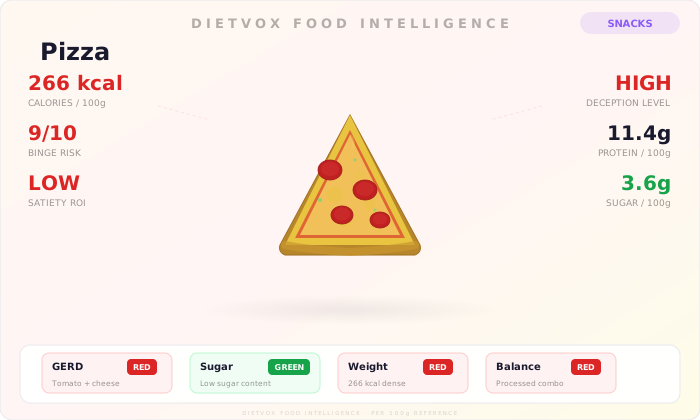
Key Nutrition Data (per 100g): - Sugar: 3.6g - Total Carbohydrates: 33.0g - Protein: 11.4g - Fat: 10.4g - Dietary Fibre: 2.3g
Source: USDA FoodData Central (FDC ID 170000)
The Sugar vs. Carbohydrate Distinction
The most important takeaway is the difference between total carbohydrates and sugars. Of the 33.0g of carbohydrates in a 100g serving, only 3.6g are sugars. The remaining ~29g is primarily complex carbohydrates (starch) from the flour-based crust. A Low Sugar Diet, as defined by global health bodies like the World Health Organization (WHO), focuses on reducing the intake of free sugars—those added to foods by the manufacturer, cook, or consumer, plus sugars naturally present in honey, syrups, and fruit juices. The sugar in a standard pizza sauce comes mainly from the tomatoes themselves and is generally not considered a 'free sugar' unless extra sugar is added during processing.
Glycemic Impact
While low in sugar, the refined white flour used in most pizza crusts has a high glycemic index (GI), meaning it can cause a relatively rapid increase in blood glucose levels. However, the overall glycemic response to a slice of pizza is often moderated. The presence of fat and protein from the cheese and other toppings slows down gastric emptying and the rate at which carbohydrates are absorbed into the bloodstream International glycemic index tables review. This blunts the blood sugar spike that would occur from eating the refined carbohydrates alone.
Health Forensics: Pizza on a Low Sugar Diet
Our forensic analysis evaluates how a food behaves within a dietary protocol, beyond just the numbers.
Satiety ROI: HIGH
Pizza scores highly for Satiety Return on Investment. With 11.4g of protein and 10.4g of fat per 100g, it is highly effective at promoting feelings of fullness. Protein is widely recognized as the most satiating macronutrient, helping to regulate appetite and reduce subsequent calorie intake PubMed. This high satiety can be a significant advantage on a Low Sugar Diet, as it helps prevent cravings for sugary snacks between meals.
Calorie Density: MEDIUM
At 266 kcal per 100g, pizza has a medium calorie density. It is not a low-calorie food, but its energy content is manageable within a balanced diet. The key is portion control. A single slice (approx. 107g) contains around 285 kcal, a reasonable amount for a component of a main meal, especially when paired with a low-calorie, high-fibre side like a green salad.
Tracking Difficulty: HIGH
The biggest challenge with pizza is its high 'deception level'. The nutritional content can vary enormously based on the type of crust (thin, thick, stuffed), the amount and type of cheese, the sauce recipe, and the toppings. A plain cheese pizza is a world away from a deep-dish pizza with a BBQ sauce base and processed meat toppings. Accurately tracking the calories, carbs, and sugars without weighing each slice is exceptionally difficult. This variability is where hidden sugars can easily enter the diet.
Practical Tips for Including Pizza in a Low Sugar Diet
To keep pizza firmly in the GREEN zone for your Low Sugar Diet, follow these practical strategies:
- Build a Better Base: Opt for a thin crust to reduce the overall carbohydrate and calorie load. For an even better choice, select a whole-wheat crust. While it won't necessarily have less sugar, the increased dietary fibre helps to further moderate blood sugar response and supports digestive health MedlinePlus dietary guidelines overview.
- Scrutinise the Sauce: The sauce is a potential source of hidden added sugars. Choose traditional tomato-based sauces (passata or marinara) and check the ingredients list for added sugar, corn syrup, or fructose. Better yet, make your own sauce at home with just tomatoes, herbs, and garlic. Avoid sweet sauces like barbecue, honey-garlic, or sweet chilli, which are extremely high in free sugars.
- Choose Toppings Wisely: Load up on low-sugar, nutrient-dense toppings. Excellent choices include: * Vegetables: Bell peppers, mushrooms, onions, spinach, olives, artichoke hearts. * Lean Proteins: Grilled chicken, turkey, or lean ground beef. * Healthy Fats: Standard cheese like mozzarella is a good source of protein and calcium.
- Beware of Processed Meats and Sweet Add-ons: Be cautious with processed meats like pepperoni, sausage, and cured ham, as some varieties contain added sugars and nitrates as part of the curing process. Avoid post-bake drizzles like honey or balsamic glaze, which are pure sugar.
- Master Portion Control: Stick to one or two slices. To make the meal more satisfying and nutritionally complete, pair your pizza with a large, fresh salad dressed with a simple vinaigrette. The fibre from the salad will enhance satiety and further slow carbohydrate absorption.
By making informed choices, pizza can be a satisfying and compliant meal within a well-managed Low Sugar Diet, allowing for flexibility and enjoyment without compromising your health goals.
Disclaimer: This article is for informational purposes only and does not constitute medical advice. Always consult a healthcare provider before making changes to your diet, especially if you have a medical condition.
Scan your foods with the DietVox app to get personalized ratings based on your specific dietary needs and health goals.
Last reviewed: June 2026
How It Works
Why Pizza is Rated GREEN
Pizza's GREEN rating for the Low Sugar Diet is based on a clear analysis of its carbohydrate composition and metabolic effects.
- Low Direct Sugar Content: The primary reason for the GREEN rating is its low quantity of free sugars. A standard cheese pizza contains approximately 3.6g of sugar per 100g. This amount is well within the acceptable limits for a single food item in a diet focused on sugar reduction USDA FoodData Central (FDC ID 170000).
- Nature of the Carbohydrates: The vast majority of carbohydrates in pizza (around 85-90%) are complex starches from the wheat flour in the crust. A Low Sugar Diet specifically targets the reduction of monosaccharides (like glucose, fructose) and disaccharides (like sucrose) that are added to foods, not the complex starches that are a staple energy source WHO. Therefore, the high total carbohydrate count does not disqualify it from this specific protocol.
- Metabolic Buffering from Fat and Protein: The cheese, which is fundamental to most pizzas, provides significant amounts of fat and protein. These macronutrients slow down the process of gastric emptying—the rate at which food leaves the stomach. This, in turn, slows the absorption of glucose from the crust into the bloodstream, leading to a more gradual and lower rise in blood sugar compared to consuming refined carbohydrates alone. This effect helps maintain better glycemic control, a key goal for many individuals on a low sugar plan PubMed.
Scan any food. Get an instant RED/AMBER/GREEN rating.
DietVox analyses every food across 4 diet protocols — no guesswork.
Try DietVox Free →Try These Instead
Safer alternatives that won't trigger your symptoms.
Frequently Asked Questions
Is pizza low carb?
No, pizza is not a low-carb food due to its flour-based crust. A typical 100g serving contains about 33g of carbohydrates. However, it is low in *sugar* (3.6g per 100g), which is why DietVox rates it GREEN for a Low Sugar Diet. It's crucial to distinguish between a low-sugar and a low-carb dietary approach.
Which pizza toppings are highest in sugar?
On a low sugar diet, you should be cautious with sweet sauces like BBQ, honey-garlic, or sweet chilli, which are very high in added sugars. Some processed meats (like certain sausages or hams) and post-bake drizzles like balsamic glaze can also contain hidden sugars. Stick to fresh vegetables and lean proteins for the safest options.
Does whole-wheat pizza have less sugar?
A whole-wheat crust does not necessarily have less sugar than a white flour crust; its sugar content is typically comparable. The primary benefit of a whole-wheat base is its higher dietary fibre content. This fibre helps slow the absorption of carbohydrates, leading to a more gradual rise in blood sugar, which is beneficial for metabolic health, according to guidance from the MedlinePlus dietary guidelines overview.
Can I make a truly low-sugar pizza at home?
Absolutely. Making pizza at home provides complete control over ingredients. Use a tomato passata with no added sugar for the base, consider a whole-wheat flour for the crust, and load it with fresh vegetables and lean proteins. This is the most effective way to ensure your pizza aligns perfectly with a Low Sugar Diet.
How does pizza's fat content affect a low sugar diet?
The fat content in pizza, primarily from cheese and oils, plays a beneficial role in the context of a low sugar diet. Fat slows down digestion and the absorption of carbohydrates from the crust. This helps to prevent sharp spikes in blood sugar, promoting better glycemic control. However, it's still important to be mindful of total calories and saturated fat intake.