DietVox Rating: GREEN
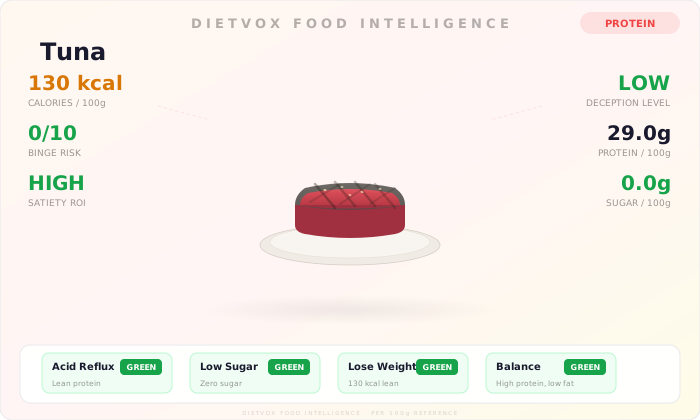
Tuna is rated GREEN for a low-sugar diet. This rating indicates that tuna is fully compatible with a low-sugar eating plan and can be consumed without restriction based on its sugar content. Containing zero grams of sugar and zero grams of carbohydrates, tuna is an exemplary choice for maintaining stable blood sugar levels. For anyone asking is tuna low carb, the answer is a definitive yes. Its complete absence of carbohydrates makes it a cornerstone food for both low-carb and low-sugar protocols.
Nutritional Profile: A Low-Sugar Powerhouse
The nutritional composition of tuna makes it exceptionally well-suited for a low-sugar lifestyle. According to the USDA FoodData Central (FDC ID 173707), a 100g serving of cooked fresh tuna contains:
- Sugar: 0.0g
- Carbohydrates: 0.0g
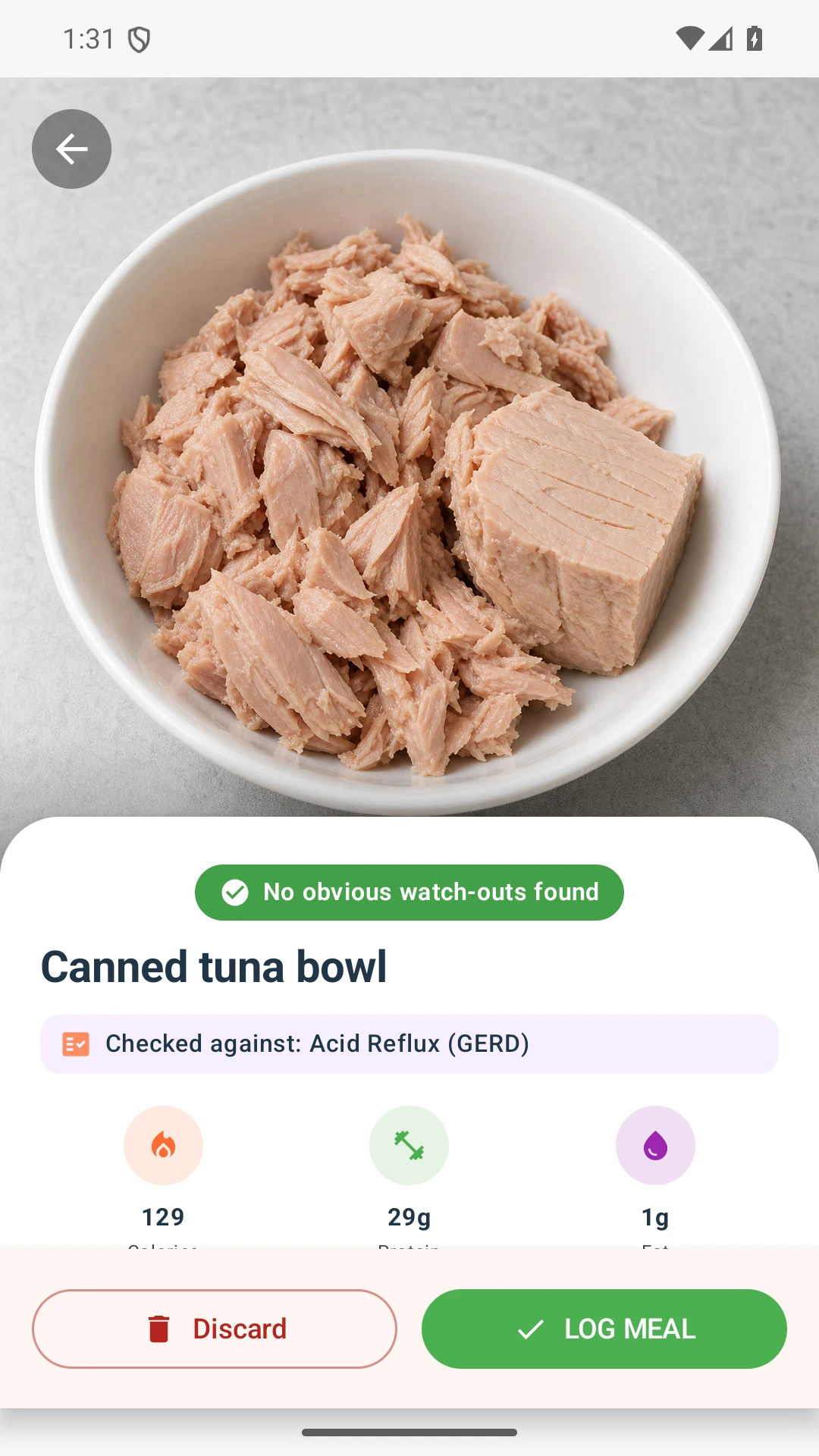
- Protein: 29.0g
- Fat: 1.0g
- Calories: 130 kcal
The most critical data points for a low-sugar diet are the first two: zero sugar and zero carbohydrates. This means tuna has no direct impact on blood glucose levels after consumption. The World Health Organization (WHO) recommends reducing the intake of free sugars, and choosing naturally sugar-free foods like tuna is a primary strategy for achieving this goal.
The Role of Protein in Managing Sugar Cravings
Beyond its lack of sugar, tuna's high protein content (29.0g per 100g) plays a vital supportive role in a low-sugar diet. High-protein foods are known to significantly increase satiety—the feeling of fullness and satisfaction after a meal. source review listed in journals available through PubMed demonstrates that protein is more satiating than carbohydrates or fats. This enhanced satiety can help reduce overall calorie intake and, crucially, curb cravings for high-sugar snacks between meals, making it easier to adhere to your dietary protocol.
Tuna and Blood Sugar Control
Managing blood sugar is a central objective of a low-sugar diet. The Glycemic Index (GI) is a scale that ranks carbohydrate-containing foods by how much they raise blood glucose levels. Foods without carbohydrates, such as plain tuna, do not have a GI value and are considered to have a GI of zero International glycemic index tables review.
Consuming tuna does not trigger an insulin response in the way carbohydrates do. This makes it an ideal food for preventing the blood sugar spikes and subsequent crashes that can lead to energy slumps and further sugar cravings. For individuals managing metabolic health, incorporating zero-GI foods like tuna is a fundamental and effective strategy.
Practical Guide to Including Tuna in Your Low-Sugar Diet
While plain tuna is perfectly aligned with a low-sugar diet, how it's prepared and what it's served with are critical. Many commercial tuna products and recipes can introduce hidden sugars.
Choosing the Right Type of Tuna
- Fresh or Frozen Tuna Steaks: These are the purest options. They can be grilled, baked, or pan-seared with herbs, spices, lemon juice, and olive oil for a completely sugar-free meal.
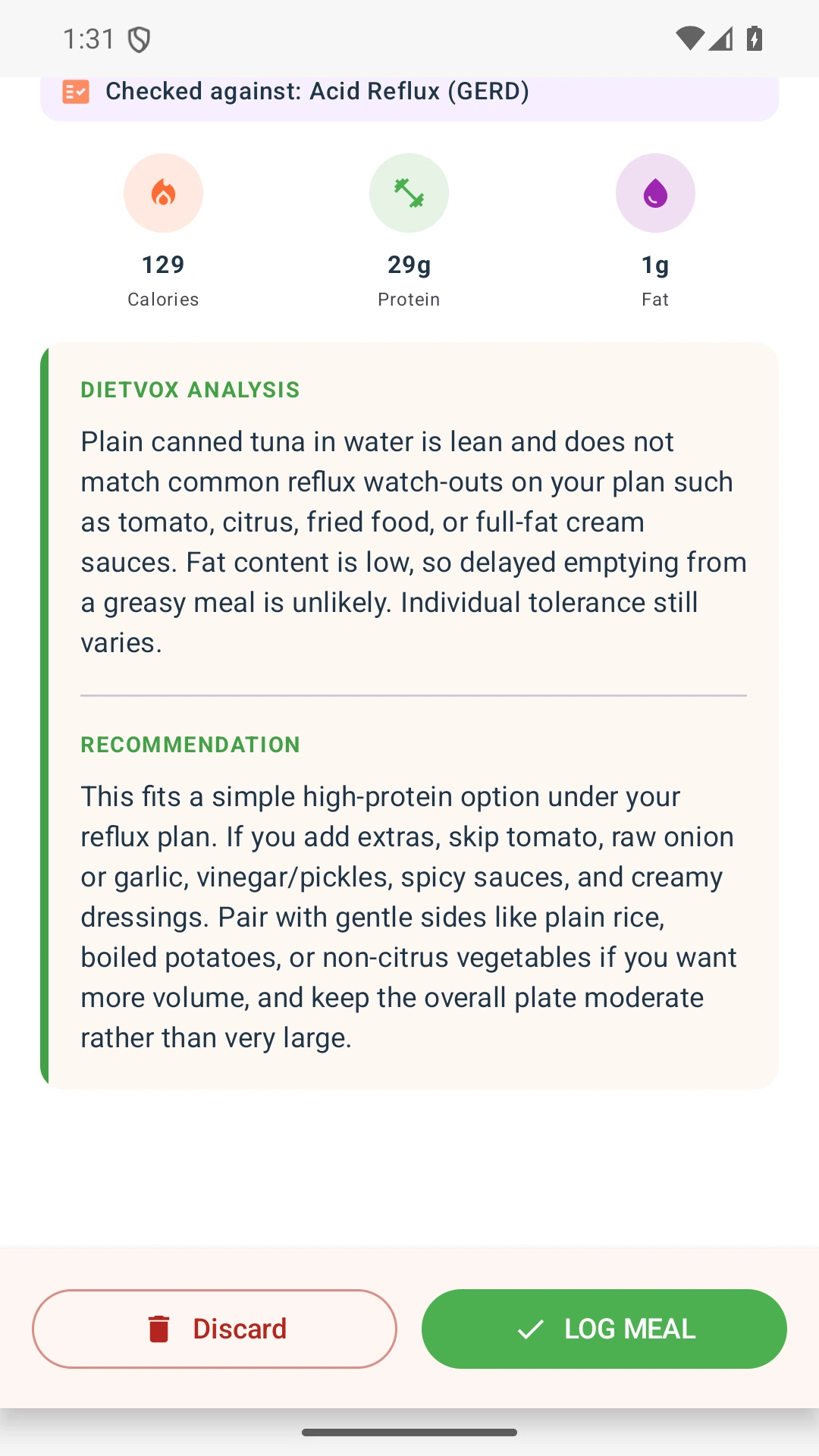
- Canned Tuna: This is a convenient and affordable choice. Opt for tuna canned in water or brine over tuna canned in oil to minimize added calories and fat. The USDA shows that tuna in water (116 kcal/100g) is significantly lower in calories than tuna in oil (198 kcal/100g). Always read the label to ensure no sugars or sweetened broths have been added.
Avoiding Hidden Sugars
Many common additions to tuna are high in sugar. Be vigilant about:
- Mayonnaise: Many commercial brands contain added sugar. Look for sugar-free versions or make your own. Alternatively, use Greek yogurt, mashed avocado, or a high-quality olive oil as a binder for tuna salad.
- Salad Dressings & Sauces: Bottled dressings, sweet chili sauce, teriyaki sauce, and some vinaigrettes are often high in sugar. The FDA added sugars label guidance warns about these 'hidden sugars' in savory foods. Stick to simple, homemade dressings using olive oil, vinegar, or lemon juice.
- Relish and Pickles: Sweet pickle relish is a common ingredient in tuna salad and is very high in sugar. If you want a similar flavour, use finely chopped dill pickles (check the label for sugar) or capers.
Low-Sugar Tuna Meal Ideas
- Classic Tuna Salad (Low-Sugar Twist): Mix canned tuna (in water, drained) with plain Greek yogurt, chopped celery, red onion, and a pinch of dill. Serve in lettuce cups or with sliced cucumbers.
- Seared Tuna Steak: Season a fresh tuna steak with salt, pepper, and sesame seeds. Sear for 1-2 minutes per side. Serve with steamed green beans and a wedge of lemon.
- Mediterranean Tuna Bowl: Combine flaked tuna with chickpeas, cucumber, tomatoes, olives, and feta cheese. Dress with extra virgin olive oil and fresh lemon juice.
Safety Considerations: Mercury in Tuna
It is important to address the topic of mercury content in tuna. Mercury is a heavy metal that can be harmful in high amounts. Larger, longer-living fish like tuna tend to accumulate more mercury. However, for most adults, the health benefits of eating fish, particularly oily fish rich in omega-3s, outweigh the potential risks.
Health authorities provide clear consumption guidelines. The NHS and the FDA advice about eating fish recommend limiting intake of certain types of fish. For tuna:
- General Population: Most people can safely consume a few servings of tuna per week as part of a balanced diet.
- At-Risk Groups: Pregnant women, those trying to conceive, and children should limit their intake. They are often advised to choose lower-mercury fish and limit albacore ('white') tuna, which is higher in mercury than skipjack ('light') tuna.
By following these established guidelines, you can safely incorporate tuna into your low-sugar diet and reap its significant nutritional benefits.
Disclaimer: This article is for informational purposes only and does not constitute medical advice. Always consult a healthcare provider before making changes to your diet, especially if you have a medical condition.
Scan your foods with the DietVox app to get personalized ratings based on your specific dietary needs and health goals.
Last reviewed: June 2026
How It Works
Why Tuna is Rated GREEN
Tuna's GREEN rating for the Low Sugar Diet protocol is based on three core nutritional principles:
- Zero Sugar Content: The primary reason for its rating is that tuna contains 0g of sugar per 100g. It is a naturally sugar-free food, making it fundamentally compatible with any diet focused on sugar reduction USDA FoodData Central (FDC ID 173707).
- No Impact on Blood Sugar: With 0g of carbohydrates, tuna has a Glycemic Index (GI) of zero. This means it does not cause a rise in blood glucose levels after being eaten, which is a key goal for metabolic health and a cornerstone of a successful low-sugar diet International glycemic index tables review.
- High Satiety from Protein: Tuna delivers 29.0g of high-quality protein per 100g. This high protein content significantly increases feelings of fullness (satiety), which can help manage appetite and reduce cravings for sugary foods throughout the day, supporting long-term adherence to the protocol PubMed.
Scan any food. Get an instant RED/AMBER/GREEN rating.
DietVox analyses every food across 4 diet protocols — no guesswork.
Try DietVox Free →Try These Instead
Safer alternatives that won't trigger your symptoms.
Frequently Asked Questions
Is canned tuna in oil okay for a low-sugar diet?
Yes, from a sugar perspective, tuna canned in oil is perfectly fine as it contains 0g of sugar. However, be aware that it is significantly higher in calories and fat compared to tuna canned in water. If you are also managing calorie intake, tuna in water is the better choice.
Does tuna affect blood sugar or insulin levels?
No, plain tuna does not affect blood sugar or insulin levels. It contains zero carbohydrates and therefore has a Glycemic Index (GI) of zero. This makes it an excellent food for maintaining stable blood glucose, which is a primary goal of a low-sugar diet.
What are some healthy, low-sugar ways to make tuna salad?
To make a low-sugar tuna salad, avoid traditional mayonnaise which often has added sugar. Instead, use plain Greek yogurt, mashed avocado, or a small amount of high-quality olive oil as a binder. Add flavor with chopped celery, red onion, capers, fresh dill, and a squeeze of lemon juice.
How much tuna can I safely eat on a low-sugar diet?
While tuna is great for a low-sugar diet, you should be mindful of mercury content. According to the NHS, most adults can safely eat 2-4 servings of fish like tuna per week. Pregnant women or those trying to conceive should limit their intake and opt for lower-mercury varieties like canned light (skipjack) tuna over albacore.